Author: Garrick Lonsdale

  • Why Do Cats Sit on Laptops and Keyboards?

    Why Do Cats Sit on Laptops and Keyboards?

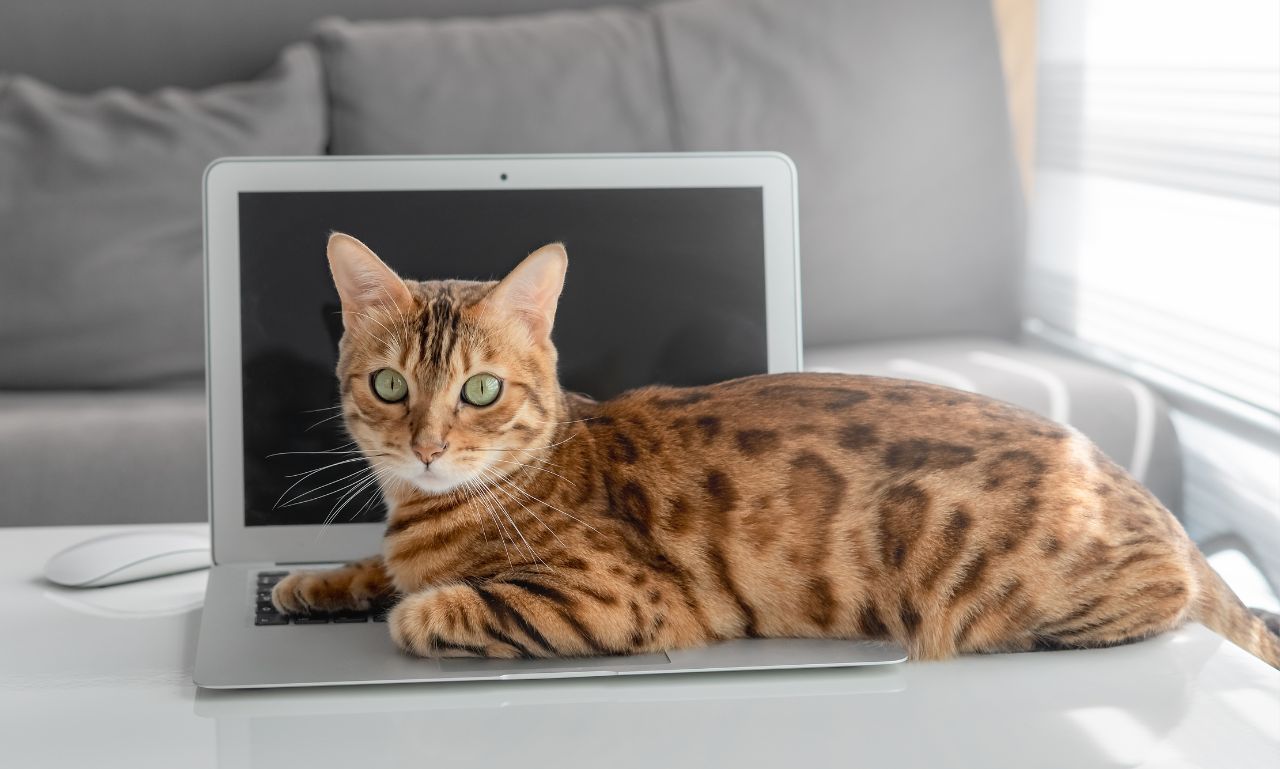
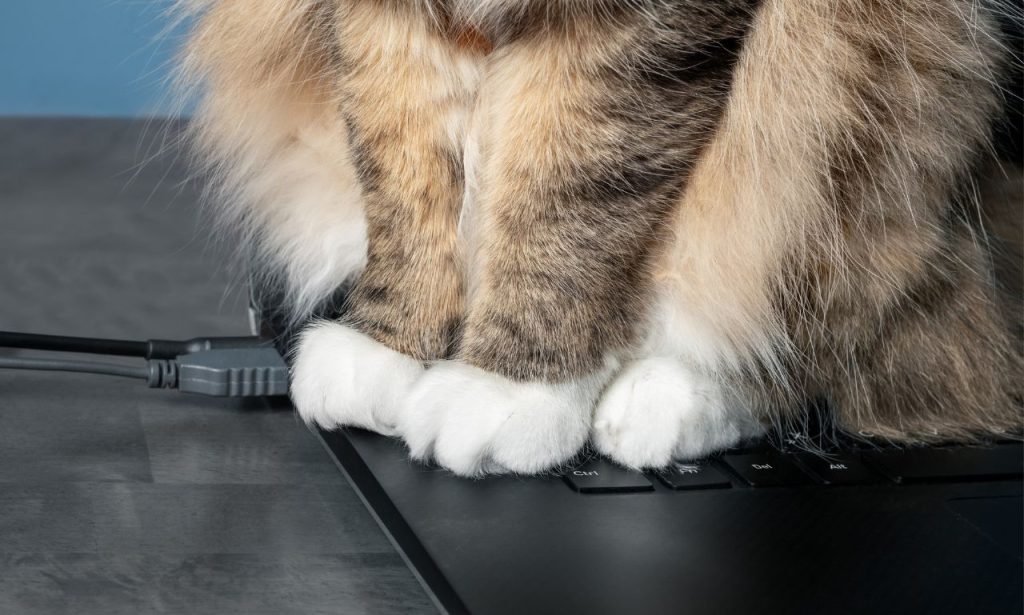
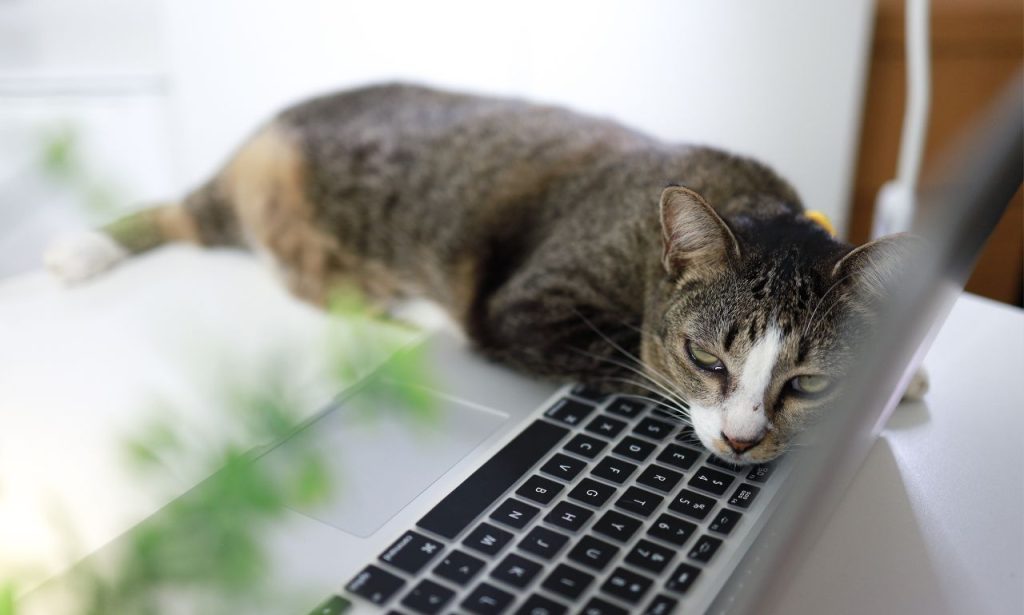
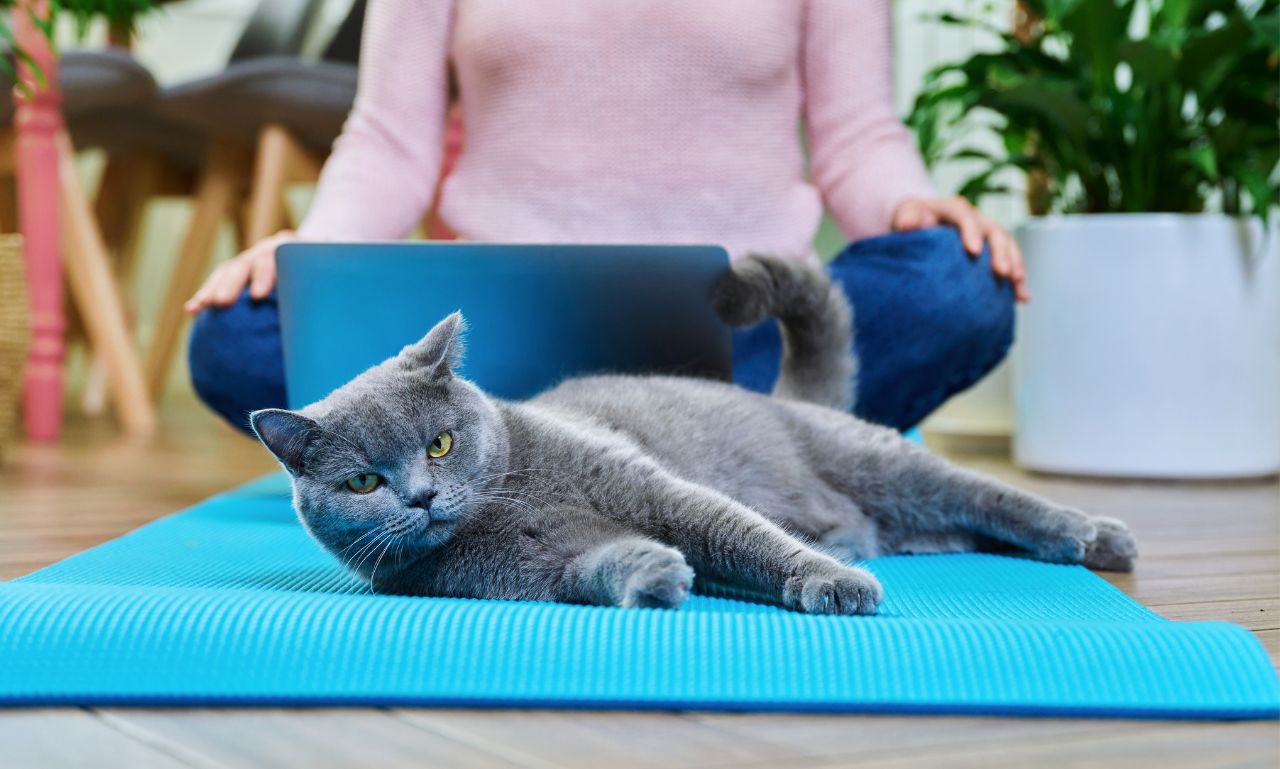
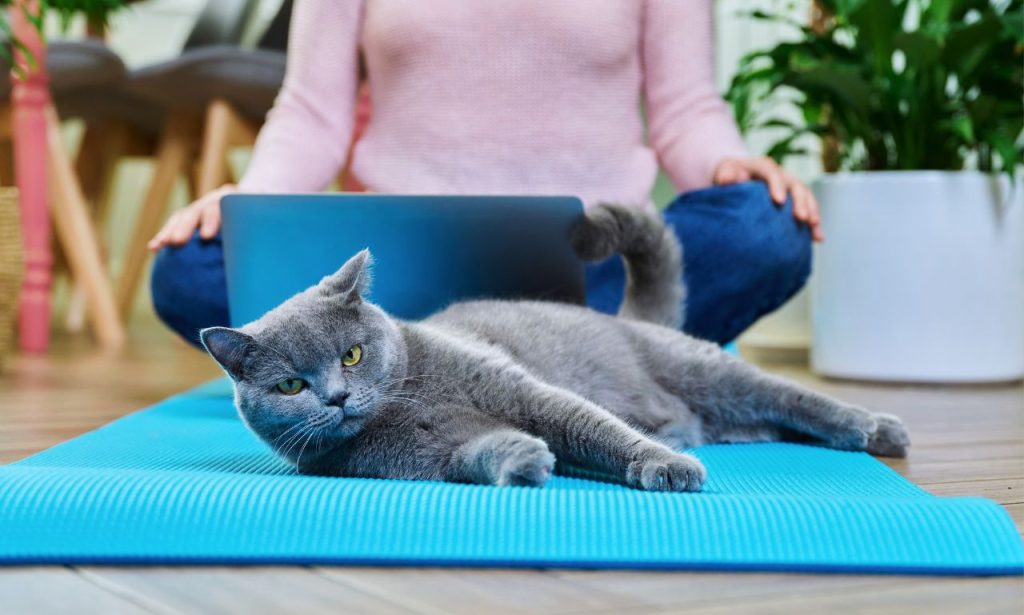
    If you have ever tried answering emails while a cat planted itself directly on your keyboard, you are not alone. Cat owners around the world share photos and videos of their furry companions blocking screens, typing random characters, and turning work sessions into cuddle sessions.

    At first glance, the behavior seems mischievous. Yet there is usually more going on than simple interruption. Cats are intelligent animals with instincts shaped by thousands of years of evolution. When they choose a laptop over a cozy bed across the room, they are responding to specific physical and emotional needs.

    Understanding why this happens can help strengthen your bond with your pet while making your workday a little easier. Let’s explore the real reasons behind this common feline behavior.

    The Warmth and Comfort That Electronic Devices Provide

    Why Do Cats Sit on Laptops and Keyboards?

    Cats love warmth. Their natural body temperature ranges from 100.5°F to 102.5°F, slightly higher than that of humans. Because of this, they actively seek out warm places to rest.

    A laptop that has been running for hours creates gentle heat that feels comforting to a cat. Many owners notice their pets gravitating toward laptops shortly after the laptops warm up. In a sense, the device functions like a miniature heated bed.

    Veterinarians often point out that cats instinctively conserve energy. Choosing a warm location allows them to stay comfortable without expending extra effort to regulate body temperature.

    Think about where cats commonly nap. Sunny windowsills, blankets fresh from the dryer, radiators, and warm electronics often top the list. A laptop checks all the right boxes.

    Why Cats Prefer Elevated and Frequently Used Spaces

    Cats naturally prefer places that offer visibility and security. Elevated surfaces help them monitor their surroundings while feeling protected.

    Desks and workstations often provide the perfect vantage point. From there, a cat can observe movement throughout the room while staying close to its favorite human.

    There is another factor at play. Cats are attracted to objects and locations that carry strong scents. Your desk, keyboard, and laptop carry your scent because you interact with them daily.

    As a result, these areas become familiar and comforting. To your cat, sitting on your keyboard may feel like relaxing in a place associated with safety and companionship.

    Do Cats Sit on Laptops to Get Attention?

    Many cat owners suspect their pets intentionally interrupt work sessions. In many cases, they are right.

    How Cats Compete with Screens for Their Owner’s Focus

    Picture this scenario. You have been staring at a screen for an hour while barely acknowledging your cat. Suddenly, your furry friend walks across the keyboard and parks itself in front of the monitor.

    Coincidence? Probably not.

    Cats quickly learn which actions generate a response. When sitting on a laptop consistently results in eye contact, conversation, petting, or laughter, the behavior becomes reinforced.

    Animal behavior specialists frequently compare this to how children seek attention. Even a mild reaction can encourage repetition if it fulfills a social need.

    A survey conducted by the American Pet Products Association found that pet owners increasingly work from home, creating more opportunities for pets to interact with their daily routines. Many cats have adapted by inserting themselves directly into those routines.

    Understanding Attention-Seeking Behaviors in Domestic Cats

    Attention-seeking behavior can take many forms. Some cats meow repeatedly. Others bring toys, rub against legs, or jump onto desks.

    Keyboard sitting is often part of this broader pattern.

    Domestic cats form strong attachments to their owners. Research from Oregon State University found that many cats display attachment styles similar to those observed in children and dogs.

    When a cat sits on your laptop, it may simply be asking for interaction. Sometimes a few minutes of play or affection satisfies that need and reduces interruptions later.

    Have you noticed your cat choosing your keyboard even when a nearby chair is available? That small detail often points toward social motivation rather than physical comfort alone.

    Is Sitting on Keyboards a Sign of Territorial Behavior?

    Why Do Cats Sit on Laptops and Keyboards?

    Cats are territorial creatures. While domestic cats may not patrol large outdoor areas, they still establish ownership over spaces and objects within the home.

    How Cats Mark Objects That Smell Like Their Owners

    Cats communicate through scent more than many people realize.

    Facial glands located around the cheeks and forehead release pheromones when cats rub against people or objects. These chemical signals help create a sense of familiarity and security.

    Your laptop likely carries a strong concentration of your scent. When your cat sits, rubs, or rests on it, the behavior may contribute to scent marking.

    This process is not aggressive. Instead, it is often a sign that your cat considers the object part of its trusted environment.

    Many owners notice similar behavior with clothing, pillows, backpacks, and recently used blankets. The common denominator is usually the owner’s scent.

    Why Cats View Workspaces as Part of Their Territory

    Cats tend to claim areas where they spend significant time.

    If your cat regularly joins you in a home office, the workspace gradually becomes part of its territory. Sitting on the keyboard may reflect a desire to participate in and monitor that shared space.

    From the cat’s perspective, your desk is not solely a workstation. It is part of the household environment where daily life unfolds.

    This explains why many cats seem particularly interested in workstations despite having access to other comfortable locations throughout the house.

    What Other Reasons Explain This Curious Cat Habit?

    Not every keyboard invasion stems from warmth, attention, or territory. Sometimes curiosity plays a major role.

    Natural Curiosity and Attraction to Moving Objects on Screens

    Cats are natural hunters. Their instincts drive them to notice movement, patterns, and changes in their environment.

    Computer screens often display moving cursors, scrolling text, videos, and flashing notifications. These visual elements can capture a cat’s attention just as effectively as a moving toy.

    Some cats become fascinated by cursor movements. Others stare at videos featuring birds, fish, or insects.

    The laptop itself becomes associated with interesting visual stimulation. Over time, curiosity may draw the cat closer until it eventually settles directly on the keyboard.

    Anyone who has watched a cat swat at a cursor understands how irresistible these moving targets can be.

    Why Cats Mimic Their Owners’ Daily Activities and Routines

    Cats are surprisingly observant.

    They pay close attention to routines and often adjust their own behavior accordingly. If you spend several hours each day focused on a laptop, your cat may develop interest simply because the object appears important.

    Behavior experts sometimes describe this as social referencing. Animals often investigate things that capture the attention of trusted companions.

    A laptop receives a tremendous amount of your focus. Naturally, your cat may conclude it deserves attention as well.

    This tendency explains why cats frequently choose books, newspapers, puzzles, and laptops over nearby empty spaces. The object becomes interesting because it matters to you.

    How Can You Prevent Cats from Sitting on Laptops and Keyboards?

    Why Do Cats Sit on Laptops and Keyboards?

    While the behavior is often adorable, it can become frustrating during important meetings or deadlines. Fortunately, there are practical ways to manage it.

    Creating Alternative Warm and Comfortable Resting Spots

    One of the most effective solutions is to provide an attractive alternative.

    Place a heated cat bed, soft blanket, or window perch near your workspace. Many cats happily choose a comfortable spot nearby when it offers similar benefits.

    Location matters. A bed placed across the room may not satisfy a cat that wants to be close to its owner. Positioning the alternative resting spot next to your desk often produces better results.

    Some owners even place a small cat bed directly beside their keyboard area. This allows the cat to remain involved without interfering with work.

    Training and Positive Reinforcement Techniques That Work

    Cats respond best to positive reinforcement rather than punishment.

    Whenever your cat chooses an approved resting area, reward the behavior with praise, affection, or treats. Over time, the preferred location becomes more appealing.

    Consistency is important. Gently redirect your cat whenever it climbs onto the keyboard, rather than reacting with frustration.

    Interactive play sessions can also reduce attention-seeking interruptions. A cat that receives regular mental and physical stimulation is often less likely to seek entertainment by blocking your screen.

    Patience goes a long way. Behavioral changes rarely happen overnight, but steady reinforcement can create lasting habits.

    Conclusion

    Why Do Cats Sit on Laptops and Keyboards? The answer usually involves a combination of warmth, comfort, curiosity, territory, and a desire for connection.

    What seems like a deliberate attempt to interrupt your work is often your cat’s way of staying close, seeking security, or sharing your space. Understanding the motivation behind the behavior can transform frustration into appreciation.

    The next time your cat settles on your keyboard, take a moment to consider what it might be trying to communicate. A little empathy, along with a comfortable alternative resting spot, can help you both coexist peacefully.

    After all, in your cat’s eyes, that laptop may not be a work tool. It may simply be the best seat in the house.

    Also Read: Can Cats Recognize Their Names?

    FAQs

    Do cats like laptops because they are warm?

    Yes. The heat generated by laptops creates a comfortable resting place that many cats find appealing.

    Are cats jealous of laptops?

    Cats are not usually jealous, but they may seek attention when they notice a device receiving your focus.

    How do I stop my cat from sitting on my laptop?

    Provide a warm resting spot nearby and reward your cat for using it instead of the keyboard.

    Is sitting on keyboards normal cat behavior?

    Yes. It is a common behavior linked to comfort, curiosity, territorial instincts, and social bonding.

  • Why Do Cats Suddenly Zoom Around the House at Night?

    Why Do Cats Suddenly Zoom Around the House at Night?

    If you have ever been jolted awake by the sound of paws thundering across the hallway at 2 a.m., you are not alone. Cat owners around the world share the same experience. One moment, their cat is peacefully lounging on the couch. The next, it is sprinting from room to room as if competing in an invisible race.

    This behavior, often called “the zoomies,” can seem strange, funny, and occasionally frustrating. Many pet parents wonder whether these sudden bursts of energy are normal or a sign that something is wrong.

    The good news is that nighttime zoomies are usually a natural part of feline behavior. Understanding why they happen can help you better meet your cat’s needs and enjoy a more peaceful night’s sleep.

    What Are Cat Zoomies and Why Do They Happen?

    Why Do Cats Suddenly Zoom Around the House at Night?

    Cat zoomies are sudden bursts of frantic energy that cause a cat to run, jump, twist, and dart around the house. Veterinarians often refer to these episodes as Frenetic Random Activity Periods (FRAPs).

    During a zoomie session, your cat may race down hallways, leap onto furniture, and make sharp turns at impressive speeds. It can look chaotic, but in most cases, it is perfectly normal.

    Think about it this way. Indoor cats spend much of their day sleeping. According to the American Animal Hospital Association, healthy adult cats can sleep between 12 and 16 hours daily. After so much rest, energy naturally builds up. Eventually, that energy needs an outlet.

    Many cat owners have shared stories online about their pets turning their living rooms into racetracks after hours of lounging. While it may seem random, there is usually a reason behind the sudden activity.

    Why Are Zoomies More Common at Night Than During the Day?

    Nighttime is when many cats become more active. A quiet house, fewer distractions, and natural biological rhythms often combine to create the perfect conditions for zoomies.

    Unlike humans, cats do not follow a strict daytime schedule. Their ancestors survived by hunting during low-light hours. As evening arrives, a cat’s body often shifts into activity mode.

    Another factor is owner availability. Many people work during the day and spend more time interacting with their pets in the evening. Extra attention, playtime, or excitement before bed can contribute to a burst of energy later in the night.

    The Natural Instincts Behind Nighttime Cat Activity

    How a Cat’s Hunting Instinct Triggers Late-Night Zoomies

    Even the most pampered indoor cat retains the instincts of a hunter. Thousands of years of evolution have wired cats to stalk, chase, and pounce.

    In the wild, small prey animals are most active during dawn and dusk. As a result, cats developed hunting patterns that match those periods. When your cat races through the house at night, it may be acting out a deeply ingrained hunting sequence.

    Watch closely during a zoomie episode. You may notice stalking behavior, sudden pounces, and rapid directional changes. These movements closely resemble hunting techniques used in nature.

    Jackson Galaxy, a well-known cat behavior expert, often explains that indoor cats still need opportunities to express their natural predatory instincts. Without those outlets, pent-up hunting energy can emerge as nighttime zoomies.

    Are Cats Nocturnal or Crepuscular Animals?

    Many people assume cats are nocturnal, but that is not entirely accurate.

    Cats are actually crepuscular animals. This means they are most active during dawn and dusk rather than throughout the entire night.

    This distinction helps explain why many cats become energetic in the early morning or late evening. Their internal clocks are programmed to be alert during these transitional hours.

    Understanding this natural rhythm can make your cat’s behavior seem much less mysterious. Instead of viewing nighttime zoomies as odd behavior, it helps to see them as a reflection of your pet’s biological programming.

    Common Reasons Cats Suddenly Run Around the House at Night

    Excess Energy, Boredom, and Lack of Daytime Stimulation

    One of the most common answers to the question, “Why Do Cats Suddenly Zoom Around the House at Night?” is simple: they have energy to burn.

    Indoor cats often live comfortable lives, but comfort can sometimes lead to boredom. Without enough physical activity and mental stimulation during the day, energy accumulates.

    Imagine sitting indoors for hours without exercise. Eventually, you would feel restless too.

    Cats need opportunities to climb, chase, explore, and play. Interactive toys, puzzle feeders, and climbing trees can make a huge difference. A vigorous play session before bedtime can also help reduce nighttime activity.

    Many veterinarians recommend mimicking the hunting cycle through play. Let your cat stalk a toy, chase it, catch it, and then enjoy a small treat afterward. This sequence can leave them feeling satisfied and ready to rest.

    Stress, Excitement, and Environmental Triggers That Cause Zoomies

    Not all zoomies are linked to boredom. Emotional factors can play a role as well.

    Excitement from visitors, a new toy, or even the sound of birds outside a window can trigger sudden bursts of activity. Some cats become energized after receiving attention from their owners.

    Stress may also contribute. Changes in the household, moving to a new home, or introducing another pet can create nervous energy.

    Cats often release emotional tension through physical movement. A quick sprint around the house may be their way of processing excitement or stress.

    Think of it as a feline version of pacing after a big event. The behavior may look dramatic, but it often serves a purpose.

    Other Situations That Can Trigger Cat Zoomies

    Why Do Cats Get Zoomies After Using the Litter Box?

    Many cat owners notice a peculiar pattern. Their cat uses the litter box and immediately tears through the house at full speed.

    This phenomenon is surprisingly common.

    Experts have proposed several theories. One explanation involves relief. After eliminating waste, a cat may experience a burst of comfort and energy.

    Another theory points to instinct. In the wild, leaving waste behind could attract predators. Quickly moving away from the area may have helped ancestors avoid danger.

    Some veterinarians also suggest that stimulation of certain nerves during bowel movements may create a temporary feeling of excitement.

    While the exact cause remains debated, post-litter box zoomies are generally considered normal unless accompanied by signs of discomfort or digestive issues.

    Why Do Kittens and Young Cats Experience More Zoomies Than Older Cats?

    Age plays a major role in zoomie frequency.

    Kittens are essentially tiny bundles of endless energy. Their developing bodies and curious minds drive them to explore every corner of their environment.

    Young cats often experience multiple zoomie sessions each day because they are still learning about the world around them. Everything becomes an adventure.

    Older cats typically slow down over time. Their energy levels decrease, and they become less likely to sprint across the house without warning.

    That said, many senior cats still enjoy occasional bursts of activity. A playful streak can last well into old age.

    When Nighttime Zoomies Are Normal and When to Be Concerned

    Signs Your Cat’s Nighttime Running Is Completely Normal

    Why Do Cats Suddenly Zoom Around the House at Night?

    In most situations, nighttime zoomies are simply part of healthy feline behavior.

    A normal zoomie episode usually lasts only a few minutes. Afterward, the cat returns to resting, grooming, or relaxing. Their appetite remains normal, and there are no signs of distress.

    Playful body language is another positive sign. Ears remain forward, movements appear coordinated, and the cat seems energetic rather than frightened.

    If your cat enjoys regular play, eats well, and behaves normally between zoomie sessions, there is usually little reason for concern.

    Have you noticed your cat sprinting around before suddenly collapsing on a favorite chair? That pattern is often a classic sign of healthy zoomies.

    When Excessive Zoomies May Indicate a Health or Behavioral Problem

    Although zoomies are typically harmless, there are situations where they deserve attention.

    Sudden changes in behavior should never be ignored. If an older cat unexpectedly begins having intense zoomies, a veterinary evaluation may be worthwhile.

    Medical conditions such as hyperthyroidism, pain, skin irritation, or neurological issues can sometimes contribute to unusual activity levels.

    Watch for warning signs such as excessive vocalization, aggression, confusion, loss of appetite, or visible discomfort. Those symptoms suggest something beyond ordinary zoomies may be occurring.

    Behavioral concerns can also develop if a cat lacks enrichment. Chronic boredom may lead to destructive habits, anxiety, and excessive nighttime activity.

    When in doubt, consulting a veterinarian is always the safest approach.

    Conclusion

    Why Do Cats Suddenly Zoom Around the House at Night? In most cases, the answer lies in a combination of instincts, accumulated energy, and biological rhythms.

    Cats are wired to be active during low-light hours. Their hunting instincts, combined with boredom, excitement, or simple youthful enthusiasm, often lead to those unforgettable nighttime sprints.

    Most zoomies are completely normal and even healthy. Providing daily play, mental stimulation, and opportunities for exercise can help manage excessive activity while supporting your cat’s overall well-being.

    The next time your cat races through the hallway like a furry race car, remember that you are witnessing behavior shaped by thousands of years of evolution. It may be noisy, but it is also a fascinating glimpse into your pet’s instincts.

    Also Read: How Do Indoor Cats Get Enough Exercise Naturally?

    FAQs

    1. How can I stop my cat from zooming around at night?

    Increase daytime play, provide interactive toys, and schedule an active play session before bedtime.

    2. Are nighttime zoomies normal for indoor cats?

    Yes. Indoor cats commonly experience zoomies because they have fewer opportunities to release energy naturally.

    3. Why does my cat get zoomies after using the litter box?

    Many cats experience a burst of excitement or relief after using the litter box, leading to sudden bursts of running.

    4. When should I worry about my cat’s zoomies?

    Seek veterinary advice if zoomies are accompanied by pain, aggression, confusion, changes in appetite, or other unusual symptoms.

  • How Do Indoor Cats Get Enough Exercise Naturally?

    How Do Indoor Cats Get Enough Exercise Naturally?

    Many cat owners assume that living indoors automatically means less exercise. After all, outdoor cats spend their days climbing fences, chasing insects, and exploring neighborhoods. Indoor cats, on the other hand, seem content lounging on a sunny windowsill for hours.

    Yet domestic cats are natural athletes. Even the laziest house cat still carries the instincts of a skilled hunter. The challenge is making sure those instincts have an outlet inside the home.

    So, how do indoor cats get enough exercise naturally? The answer lies in understanding feline behavior. Activities such as climbing, scratching, stalking toys, exploring new spaces, and playing with household objects can all contribute to a healthy level of activity. When owners encourage these natural behaviors, indoor cats can remain fit, mentally stimulated, and happy throughout their lives.

    Why Exercise Is Essential for Indoor Cats?

    How Do Indoor Cats Get Enough Exercise Naturally?

    Indoor living protects cats from many dangers, including traffic, predators, and disease. However, it also limits opportunities for movement. Without regular activity, both physical and mental health can suffer.

    Exercise helps maintain muscle strength, supports healthy joints, and prevents excessive weight gain. Beyond the physical benefits, movement gives cats a way to satisfy instincts that have existed for thousands of years.

    A well-exercised cat is often calmer, more confident, and less likely to develop destructive habits around the home.

    How Much Exercise Does an Indoor Cat Need Each Day?

    Veterinarians generally recommend at least 20 to 30 minutes of active play daily for healthy adult cats. Kittens often need much more because of their high energy levels. Senior cats may prefer shorter sessions spread throughout the day.

    The good news is that cats rarely need a long workout. Most felines naturally exercise in short bursts. A few ten-minute play sessions can be more effective than one extended session.

    Think about how cats behave in nature. They don’t jog for miles. Instead, they stalk, chase, pounce, climb, and rest before repeating the cycle. Indoor exercise works best when it mirrors this pattern.

    Have you ever watched your cat sprint through the house at full speed for no apparent reason? Many owners call these sudden bursts of energy the “zoomies.” While amusing, they also indicate that your cat is finding ways to burn energy naturally.

    What Health Problems Can Develop When Indoor Cats Don’t Get Enough Activity?

    Lack of exercise can lead to obesity, one of the most common health concerns among indoor cats. According to the Association for Pet Obesity Prevention, excess weight affects a significant portion of companion animals and increases the risk of chronic health conditions.

    Extra pounds can place stress on joints, contribute to diabetes, and reduce overall mobility. Some cats also become less active as they gain weight, creating a difficult cycle to break.

    Mental health can suffer as well. Bored cats may overgroom, excessively scratch furniture, vocalize more than usual, or display aggressive behavior. In many cases, these actions are not signs of a bad temperament. They are signs of unmet needs.

    Natural Ways Indoor Cats Stay Active at Home

    Cats don’t need a gym membership to stay fit. Many everyday behaviors provide meaningful exercise when given the opportunity.

    Understanding these behaviors helps owners create an environment where movement happens naturally.

    How Hunting Instincts Encourage Daily Movement Indoors

    Despite thousands of years of domestication, cats remain instinctive hunters. Even a well-fed cat often stalks shadows, insects, toy mice, or moving objects.

    This instinct drives a surprising amount of daily activity. A cat tracking a feather wand is engaging muscles, coordination, and focus in much the same way it would while hunting prey outdoors.

    Researchers studying feline behavior have found that predatory play satisfies important psychological needs. Chasing, pouncing, and capturing toys can reduce stress while increasing physical activity.

    A simple game with a wand toy often provides more exercise than owners realize. Those quick bursts of speed, sudden jumps, and dramatic turns create a full-body workout.

    How Climbing, Scratching, Stretching, and Exploring Provide Exercise

    Exercise isn’t always about running. Cats naturally move their bodies through climbing, stretching, and exploring.

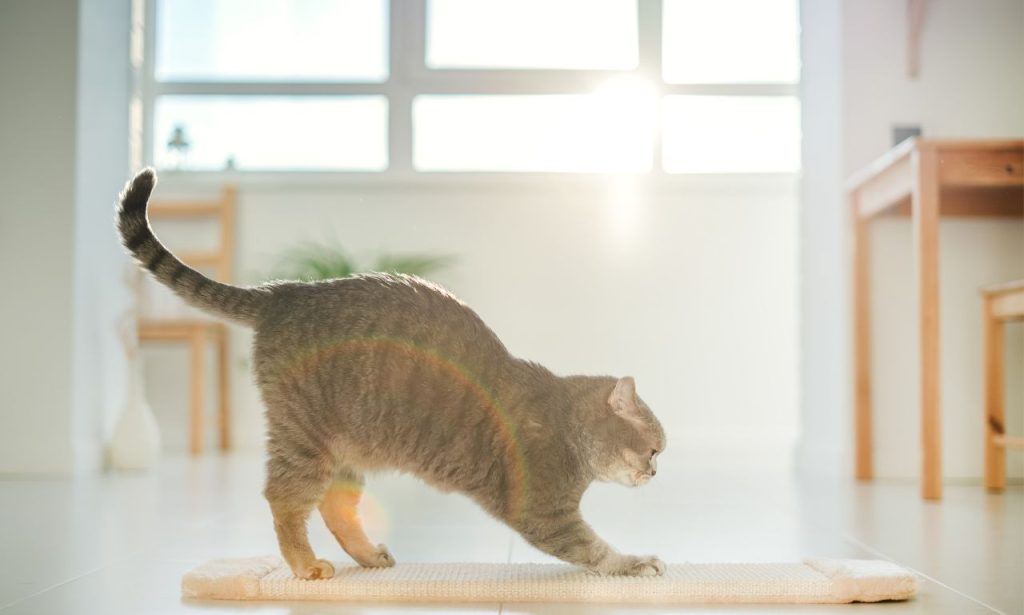
    Scratching posts help strengthen muscles in the shoulders and back while maintaining claw health. Stretching after a nap improves flexibility and circulation.

    Climbing is especially valuable. In the wild, elevated positions provide safety and observation points. Indoors, bookshelves, cat trees, and window perches satisfy this same instinct.

    Exploration also plays a role. Cats enjoy investigating new boxes, rearranged furniture, and unfamiliar scents. Curiosity often motivates movement that owners may not even notice.

    How to Create an Indoor Environment That Encourages Natural Exercise

    How Do Indoor Cats Get Enough Exercise Naturally?

    The home environment has a huge impact on activity levels. Small changes can transform a sedentary cat into a much more active one.

    Creating opportunities for movement is often easier than many people expect.

    Why Cat Trees, Shelves, and Vertical Spaces Keep Cats Moving

    One of the biggest mistakes cat owners make is focusing only on floor space. Cats naturally think vertically.

    Adding height encourages climbing, jumping, and exploration. Cat trees, wall-mounted shelves, and sturdy window perches create opportunities for movement throughout the day.

    Jackson Galaxy, a well-known cat behavior expert, frequently emphasizes the importance of vertical territory. Cats feel safer when they have elevated spaces available, and they naturally use these areas to stay active.

    Imagine your home from a cat’s perspective. A living room isn’t just a room. It’s a climbing course filled with opportunities to jump, balance, and observe.

    The more vertical options you provide, the more natural movement your cat will engage in.

    How Interactive Toys, Puzzle Feeders, and Food Hunts Stimulate Activity

    Food can be a powerful motivator for exercise.

    Puzzle feeders require cats to work for their meals by batting, rolling, or manipulating objects. This mimics the effort required to find prey.

    Food hunts create another layer of enrichment. Instead of placing all food in one bowl, owners can hide small portions around the home. Cats then spend time searching and exploring.

    Interactive toys also help maintain interest. Rotating toys every few days prevents boredom and makes old toys feel new again.

    Many experienced cat owners notice something surprising. Expensive gadgets often lose their appeal quickly, while a cardboard box or crumpled paper ball remains endlessly fascinating.

    Signs Your Indoor Cat May Not Be Getting Enough Exercise

    Cats are masters at hiding discomfort. Because of this, inactivity can go unnoticed until obvious problems appear.

    Recognizing early warning signs allows owners to make changes before health issues develop.

    Behavioral Changes Linked to Boredom and Lack of Stimulation

    Boredom frequently shows up through behavior.

    Some cats become destructive, scratching furniture or knocking objects off counters. Others vocalize excessively, especially during the night.

    Overgrooming is another common sign. A cat may lick certain areas repeatedly, creating bald patches or irritated skin.

    In multi-cat households, boredom sometimes leads to tension between pets. Increased chasing, swatting, or territorial disputes can occur when cats lack healthy outlets for energy.

    If your cat suddenly develops unusual habits, consider whether physical and mental stimulation might be part of the issue.

    Weight Gain, Low Energy, and Other Physical Warning Signs

    Physical symptoms often develop gradually.

    Weight gain is one of the clearest indicators. Reduced stamina can follow, making a cat less interested in climbing or playing.

    You might notice your cat sleeping more than usual or avoiding activities they once enjoyed. Difficulty jumping onto furniture can also signal declining fitness.

    A veterinarian can help determine whether these changes stem from inactivity, aging, or an underlying medical condition.

    Regular monitoring helps catch problems early and keeps your cat on a healthier path.

    Best Daily Habits for Keeping Indoor Cats Active and Healthy

    How Do Indoor Cats Get Enough Exercise Naturally?

    Consistency matters more than perfection. Small daily habits often have a bigger impact than occasional intense play sessions.

    The goal is to make activity a natural part of everyday life.

    How Play Sessions Mimic Natural Hunting Behavior

    Interactive play remains one of the most effective ways to exercise indoor cats.

    Feather wands, toy mice, and moving objects trigger stalking and chasing behaviors. A successful play session should resemble a hunt.

    Allow your cat to stalk, chase, pounce, and eventually “catch” the toy. Ending with a reward or meal can make the experience even more satisfying.

    Many cat owners find that evening play sessions reduce nighttime zoomies and improve sleep for everyone in the household.

    The next time your cat launches into a dramatic leap after a feather toy, remember that you’re watching thousands of years of hunting instincts in action.

    Safe Ways to Add Extra Enrichment Through Catios, Harness Walks, and Rotating Activities

    Some cats benefit from experiences beyond traditional indoor play.

    Catios provide secure outdoor access while protecting cats from common outdoor dangers. These enclosed spaces offer fresh air, new scents, and additional opportunities for movement.

    Harness training can also work for certain cats. While not every feline enjoys walks, some adapt surprisingly well with patience and positive reinforcement.

    Rotating activities helps maintain interest over time. Changing toys, rearranging climbing spaces, or introducing new puzzles prevents routines from becoming stale.

    A little variety goes a long way. Much like people, cats appreciate occasional changes that challenge both body and mind.

    Conclusion

    How Do Indoor Cats Get Enough Exercise Naturally? The answer starts with understanding feline instincts. Cats are designed to hunt, climb, scratch, explore, and observe their surroundings. When indoor environments support these natural behaviors, exercise becomes part of everyday life.

    Simple additions such as cat trees, puzzle feeders, interactive toys, and vertical spaces can dramatically improve activity levels. Combined with regular play sessions and mental stimulation, these tools help indoor cats stay healthy and engaged.

    Take a moment to look around your home from your cat’s perspective. Is there room to climb, explore, and play? Small changes today can lead to a happier, healthier companion for years to come.

    Also Read: Why Do Cats Suddenly Zoom Around the House at Night?

    FAQs

    1. How often should I play with my indoor cat?

    Most cats benefit from two or three play sessions daily, totaling about 20 to 30 minutes.

    2. Can indoor cats stay healthy without going outside?

    Yes. Indoor cats can live healthy lives when they receive enough exercise, enrichment, and veterinary care.

    3. Are cat trees enough exercise for indoor cats?

    Cat trees help, but they work best when combined with interactive play and opportunities for exploration.

    4. Why does my indoor cat suddenly run around the house?

    These bursts of energy, often called zoomies, help cats release pent-up energy and stay active.

    5. What is the best toy for indoor cat exercise?

    Wand toys are among the most effective because they mimic natural hunting behavior.