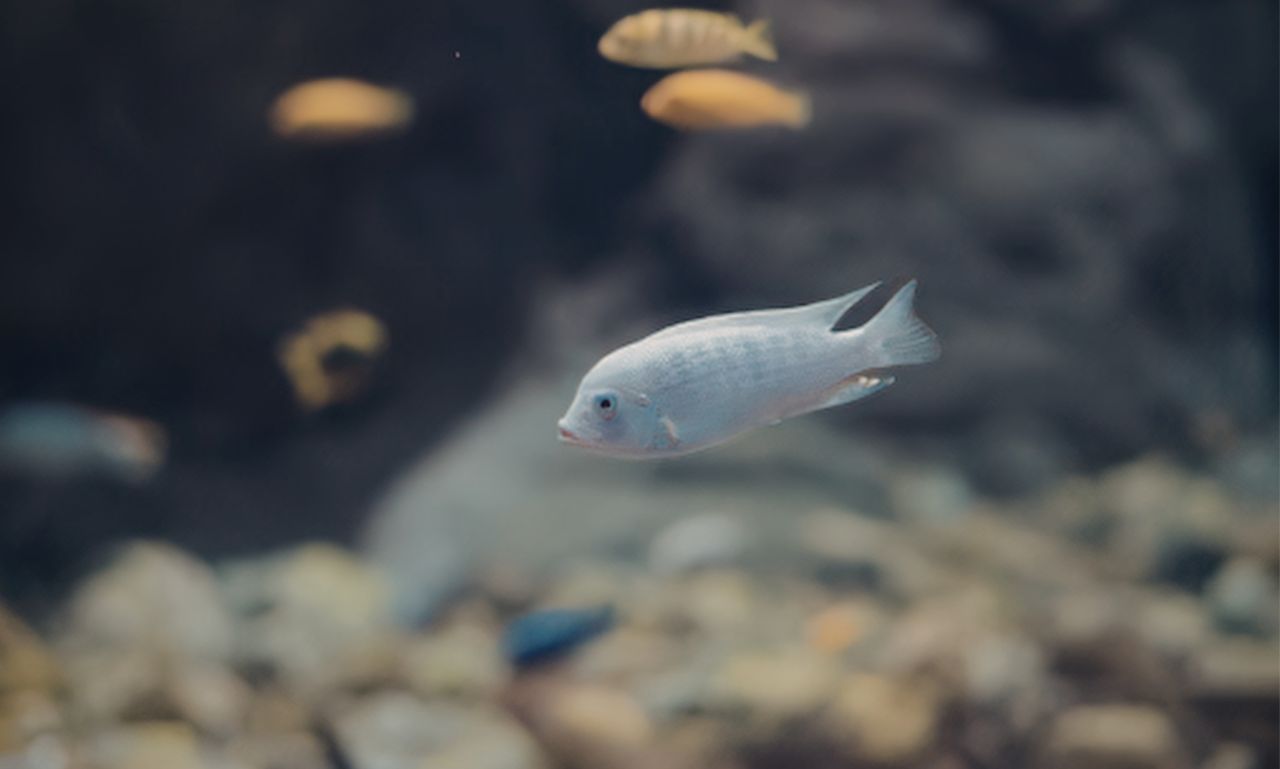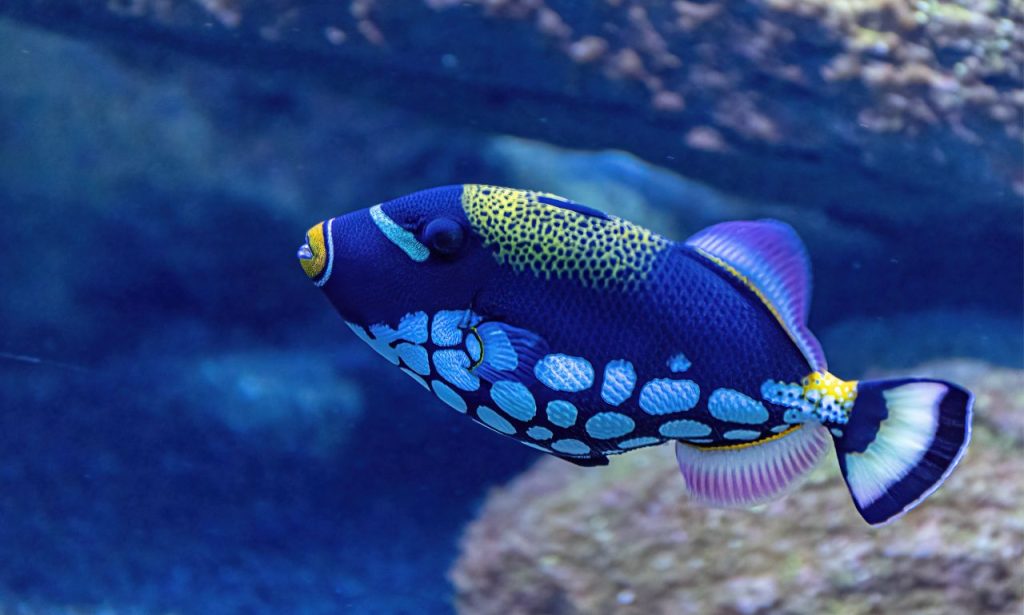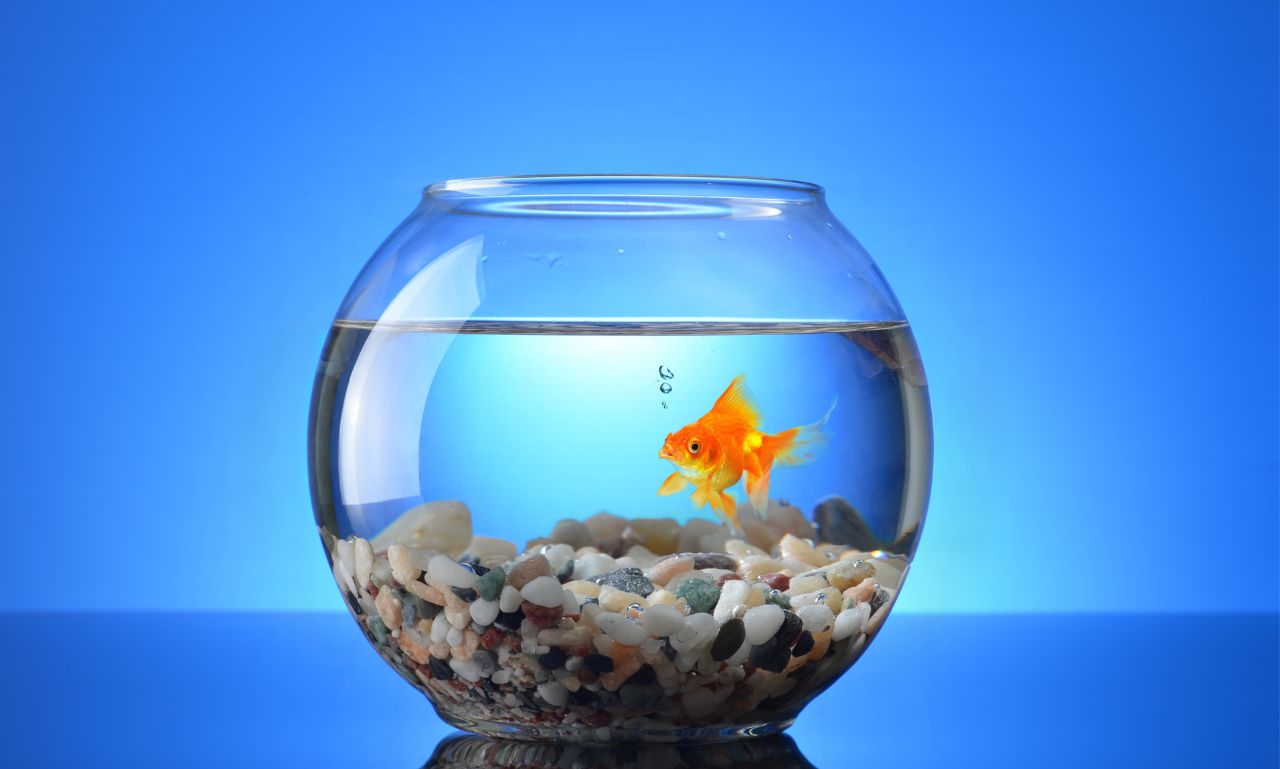
Watching your fish glide through the aquarium is one of the most relaxing parts of fishkeeping. So when they suddenly spend most of their time near the surface, it’s natural to wonder if something is wrong.
Many aquarium owners ask, Why Do Fish Stay at the Top of the Tank? The answer isn’t always simple. Sometimes surface swimming is perfectly normal. In other cases, it can signal low oxygen levels, poor water quality, stress, or even disease.
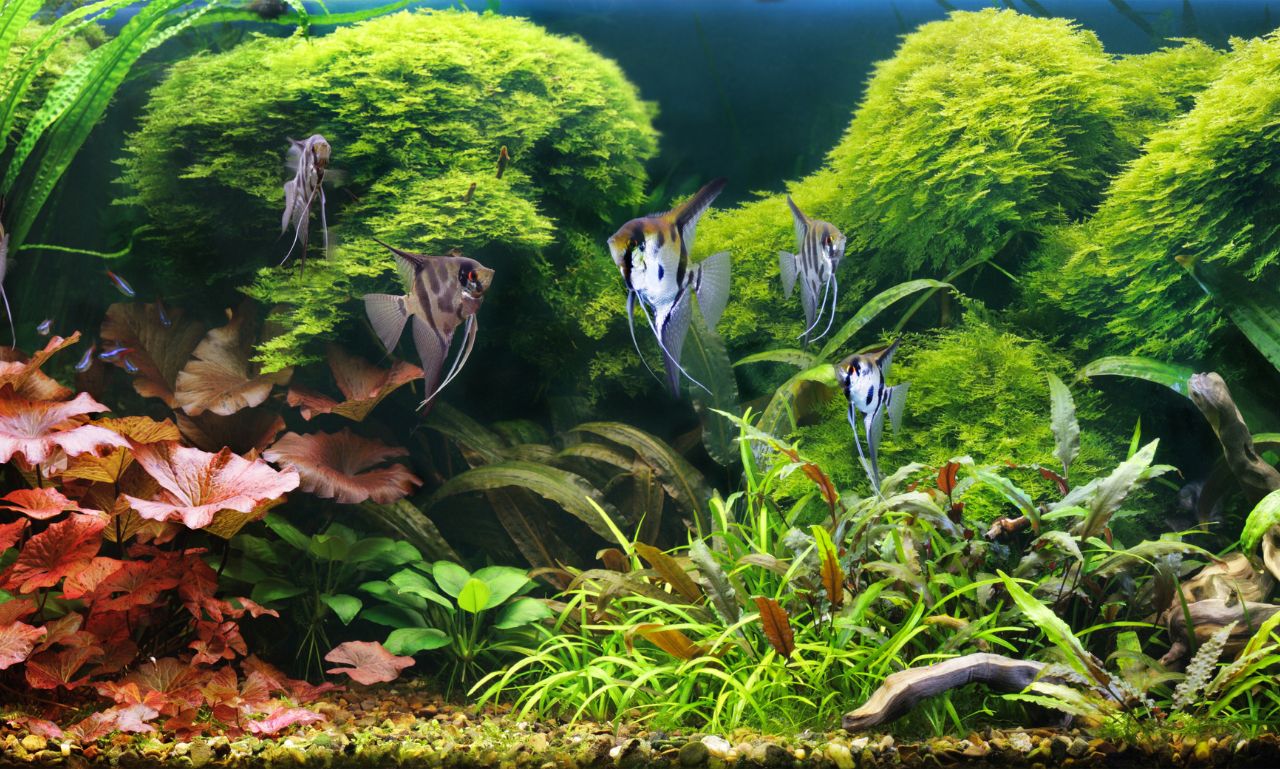
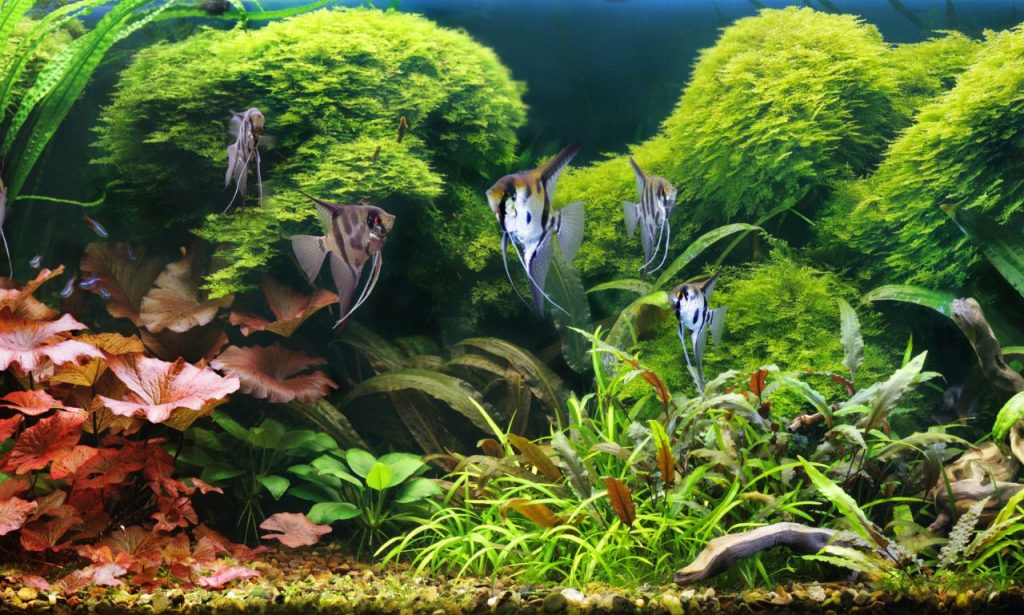
A hobbyist in Florida shared on an aquarium forum that his angelfish began crowding the surface after a summer heatwave. After testing the water, he discovered oxygen levels had dropped due to rising tank temperatures. Once he improved aeration, the fish returned to their normal behavior within days.
Stories like this highlight an important lesson: fish behavior often reveals what’s happening in the aquarium before water tests do.
Let’s explore the most common reasons fish stay near the top and what you can do about it.
Is It Normal for Fish to Swim Near the Surface?
In many situations, yes.
Several fish species naturally spend time in the upper portion of the aquarium. Bettas, hatchetfish, guppies, and some livebearers often prefer surface zones because that’s where they search for food.
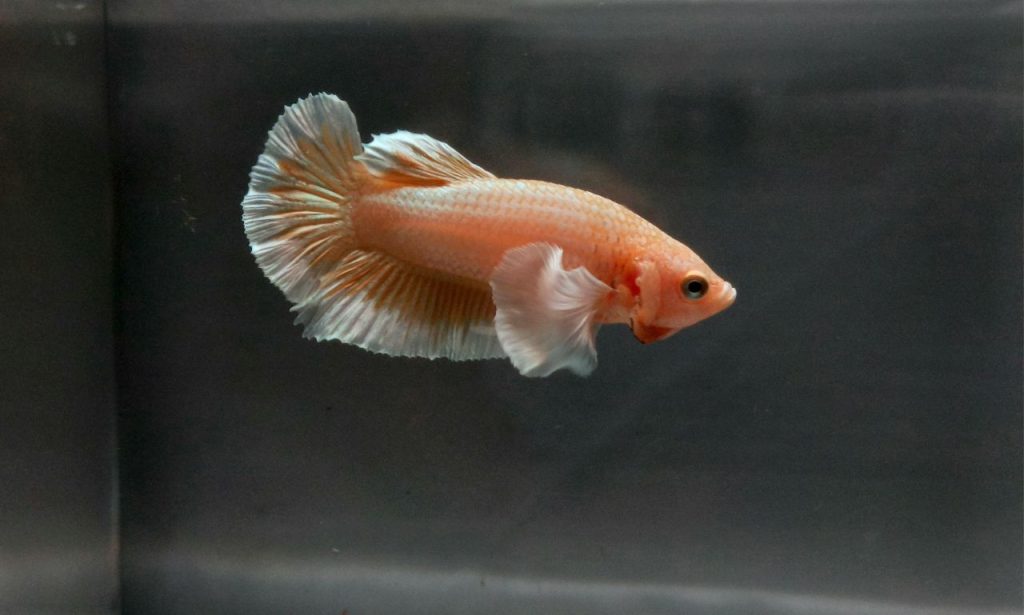
Bettas are a great example. They possess a labyrinth organ that allows them to breathe atmospheric air. As a result, they regularly swim upward to gulp air.
You may also notice fish gathering near the surface during feeding times. This behavior becomes especially common when they associate your presence with food.
However, normal surface swimming differs from fish appearing desperate for air. If fish are gasping, clustering around filter outlets, or remaining at the top all day, the behavior deserves closer attention.
How Fish Behavior Can Reveal Aquarium Problems
Fish cannot tell you when conditions deteriorate. Instead, they communicate through behavior.
Experienced aquarists often notice subtle changes before water tests reveal an issue. A fish that suddenly avoids lower tank areas may be reacting to declining oxygen levels, elevated ammonia, or environmental stress.
Think of fish behavior as an early warning system. Healthy fish typically explore multiple levels of the aquarium throughout the day. When most occupants consistently gather near the surface, they’re often responding to something in the water.
Observing your fish for just a few minutes daily can help you identify developing problems before they become serious.
The Most Common Causes of Fish Staying at the Surface
While several factors can contribute to surface swimming, a few causes appear far more frequently than others.
Low Oxygen Levels and Poor Water Circulation
Low dissolved oxygen is one of the leading reasons fish stay near the top.
Surface water contains the highest concentration of oxygen because it comes into direct contact with the air. When oxygen levels decline throughout the tank, fish instinctively move upward.
Poor water circulation often contributes to the problem. Without sufficient movement, oxygen struggles to reach deeper areas of the aquarium.
Warm water compounds the issue. According to fisheries research, warmer water holds significantly less dissolved oxygen than cooler water. During summer months, aquariums can experience oxygen shortages even when equipment appears to be functioning normally.
You might notice fish hovering near airstones, filter returns, or bubbling decorations. Those areas contain higher oxygen concentrations, making them attractive when oxygen becomes limited elsewhere.
A stronger filter, additional aeration, or improved water movement can often resolve the issue quickly.
Poor Water Quality, Ammonia, and Nitrite Buildup
Water quality plays a massive role in fish health.
Ammonia and nitrite are toxic compounds produced from fish waste, uneaten food, and decomposing organic matter. Even small amounts can irritate fish gills and interfere with breathing.
When gills become damaged, fish struggle to absorb oxygen efficiently. As a result, they often seek surface areas where oxygen concentrations are highest.
New aquarium owners encounter this problem frequently during the cycling process. Before beneficial bacteria establish themselves, ammonia and nitrite can spike rapidly.
Cloudy water, unusual odors, and lethargic fish often accompany poor water conditions.
Regular testing remains one of the best tools for identifying these hidden threats. Many fishkeepers are surprised to discover water quality issues even when the aquarium appears clean.
Other Reasons Fish May Gather at the Top of the Tank
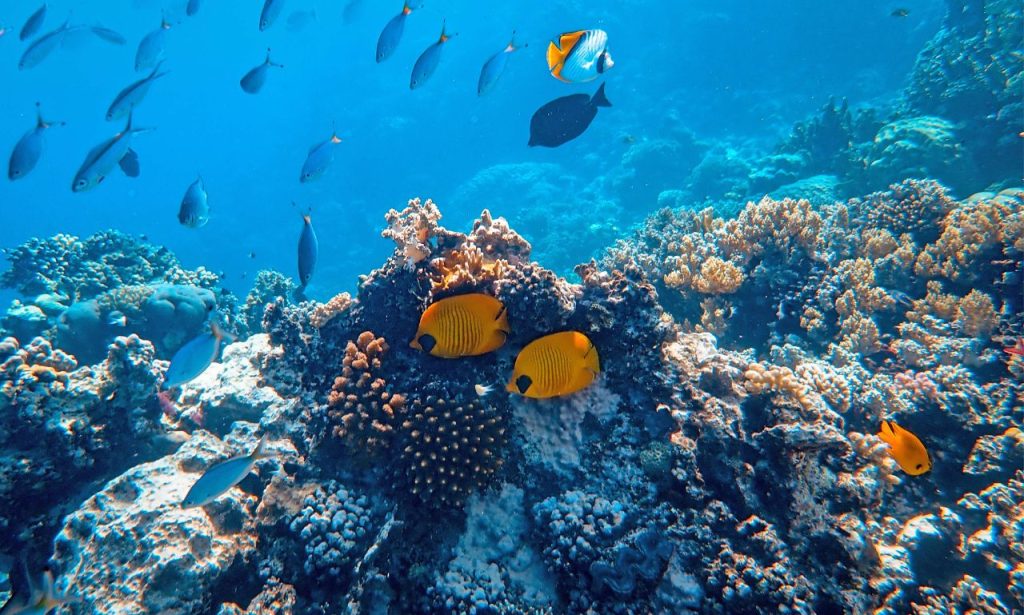
Not every case involves oxygen shortages or toxic water. Several other factors can influence where fish spend their time.
High Water Temperature, Overcrowding, and Stress
Temperature affects nearly every aspect of fish biology.
When water becomes too warm, fish metabolism speeds up. They require more oxygen while simultaneously having less oxygen available. This double challenge often drives fish toward the surface.
Overcrowding creates similar problems. More fish produce more waste, consume more oxygen, and increase competition for resources.
Stress also deserves attention. Aggressive tankmates, sudden environmental changes, loud vibrations, or excessive handling can cause fish to behave differently.
I once spoke with an aquarium store owner who noticed customers frequently reporting surface swimming after rearranging tank decorations. The fish weren’t sick. They were adjusting to a changed environment.
Stress may seem harmless at first, but prolonged stress weakens the immune system and increases disease susceptibility.
Feeding Habits and Surface-Dwelling Fish Species
Not all surface activity signals trouble.
Certain species naturally prefer upper water levels throughout their lives. Hatchetfish, halfbeaks, and some killifish rarely venture far from the surface.
Feeding habits also shape behavior. Fish quickly learn routines and often gather near the top when they anticipate food.
Have you ever approached your tank and watched every fish rush upward instantly? That’s conditioning in action.
The key is distinguishing healthy anticipation from distress. Active, alert fish that swim normally after feeding usually have no underlying issue. Fish that remain at the surface while appearing sluggish or gasping require further investigation.
When Surface Swimming Indicates Illness or Distress
Sometimes surface behavior points toward health problems rather than environmental conditions.
Diseases and Health Conditions That Affect Breathing
Several illnesses interfere with normal respiration.
Gill flukes, bacterial infections, fungal diseases, and parasites can damage delicate gill tissues. Once breathing becomes difficult, fish often seek areas with higher oxygen concentrations.
Ich, one of the most recognized aquarium diseases, may also contribute indirectly by stressing fish and reducing overall health.
Bacterial gill disease deserves particular attention. Infected fish often display rapid gill movement, lethargy, and persistent surface swimming.
Unfortunately, symptoms can resemble water quality issues. This similarity makes careful observation and water testing essential before beginning treatment.
Treating disease without identifying the root cause can sometimes make conditions worse.
Warning Signs That Your Fish Need Immediate Attention
Certain behaviors require prompt action.
Fish gasping continuously at the surface often indicate severe oxygen deprivation or significant gill damage. Rapid breathing, clamped fins, unusual coloration, and loss of appetite can also signal serious problems.
Another concerning sign involves multiple species displaying the same behavior simultaneously. When an entire community tank gathers near the surface, environmental factors are usually involved.
Trust your instincts as a fishkeeper. If something looks unusual, investigate sooner rather than later.
A small problem caught early often requires a simple fix. Waiting too long can turn a manageable issue into a major loss.
How to Fix and Prevent Fish From Staying at the Top of the Tank
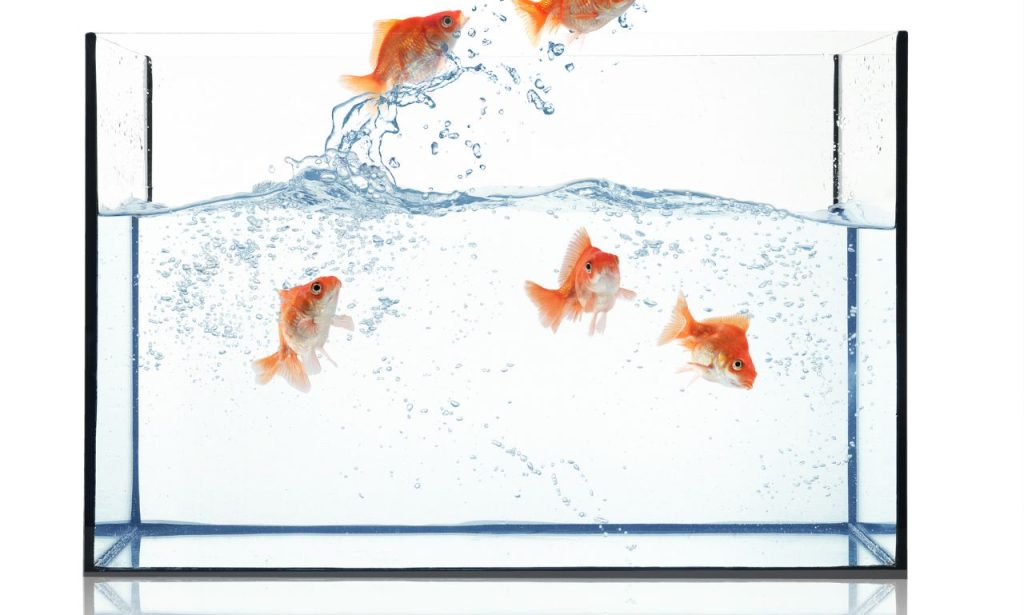
Once you’ve identified the cause, the next step is to create a healthier environment.
Improving Oxygen Levels and Water Conditions
Start with the basics.
Test ammonia, nitrite, nitrate, and temperature levels. These measurements provide valuable information about aquarium health.
Adding an airstone often improves oxygen exchange quickly. Increasing filter flow or adjusting the filter output to disturb the water surface can also help.
Partial water changes remain one of the most effective solutions for improving water quality. Fresh water dilutes toxins and restores healthier conditions.
If temperatures are elevated, consider lowering the aquarium heater setting or improving room ventilation. In extreme cases, aquarium cooling fans may help.
Remember, quick fixes work best when paired with proper diagnosis.
Long-Term Aquarium Maintenance and Prevention Tips
Consistent maintenance prevents most surface swimming issues.
Regular water testing helps identify problems before fish show symptoms. Weekly partial water changes keep waste accumulation under control.
Avoid overfeeding whenever possible. Excess food decomposes, contributing to water quality problems.
Stock the aquarium responsibly. Every tank has limits, and overcrowding often creates avoidable stress.
Pay attention to equipment performance as well. Filters, heaters, and air pumps gradually wear out. Routine inspections help ensure everything continues operating efficiently.
Most importantly, spend time observing your fish. A few minutes each day can reveal changes that no test kit can detect.
Healthy fish are active, curious, and comfortable throughout the aquarium—not just at the surface.
Conclusion
If you’ve been asking, “Why Do Fish Stay at the Top of the Tank?” the answer could range from completely normal behavior to a sign of serious environmental or health issues.
Surface swimming often results from low oxygen levels, poor water quality, elevated temperatures, stress, or disease. Yet some species naturally prefer upper tank areas and may display this behavior without cause for concern.
The difference lies in observation. Watch how your fish behave, monitor water conditions regularly, and respond quickly when something seems off.
Your fish may not speak, but their behavior tells a story. The better you learn to read it, the healthier your aquarium will be.
Also Read: Can Aquarium Fish Recognize Their Owners?
FAQs
Yes, some species naturally prefer upper water levels, especially during feeding times.
Yes. Warm water contains less oxygen, which can encourage fish to seek oxygen-rich surface areas.
Use an airstone, improve water circulation, and maintain proper filtration to boost oxygen levels.
A partial water change is often helpful, especially if poor water quality may be contributing to the problem.
Meta Description: Learn common causes, warning signs, and effective solutions today.