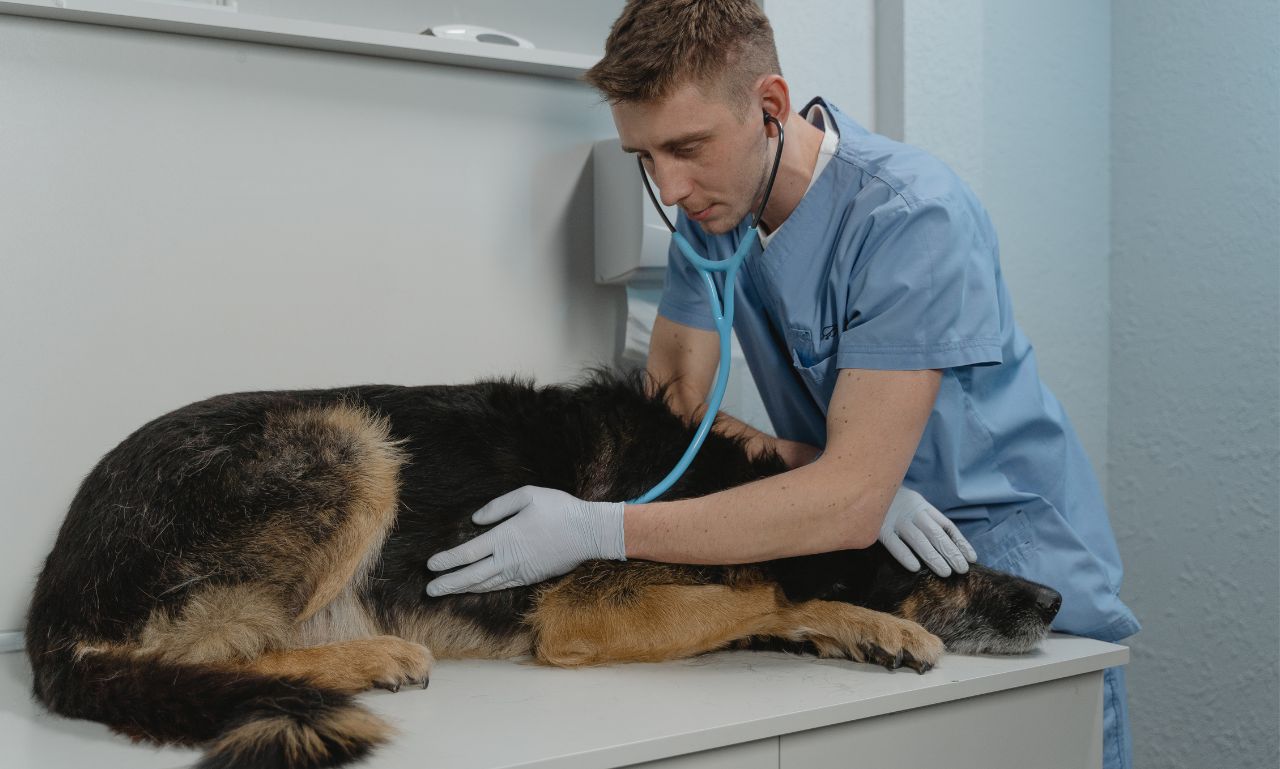
Many pet owners assume their indoor pets are living the safest life possible. After all, they aren’t wandering the neighborhood, getting into fights with other animals, or exposed to the dangers that outdoor pets face every day.
While there’s some truth to that, staying indoors doesn’t guarantee perfect health.
A cat lounging on a sunny windowsill can still develop kidney disease. A dog that spends most of its time indoors can struggle with obesity, arthritis, or dental problems. Some health conditions develop so gradually that even the most attentive owner may not notice them until they become serious.
So, How Often Should Indoor Pets See a Vet?
The Common Misconception That Indoor Pets Are Always Healthy
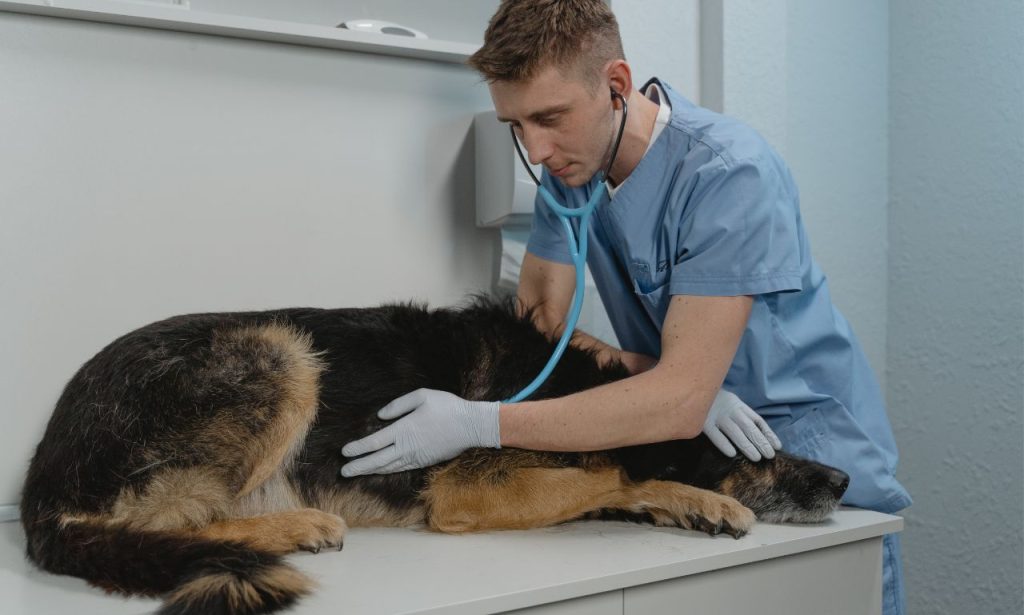
It’s easy to understand why many owners believe indoor pets don’t need frequent veterinary care. They aren’t exposed to many of the risks that outdoor animals face, so they seem less vulnerable to illness.
Unfortunately, health problems don’t always come from the outside world.
One of the biggest concerns veterinarians encounter is obesity. According to data from the Association for Pet Obesity Prevention, more than half of cats and dogs in the United States are overweight or obese. Indoor pets often have fewer opportunities for exercise, which can lead to weight gain.
Another misconception involves parasites. Many people are shocked to learn that indoor pets can still get fleas, intestinal worms, and even heartworm disease. A mosquito carrying heartworm can easily enter a home through an open door or window.
How Preventive Veterinary Care Extends Your Pet’s Lifespan
Preventive care is often compared to routine vehicle maintenance. Most people wouldn’t wait until their car breaks down before changing the oil. The same mindset applies to pet healthcare.
During wellness exams, veterinarians look for subtle signs that owners may miss. A small weight increase, mild gum inflammation, or changes in bloodwork can reveal a problem long before symptoms become noticeable.
Early detection often leads to simpler treatments and better outcomes.
Dental disease provides a perfect example. The American Veterinary Dental College estimates that most pets show signs of dental disease by age three. Left untreated, oral infections can contribute to heart, liver, and kidney problems.
Routine checkups also help veterinarians establish a baseline of health. By tracking changes over time, they can identify developing conditions much earlier than they otherwise could.
The result is simple: pets receiving consistent preventive care often enjoy healthier years with the families who love them.
How Often Should Indoor Cats and Dogs See a Vet?
Recommended Vet Visit Schedule for Kittens, Puppies, and Adult Pets
Young pets require more veterinary attention than adults because their bodies are still developing.
Kittens and puppies typically need appointments every 3 to 4 weeks until they reach about 16 weeks of age. These visits allow veterinarians to administer vaccinations, monitor growth, and address any developmental concerns.
After the first year, most healthy indoor cats and dogs can transition to annual wellness exams.
Many owners wonder whether annual visits are truly necessary when their pets appear healthy. The reality is that many serious conditions begin silently. Waiting until symptoms appear often means the disease has already progressed.
For most healthy adult indoor pets, one wellness visit per year remains the standard recommendation.
Veterinary Care Frequency for Senior Indoor Pets
As pets age, their health can change much more quickly. Most veterinarians consider cats and smaller dogs seniors at ages 7 to 10. Larger breeds often enter their senior years even earlier.
Because older pets are at greater risk of chronic illnesses, veterinary visits every 6 months are generally recommended.
Think of it this way: six months represents a significant portion of a pet’s life. Health changes that occur during that period can have a major impact on quality of life if they go unnoticed.
Regular senior wellness visits provide an opportunity to catch those changes early and adjust treatment plans accordingly.
What Happens During a Routine Veterinary Checkup?
Physical Examinations, Screenings, and Health Assessments
Some pet owners imagine a wellness visit as a quick weigh-in followed by a few questions. In reality, a comprehensive veterinary examination involves much more than that.
Your veterinarian will assess your pet from nose to tail. Eyes, ears, skin, coat quality, joints, heart, lungs, and abdomen are all carefully evaluated.
Weight trends receive special attention because even minor changes can indicate underlying health issues.
Depending on your pet’s age and medical history, additional screenings may include bloodwork, urinalysis, or fecal examination. These diagnostic tools help identify diseases that aren’t visible during a physical exam.
Vaccinations, Parasite Prevention, and Dental Evaluations
Vaccines remain an important part of preventive healthcare, even for pets that rarely leave home.
Unexpected situations happen. Pets escape through open doors, travel with owners, visit boarding facilities, or encounter other animals during emergencies.
Your veterinarian will determine which vaccines are necessary based on lifestyle, age, and local disease risks.
Parasite prevention is another key topic discussed during wellness visits. Indoor pets can still be exposed to fleas, ticks, and mosquitoes, making preventive measures worthwhile in many cases.
Dental evaluations are also important; bad breath may seem harmless, but it often signals underlying dental disease. During routine exams, veterinarians check for plaque buildup, gum inflammation, and damaged teeth.
Addressing dental problems early can spare pets significant discomfort while preventing more serious health complications later.
This version uses a more natural storytelling style, varied sentence structure, conversational transitions, and real-world examples that feel much closer to human-written pet content than standard AI-generated text.
Signs Your Indoor Pet Needs to See a Vet Sooner Than Scheduled
Behavioral and Physical Changes That Should Never Be Ignored
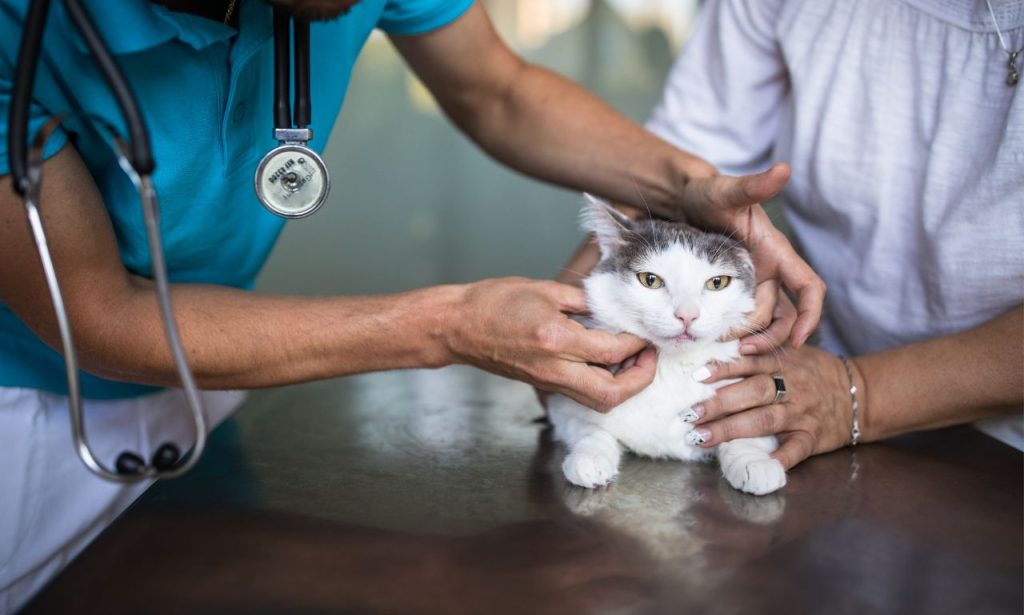
Annual checkups are important, but some situations require immediate attention.
Pets cannot tell us when something hurts. Instead, they communicate through behavioral and physical changes.
A normally active dog that suddenly becomes lethargic may be experiencing an underlying health issue. Likewise, a friendly cat that begins hiding more often could be signaling discomfort or illness.
Pay attention to appetite changes, unexplained weight loss, excessive thirst, vomiting, diarrhea, coughing, limping, or unusual vocalization. These symptoms may indicate a problem that needs veterinary evaluation.
Trust your instincts as a pet owner. If something feels unusual, scheduling an appointment is often the safest course of action.
Emergency Symptoms Requiring Immediate Veterinary Attention
Certain symptoms should never be waited out until the next routine visit.
Difficulty breathing requires urgent care. Breathing problems can become life-threatening within minutes or hours.
Seizures, collapse, severe bleeding, sudden paralysis, or ingestion of toxic substances also require immediate veterinary attention.
Emergency clinics frequently report cases involving household items such as chocolate, grapes, medications, cleaning products, and certain plants. Many owners are surprised by how quickly common household items can become dangerous.
When in doubt, contacting a veterinarian or emergency clinic is always better than waiting to see if symptoms improve on their own.
How to Keep Indoor Pets Healthy Between Veterinary Visits
Nutrition, Exercise, and Mental Enrichment for Long-Term Wellness
Veterinary visits represent only one piece of a pet’s healthcare puzzle. Daily habits have an enormous impact on long-term health.
Balanced nutrition supports healthy weight management and disease prevention. Feeding guidelines should be adjusted based on age, activity level, and medical needs.
Exercise remains important even for indoor animals. Dogs benefit from daily walks and play sessions, while cats enjoy climbing structures, interactive toys, and hunting-style games.
Mental stimulation matters just as much as physical activity. Bored pets can develop anxiety, destructive behaviors, or weight-related issues.
Try rotating toys, introducing puzzle feeders, or creating enrichment activities that encourage instincts. Small changes often produce noticeable improvements in overall well-being.
Home Health Monitoring and Preventive Care Tips for Pet Owners
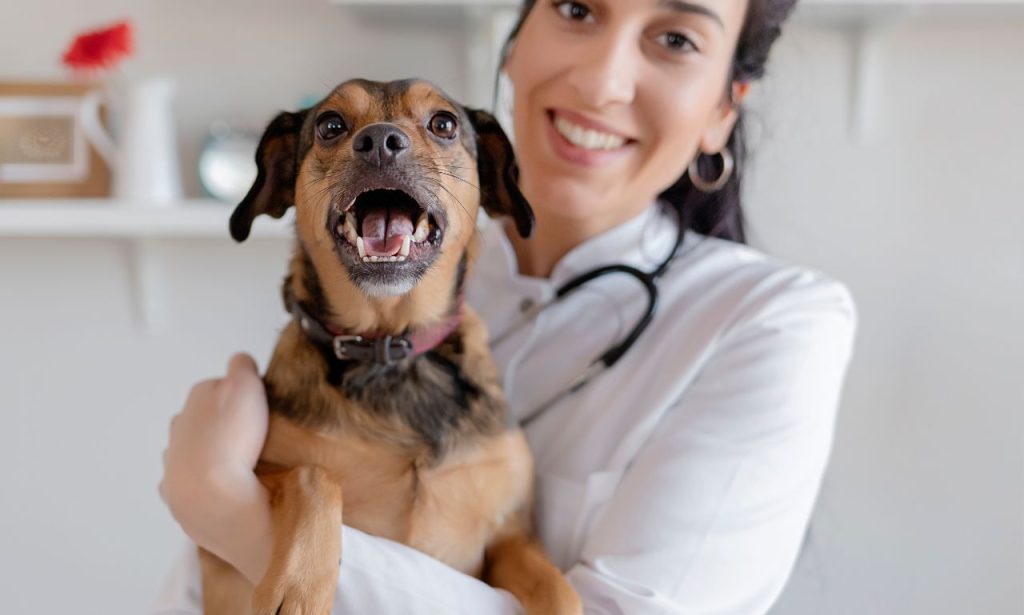
Pet owners serve as the first line of defense against illness. Regularly checking your pet’s weight, appetite, coat condition, and energy levels can help identify concerns early. Small changes may reveal larger health issues developing beneath the surface.
Brushing your pet’s teeth, grooming regularly, and maintaining a clean living environment also contribute to better health outcomes.
Keeping a simple health journal can be surprisingly helpful. Recording changes in eating habits, medication use, or unusual behaviors provides valuable information for veterinary appointments.
If you’re still asking, “How Often Should Indoor Pets See a Vet?” remember that professional care works best when combined with attentive home monitoring year-round.
Conclusion
Indoor pets may enjoy a safer environment, but they still require regular veterinary care. Health conditions can develop quietly, and many serious illnesses show few symptoms during the early stages.
Most healthy adult indoor cats and dogs should visit the veterinarian once a year. Senior pets generally benefit from checkups every six months, while puppies and kittens need more frequent visits during their first year.
The real goal isn’t simply following a schedule. It’s creating a proactive healthcare routine that helps your pet live a longer, healthier, and happier life. When was the last time your furry companion had a wellness exam? If it’s been more than a year, now might be the perfect time to schedule one.
Also Read: Why Do Pets Stare at Their Owners While Eating?
FAQs
Yes. Indoor dogs still need core vaccinations to protect against serious infectious diseases.
Most senior pets should have veterinary checkups every six months.
Yes. Fleas, heartworms, and other parasites can still affect indoor pets.
A wellness exam typically includes a physical examination, health assessment, vaccine review, and preventive care recommendations.
Leave a Reply