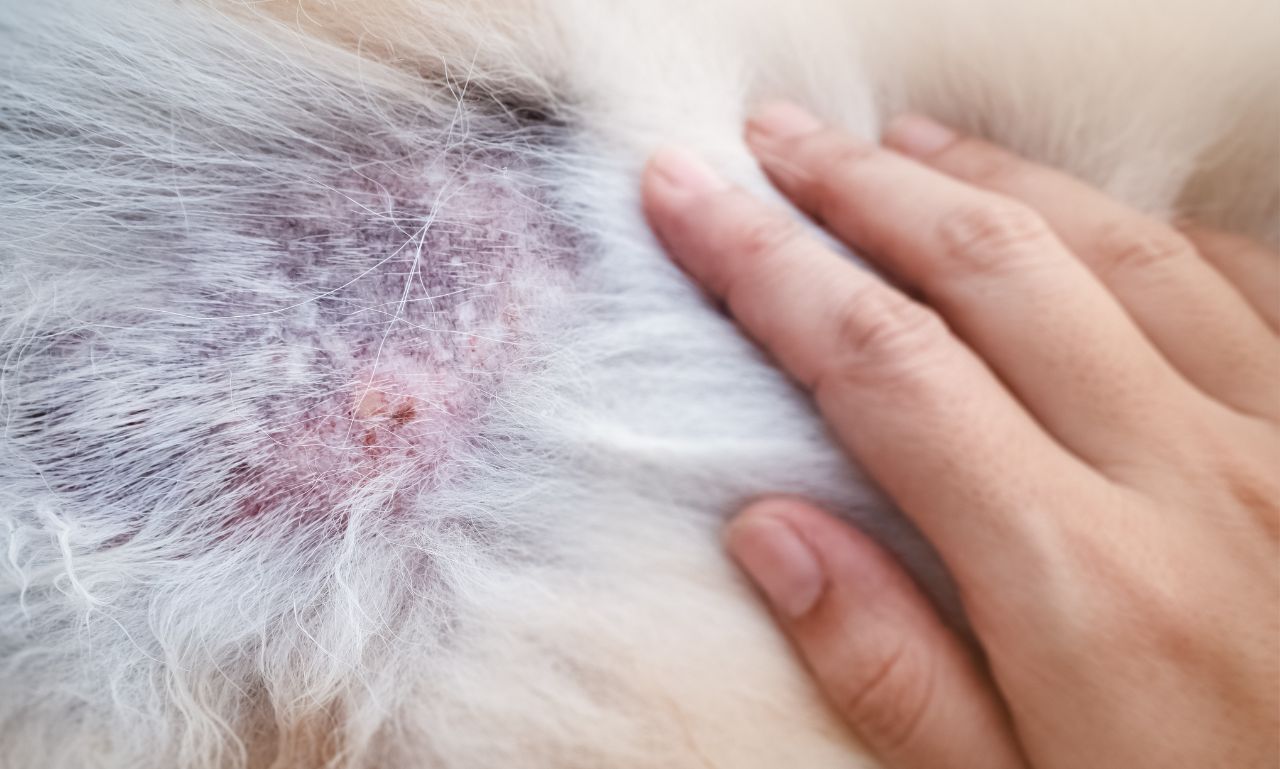
If you’re a pet owner, you’ve probably seen it countless times. Your cat curls up in a sunny spot and spends the next twenty minutes grooming. Your dog pauses during playtime to lick a paw or scratch behind an ear.
Can Over-Grooming Damage Pet Skin? Absolutely. Excessive licking, scratching, and chewing can break down the skin’s natural defenses, leading to irritation, infections, hair loss, and even chronic skin conditions. The good news is that once you understand what’s driving the behavior, you can take steps to protect your pet and restore their comfort.
Let’s take a closer look at why over-grooming happens, what it can do to your pet’s skin, and when it’s time to seek help.
What Is Over-Grooming in Pets and Why Does It Happen?
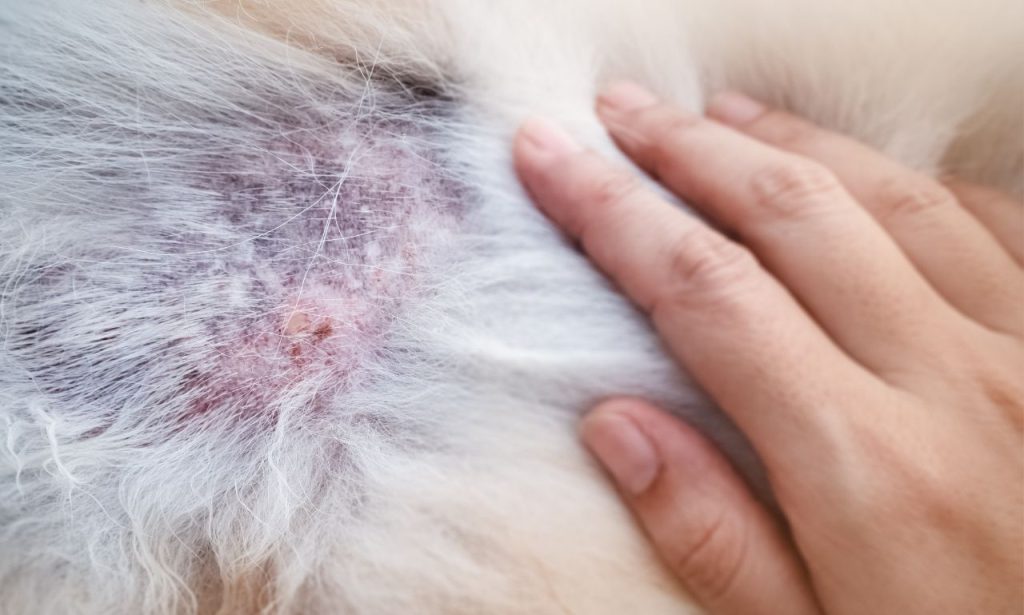
Grooming is a normal part of life for both dogs and cats. Cats, in particular, are famous for their meticulous cleaning routines. Dogs may not groom themselves as often, but they still lick, scratch, and nibble at their fur from time to time.
Problems begin when grooming becomes excessive or repetitive.
Over-grooming occurs when a pet spends an abnormal amount of time licking, scratching, biting, or chewing parts of their body. In many cases, it’s not the grooming itself that’s the issue. Instead, it’s a symptom of an underlying problem that needs attention.
How Normal Grooming Differs from Excessive Grooming
Healthy grooming is balanced. A cat may clean itself after eating or waking from a nap. A dog might lick its paws briefly after coming inside from a walk.
Once the task is done, the behavior stops.
Excessive grooming looks very different. The pet becomes fixated on specific areas and repeatedly returns to them throughout the day. Some pets groom so intensely that they interrupt sleep, avoid play, or lose interest in other activities.
Veterinarians often describe it as a cycle. An itch leads to licking. Licking irritates the skin further. The irritation creates more discomfort, causing even more licking.
Before long, a minor issue turns into a major skin problem.
Common Causes of Over-Grooming in Dogs and Cats
There’s rarely a single explanation for excessive grooming. Several physical and emotional factors can trigger the behavior.
Allergies are among the most common causes. Pets can react to pollen, dust mites, grass, mold, or certain ingredients in their food. The resulting itchiness often leads to constant scratching and licking.
Fleas also play a significant role. Interestingly, pets don’t need a severe flea infestation to experience problems. Veterinary dermatologists frequently report cases in which a single flea bite triggers intense itching in sensitive animals.
Pain can be another hidden culprit. Dogs with arthritis sometimes lick aching joints repeatedly. Cats experiencing discomfort may focus on a specific area of their body.
Behavioral issues deserve attention as well. Anxiety, stress, loneliness, and boredom can all encourage repetitive grooming behaviors. Much like humans bite their nails during stressful situations, pets may groom themselves excessively when they’re feeling unsettled.
Can Over-Grooming Damage Pet Skin?
Many owners assume grooming is harmless because it’s a natural behavior. Unfortunately, excessive grooming can have serious consequences for skin health.
The skin serves as a protective barrier against bacteria, fungi, and environmental irritants. Constant licking and scratching weaken that barrier, making the skin vulnerable to injury and infection.
How Excessive Licking, Scratching, and Chewing Affect the Skin
A dog’s tongue might seem gentle, but repeated licking acts more like sandpaper than most people realize. Over time, the rough texture wears away the outer layer of skin.
Scratching creates another problem. Sharp nails can leave tiny cuts and abrasions that allow bacteria to enter.
Chewing is often the most damaging behavior of all. Some pets bite irritated areas so aggressively that open wounds develop. Once the skin breaks, healing becomes much more difficult.
Many veterinarians see pets with painful hot spots, also known as acute moist dermatitis. These inflamed patches can appear surprisingly fast and often worsen within hours if the licking continues.
Skin Conditions and Complications Caused by Over-Grooming
The effects of over-grooming extend far beyond temporary irritation.
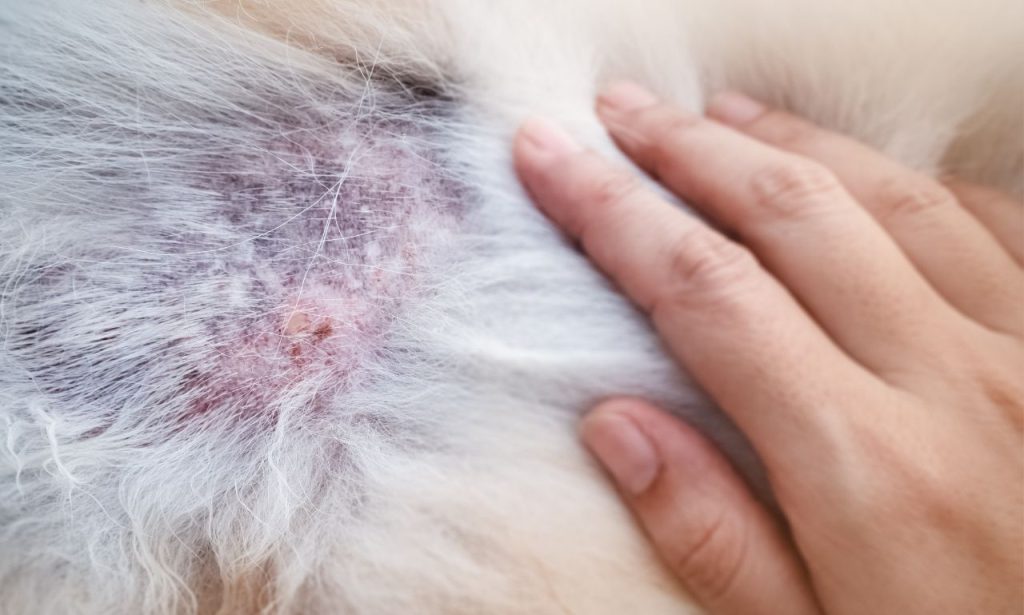
Hair loss is one of the first signs owners notice. Bald patches commonly appear on the legs, belly, tail, or sides of the body.
As the skin becomes damaged, bacterial infections may develop. Warm, moist areas created by constant licking provide ideal conditions for bacteria to multiply.
Yeast infections are another common complication. They often produce redness, itching, and an unpleasant odor that encourages even more grooming.
In severe cases, chronic inflammation can cause skin thickening, discoloration, and scarring. Some pets end up requiring long-term dermatological care simply because an early grooming problem went untreated.
Signs Your Pet’s Grooming Habits Have Become a Problem
One of the biggest challenges for pet owners is knowing when normal grooming becomes excessive.
Because the behavior often develops gradually, warning signs can be easy to miss.
Physical Symptoms of Over-Grooming and Skin Damage
Hair loss is usually the first clue. If you notice thinning fur or bald spots, it’s worth paying closer attention to your pet’s grooming habits.
Redness and inflammation frequently follow. The affected skin may appear irritated, swollen, or unusually sensitive.
Some pets develop sores, scabs, or crusty patches. Others show saliva staining around areas they frequently lick. In dogs with light-colored fur, these stains often appear reddish-brown.
An unusual smell can signal infection. Healthy skin shouldn’t produce a strong odor, so any noticeable change deserves attention.
Behavioral Changes That May Indicate Stress or Discomfort
Physical symptoms tell only part of the story.
Behavioral changes often provide important clues about what’s happening beneath the surface.
A pet dealing with discomfort may become withdrawn or unusually clingy. Some animals grow restless and struggle to relax. Others appear irritable when touched near sensitive areas.
Pay attention to patterns. Does your dog groom excessively when left alone? Does your cat start licking more after household changes?
Small observations like these can reveal whether emotional stress is contributing to the problem.
How to Treat and Prevent Skin Damage from Over-Grooming
The most effective treatment starts with identifying the root cause. Trying to stop the grooming without addressing the underlying issue rarely produces lasting results.
Fortunately, there are several ways to help.
Veterinary Treatments for Over-Grooming-Related Skin Issues
A veterinary examination is often the first step. Depending on your pet’s symptoms, the veterinarian may recommend allergy testing, skin scrapings, blood work, or other diagnostic procedures.
If infections are present, antibiotics or antifungal medications may be necessary. Anti-inflammatory treatments can help reduce itching and break the cycle of irritation.
Pets with allergies may benefit from prescription diets, allergy medications, or immunotherapy treatments.
Behavioral causes sometimes require a different approach. In certain cases, veterinarians work alongside animal behaviorists to develop stress-reduction plans that address compulsive grooming habits.
Many pets show significant improvement once the underlying issue is properly treated.
Home Care Strategies to Protect Your Pet’s Skin and Coat
Home care can make a tremendous difference.
Keeping your pet on a consistent flea prevention program is one of the simplest ways to avoid skin irritation. Even indoor pets benefit from regular protection.
Mental stimulation matters too. Interactive toys, puzzle feeders, and daily exercise can help reduce boredom-driven grooming.
Routine grooming sessions can also support skin health. Brushing removes loose fur and allows you to spot potential issues before they become serious.
Most importantly, stay observant. Catching a problem early often prevents weeks or months of discomfort later.
Related Health Issues That Can Trigger Excessive Grooming
Over-grooming is often a symptom rather than the actual problem.
Looking beyond the behavior itself is essential for finding long-term solutions.
Allergies, Parasites, and Underlying Medical Conditions
Allergies remain one of the leading causes of excessive grooming in pets. Environmental triggers, food sensitivities, and flea allergies can all create persistent itching.
Parasites such as fleas, mites, and ticks frequently cause intense irritation, leading to repeated scratching and licking.
Medical conditions can contribute as well. Arthritis, hormonal disorders, skin infections, and chronic pain often encourage excessive grooming as pets attempt to soothe discomfort.
This is why veterinary evaluation is so important. Treating the root cause usually yields better results than focusing solely on grooming behavior.
Anxiety, Boredom, and Other Behavioral Causes of Over-Grooming
Not every grooming issue starts with a physical problem.
Many animal behavior experts compare compulsive grooming to stress-related habits in humans. Some people tap their fingers. Others chew pencils or bite their nails—pets often groom.
A cat living in a chaotic environment may use grooming as a coping mechanism. Dogs left alone for extended periods sometimes develop repetitive licking behaviors out of boredom.
Major life changes can also trigger the problem. Moving homes, welcoming a new baby, or introducing another pet may increase stress levels.
Creating a predictable routine, providing enrichment activities, and spending quality time with your pet can often help reduce anxiety-related grooming.
Conclusion
Can Over-Grooming Damage Pet Skin? Without question.
While grooming is a natural and healthy part of a pet’s routine, excessive licking, scratching, and chewing can quickly lead to skin irritation, infections, hair loss, and long-term discomfort.
The encouraging news is that over-grooming rarely happens without a reason. Whether the cause is allergies, parasites, pain, stress, or boredom, identifying the trigger allows you to take meaningful action.
If your pet seems obsessed with grooming, don’t assume they’ll grow out of it. A little extra attention today could prevent a much bigger health issue tomorrow. After all, our pets can’t tell us when something feels wrong. Sometimes their behavior is the message.
Also Read: Why Does My Dog Smell Bad After a Bath?
FAQs
Cats often over-groom because of allergies, stress, parasites, pain, or skin irritation. A veterinary examination can help identify the cause.
Yes. Anxiety and stress are common behavioral triggers, especially in cats and dogs experiencing major changes in their environment.
Frequent licking of the same area, hair loss, redness, or interrupted daily activities are common signs that grooming has become excessive.
Seek veterinary advice if you notice bald patches, sores, redness, swelling, infection, or grooming that continues despite your efforts to stop it.
Leave a Reply