Author: Soren Whitlock

  • Why Does My Dog Smell Bad After a Bath?

    Why Does My Dog Smell Bad After a Bath?

    You finally bathe your dog, expecting that fresh, clean scent to last for days. Instead, a few hours later, your furry friend smells just as bad—or even worse—than before. If you’ve ever found yourself asking, “Why Does My Dog Smell Bad After a Bath?“, you’re not alone.

    Many dog owners face this frustrating problem. In fact, veterinarians and professional groomers hear this complaint regularly. While some odor after a bath is completely normal, persistent odors can indicate grooming mistakes, skin conditions, infections, or other underlying issues.

    The good news is that once you understand what’s causing the odor, finding the right solution becomes much easier. Let’s explore the most common reasons your dog may still smell unpleasant after bath time.

    The Difference Between Normal Wet Dog Smell and Persistent Odor

    Most dogs develop a temporary smell when their coat gets wet. This familiar “wet dog smell” occurs because moisture releases compounds produced by bacteria and yeast naturally living on the skin.

    As the coat dries, the smell usually fades. Labrador Retrievers, Golden Retrievers, and other breeds with dense coats often experience this more noticeably because their fur traps moisture longer.

    Persistent odor is different. If your dog continues to smell bad after drying completely, there may be an underlying issue. A strong, musty, sour, fishy, or rotten smell often signals more than just normal wet fur.

    Think of it this way. A damp towel might smell slightly musty until it dries. But if it smells foul every day, washing alone won’t solve the problem. The same principle applies to dogs.

    Why Bathing Alone Doesn’t Always Remove the Source of the Smell

    Why Does My Dog Smell Bad After a Bath?

    Many owners assume odor comes from dirt. In reality, dirt is only one piece of the puzzle.

    A bath can remove surface debris, but it won’t eliminate infections, allergies, dental disease, or impacted anal glands. If those conditions are present, the smell often returns shortly after grooming.

    Professional groomers frequently report that dogs arrive freshly bathed yet still carry strong odors from ear infections or skin issues. Shampoo may temporarily mask the smell, but the underlying cause remains untouched.

    When bad odor keeps returning despite regular bathing, it’s usually a sign to look beyond grooming practices.

    Common Health Problems That Cause Bad Odors in Dogs

    Sometimes an unpleasant smell is your dog’s way of signaling that something isn’t right.

    Skin Infections, Yeast Overgrowth, and Allergies

    Skin infections are among the leading causes of chronic odor in dogs.

    Bacterial infections often produce a strong, unpleasant smell that owners describe as sour or rancid. Yeast infections create a musty scent that many compare to corn chips, moldy bread, or stale popcorn.

    Dogs suffering from allergies are especially vulnerable. Constant scratching damages the skin barrier, creating an ideal environment for bacteria and yeast to multiply.

    Veterinarians have reported an increase in allergy-related skin infections in recent years. Environmental allergens such as pollen, grass, and dust mites are common triggers.

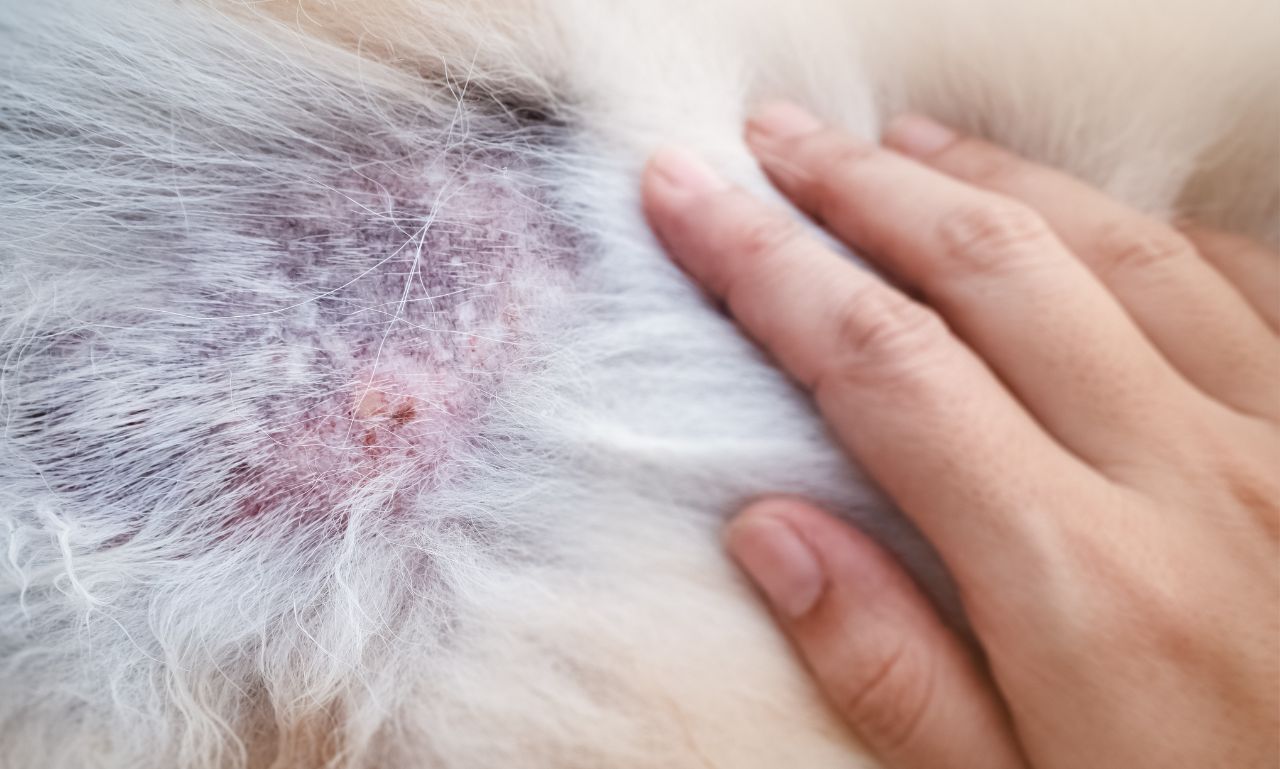
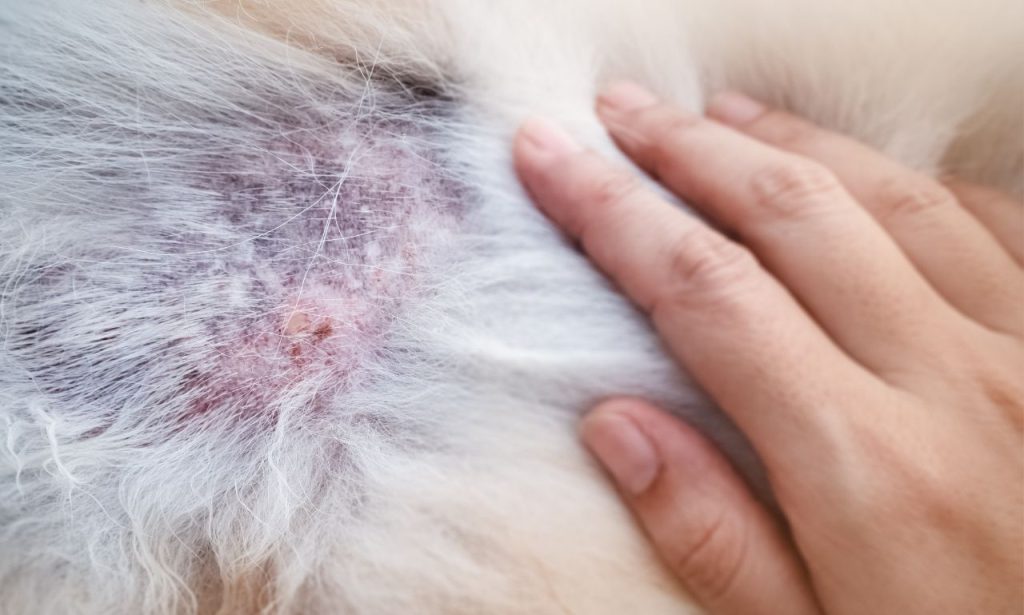
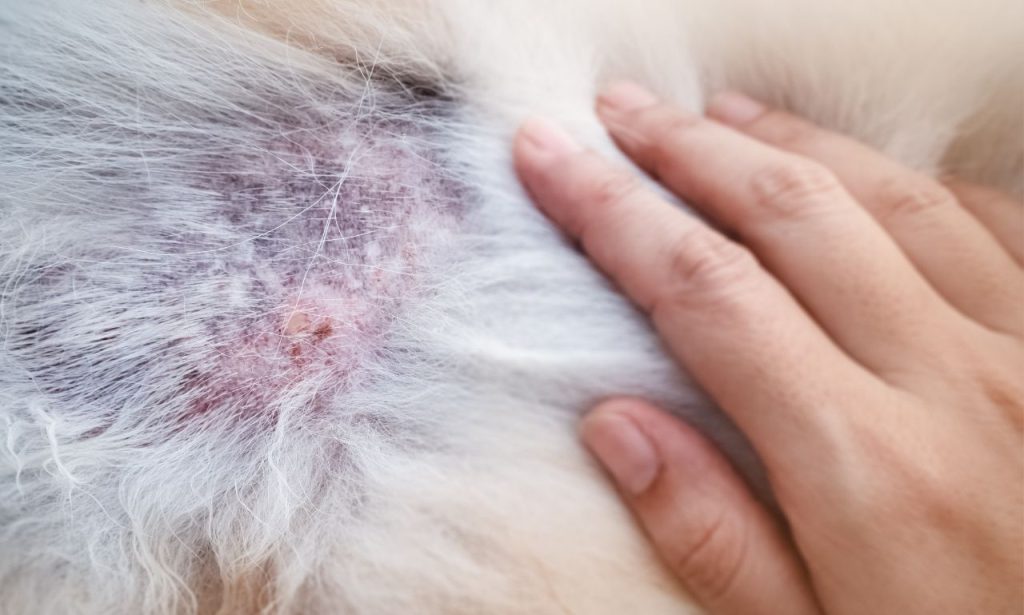
    Look for symptoms including redness, excessive licking, flaky skin, hair loss, or greasy patches. If these signs accompany the odor, medical treatment may be necessary.

    Ear Infections, Dental Disease, and Anal Gland Issues

    Not every odor originates from the coat.

    Ear infections often produce a strong odor resembling yeast or spoiled food. Dogs with floppy ears, such as Cocker Spaniels and Basset Hounds, face a higher risk because moisture can become trapped in the ear canal.

    Dental disease is another overlooked culprit. Plaque buildup and infected gums can cause severe bad breath that worsens whenever your dog pants.

    Then there are anal glands. These small sacs near the rectum release a fishy-smelling fluid. When they become impacted or infected, the odor can become overwhelming.

    If you’ve noticed a fishy smell after a bath, anal glands may be responsible rather than the coat itself.

    Grooming Mistakes That Can Make Your Dog Smell Worse

    Why Does My Dog Smell Bad After a Bath?

    Sometimes the issue isn’t your dog. It’s the bathing routine.

    Using the Wrong Shampoo or Bathing Too Frequently

    Not all shampoos are created equal.

    Products formulated for humans can disrupt your dog’s natural skin balance. Human shampoos often alter skin pH levels, leading to irritation and increased bacterial growth.

    Bathing too frequently can also backfire. Many owners believe more baths equal less odor. Unfortunately, excessive washing strips away protective oils.

    When those oils disappear, the skin may respond by producing even more oil. This creates a greasy coat that traps odor-causing microbes.

    Veterinarians generally recommend bathing schedules based on breed, coat type, and activity level rather than following a strict calendar.

    Inadequate Rinsing and Improper Drying After a Bath

    One of the most common grooming mistakes involves incomplete rinsing.

    Shampoo residue left on the skin can cause irritation, itching, and odor. Even premium grooming products can create problems if they aren’t thoroughly washed away.

    Drying matters just as much.

    Dogs with thick coats often retain moisture close to the skin long after appearing dry on the surface. Warm, damp conditions create the perfect environment for yeast and bacteria to flourish.

    Professional groomers spend significant time ensuring dogs are completely dry after bathing. At home, many owners unknowingly stop drying too soon.

    Next time you bathe your dog, run your fingers deep into the coat several hours later. You may be surprised by how much moisture remains.

    How to Identify the Source of Your Dog’s Bad Smell

    Pinpointing the source of the odor can save both time and frustration.

    Signs the Odor Is Coming From the Skin, Ears, Mouth, or Rear End

    Start by observing where the smell seems strongest.

    A musty or greasy odor throughout the body often indicates skin problems. Strong odors concentrated around the ears may indicate infection.

    Bad breath that persists after eating usually suggests dental disease. Fishy odors near the rear end often involve anal glands.

    Try performing a gentle inspection during grooming sessions. Check for redness, discharge, swelling, or unusual skin texture.

    Many veterinarians compare this process to detective work. Small clues often reveal the true source of the problem.

    When a Bad Smell Indicates an Underlying Medical Condition

    Occasional odor isn’t always cause for concern.

    Persistent smells accompanied by itching, hair loss, redness, discharge, weight changes, or behavioral shifts deserve attention. These symptoms may indicate infections, endocrine disorders, or chronic allergies.

    In some cases, systemic illnesses affect body odor. Diabetes, kidney disease, and hormonal imbalances can sometimes alter how a dog smells.

    A good rule of thumb is simple. If the odor persists despite proper grooming and appears to worsen over time, schedule a veterinary evaluation.

    How to Keep Your Dog Smelling Fresh Between Baths

    Why Does My Dog Smell Bad After a Bath?

    Fresh-smelling dogs aren’t always the ones bathed most often. Consistent care usually makes the biggest difference.

    Effective Grooming, Diet, and Coat Care Tips

    Regular brushing removes dirt, loose hair, and odor-trapping debris before they accumulate.

    Nutrition also plays a surprisingly important role. High-quality diets support skin health and help maintain a healthy coat barrier. Many veterinarians notice improvements in skin condition after dietary adjustments.

    Clean bedding regularly as well. A freshly bathed dog returning to a dirty bed can quickly pick up unwanted smells again.

    Routine ear cleaning and dental care further reduce odor sources. Small maintenance habits often prevent larger problems from developing.

    Here’s a question worth considering: When was the last time you cleaned your dog’s favorite blanket? Sometimes the smell isn’t coming entirely from your dog.

    When to See a Veterinarian for Persistent Dog Odor

    Some odors won’t disappear without professional help.

    If you’ve improved grooming practices, adjusted bathing routines, and addressed environmental factors but the smell remains, it’s time to consult your veterinarian.

    Early treatment often prevents minor issues from becoming major health concerns. Skin infections, ear problems, and allergies typically respond better when caught early.

    Trust your instincts as a pet owner. You know your dog’s normal scent better than anyone else.

    When something smells off for an extended period, there’s usually a reason.

    Conclusion

    If you’ve been wondering, “Why Does My Dog Smell Bad After a Bath?”, the answer often goes beyond dirt and hygiene. While temporary wet-dog odor is normal, persistent odors can signal skin infections, yeast overgrowth, allergies, dental disease, ear infections, or anal gland issues.

    Bathing is only one part of keeping your dog healthy and fresh. Proper grooming, complete drying, quality nutrition, and routine veterinary care all play important roles.

    The next time your freshly bathed dog starts smelling unpleasant again, don’t just reach for another bottle of shampoo. Take a closer look. The odor may be revealing something important about your dog’s health.

    Also Read: Can Over-Grooming Damage Pet Skin?

    FAQs

    1. Is wet dog smell normal?

    Yes. Most dogs develop a temporary odor when wet, but it should fade once the coat dries completely.

    2. Can allergies make my dog smell bad?

    Yes. Allergies often lead to skin inflammation, which can encourage bacterial and yeast growth.

    3. How often should I bathe my dog?

    It depends on breed, coat type, and lifestyle. Many dogs do well with baths every four to eight weeks.

    4. When should I worry about my dog’s odor?

    Seek veterinary advice if the smell persists after bathing or is accompanied by itching, redness, discharge, or hair loss.

  • Can Over-Grooming Damage Pet Skin?

    Can Over-Grooming Damage Pet Skin?

    If you’re a pet owner, you’ve probably seen it countless times. Your cat curls up in a sunny spot and spends the next twenty minutes grooming. Your dog pauses during playtime to lick a paw or scratch behind an ear.

    Can Over-Grooming Damage Pet Skin? Absolutely. Excessive licking, scratching, and chewing can break down the skin’s natural defenses, leading to irritation, infections, hair loss, and even chronic skin conditions. The good news is that once you understand what’s driving the behavior, you can take steps to protect your pet and restore their comfort.

    Let’s take a closer look at why over-grooming happens, what it can do to your pet’s skin, and when it’s time to seek help.

    What Is Over-Grooming in Pets and Why Does It Happen?

    Can Over-Grooming Damage Pet Skin?

    Grooming is a normal part of life for both dogs and cats. Cats, in particular, are famous for their meticulous cleaning routines. Dogs may not groom themselves as often, but they still lick, scratch, and nibble at their fur from time to time.

    Problems begin when grooming becomes excessive or repetitive.

    Over-grooming occurs when a pet spends an abnormal amount of time licking, scratching, biting, or chewing parts of their body. In many cases, it’s not the grooming itself that’s the issue. Instead, it’s a symptom of an underlying problem that needs attention.

    How Normal Grooming Differs from Excessive Grooming

    Healthy grooming is balanced. A cat may clean itself after eating or waking from a nap. A dog might lick its paws briefly after coming inside from a walk.

    Once the task is done, the behavior stops.

    Excessive grooming looks very different. The pet becomes fixated on specific areas and repeatedly returns to them throughout the day. Some pets groom so intensely that they interrupt sleep, avoid play, or lose interest in other activities.

    Veterinarians often describe it as a cycle. An itch leads to licking. Licking irritates the skin further. The irritation creates more discomfort, causing even more licking.

    Before long, a minor issue turns into a major skin problem.

    Common Causes of Over-Grooming in Dogs and Cats

    There’s rarely a single explanation for excessive grooming. Several physical and emotional factors can trigger the behavior.

    Allergies are among the most common causes. Pets can react to pollen, dust mites, grass, mold, or certain ingredients in their food. The resulting itchiness often leads to constant scratching and licking.

    Fleas also play a significant role. Interestingly, pets don’t need a severe flea infestation to experience problems. Veterinary dermatologists frequently report cases in which a single flea bite triggers intense itching in sensitive animals.

    Pain can be another hidden culprit. Dogs with arthritis sometimes lick aching joints repeatedly. Cats experiencing discomfort may focus on a specific area of their body.

    Behavioral issues deserve attention as well. Anxiety, stress, loneliness, and boredom can all encourage repetitive grooming behaviors. Much like humans bite their nails during stressful situations, pets may groom themselves excessively when they’re feeling unsettled.

    Can Over-Grooming Damage Pet Skin?

    Many owners assume grooming is harmless because it’s a natural behavior. Unfortunately, excessive grooming can have serious consequences for skin health.

    The skin serves as a protective barrier against bacteria, fungi, and environmental irritants. Constant licking and scratching weaken that barrier, making the skin vulnerable to injury and infection.

    How Excessive Licking, Scratching, and Chewing Affect the Skin

    A dog’s tongue might seem gentle, but repeated licking acts more like sandpaper than most people realize. Over time, the rough texture wears away the outer layer of skin.

    Scratching creates another problem. Sharp nails can leave tiny cuts and abrasions that allow bacteria to enter.

    Chewing is often the most damaging behavior of all. Some pets bite irritated areas so aggressively that open wounds develop. Once the skin breaks, healing becomes much more difficult.

    Many veterinarians see pets with painful hot spots, also known as acute moist dermatitis. These inflamed patches can appear surprisingly fast and often worsen within hours if the licking continues.

    Skin Conditions and Complications Caused by Over-Grooming

    The effects of over-grooming extend far beyond temporary irritation.

    Hair loss is one of the first signs owners notice. Bald patches commonly appear on the legs, belly, tail, or sides of the body.

    As the skin becomes damaged, bacterial infections may develop. Warm, moist areas created by constant licking provide ideal conditions for bacteria to multiply.

    Yeast infections are another common complication. They often produce redness, itching, and an unpleasant odor that encourages even more grooming.

    In severe cases, chronic inflammation can cause skin thickening, discoloration, and scarring. Some pets end up requiring long-term dermatological care simply because an early grooming problem went untreated.

    Signs Your Pet’s Grooming Habits Have Become a Problem

    Can Over-Grooming Damage Pet Skin?

    One of the biggest challenges for pet owners is knowing when normal grooming becomes excessive.

    Because the behavior often develops gradually, warning signs can be easy to miss.

    Physical Symptoms of Over-Grooming and Skin Damage

    Hair loss is usually the first clue. If you notice thinning fur or bald spots, it’s worth paying closer attention to your pet’s grooming habits.

    Redness and inflammation frequently follow. The affected skin may appear irritated, swollen, or unusually sensitive.

    Some pets develop sores, scabs, or crusty patches. Others show saliva staining around areas they frequently lick. In dogs with light-colored fur, these stains often appear reddish-brown.

    An unusual smell can signal infection. Healthy skin shouldn’t produce a strong odor, so any noticeable change deserves attention.

    Behavioral Changes That May Indicate Stress or Discomfort

    Physical symptoms tell only part of the story.

    Behavioral changes often provide important clues about what’s happening beneath the surface.

    A pet dealing with discomfort may become withdrawn or unusually clingy. Some animals grow restless and struggle to relax. Others appear irritable when touched near sensitive areas.

    Pay attention to patterns. Does your dog groom excessively when left alone? Does your cat start licking more after household changes?

    Small observations like these can reveal whether emotional stress is contributing to the problem.

    How to Treat and Prevent Skin Damage from Over-Grooming

    The most effective treatment starts with identifying the root cause. Trying to stop the grooming without addressing the underlying issue rarely produces lasting results.

    Fortunately, there are several ways to help.

    A veterinary examination is often the first step. Depending on your pet’s symptoms, the veterinarian may recommend allergy testing, skin scrapings, blood work, or other diagnostic procedures.

    If infections are present, antibiotics or antifungal medications may be necessary. Anti-inflammatory treatments can help reduce itching and break the cycle of irritation.

    Pets with allergies may benefit from prescription diets, allergy medications, or immunotherapy treatments.

    Behavioral causes sometimes require a different approach. In certain cases, veterinarians work alongside animal behaviorists to develop stress-reduction plans that address compulsive grooming habits.

    Many pets show significant improvement once the underlying issue is properly treated.

    Home Care Strategies to Protect Your Pet’s Skin and Coat

    Home care can make a tremendous difference.

    Keeping your pet on a consistent flea prevention program is one of the simplest ways to avoid skin irritation. Even indoor pets benefit from regular protection.

    Mental stimulation matters too. Interactive toys, puzzle feeders, and daily exercise can help reduce boredom-driven grooming.

    Routine grooming sessions can also support skin health. Brushing removes loose fur and allows you to spot potential issues before they become serious.

    Most importantly, stay observant. Catching a problem early often prevents weeks or months of discomfort later.

    Over-grooming is often a symptom rather than the actual problem.

    Looking beyond the behavior itself is essential for finding long-term solutions.

    Allergies, Parasites, and Underlying Medical Conditions

    Allergies remain one of the leading causes of excessive grooming in pets. Environmental triggers, food sensitivities, and flea allergies can all create persistent itching.

    Parasites such as fleas, mites, and ticks frequently cause intense irritation, leading to repeated scratching and licking.

    Medical conditions can contribute as well. Arthritis, hormonal disorders, skin infections, and chronic pain often encourage excessive grooming as pets attempt to soothe discomfort.

    This is why veterinary evaluation is so important. Treating the root cause usually yields better results than focusing solely on grooming behavior.

    Anxiety, Boredom, and Other Behavioral Causes of Over-Grooming

    Can Over-Grooming Damage Pet Skin?

    Not every grooming issue starts with a physical problem.

    Many animal behavior experts compare compulsive grooming to stress-related habits in humans. Some people tap their fingers. Others chew pencils or bite their nails—pets often groom.

    A cat living in a chaotic environment may use grooming as a coping mechanism. Dogs left alone for extended periods sometimes develop repetitive licking behaviors out of boredom.

    Major life changes can also trigger the problem. Moving homes, welcoming a new baby, or introducing another pet may increase stress levels.

    Creating a predictable routine, providing enrichment activities, and spending quality time with your pet can often help reduce anxiety-related grooming.

    Conclusion

    Can Over-Grooming Damage Pet Skin? Without question.

    While grooming is a natural and healthy part of a pet’s routine, excessive licking, scratching, and chewing can quickly lead to skin irritation, infections, hair loss, and long-term discomfort.

    The encouraging news is that over-grooming rarely happens without a reason. Whether the cause is allergies, parasites, pain, stress, or boredom, identifying the trigger allows you to take meaningful action.

    If your pet seems obsessed with grooming, don’t assume they’ll grow out of it. A little extra attention today could prevent a much bigger health issue tomorrow. After all, our pets can’t tell us when something feels wrong. Sometimes their behavior is the message.

    Also Read: Why Does My Dog Smell Bad After a Bath?

    FAQs

    1. Why is my cat grooming until bald spots appear?

    Cats often over-groom because of allergies, stress, parasites, pain, or skin irritation. A veterinary examination can help identify the cause.

    3. Can anxiety really make pets groom excessively?

    Yes. Anxiety and stress are common behavioral triggers, especially in cats and dogs experiencing major changes in their environment.

    4. How do I know if my dog’s licking is excessive?

    Frequent licking of the same area, hair loss, redness, or interrupted daily activities are common signs that grooming has become excessive.

    5. When should I take my pet to the veterinarian?

    Seek veterinary advice if you notice bald patches, sores, redness, swelling, infection, or grooming that continues despite your efforts to stop it.

  • How Often Should Dogs Really Be Bathed?

    How Often Should Dogs Really Be Bathed?

    If you’ve ever stood in your backyard after your dog rolled in something questionable and wondered whether it was time to bathe again, you’re not alone. One of the most common questions veterinarians and groomers hear is: How Often Should Dogs Really Be Bathed?

    The answer isn’t as straightforward as many pet owners expect. Some dogs can go months without a bath and still have healthy skin, while others may need regular washing to manage odor, allergies, or skin conditions. Breed, coat type, lifestyle, and even where your dog spends most of its time all play a role.

    Understanding the right bathing schedule can help you keep your dog’s coat healthy without causing irritation or dryness. Let’s look at what experts recommend and how to determine the best routine for your four-legged companion.

    Is There a Standard Bathing Schedule for Dogs?

    How Often Should Dogs Really Be Bathed?

    Many dog owners hope there’s a universal answer. Unfortunately, dogs don’t come with a one-size-fits-all bathing calendar.

    What Veterinarians Recommend for Different Dogs

    Most veterinarians agree that healthy dogs generally need a bath every four to twelve weeks. However, recommendations vary significantly depending on the individual dog.

    According to guidance commonly shared by veterinary dermatologists, dogs with healthy skin and average activity levels often do well with monthly baths. Meanwhile, dogs with skin allergies, excessive oil production, or certain medical conditions may require more frequent washing using medicated shampoos.

    Professional groomers often see long-haired breeds such as Shih Tzus and Maltese every four to six weeks. On the other hand, short-haired breeds like Beagles may only need occasional baths when they become dirty or develop an odor.

    A veterinarian in New York once described dog bathing like washing your car. A vehicle parked in a garage requires less cleaning than one driven through mud every day. Dogs work much the same way.

    Why Bathing Frequency Varies More Than Most Owners Think

    Several factors influence how often your dog needs a bath. Skin health is one of the biggest considerations. Dogs naturally produce oils that protect and moisturize their skin.

    Removing those oils too often can create problems. Yet leaving dirt, allergens, and debris on the coat for extended periods can also lead to discomfort.

    Climate matters as well. Dogs living in humid regions may develop odors more quickly than those in dry environments. Seasonal changes also affect bathing schedules. During rainy months, many pet owners find themselves reaching for the shampoo bottle more often.

    This is why there isn’t a magic number that works for every dog.

    What Factors Determine How Often a Dog Needs a Bath?

    Understanding your dog’s unique needs is far more important than following a generic schedule.

    How Breed, Coat Type, and Skin Condition Affect Bathing Needs

    Coat type has a major impact on bathing frequency. Dogs with oily coats, such as Basset Hounds, often require more regular baths because their skin naturally produces more oil.

    Long-haired breeds can trap dirt, debris, and moisture within their coats. Regular bathing helps maintain cleanliness while preventing mats and tangles.

    Double-coated breeds present a different challenge. Their coats provide natural insulation and protection, making excessive bathing unnecessary. In fact, over-washing can interfere with their coat’s natural function.

    Skin conditions also influence grooming needs. Dogs suffering from allergies, fungal infections, or dermatitis may need specialized shampoos prescribed by a veterinarian. In these situations, treatment schedules take priority over general bathing guidelines.

    The Impact of Lifestyle, Activity Level, and Environment

    A dog’s daily routine often determines how dirty it becomes.

    Consider two Labrador Retrievers. One spends most of its time indoors, taking short neighborhood walks. The other enjoys hiking trails, swimming in lakes, and chasing squirrels through muddy fields.

    Despite sharing the same breed, their bathing schedules will likely look completely different.

    Outdoor dogs typically accumulate dirt, pollen, and environmental allergens more quickly. Dogs that frequent dog parks or beaches may also require additional baths to remove bacteria and debris.

    Urban environments create their own challenges. Pollution, road dust, and chemical residues can cling to a dog’s coat, especially in heavily populated areas.

    The more active your dog is, the more attention you’ll need to pay to cleanliness.

    Can You Bathe a Dog Too Often or Not Enough?

    How Often Should Dogs Really Be Bathed?

    Finding the right balance is crucial. Both extremes can create problems.

    Risks of Over-Bathing and Stripping Natural Skin Oils

    One of the most common mistakes pet owners make is bathing their dogs too frequently.

    Every bath removes some of the natural oils that protect your dog’s skin. When bathing becomes excessive, the skin can become dry, itchy, and irritated.

    Veterinarians often see dogs with flaky skin caused by overzealous grooming routines. Some owners mistakenly assume frequent bathing equals better hygiene. In reality, too much washing can trigger a cycle of dryness and inflammation.

    Harsh shampoos make the problem worse. Products formulated for humans can disrupt a dog’s skin pH balance and should generally be avoided.

    Healthy skin depends on maintaining its natural protective barrier.

    Signs Your Dog Is Due for a Bath and When to Act Sooner

    Rather than watching the calendar, pay attention to your dog’s condition.

    A noticeable odor is one of the clearest indicators. Dirt buildup, oily fur, and visible debris are additional signs that a bath may be needed.

    Excessive scratching can sometimes signal irritation caused by allergens trapped in the coat. If your dog enjoys outdoor adventures, a bath may help remove pollen and environmental contaminants.

    Occasionally, immediate bathing becomes necessary. Encounters with skunks, exposure to chemicals, or rolling in unpleasant substances require prompt cleaning regardless of the regular schedule.

    Sometimes your nose provides the best reminder.

    How Do Bathing Needs Differ by Dog Breed and Coat Type?

    Not all coats are created equal, and grooming routines should reflect those differences.

    Bathing Guidelines for Short-Haired, Long-Haired, and Double-Coated Dogs

    Short-haired breeds typically require the least maintenance. Dogs such as Boxers, Beagles, and Dobermans often stay relatively clean with regular brushing and occasional baths.

    Long-haired breeds demand more attention. Their coats can collect dirt and become tangled if not properly maintained. Bathing every four to six weeks is common for many of these dogs.

    Double-coated breeds like Huskies, German Shepherds, and Golden Retrievers require a different approach. These dogs rely on their undercoat for temperature regulation.

    Many professional groomers recommend bathing them only when necessary, typically every 8 to 12 weeks. Frequent brushing usually does more for coat health than frequent washing.

    The goal is to support the coat’s natural function rather than interfere with it.

    Special Considerations for Puppies, Senior Dogs, and Dogs With Allergies

    Puppies generally need fewer baths than adult dogs. Their skin is more sensitive, making gentle handling essential.

    Most veterinarians recommend waiting until a puppy is at least 8 weeks old before introducing a regular bathing routine. Even then, baths should be occasional unless the puppy becomes particularly dirty.

    Senior dogs may require adjustments as mobility decreases. Some older dogs struggle to groom themselves effectively, leading to increased odor or coat buildup.

    Dogs with allergies present unique challenges. Regular bathing can actually help remove allergens from the coat and provide relief. Veterinary-approved shampoos often play an important role in allergy management programs.

    Always consult a veterinarian when dealing with chronic skin issues.

    What Are the Best Grooming and Bathing Practices for Healthy Skin and Coat?

    How Often Should Dogs Really Be Bathed?

    Bathing is only one piece of the puzzle. Good grooming habits often reduce the need for frequent washing.

    Choosing the Right Shampoo and Avoiding Common Bath-Time Mistakes

    The shampoo you choose matters more than many owners realize.

    Dog-specific shampoos are designed to support canine skin health. Human products, even gentle ones, can disrupt the natural balance of your dog’s skin.

    Look for shampoos suited to your dog’s needs. Moisturizing formulas help dry skin, while medicated options address specific conditions.

    One common mistake involves inadequate rinsing. Leftover shampoo residue can irritate the skin and create itching.

    Water temperature matters too. Lukewarm water is generally the safest and most comfortable option.

    Think of bath time as skin care, not simply cleaning.

    How Brushing, Wipes, and Professional Grooming Reduce Bathing Frequency

    Regular brushing removes loose hair, dirt, and debris before they become larger problems.

    Many groomers say consistent brushing can dramatically reduce the number of baths a dog needs. It also helps distribute natural oils throughout the coat.

    Pet-safe grooming wipes offer a convenient solution between baths. They’re particularly useful for cleaning paws after walks or freshening up dogs that aren’t quite ready for a full wash.

    Professional grooming appointments can also help maintain coat health. Groomers often spot skin issues early and provide maintenance that extends the time between baths.

    A few minutes of grooming each week can save a lot of effort later.

    Conclusion

    So, How Often Should Dogs Really Be Bathed? The honest answer is that it depends on the dog.

    Most healthy dogs benefit from baths every four to twelve weeks, but factors such as breed, coat type, activity level, and skin health can shift that timeline considerably. Instead of focusing solely on a calendar, observe your dog’s coat condition, odor, and overall comfort.

    A clean dog isn’t necessarily one that gets the most baths. Healthy skin, a well-maintained coat, and proper grooming habits matter far more. Take a close look at your dog’s lifestyle and adjust your routine accordingly.

    After all, your dog doesn’t care about perfect grooming schedules. It simply wants to stay healthy, comfortable, and ready for the next adventure.

    Also Read: How Do You Trim a Nervous Dog’s Nails Safely?

    FAQs

    1. Is bathing a dog once a week too often?

    For many dogs, weekly baths are excessive unless recommended by a veterinarian for a medical condition.

    3. Can dogs go several months without a bath?

    Yes. Some healthy dogs, especially double-coated breeds, can go months between baths if regularly groomed.

    4. What happens if you bathe a dog too often?

    Over-bathing can remove natural oils, causing dry skin, irritation, and itching.

    5. Should I bathe my dog if it doesn’t smell?

    Not necessarily. If the coat is clean and healthy, brushing and routine grooming may be enough between baths.

  • How Do You Trim a Nervous Dog’s Nails Safely?

    How Do You Trim a Nervous Dog’s Nails Safely?

    For many dog owners, nail trimming can feel like a wrestling match nobody signed up for. One minute your dog is relaxed on the couch. Next, they’re pulling away, shaking, or acting like those nail clippers are straight out of a horror movie.

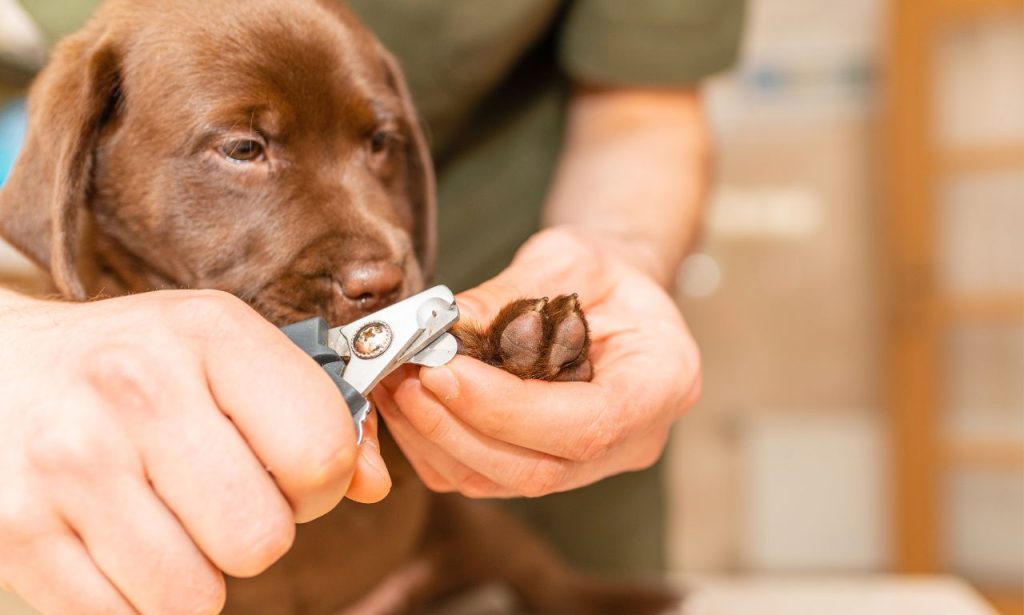
    If you’ve ever wondered, How Do You Trim a Nervous Dog’s Nails Safely?, you’re not alone. Fear of nail trims is one of the most common grooming challenges veterinarians and professional groomers encounter. The good news is that patience, preparation, and the right approach can turn a stressful experience into a manageable routine.

    Let’s look at why dogs become anxious about nail trimming and how you can help them feel safer at every step.

    Why Are Some Dogs Nervous About Nail Trims?

    How Do You Trim a Nervous Dog's Nails Safely?

    Many dogs are not born afraid of nail trimming. Fear often develops from previous experiences or a lack of positive exposure during puppyhood.

    Understanding the source of your dog’s anxiety is the first step toward solving the problem.

    Common Reasons Dogs Fear Nail Clippers and Paw Handling

    A dog’s paws are sensitive. In the wild, injured feet could mean trouble, so many dogs naturally protect them. Some dislike having their paws touched even when they’re relaxed.

    Past negative experiences can make things worse. A dog that has had the quick accidentally cut may remember the pain for years. According to many veterinary behaviorists, a single painful nail trim can create lasting anxiety.

    Noise is another factor. Nail grinders produce vibrations and sounds that can startle sensitive dogs. Even the snapping sound of clippers can make some pets uneasy.

    Lack of early handling also contributes to fear. Puppies that are gently introduced to paw touching and grooming often adapt more easily as adults. Dogs without that exposure may view nail trimming as something unfamiliar and threatening.

    Signs Your Dog Is Anxious During Nail Trimming Sessions

    Dogs communicate stress in subtle ways long before they growl or try to escape.

    Watch for signs such as lip licking, yawning, turning their head away, or repeatedly lifting a paw. Some dogs become unusually still, which can be mistaken for cooperation when they are actually nervous.

    More obvious indicators include trembling, panting, whining, hiding, or attempting to pull away. In severe cases, dogs may snap or become defensive.

    Recognizing these warning signs early allows you to slow down before anxiety escalates. A calmer dog is always safer to handle.

    How to Prepare a Nervous Dog Before Trimming Their Nails

    Preparation often determines whether nail trimming goes smoothly or turns into a struggle.

    Taking time to build confidence beforehand can make a dramatic difference.

    Creating a Calm Environment and Choosing the Right Time

    Timing matters more than many owners realize.

    Choosing a moment when your dog is naturally relaxed after a walk or play session is usually ideal because excess energy has already been burned off.

    Find a quiet room away from distractions. Television noise, children running around, or other pets can increase stress levels.

    Your own mood plays a role too. Dogs are experts at reading human emotions. If you’re nervous, your dog will likely pick up on it. Stay relaxed, speak softly, and keep movements slow.

    Some owners find success placing a non-slip mat beneath their dog. Secure footing often helps nervous pets feel more confident.

    Desensitization and Positive Reinforcement Techniques That Work

    Professional trainers frequently rely on desensitization because it addresses the root cause of fear rather than forcing compliance.

    Start by simply touching your dog’s paws for a few seconds. Offer a favorite treat immediately afterward. Repeat until your dog appears comfortable.

    Next, introduce the nail clippers without using them. Let your dog see and sniff the tool as it receives rewards.

    Gradually build up to holding a paw, touching a nail with the clipper, and eventually trimming a single nail. Progress may take days or even weeks for highly anxious dogs.

    A trainer once compared this process to teaching someone afraid of heights to enjoy a mountain hike. You don’t start at the edge of a cliff. You build confidence one step at a time.

    What Tools Are Safest for Trimming a Nervous Dog’s Nails?

    How Do You Trim a Nervous Dog's Nails Safely?

    Using the right equipment can reduce anxiety and improve safety.

    Not every dog responds well to the same tool, so understanding your options is important.

    Dog Nail Clippers vs. Nail Grinders: Which Is Better for Anxious Dogs?

    Traditional clippers are fast and efficient. They work particularly well for dogs that tolerate handling and remain relatively still.

    However, some nervous dogs react negatively to the pressure and sudden clipping sensation.

    Nail grinders file the nail down gradually. This approach lowers the risk of cutting the quick and allows for greater precision.

    On the other hand, grinders produce vibration and noise. Some dogs tolerate them beautifully, while others find them intimidating.

    Many professional groomers recommend testing both options. The best tool is the one your dog accepts most comfortably.

    Essential Safety Supplies to Have Before You Begin

    Preparation helps prevent panic if something unexpected happens.

    Keep styptic powder nearby in case you accidentally nick the quick. This product helps stop minor bleeding quickly.

    High-value treats are equally important. Think small pieces of chicken, cheese, or another favorite reward.

    Good lighting allows you to see the nail structure clearly. A flashlight can be especially helpful for dogs with dark nails.

    Finally, have a comfortable surface ready. Stability helps both you and your dog stay relaxed during the process.

    How Do You Trim a Nervous Dog’s Nails Safely Step by Step?

    When people ask, How Do You Trim a Nervous Dog’s Nails Safely?, the answer often comes down to moving slowly and focusing on your dog’s comfort level.

    How to Avoid Cutting the Quick and Prevent Painful Accidents

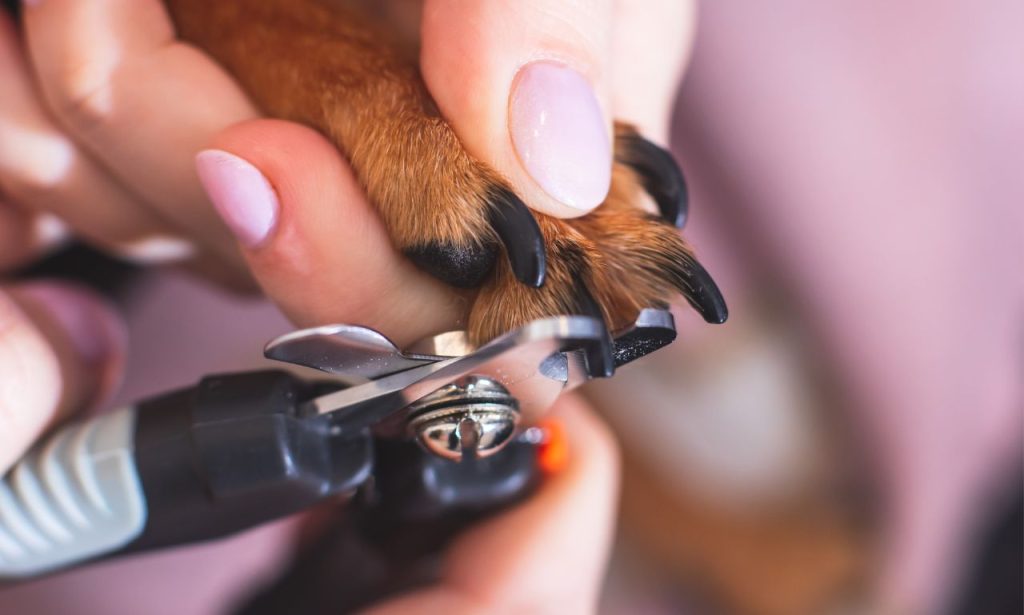
    The quick contains blood vessels and nerves inside the nail. Cutting into it causes pain and bleeding.

    For light-colored nails, the quick usually appears as a pink section within the nail. Stop trimming before reaching that area.

    Dark nails require extra caution. Remove tiny amounts at a time and examine the cut surface frequently. As you approach the quick, you’ll notice a darker center forming.

    Many groomers prefer trimming multiple small sections rather than attempting one large cut. This method reduces mistakes and builds confidence.

    Good lighting and patience are your best tools here.

    What to Do If Your Dog Pulls Away, Struggles, or Starts Panicking

    Pause immediately if your dog becomes highly distressed.

    Continuing despite obvious fear can reinforce negative associations and make future sessions harder.

    Instead, take a short break. Offer praise, treats, or a brief play session.

    You do not need to finish all nails at once. Many veterinarians encourage owners of anxious dogs to trim one or two nails per day. Small victories add up quickly.

    If your dog consistently panics, focus on rebuilding trust through desensitization before attempting another full trimming session.

    Remember, progress is progress. Even touching a paw calmly can be a win on difficult days.

    When Should You Seek Professional Help for Nail Trimming?

    How Do You Trim a Nervous Dog's Nails Safely?

    Some situations require more than patience and practice.

    Seeking help is not a failure. In many cases, it’s the safest choice for both you and your dog.

    When Groomers or Veterinarians Are the Safer Option

    Professional groomers handle nervous dogs daily and often have techniques that significantly reduce stress.

    Veterinarians can help when fear becomes extreme. Some dogs experience such severe anxiety that mild sedation or anti-anxiety medication may be recommended.

    Dogs with black nails, previous injuries, arthritis, or aggressive reactions may also benefit from professional assistance.

    A good rule of thumb is simple. If nail trimming creates a genuine risk of injury to you or your pet, professional help is worth considering.

    Many owners discover that a few successful appointments with an experienced groomer can improve their dog’s confidence over time.

    Conclusion

    Learning how to safely trim a nervous dog’s nails? takes patience, consistency, and a willingness to move at your dog’s pace.

    Fear rarely disappears overnight. Still, with positive reinforcement, the right tools, and gradual training, most dogs can become much more comfortable with nail care.

    Focus on creating positive experiences rather than rushing through the task. A calm dog today can become a cooperative dog tomorrow.

    Have you noticed which part of the nail-trimming process makes your dog most nervous? Identifying that trigger may be the breakthrough that transforms future grooming sessions.

    Also Read: How Often Should Dogs Really Be Bathed?

    FAQs

    1. Can I trim only one nail at a time?

    Yes. Many nervous dogs do better when owners trim one or two nails per session.

    2. What happens if I accidentally cut the quick?

    The nail may bleed and cause discomfort. Apply styptic powder and stay calm.

    3. Are nail grinders safer than clippers?

    They can be safer because they remove the nail gradually, but some dogs dislike the vibration and sound.

    4. Should I sedate my dog for nail trimming?

    Only under veterinary guidance. Sedation may be appropriate for dogs with severe anxiety or aggression.