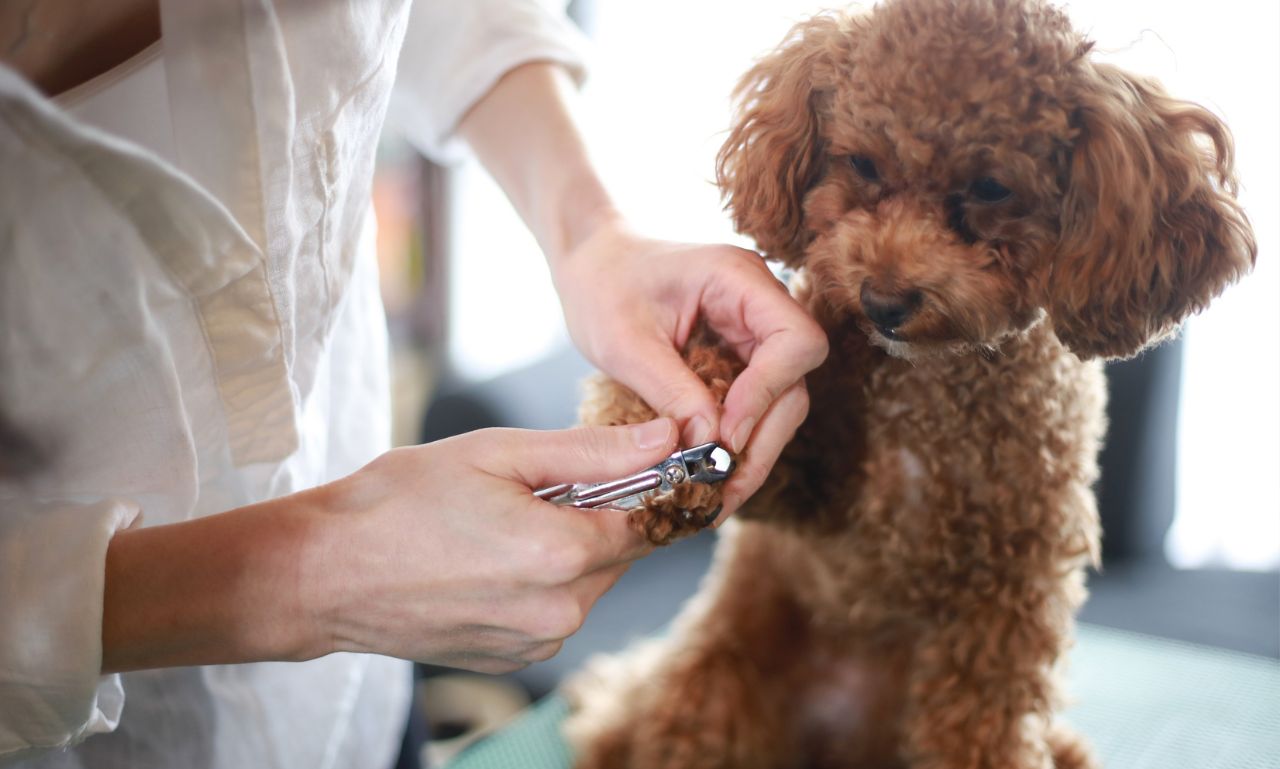
For many dog owners, nail trimming can feel like a wrestling match nobody signed up for. One minute your dog is relaxed on the couch. Next, they’re pulling away, shaking, or acting like those nail clippers are straight out of a horror movie.
If you’ve ever wondered, How Do You Trim a Nervous Dog’s Nails Safely?, you’re not alone. Fear of nail trims is one of the most common grooming challenges veterinarians and professional groomers encounter. The good news is that patience, preparation, and the right approach can turn a stressful experience into a manageable routine.
Let’s look at why dogs become anxious about nail trimming and how you can help them feel safer at every step.
Why Are Some Dogs Nervous About Nail Trims?
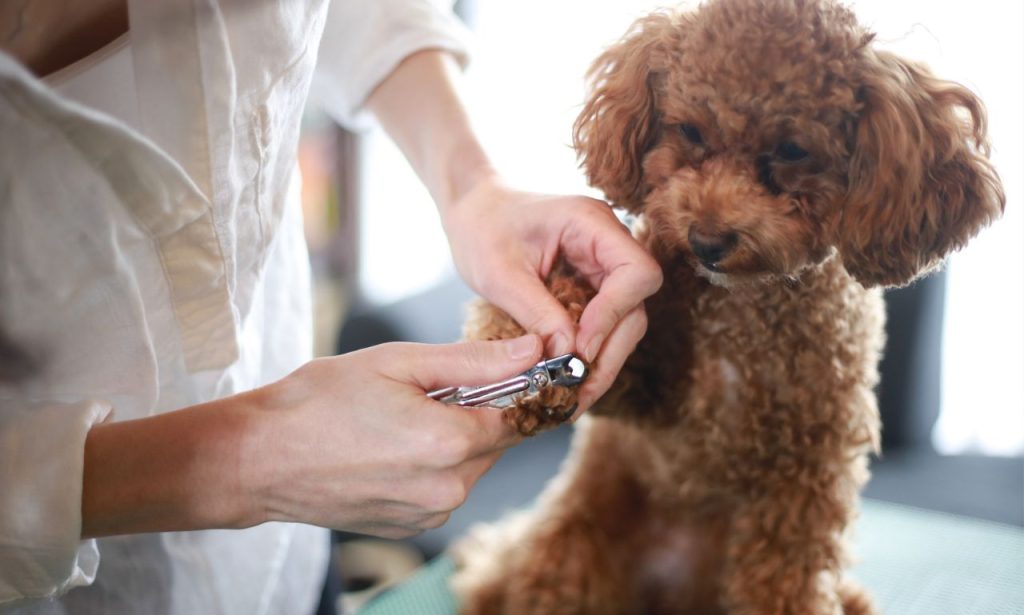
Many dogs are not born afraid of nail trimming. Fear often develops from previous experiences or a lack of positive exposure during puppyhood.
Understanding the source of your dog’s anxiety is the first step toward solving the problem.
Common Reasons Dogs Fear Nail Clippers and Paw Handling
A dog’s paws are sensitive. In the wild, injured feet could mean trouble, so many dogs naturally protect them. Some dislike having their paws touched even when they’re relaxed.
Past negative experiences can make things worse. A dog that has had the quick accidentally cut may remember the pain for years. According to many veterinary behaviorists, a single painful nail trim can create lasting anxiety.
Noise is another factor. Nail grinders produce vibrations and sounds that can startle sensitive dogs. Even the snapping sound of clippers can make some pets uneasy.
Lack of early handling also contributes to fear. Puppies that are gently introduced to paw touching and grooming often adapt more easily as adults. Dogs without that exposure may view nail trimming as something unfamiliar and threatening.
Signs Your Dog Is Anxious During Nail Trimming Sessions
Dogs communicate stress in subtle ways long before they growl or try to escape.
Watch for signs such as lip licking, yawning, turning their head away, or repeatedly lifting a paw. Some dogs become unusually still, which can be mistaken for cooperation when they are actually nervous.
More obvious indicators include trembling, panting, whining, hiding, or attempting to pull away. In severe cases, dogs may snap or become defensive.
Recognizing these warning signs early allows you to slow down before anxiety escalates. A calmer dog is always safer to handle.
How to Prepare a Nervous Dog Before Trimming Their Nails
Preparation often determines whether nail trimming goes smoothly or turns into a struggle.
Taking time to build confidence beforehand can make a dramatic difference.
Creating a Calm Environment and Choosing the Right Time
Timing matters more than many owners realize.
Choosing a moment when your dog is naturally relaxed after a walk or play session is usually ideal because excess energy has already been burned off.
Find a quiet room away from distractions. Television noise, children running around, or other pets can increase stress levels.
Your own mood plays a role too. Dogs are experts at reading human emotions. If you’re nervous, your dog will likely pick up on it. Stay relaxed, speak softly, and keep movements slow.
Some owners find success placing a non-slip mat beneath their dog. Secure footing often helps nervous pets feel more confident.
Desensitization and Positive Reinforcement Techniques That Work
Professional trainers frequently rely on desensitization because it addresses the root cause of fear rather than forcing compliance.
Start by simply touching your dog’s paws for a few seconds. Offer a favorite treat immediately afterward. Repeat until your dog appears comfortable.
Next, introduce the nail clippers without using them. Let your dog see and sniff the tool as it receives rewards.
Gradually build up to holding a paw, touching a nail with the clipper, and eventually trimming a single nail. Progress may take days or even weeks for highly anxious dogs.
A trainer once compared this process to teaching someone afraid of heights to enjoy a mountain hike. You don’t start at the edge of a cliff. You build confidence one step at a time.
What Tools Are Safest for Trimming a Nervous Dog’s Nails?
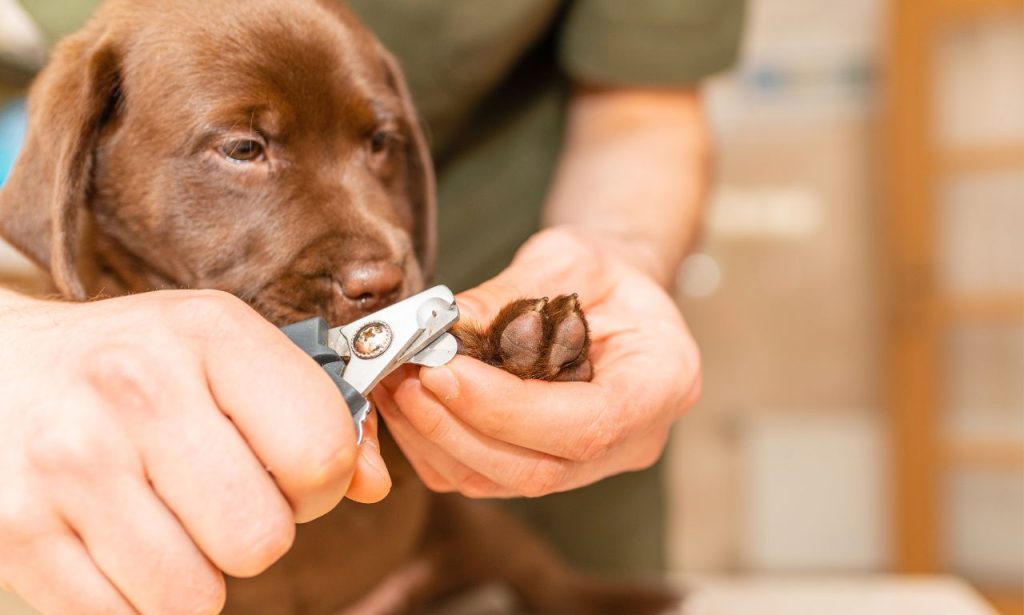
Using the right equipment can reduce anxiety and improve safety.
Not every dog responds well to the same tool, so understanding your options is important.
Dog Nail Clippers vs. Nail Grinders: Which Is Better for Anxious Dogs?
Traditional clippers are fast and efficient. They work particularly well for dogs that tolerate handling and remain relatively still.
However, some nervous dogs react negatively to the pressure and sudden clipping sensation.
Nail grinders file the nail down gradually. This approach lowers the risk of cutting the quick and allows for greater precision.
On the other hand, grinders produce vibration and noise. Some dogs tolerate them beautifully, while others find them intimidating.
Many professional groomers recommend testing both options. The best tool is the one your dog accepts most comfortably.
Essential Safety Supplies to Have Before You Begin
Preparation helps prevent panic if something unexpected happens.
Keep styptic powder nearby in case you accidentally nick the quick. This product helps stop minor bleeding quickly.
High-value treats are equally important. Think small pieces of chicken, cheese, or another favorite reward.
Good lighting allows you to see the nail structure clearly. A flashlight can be especially helpful for dogs with dark nails.
Finally, have a comfortable surface ready. Stability helps both you and your dog stay relaxed during the process.
How Do You Trim a Nervous Dog’s Nails Safely Step by Step?
When people ask, How Do You Trim a Nervous Dog’s Nails Safely?, the answer often comes down to moving slowly and focusing on your dog’s comfort level.
How to Avoid Cutting the Quick and Prevent Painful Accidents
The quick contains blood vessels and nerves inside the nail. Cutting into it causes pain and bleeding.
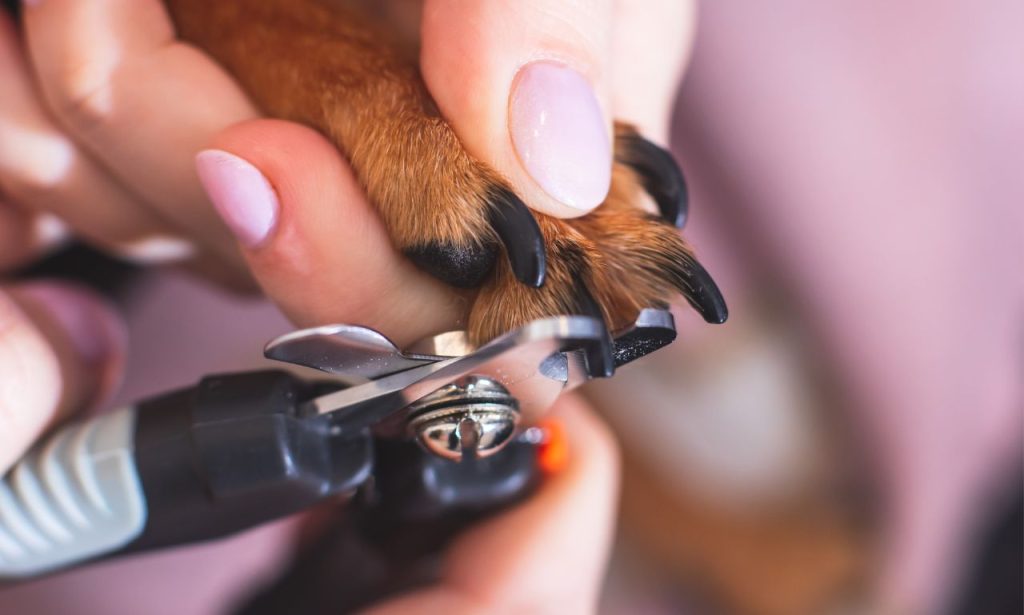
For light-colored nails, the quick usually appears as a pink section within the nail. Stop trimming before reaching that area.
Dark nails require extra caution. Remove tiny amounts at a time and examine the cut surface frequently. As you approach the quick, you’ll notice a darker center forming.
Many groomers prefer trimming multiple small sections rather than attempting one large cut. This method reduces mistakes and builds confidence.
Good lighting and patience are your best tools here.
What to Do If Your Dog Pulls Away, Struggles, or Starts Panicking
Pause immediately if your dog becomes highly distressed.
Continuing despite obvious fear can reinforce negative associations and make future sessions harder.
Instead, take a short break. Offer praise, treats, or a brief play session.
You do not need to finish all nails at once. Many veterinarians encourage owners of anxious dogs to trim one or two nails per day. Small victories add up quickly.
If your dog consistently panics, focus on rebuilding trust through desensitization before attempting another full trimming session.
Remember, progress is progress. Even touching a paw calmly can be a win on difficult days.
When Should You Seek Professional Help for Nail Trimming?
Some situations require more than patience and practice.
Seeking help is not a failure. In many cases, it’s the safest choice for both you and your dog.
When Groomers or Veterinarians Are the Safer Option
Professional groomers handle nervous dogs daily and often have techniques that significantly reduce stress.
Veterinarians can help when fear becomes extreme. Some dogs experience such severe anxiety that mild sedation or anti-anxiety medication may be recommended.
Dogs with black nails, previous injuries, arthritis, or aggressive reactions may also benefit from professional assistance.
A good rule of thumb is simple. If nail trimming creates a genuine risk of injury to you or your pet, professional help is worth considering.
Many owners discover that a few successful appointments with an experienced groomer can improve their dog’s confidence over time.
Conclusion
Learning how to safely trim a nervous dog’s nails? takes patience, consistency, and a willingness to move at your dog’s pace.
Fear rarely disappears overnight. Still, with positive reinforcement, the right tools, and gradual training, most dogs can become much more comfortable with nail care.
Focus on creating positive experiences rather than rushing through the task. A calm dog today can become a cooperative dog tomorrow.
Have you noticed which part of the nail-trimming process makes your dog most nervous? Identifying that trigger may be the breakthrough that transforms future grooming sessions.
Also Read: How Often Should Dogs Really Be Bathed?
FAQs
Yes. Many nervous dogs do better when owners trim one or two nails per session.
The nail may bleed and cause discomfort. Apply styptic powder and stay calm.
They can be safer because they remove the nail gradually, but some dogs dislike the vibration and sound.
Only under veterinary guidance. Sedation may be appropriate for dogs with severe anxiety or aggression.
Leave a Reply