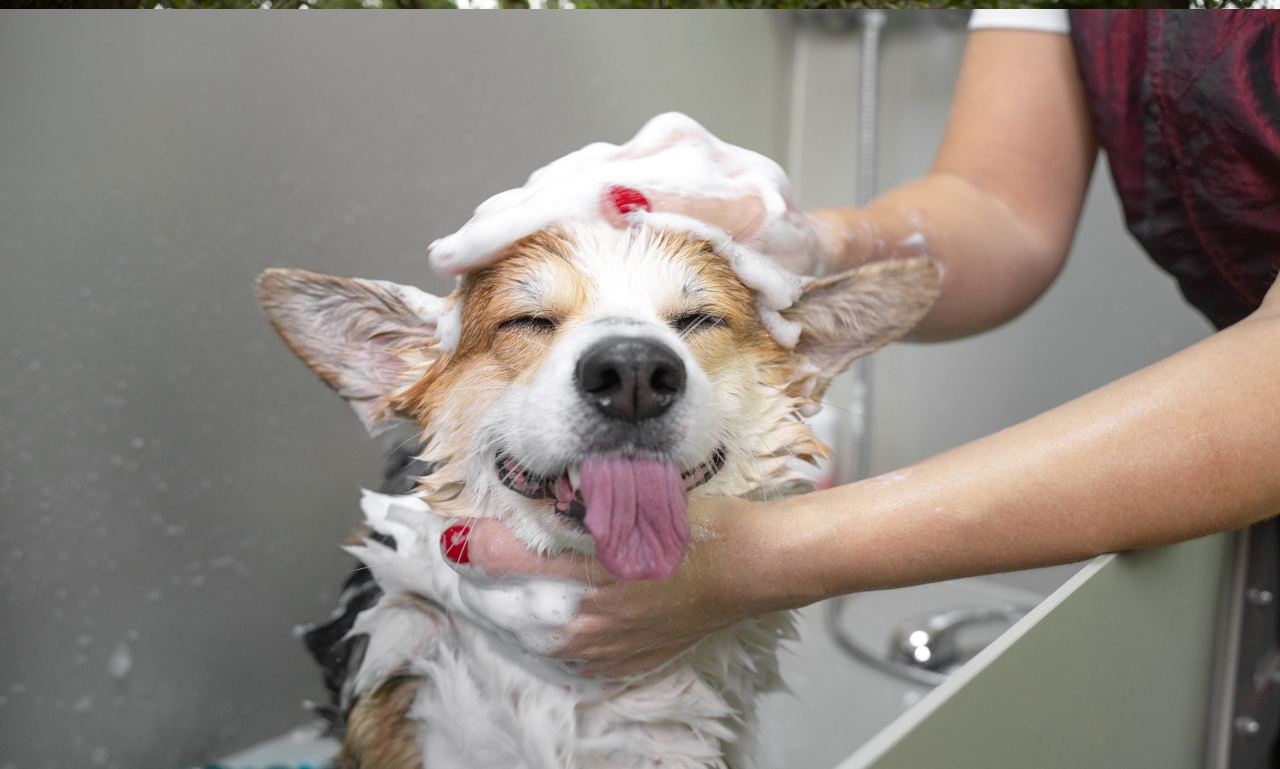
Bathing your pet may seem simple, but using the wrong shampoo can create problems you did not expect. Can human shampoo harm pets? In many cases, the answer is yes, because products made for people are designed for human skin rather than the unique needs of animals.
Why Human Shampoo Is Different From Pet Shampoo
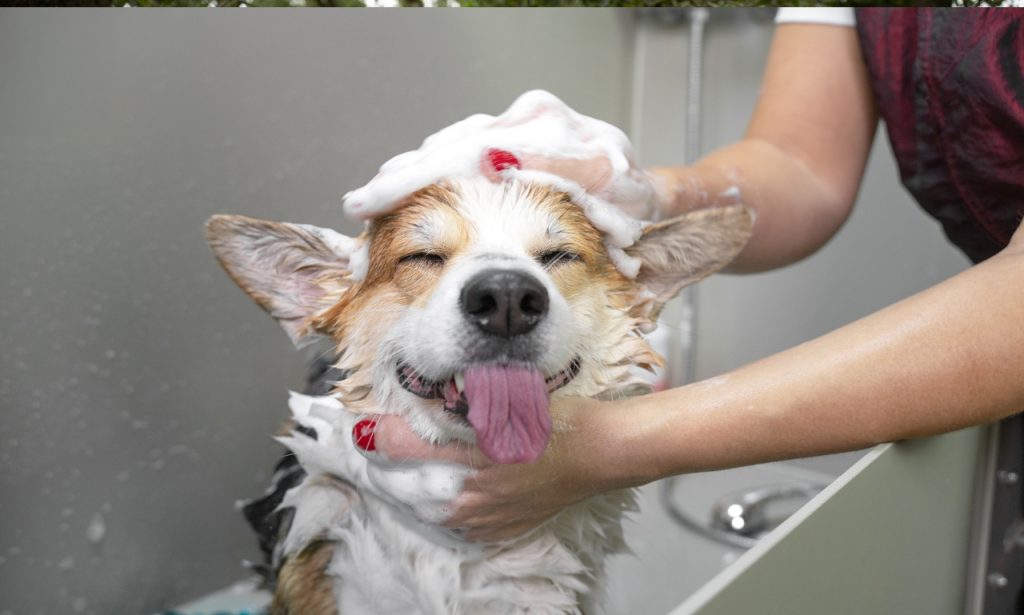
A bottle of shampoo may look similar regardless of who it is marketed to, but the formula inside is carefully developed for a specific type of skin. Pets have different skin chemistry than humans, which means they need products that support their natural protective barrier.
How Skin pH Differs Between Humans and Pets
One of the biggest differences is skin pH. Human skin is naturally more acidic, while dogs generally have skin that is closer to neutral. Cats also have unique skin characteristics that differ from both humans and dogs.
Human shampoos are formulated to work with the acidity of human skin. When used on pets, they can disrupt the natural balance that protects the skin from dryness, irritation, and harmful microorganisms.
Healthy pet skin contains natural oils that lock in moisture and create a protective shield. Removing these oils too aggressively can leave the skin exposed, making it easier for bacteria, fungi, and allergens to irritate.
Even a single wash with human shampoo may temporarily affect this balance. Repeated use increases the likelihood of ongoing skin problems.
Ingredients That Are Safe for Humans but Problematic for Animals
Many human shampoos contain fragrances, dyes, preservatives, and cleansing agents that are perfectly acceptable for people but may irritate pets.
Some products also include ingredients intended to treat dandruff, oily hair, or scalp conditions. While these ingredients benefit humans, they may be too harsh for an animal’s sensitive skin.
Essential oils deserve special attention. Although many are promoted as natural, certain essential oils can be toxic to dogs and especially cats. Products containing tea tree oil, eucalyptus, peppermint, or other concentrated plant extracts should never be used without veterinary guidance.
Artificial perfumes can also trigger itching or allergic reactions in sensitive animals.
Can Human Shampoo Harm Pets? Understanding the Risks
The question “Can human shampoo harm pets?” goes beyond simple dryness. The wrong shampoo can affect your pet’s comfort, skin health, and even overall well-being.
Common Skin and Coat Problems After Using Human Shampoo
One of the first signs is dry, flaky skin. Pets may begin scratching more often because the protective oils have been stripped away.
Other common problems include redness, irritation, and an unusually dull coat. Instead of feeling soft and healthy, the fur may become rough or brittle.
Excessive scratching can create small wounds that allow bacteria to enter the skin. If left untreated, minor irritation may develop into a skin infection requiring veterinary treatment.
Pets with existing allergies or skin disorders often react more severely. Conditions such as environmental allergies or dermatitis may become worse after exposure to harsh cleansing products.
Some owners notice increased shedding after repeated use of human shampoo. While shampoo itself does not directly cause hair loss, irritated skin can interfere with healthy coat growth.
Which Pets Are Most Sensitive to Human Shampoo
Not every pet reacts the same way.
Puppies and kittens have delicate skin that has not fully matured, making them particularly vulnerable to irritation.
Senior pets may also have thinner, more sensitive skin that loses moisture more easily.
Breeds already prone to skin problems require extra care. Dogs such as Bulldogs, West Highland White Terriers, Golden Retrievers, and Shar Peis often experience allergies or sensitive skin. Using the wrong shampoo may worsen these conditions.
Cats deserve special caution because they groom themselves constantly. Any residue left on their coat may be swallowed during grooming. This increases the importance of choosing products specifically approved for feline use.
Small pets such as rabbits, guinea pigs, and ferrets should never be washed with human shampoo unless specifically directed by a veterinarian.
What to Do If You Have Already Used Human Shampoo on Your Pet
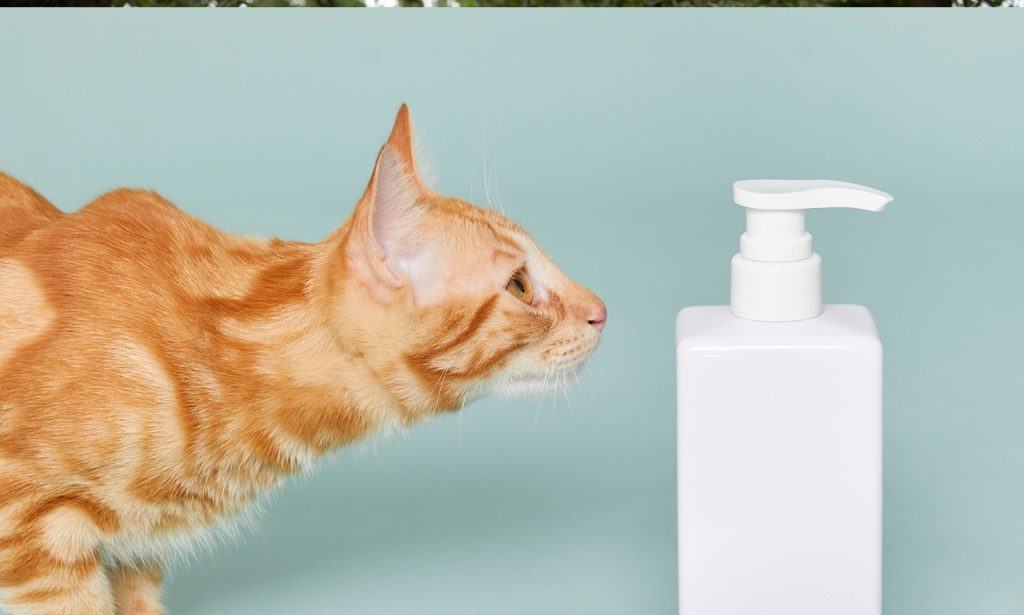
Many pet owners discover the difference between human and pet shampoo only after using the wrong product. Fortunately, one accidental bath does not automatically mean serious harm.
Signs Your Pet May Be Having a Reaction
Observe your pet over the next day or two.
Watch for frequent scratching, licking, rubbing against furniture, redness, flaky skin, unpleasant odor, or unusual hair loss.
Some pets become restless because their skin feels uncomfortable. Others may develop small bumps or inflamed areas where irritation has started.
If your pet seems unusually tired, refuses food, or develops swelling around the face, contact your veterinarian immediately. These symptoms could indicate a more serious allergic reaction.
When to Rinse at Home and When to Contact a Veterinarian
If you realize your mistake immediately, rinsing your pet thoroughly with lukewarm water can help remove leftover shampoo residue.
If irritation develops but remains mild, switching to a veterinarian-approved pet shampoo during the next scheduled bath may allow the skin to recover naturally.
However, persistent scratching, bleeding skin, open sores, or signs of infection require professional evaluation. Your veterinarian can determine whether medication, medicated shampoo, or allergy treatment is necessary.
Avoid experimenting with home remedies unless recommended by a veterinary professional. Some household products that seem gentle can actually make irritation worse.
Choosing the Right Shampoo for Your Pet
Selecting the correct shampoo does more than keep your pet clean. It supports healthy skin, protects the coat, and reduces the risk of future irritation.
How to Select a Shampoo Based on Species, Breed, and Skin Needs
Always begin by choosing a shampoo made specifically for your pet’s type.
Dog shampoos should only be used on dogs unless the label specifically states they are safe for cats as well. Cats require formulas designed for their own skin and grooming habits.
Consider your pet’s individual needs.
A healthy adult dog may only require a gentle moisturizing shampoo.
Pets with allergies may benefit from fragrance-free or hypoallergenic products.
Animals with flea infestations should only receive veterinarian-approved parasite treatments rather than random over-the-counter products.
Long-haired breeds often benefit from conditioning formulas that reduce tangles, while pets with sensitive skin usually respond better to simple ingredient lists.
Ingredients to Look For and Ingredients to Avoid
High-quality pet shampoos often include soothing ingredients such as oatmeal, aloe vera, chamomile, or coconut-based cleansers. These ingredients help cleanse the skin without removing too much natural moisture.
Products labeled as pH balanced for pets are generally the safest choice.
Avoid shampoos containing heavy artificial fragrances, strong alcohols, harsh detergents, excessive dyes, or ingredients not clearly listed on the label.
If your pet has chronic skin issues, ask your veterinarian for product recommendations rather than relying solely on marketing claims.
Best Practices for Keeping Your Pet’s Skin and Coat Healthy
Good skin health depends on much more than shampoo alone. Daily care, proper nutrition, and regular grooming all play important roles.
How Often Different Pets Should Be Bathed
Many owners assume frequent bathing keeps pets healthier, but excessive bathing often removes beneficial oils.
Most healthy dogs only need bathing every few weeks or even every few months, depending on breed, lifestyle, and coat type.
Cats usually groom themselves effectively and rarely require bathing unless they become unusually dirty or have a medical condition.
Working dogs, outdoor dogs, and pets that swim frequently may require more regular baths, while indoor animals often need fewer.
Following your veterinarian’s advice is always better than sticking to a rigid schedule.
Everyday Grooming Habits That Reduce the Need for Frequent Shampooing
Regular brushing removes loose hair, dirt, and debris before they build up. It also spreads natural oils through the coat, helping maintain softness and shine.
A balanced diet rich in essential fatty acids supports healthy skin from the inside. Clean bedding, regular parasite prevention, and routine health checks also reduce the risk of skin problems.
Checking your pet’s skin while brushing allows you to spot lumps, sores, parasites, or irritated areas early before they become more serious.
Simple grooming habits often do more for skin health than frequent bathing ever could.
Conclusion
So, can human shampoo harm pets? In most situations, yes. Human shampoos are formulated for human skin chemistry and may disrupt the natural balance that keeps a pet’s skin healthy. While one accidental use is unlikely to cause lasting damage, repeated use can lead to dryness, irritation, itching, and more serious skin issues.
Choosing a shampoo designed specifically for your pet is one of the easiest ways to protect their skin and coat. Combined with sensible bathing habits, regular grooming, and veterinary guidance when needed, the right products help keep your companion comfortable, healthy, and looking their best.
Also Read: Why Does My Dog Smell Bad After a Bath?
Only in emergencies and not as a regular replacement for pet shampoo.
Yes. Indoor pets have the same skin needs as outdoor pets.
Yes. Pets with allergies often do better with fragrance-free formulas.
Many dogs with dry or sensitive skin benefit from oatmeal-based shampoos.
Yes. Frequent bathing may strip away natural oils and lead to dry, irritated skin.
Leave a Reply