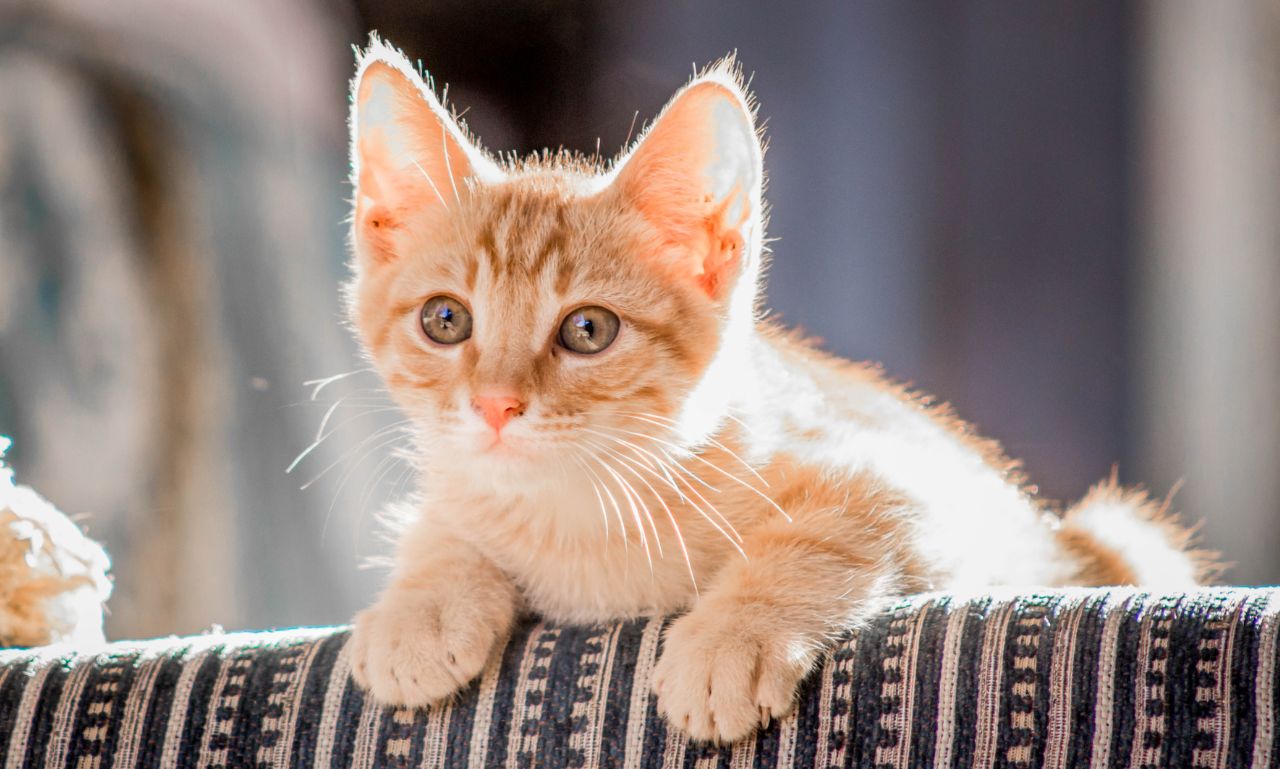
Why does my cat wait until I leave the room to eat? In many cases, the answer comes down to comfort. Some cats feel safer eating in a quiet space without people moving, watching, or interacting with them.
This habit can be perfectly normal, but a sudden change in eating behavior deserves closer attention.
What Your Cat’s Eating Habits Reveal About How Safe They Feel
Cats may live comfortably in our homes, but many of their everyday behaviors still reflect natural survival instincts. Eating is one moment when a cat is less aware of what is happening nearby.
A relaxed cat may not care. Another may wait until the room becomes quiet before approaching the food.
Why Eating Can Make Cats Feel Vulnerable
A cat lowers its head and focuses on food while eating. That makes it harder to watch the surrounding environment.
For a cautious cat, this loss of awareness can feel uncomfortable. Waiting until you leave may give your cat the quiet conditions it needs to relax.
This doesn’t necessarily mean your cat is frightened of you. Consider what else happens while you’re present. You may walk past the bowl, open cupboards, move chairs, prepare food, or make other noises.
Even ordinary household activity can distract a sensitive cat.
Some cats also choose positions that allow them to watch doors or open spaces while eating. This helps explain why moving a food bowl can sometimes change eating habits.
Why Some Cats Prefer Privacy While Eating
Cats have distinct personalities. One may happily eat while children play nearby. Another may retreat from the bowl when someone enters the kitchen.
Past experiences matter too. A cat that previously lived in a crowded shelter or competed for food may become protective of mealtimes. Cats raised in quiet homes may have little tolerance for interruption.
Privacy becomes part of the eating ritual.
If your cat eats a healthy amount once you leave, maintains its weight, and otherwise behaves normally, the preference may be harmless.
Why Does My Cat Wait Until I Leave the Room to Eat?
Your presence can affect the feeding environment, even when you’re not doing anything intentionally disruptive. Cats notice movement, sounds, scents, routine changes, and where people position themselves.
A cat that waits for you to leave may have learned that an empty room offers better conditions for eating.
Movement, Noise, Eye Contact, and Human Attention
Imagine putting your cat’s dinner down and then standing nearby to see whether it eats. From a human perspective, you’re simply watching. Your cat may interpret that attention differently.
Direct staring can make some cats uncomfortable. Reaching toward them, petting them, or repeatedly walking past the bowl can also interrupt feeding.
Household sounds matter as well. Dishwashers, washing machines, televisions, doors, vacuum cleaners, and lively conversations can make an otherwise suitable feeding area less appealing.
Try observing from farther away instead.
If your cat starts eating once the room becomes still, the issue may be environmental rather than related to the food itself.
How Cats Learn Mealtime Routines and Associations
Cats are excellent at recognizing routines.
Suppose you put down food every evening, clean the kitchen, and then leave. Your cat may gradually learn that your departure marks the beginning of quiet eating time.
Eventually, waiting becomes part of the routine.
Cats can develop surprisingly specific food rituals. Some follow their owners to the bowl. Others meow before eating, circle the dish, or take a few bites before walking away and returning later.
These habits don’t always indicate a problem. What matters is whether your cat eats enough and whether the behavior changes suddenly.
How the Feeding Environment Can Change a Cat’s Behavior
Before assuming your cat has an unusual personality trait, look closely at where you’re feeding it. Bowl placement can strongly influence feline comfort.
A quiet corner isn’t automatically ideal either. Cats generally prefer places where they don’t feel trapped.
Bowl Location, Other Pets, and Household Traffic
A bowl beside a doorway can expose your cat to constant foot traffic. One beside a washing machine may become unpleasant when the appliance starts. Feeding close to a litter box may also discourage some cats.
Other animals introduce another layer of pressure.
Two cats don’t need to fight openly for one to intimidate the other. One cat might stare, block access, hover nearby, or approach whenever the other starts eating.
Dogs may create similar problems simply through curiosity.
Separate feeding locations can help in homes with several pets. Ideally, each animal should have enough space to eat without monitoring competitors.
Consider escape routes too. A nervous cat may avoid eating in a corner if another pet could block the only way out.
Could the Food Bowl Itself Be Making Your Cat Uncomfortable?
The dish deserves attention as well.
Some cats prefer wide, shallow dishes that make it easy to reach the food. Deep bowls can require them to push their faces farther inside.
You may hear this discomfort described as whisker fatigue or whisker stress. The idea is that repeated contact between sensitive whiskers and the sides of a narrow bowl becomes unpleasant. Scientific evidence for whisker fatigue as a distinct condition remains limited, so it shouldn’t become the automatic explanation for every feeding problem.
Still, individual bowl preferences are real.
Try a clean, wide dish and see whether your cat responds differently. Keep food bowls clean, since dried food and odors can also discourage eating.
The bowl should stay stable and not slide across the floor with every bite.
How to Help Your Cat Feel Comfortable Eating When You Are Around
You don’t necessarily need to teach your cat to eat beside you. If the arrangement works and your cat remains healthy, giving it privacy may be the simplest answer.
Changes make more sense when the habit creates practical problems or appears connected to anxiety.
Creating a Quiet and Secure Feeding Area
Choose a location away from heavy household traffic. Your cat should be able to approach the bowl easily and see enough of the surrounding area to feel secure.
Keep water and food fresh and bowls clean.
In a home with several cats, consider separate feeding stations rather than placing every dish together. Separation helps prevent subtle competition and makes it easier to notice how much each cat actually eats.
Consistency can also help. Feeding at roughly predictable times helps your cat anticipate meals without getting unsettled by constant changes.
Encouraging Independent and Relaxed Eating Gradually
Don’t force your cat to eat while you’re present.
Instead, reduce pressure around the bowl. Put the meal down and move several feet away. Avoid staring at the cat or repeatedly encouraging it to eat.
Over time, you can remain slightly closer if the cat stays relaxed.
The aim isn’t to make your cat tolerate uncomfortable situations. You’re showing it that your presence doesn’t interfere with mealtime.
Patience matters here. A habit developed over months won’t necessarily disappear after moving the bowl once.
When Unusual Eating Behavior Could Signal a Bigger Problem?
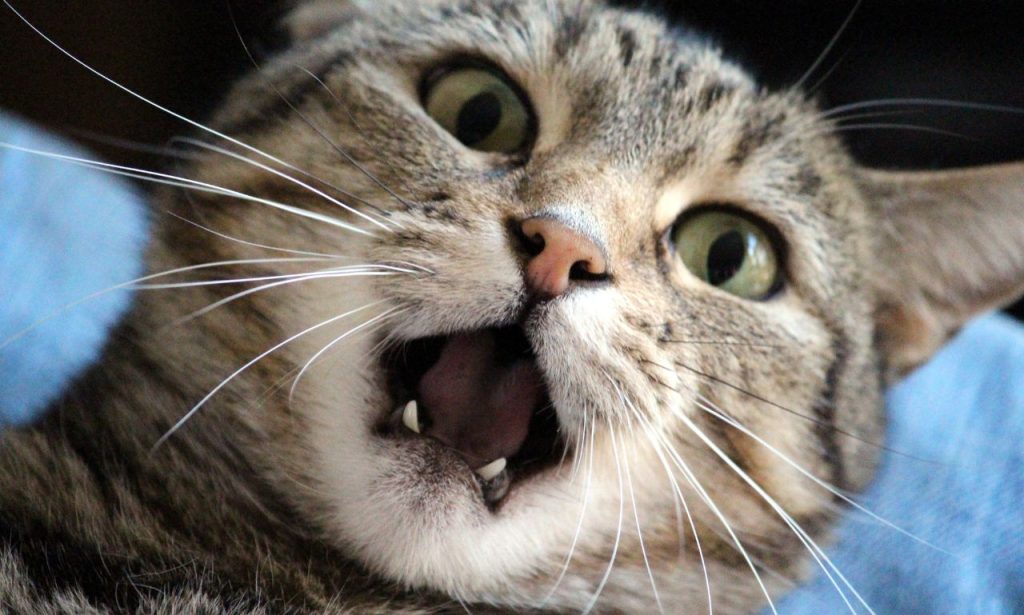
The question “Why does my cat wait until I leave the room to eat?” becomes more important when the behavior is new.
A cat that has always preferred private meals may have an established habit. A cat that suddenly avoids its bowl deserves more attention.
Stress, Anxiety, Pain, and Illness That Can Change Eating Patterns
Changes in appetite can accompany stress. Moving home, introducing another pet, construction noise, visitors, or even rearranging furniture can affect a sensitive cat.
Medical problems can also change how and when cats eat.
Dental disease may make chewing painful. Nausea can cause a cat to approach food but then walk away. Digestive problems and several underlying illnesses can also reduce appetite.
This is why context matters.
If your cat waits until you’re gone but then finishes its usual portion, the behavior looks very different from a cat that approaches the bowl repeatedly but barely eats.
Changes in Appetite and Behavior That Should Not Be Ignored
Pay attention to how much your cat eats, not just the circumstances around it.
Contact a veterinarian if unusual eating behavior appears alongside weight loss, vomiting, diarrhea, lethargy, excessive hiding, difficulty chewing, drooling, or obvious discomfort.
A substantial reduction in appetite also warrants prompt attention. Cats shouldn’t go extended periods without adequate food, and waiting several days to investigate a serious appetite change can create additional health risks.
Knowing your cat’s normal routine makes these changes easier to spot.
Conclusion
So, why does my cat wait until I leave the room to eat? For many cats, privacy makes mealtime feel calmer and more secure. Noise, attention, other pets, bowl placement, and learned routines can all reinforce the habit.
If your cat eats normally, maintains a healthy weight, and otherwise seems relaxed, there’s usually little reason to interfere with a preference for private dining. Focus instead on providing a clean, quiet, secure feeding area.
A sudden change is different. If your cat begins avoiding food, eats much less than usual, or develops other symptoms, speak with a veterinarian rather than assuming the behavior is merely a personality quirk.
FAQs
Some cats prefer eating from a flat surface or moving food somewhere they consider safer. Bowl shape and competition with other pets may also contribute.
Your presence may make your cat feel protected. This behavior is sometimes called affection eating and can become part of a learned routine.
Not necessarily. Feeding schedules depend on age, health, diet, and individual needs. Your veterinarian can recommend an appropriate feeding routine.
Scratching around food may reflect an instinctive attempt to conceal its scent or save leftovers. Indoor cats sometimes do this even when nothing can actually cover the food.
Yes. Many cats naturally prefer several small meals rather than one or two large portions, although total daily intake still matters.
Leave a Reply