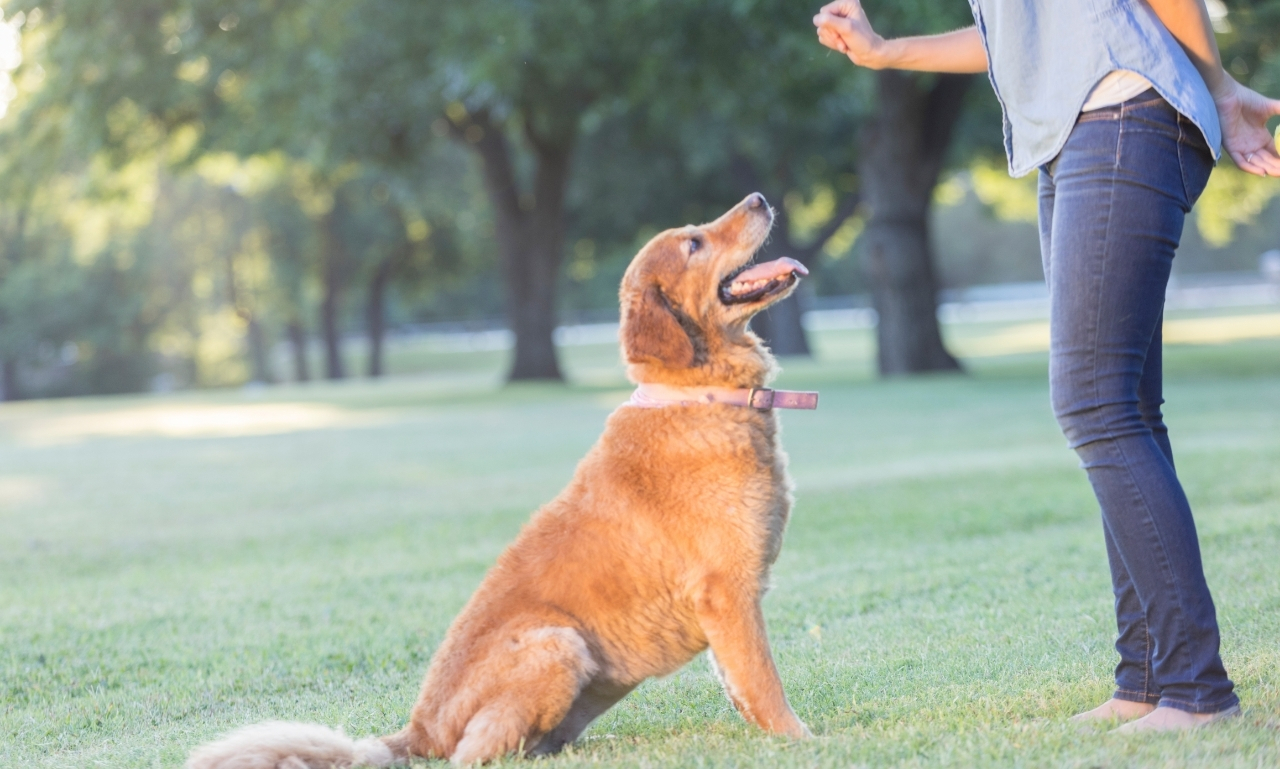
A dog can suddenly stop responding reliably to a command it previously learned without actually forgetting what the command means. Changes in surroundings, motivation, stress, physical comfort, or the way the command has been reinforced can all affect the response. What looks like stubbornness is often better understood by looking at what changed around the behavior.
Why Previously Learned Commands Can Become Less Reliable
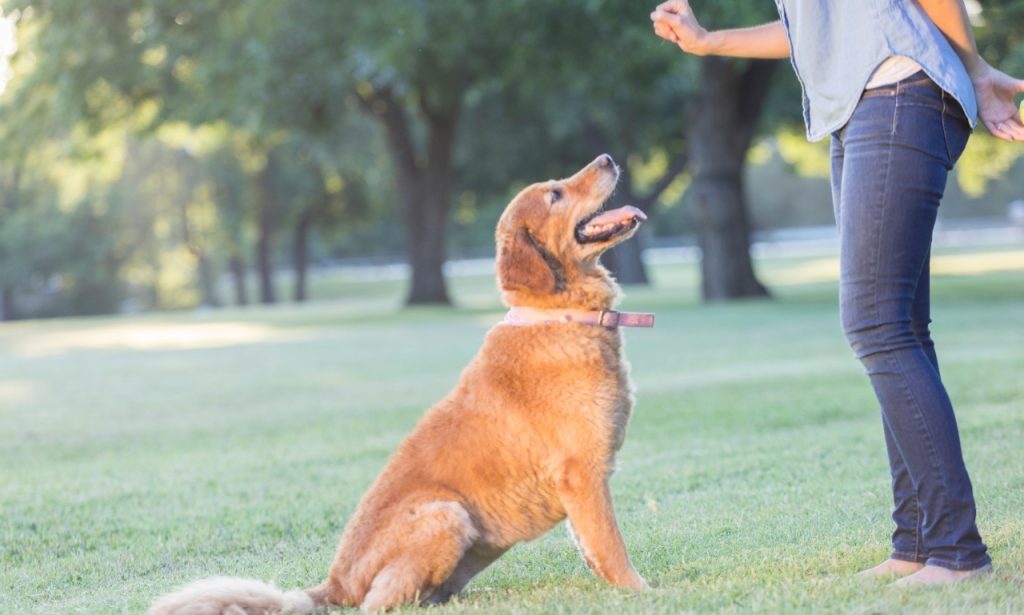
Dogs don’t learn commands in quite the same way people learn facts. They learn associations between a cue, a situation, their own behavior, and what happens afterward. That distinction helps explain why a command that seems firmly established can suddenly become unreliable.
The Difference Between Knowing a Command and Responding Reliably
A dog may understand the word “sit” perfectly in the living room. That doesn’t automatically mean the same dog can sit promptly beside a busy road, at a veterinary clinic, or while another dog runs nearby.
Trainers often describe this as generalization. Dogs need opportunities to practice familiar behaviors in different places and circumstances. Otherwise, parts of the environment can become tied to the learned response.
A puppy that has completed dozens of successful recalls indoors may therefore appear to forget everything in a park. The command hasn’t necessarily disappeared from memory. The dog is simply facing a much harder version of the task.
Reliability develops through repetition under gradually changing conditions. Distance, duration, and distraction all influence difficulty. Increasing several of them at once can expose weaknesses that weren’t obvious during early training.
How Context and Environmental Changes Affect a Dog’s Response
Dogs pay close attention to their surroundings. A person may hear one familiar command, while the dog is also processing scents, sounds, movement, and social information.
Imagine calling a dog from across the kitchen. There may be almost nothing competing for its attention. Call that same dog while it investigates an unfamiliar scent outdoors and the calculation changes.
New environments aren’t the only issue. A familiar environment can suddenly become more stimulating because of visitors, construction noise, wildlife, or another pet.
This is why a dog listening at home but not outside doesn’t necessarily indicate deliberate defiance. The outdoor setting may offer rewards that currently outweigh the reward the handler provides.
Training and Communication Problems That Can Weaken a Familiar Command
Sometimes the change occurs gradually because the training around the command has changed. Owners often reduce rewards once a dog becomes reliable. That can work, but removing reinforcement too quickly may weaken the behavior.
How Inconsistent Reinforcement Changes a Dog’s Response
Every command has a reinforcement history. If sitting when asked regularly leads to food, praise, or access to something enjoyable, responding has value for the dog.
Over time, owners may assume the behavior is permanent and stop rewarding it. Meanwhile, ignoring the command may produce its own benefits.
Recall is a common example. Suppose a dog hears “come” while playing. Returning to the owner means the lead goes on and the fun ends. Ignoring the call lets the dog run for another minute.
Repeated often enough, that pattern can alter the dog’s response.
Rewards also need to matter in the situation. Ordinary kibble may be exciting inside a quiet house but insignificant beside squirrels, dogs, or interesting smells. This doesn’t mean every command requires an exceptional treat forever. It means reinforcement should match the task’s difficulty.
Why Repeating or Changing a Cue Creates Confusion
Commands can lose clarity when people use them inconsistently.
An owner might say “come,” then “come here,” followed by the dog’s name and several louder repetitions. Eventually, the first cue becomes background noise. The dog learns that responding immediately isn’t necessary.
Body language can create similar problems. Dogs notice gestures, posture, and facial expressions. A handler may believe the dog understands a verbal command when it has actually been relying partly on a hand movement.
A cue can also develop an unpleasant association. Calling a dog only before baths, medication, nail trimming, or leaving the park may make approaching less appealing.
Clear cues work best when they remain consistent and predict worthwhile outcomes often enough to retain their meaning.
How Age, Stress and Motivation Change Responsiveness
Behavior isn’t static throughout a dog’s life. Development, emotional state, and competing motivations can all change how easily a familiar response appears.
Why Adolescence Can Make Established Training Seem to Disappear
Puppies often appear highly focused during early training, only to become less consistent during adolescence. This can surprise owners who thought basic training was finished.
Adolescent dogs become more interested in exploring their surroundings and interacting with other dogs. Their attention can shift quickly, while excitement may overpower responses that seemed reliable several months earlier.
This period doesn’t mean previous training was wasted. Instead, familiar behaviors may need reinforcement under more challenging conditions.
Returning temporarily to simpler exercises can help. Asking for success in quieter settings allows the owner to strengthen the response before adding distractions again.
Older dogs can experience changes too. Reduced hearing, vision, mobility, or cognitive function may alter responses to familiar cues. A senior dog that responds slowly deserves patience and closer observation, not immediate correction.
How Fear, Stress, Excitement and Fatigue Affect Performance
A dog can know what to do yet struggle to perform because its emotional state has changed.
Fear is one example. A dog worried about thunder, unfamiliar people, or another animal may focus heavily on the perceived threat. A command that usually gets an immediate response may barely register.
High excitement creates a different version of the same problem. A dog greeting a favorite visitor may find sitting much harder than during an ordinary training session.
Fatigue also matters. Training after intense exercise or during a stressful day may produce slower responses.
Owners should therefore look beyond the command itself. Asking what the dog was doing, feeling, and noticing immediately beforehand often reveals more than assuming it chose to become disobedient.
When Suddenly Ignoring a Command May Have a Physical Cause
A sudden behavior change deserves particular attention when no obvious training or environmental explanation exists. Dogs can’t explain discomfort directly, so that behavior may provide one of the earliest clues.
Pain, Hearing Changes and Illness Can Look Like Disobedience
Suppose a dog reliably performed “down” for years but suddenly hesitates. The problem might not involve training at all. Lowering the body could have become uncomfortable because of joint, muscle, or spinal pain.
The same principle applies to other behaviors. A dog that won’t jump into a car may experience discomfort. A dog that stops responding to verbal cues could have reduced hearing. Vision changes may affect responses to hand signals or movement at a distance.
Physical discomfort can also influence concentration and tolerance. Some dogs become quieter when uncomfortable, while others become restless or unusually irritable.
This is why punishment can be especially inappropriate when behavior changes suddenly. Correcting a dog for failing to perform doesn’t address an underlying physical problem and may add anxiety.
Behavioral Changes That Suggest Veterinary Attention
One missed command rarely signals illness. A broader pattern is more informative.
Pay attention when reduced responsiveness appears alongside changes in appetite, sleep, movement, energy, toileting or social behavior. Confusion, unexplained vocalization, sensitivity to touch, and sudden aggression can also justify veterinary assessment.
Age matters, but sudden changes shouldn’t automatically be dismissed as normal aging.
Recording when the problem happens can help. Note the command involved, location, time, surrounding distractions, and any physical changes. A short video may also provide useful context for a veterinarian or qualified behavior professional.
How to Rebuild a Reliable Response Without Starting Over
Once you’ve addressed health concerns, unreliable commands often improve when training becomes clear and rewarding again.
Rebuilding the Dog’s Reinforcement History
Start somewhere easy. Reduce distractions and use a reward the dog genuinely values. Give the cue once and allow enough time for a response.
Reward successful responses promptly. Short sessions are usually more useful than prolonged drilling, especially if concentration starts to decline.
If the dog repeatedly fails, make the exercise easier instead of repeating the command more forcefully. Reduce distance, move away from distractions, or return to a familiar environment.
The aim isn’t to prove that the dog knows the command. It is to create enough successful repetitions for the response to become strong again.
Generalizing Commands for Everyday Situations
Once reliability returns in an easy setting, gradually change the circumstances.
Practice in different rooms, then perhaps the garden and quiet outdoor spaces. Introduce stronger distractions carefully rather than expecting immediate obedience in the hardest environment.
The same approach applies to distance and duration. Increase one challenge gradually while keeping the others manageable.
Owners should also continue rewarding good responses occasionally after a command becomes established. Rewards can include food, praise, play, or access to something the dog enjoys.
A reliable command isn’t a finished product stored permanently in memory. It is behavior maintained through practice, clear communication, and reinforcement.
Conclusion
Understanding why a dog can suddenly stop responding reliably to a command it previously learned requires looking beyond the assumption that the dog has forgotten its training. Context, competing rewards, adolescence, stress, unclear cues, and changes in reinforcement can all weaken an otherwise familiar response.
An abrupt change can also point to pain, sensory loss, or illness, particularly when other behavioral or physical changes appear. By identifying what changed and gradually rebuilding the behavior, owners can often restore reliability without starting training from the beginning.
Also Read:
Can Pets Get Jealous of New Babies?
Frequently Asked Questions
Yes. Responses can become weaker when they aren’t practiced or reinforced regularly, although relearning may happen faster than initial training.
Many dogs benefit from several short sessions rather than one long session. Ending while the dog remains attentive can preserve enthusiasm.
Yes. Consistent words and signals reduce confusion and make it easier for the dog to understand what is expected.
Yes. A more valuable reward can improve attention when the environment contains strong distractions.
Leave a Reply