Category: Dogs & Dog Training

  • How Do You Stop Excitement Peeing in Dogs?

    How Do You Stop Excitement Peeing in Dogs?

    You walk through the front door after work, and your dog reacts as if you’ve just returned from a year-long trip around the world. The tail is wagging so hard that the whole body moves. They jump, spin, and race around the room. Then you notice a small puddle on the floor.

    If you’ve experienced this, you’re probably wondering whether your dog forgot their house training or if something else is going on. The reality is that excitement peeing is a common issue, especially in puppies and highly enthusiastic dogs.

    Let’s take a closer look at why excitement peeing happens and what you can do about it.

    What is the Difference Between Excitement Urination and House-Training Problems?

    How Do You Stop Excitement Peeing in Dogs?

    Many dog owners assume any accident inside the house means their dog isn’t properly trained. In the case of excitement peeing, that’s usually not true.

    Excitement urination occurs when a dog becomes so overwhelmed by positive emotions that they temporarily lose bladder control. It often occurs during greetings, play sessions, family reunions, or when visitors arrive.

    Think about how children sometimes struggle to contain their excitement when something special happens. Dogs can experience a similar emotional overload.

    House-training problems look different. A dog with incomplete house training may have accidents throughout the day without a specific trigger. Marking behavior is different, too. Dogs that mark typically release small amounts of urine to communicate with other animals or establish territory.

    Medical urinary issues can also cause accidents, but those situations often come with other symptoms such as frequent urination, discomfort, or accidents occurring at random times.

    One clue stands out above all others. If your dog only pees during exciting situations, excitement urination is likely the culprit.

    Which Dogs Are Most Likely to Pee from Excitement?

    Life is exciting when you’re a puppy. A new toy is exciting. Breakfast is exciting. Hearing your owner’s voice is exciting. Seeing a guest walk through the front door is extremely exciting.

    Because puppies are still developing bladder control and emotional regulation, accidents can occur when those skills become overwhelmed.

    Young dogs aren’t the only ones affected. Sensitive or timid dogs may also struggle with excitement urination. Some dogs naturally experience stronger emotional reactions than others, making them more likely to lose bladder control in highly stimulating situations.

    Veterinary behaviorists often see excitement peeing in friendly, energetic, and eager-to-interact dogs. Ironically, the dogs with the biggest hearts sometimes have the hardest time containing their enthusiasm.

    What Causes Excitement Peeing in Dogs?

    Emotional Triggers That Lead to Loss of Bladder Control

    How Do You Stop Excitement Peeing in Dogs?

    Excitement is the obvious trigger, but there’s usually more happening beneath the surface. A dog greeting their favorite person experiences a rush of emotions. Their heart rate increases. Their body becomes energized. Their focus shifts entirely to the exciting event unfolding before them. At that moment, bladder control can take a back seat.

    Anticipation often plays a role as well. Some dogs begin leaking urine before a visitor even enters the house because they know someone is about to arrive.

    Overstimulation can make matters worse. Loud voices, multiple guests, energetic children, and chaotic environments create a level of excitement that some dogs can’t manage.

    Anxiety may also contribute. Many owners mistake nervous excitement for pure happiness. In reality, some dogs experience a mixture of excitement and uncertainty that pushes them over their emotional threshold.

    From a dog’s perspective, they’re not making a choice. Their emotions are simply getting the better of them for a brief moment.

    Can Medical Conditions Cause or Worsen Excitement Peeing?

    Most cases of excitement urination are behavioral, but health problems should never be ignored. Urinary tract infections can increase urgency and increase the risk of accidents. Bladder issues, hormone imbalances, and certain forms of urinary incontinence may also contribute to unexpected urination.

    Female dogs sometimes experience hormone-related leakage after being spayed. Older dogs may also develop age-related bladder control issues.

    Pay close attention to warning signs. Frequent accidents, excessive drinking, blood in the urine, straining during urination, or visible discomfort should prompt a veterinary visit.

    Many veterinarians recommend ruling out medical causes before focusing entirely on training. A quick examination can save time and ensure your dog receives the right treatment if a health issue is involved.

    How Do You Stop Excitement Peeing in Dogs?

    Proven Training Techniques to Reduce Excitement Urination

    Solving excitement peeing isn’t about punishment. It’s about helping your dog stay calmer during situations that trigger accidents.

    One of the most effective strategies is changing how greetings happen.

    When you come home, resist the urge to shower your dog with attention right away. Walk inside calmly. Put your belongings down. Wait until your dog settles before offering affection. It may feel strange at first, but this simple adjustment often produces noticeable results.

    Taking your dog outside before exciting events can also help. If guests are expected, give your dog a chance to relieve themselves beforehand.

    Rewarding calm behavior is another powerful tool. Whenever your dog remains relaxed during greetings, praise them or offer a treat. Over time, they begin associating calm behavior with positive outcomes.

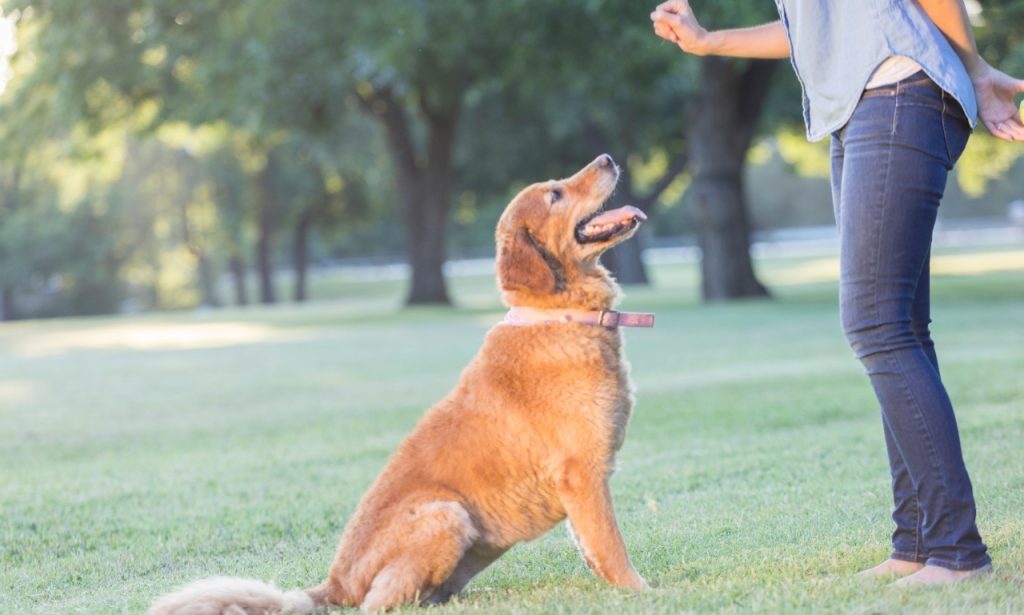
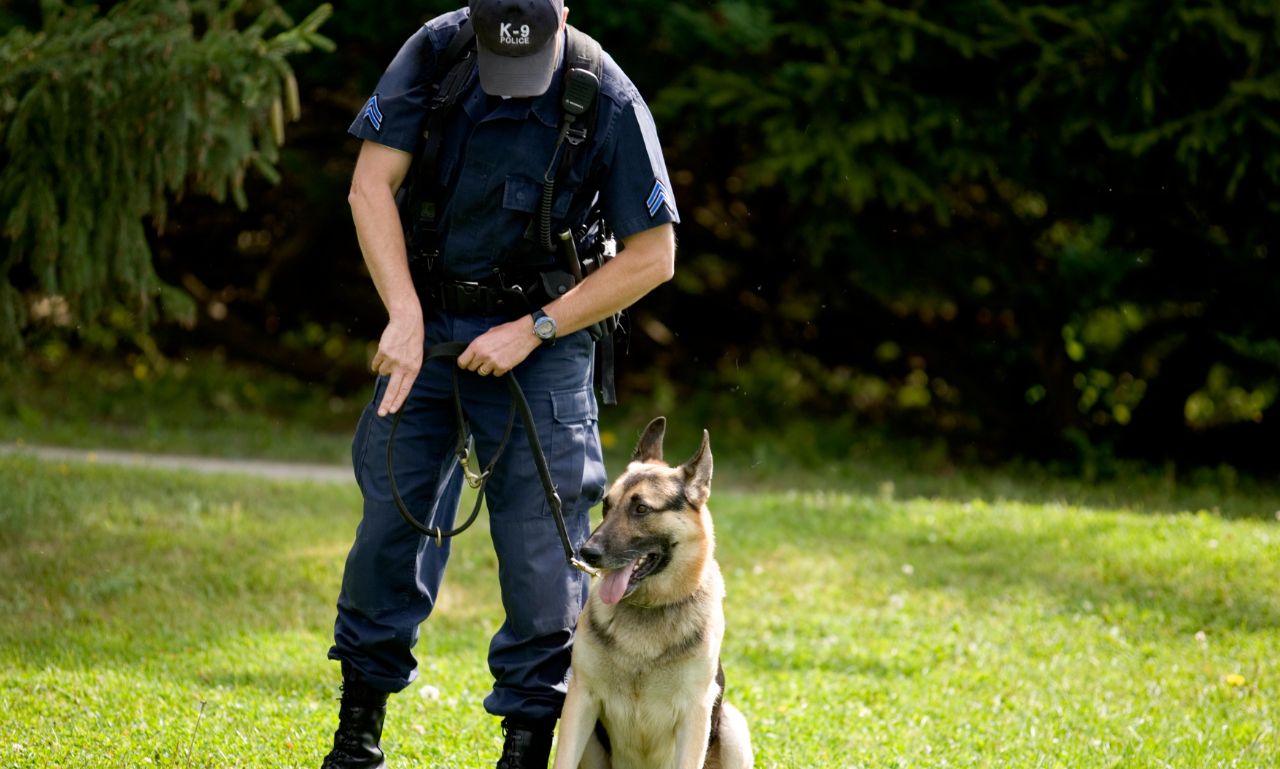
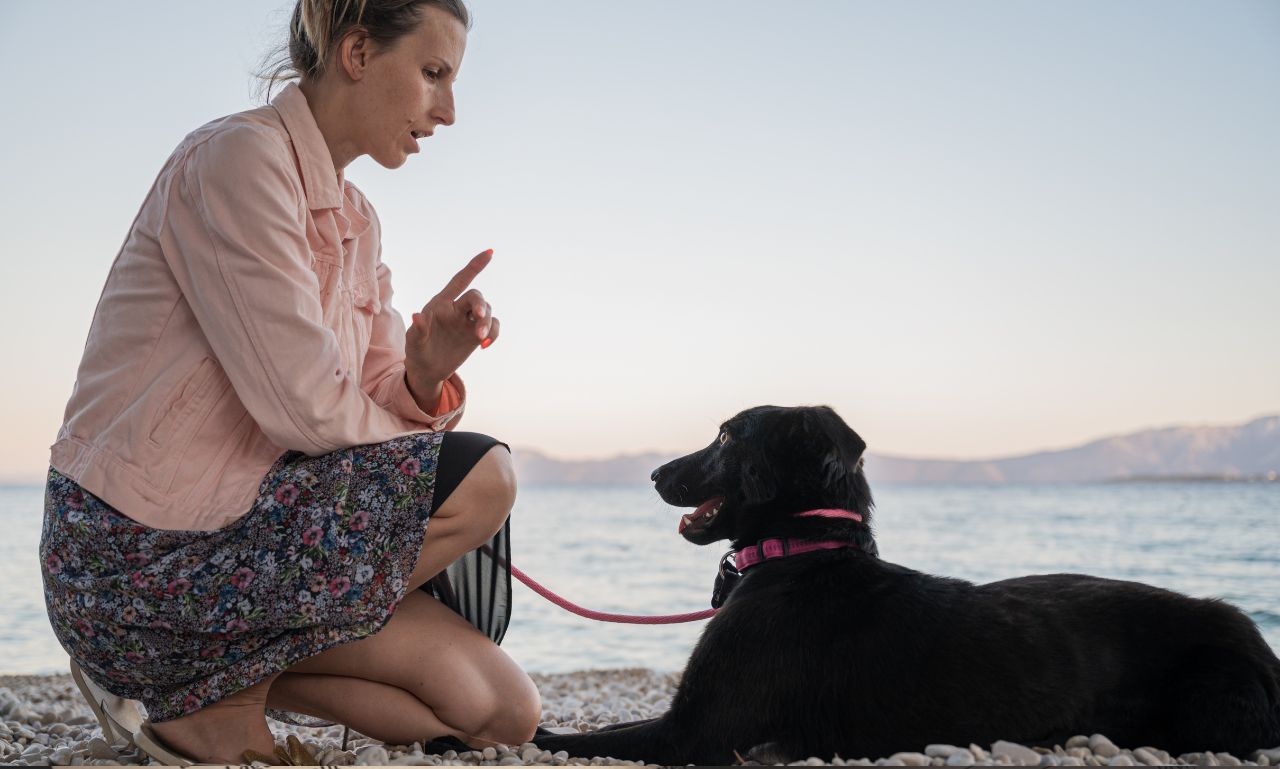
    Impulse-control exercises can make a big difference as well. Commands such as “sit,” “stay,” and “place” teach dogs to pause and think before reacting.

    Professional trainers frequently use these exercises because they improve emotional regulation in a wide variety of situations, not just excitement peeing.

    Progress may seem slow at times, but consistency is where the magic happens.

    Mistakes to Avoid When Correcting Excitement Peeing

    Here’s where many well-meaning owners accidentally make things worse.

    They punish the dog.

    The puddle appears, frustration kicks in, and the dog gets scolded.

    Unfortunately, punishment rarely solves excitement urination. In fact, it often increases anxiety, which can lead to even more accidents.

    Your dog isn’t trying to misbehave. They’re experiencing an emotional response they haven’t yet learned to control.

    Physical corrections should also be avoided. They damage trust and create fear without addressing the root cause of the problem.

    Another common mistake is making a big deal out of accidents. Dogs are incredibly sensitive to human reactions. Turning cleanup into a dramatic event can increase stress and reinforce unwanted behaviors.

    Instead, clean the area quietly and focus your energy on prevention and training.

    Patience may not be the fastest solution, but it’s almost always the most effective one.

    How Long Does It Take for Dogs to Outgrow Excitement Peeing?

    When Puppies Naturally Stop Excitement Urination

    How Do You Stop Excitement Peeing in Dogs?

    For many puppies, excitement peeing tends to fade as they mature.

    As bladder muscles strengthen and emotional control improves, accidents become less frequent. Most puppies show noticeable improvement between six and twelve months of age.

    Some dogs mature faster than others. Breed, personality, training consistency, and overall confidence all influence the timeline.

    A confident puppy with regular training may overcome excitement urination relatively quickly. A more sensitive dog may need additional time and support.

    The important thing is to focus on progress rather than perfection. Even small improvements indicate your dog is moving in the right direction.

    What to Do If an Adult Dog Still Pees When Excited

    Adult dogs can still struggle with excitement urination, particularly if the behavior was never properly addressed during puppyhood. The good news is that improvement is still possible.

    Start by identifying specific triggers. Does your dog pee when guests arrive? During play sessions? When greeting certain family members?

    Once you know the triggers, you can develop a management plan around them.

    Confidence-building exercises often help adult dogs significantly. Structured training sessions, mental enrichment activities, and predictable routines can reduce emotional overwhelm.

    Some owners find success by having guests ignore the dog initially. Once the excitement level drops, interactions become much easier to manage.

    If the problem persists, working with a certified trainer or veterinary behaviorist can provide valuable insight and customized solutions.

    Conclusion

    If you’ve been asking yourself, How Do You Stop Excitement Peeing in Dogs?, remember that your dog isn’t being stubborn, spiteful, or poorly trained. More often than not, they’re overwhelmed by emotions they haven’t yet learned to control.

    The encouraging news is that most dogs improve with time, patience, and consistent training. Calm greetings, positive reinforcement, regular potty breaks, and confidence-building exercises can all make a noticeable difference.

    Every successful greeting is a small step forward. Some days will be better than others, and that’s perfectly normal.

    Stick with the process, celebrate progress when it happens, and give your dog the support they need. Before long, those enthusiastic welcomes may still include plenty of tail wagging—but hopefully a lot less cleaning up afterward.

    Also Read: Why Does My Pet Follow Me to the Bathroom?

    FAQs

    Should I punish my dog for peeing from excitement?

    No. Punishment often increases stress and can worsen the behavior.

    Can a fully house-trained dog still pee when excited?

    Yes. Excitement urination can occur even in dogs that are otherwise completely house-trained.

    When should I see a veterinarian?

    Schedule a visit if accidents happen frequently, appear unrelated to excitement, or are accompanied by signs of illness.

    Do some breeds experience excitement peeing more than others?

    Highly social and energetic breeds may be more prone to excitement urination, although any dog can develop the behavior.

  • Can Dogs Remember People After Years Apart?

    Can Dogs Remember People After Years Apart?

    Imagine opening your front door and seeing a dog you haven’t met in years.

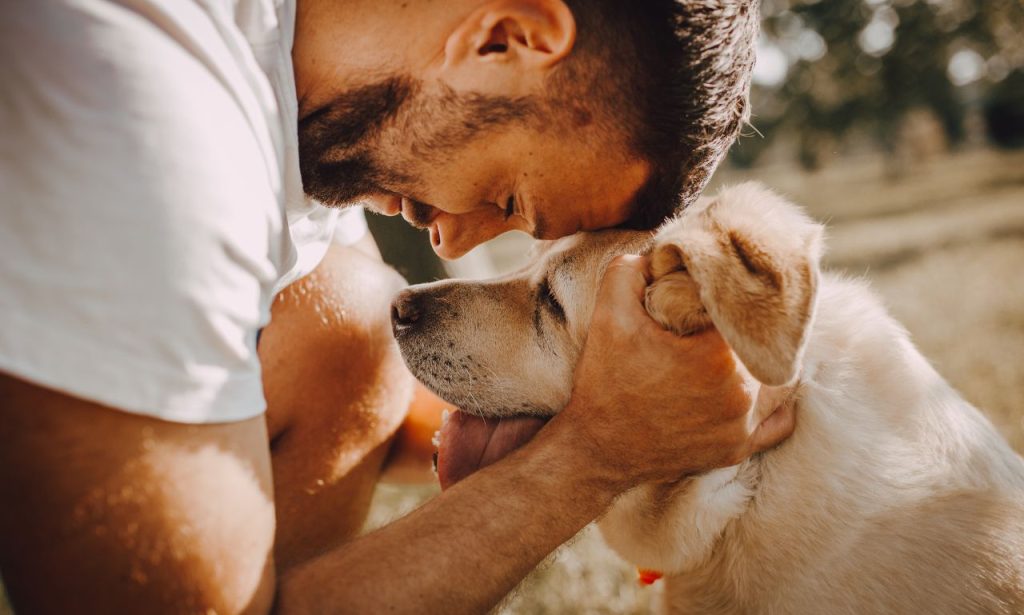
    Before you can say a word, the dog is already racing toward you. Its tail is wagging so hard that its whole body shakes. It jumps, licks your face, and acts as if you were together yesterday.

    Moments like these raise an interesting question: Can Dogs Remember People After Years Apart?

    Most dog owners would probably answer with a confident yes. After all, countless reunion stories seem to prove it. Lost dogs have found their way back to their owners years later. Military personnel returning from deployment have been greeted by emotional pets that appear to recognize them instantly.

    Let’s take a closer look at how dogs remember and why some bonds seem to stand the test of time.

    How Does a Dog’s Memory Work?

    Can Dogs Remember People After Years Apart

    People often assume dogs think the same way humans do. In reality, their brains process information quite differently.

    A dog experiences the world primarily through smell, emotion, and association. Those factors play a huge role in memory formation.

    Do Dogs Have Long-Term Memory or Only Short-Term Memory?

    For many years, scientists believed dogs had relatively limited memories. Early studies suggested that dogs quickly forgot events that were not immediately relevant.

    Today, researchers know the story is much more complicated.

    Dogs may not remember a specific afternoon at the park from three years ago. They probably won’t replay detailed life events in their minds the way humans often do.

    What they do possess is a powerful form of associative memory.

    This type of memory allows dogs to connect people, places, sounds, and scents with experiences. When a particular person consistently provides food, affection, comfort, or playtime, that person becomes associated with positive emotions.

    Think about how excited your dog gets when you pick up a leash. That reaction isn’t random. Your dog has formed countless positive associations with walks.

    The same process occurs with people.

    Over time, meaningful relationships become deeply embedded in a dog’s memory system.

    How Dogs Store Memories Through Experiences, Emotions, and Associations

    Not every experience leaves a lasting impression. Dogs tend to remember things that carry emotional weight.

    For example, a puppy raised by a loving family spends years building positive associations. Daily walks, belly rubs, meals, games, and quiet moments on the couch all contribute to a strong emotional connection.

    Those experiences create memory pathways that become increasingly difficult to erase.

    Animal behaviorists often explain that emotions strengthen memory retention. The stronger the emotional experience, the more likely it is to be remembered.

    Dogs don’t necessarily remember every detail. Instead, they remember how someone made them feel.

    That distinction helps explain why certain reunions are so powerful years later.

    What Science Says About Dogs Recognizing Former Owners?

    Can Dogs Remember People After Years Apart

    Several studies have explored how dogs recognize familiar humans.

    One of the most notable came from researchers at Emory University. Brain imaging scans showed increased activity when dogs were exposed to the scent of familiar people. The strongest responses often came from scents associated with owners.

    Scientists believe this reaction is linked to emotional memory.

    Dogs develop strong neurological connections with individuals who play significant roles in their lives. Those connections can remain intact for years.

    Behavior experts regularly observe similar patterns.

    Former owners who reunite with dogs often report immediate recognition. The dog’s reaction differs dramatically from its response to strangers.

    While scientists cannot ask a dog what it remembers, behavioral evidence strongly suggests that dogs retain memories of important people far longer than many once believed.

    Real-Life Examples of Dogs Reuniting With People After Long Separations

    Scientific studies tell part of the story. Real-life experiences often make the evidence feel more tangible.

    After Hurricane Katrina, numerous pets became separated from their families. Some reunions happened years later.

    Many of those dogs displayed unmistakable signs of recognition. They ran toward former owners, whined with excitement, and sought physical contact almost immediately.

    Shelter workers witness similar moments every year.

    Ask someone who works in animal rescue, and you’ll likely hear stories that sound almost unbelievable. A dog sees a former owner after years apart and instantly reacts as though no time has passed.

    Of course, not every reunion looks the same. Some dogs are naturally more expressive than others.

    Still, these stories continue to support the idea that meaningful relationships leave lasting impressions.

    How Do Dogs Recognize People They Haven’t Seen in Years?

    Recognition isn’t based on a single factor.

    Dogs combine multiple senses to identify familiar individuals.

    The Powerful Role of Scent in Canine Recognition

    If humans rely heavily on sight, dogs rely heavily on smell.

    A dog’s sense of smell is estimated to be tens of thousands of times more sensitive than ours. Some experts believe it may be even stronger under certain conditions.

    Every person carries a unique scent profile. Dogs can detect subtle differences that humans would never notice.

    This ability gives dogs an incredible advantage in recognition.

    Hair color changes. Weight fluctuates. Faces age.

    Scent remains remarkably consistent.

    Many canine behavior specialists describe scent as a dog’s primary filing system for memory. Once a scent becomes connected to positive experiences, recognition can last for years.

    It’s one reason dogs often become excited when they smell an old shirt or blanket belonging to someone they love.

    How Dogs Use Voices, Faces, and Body Language to Identify Humans

    Smell does most of the heavy lifting, but it isn’t the only tool dogs use.

    Research suggests dogs can distinguish familiar voices from unfamiliar ones. They learn tone, rhythm, and speech patterns over time.

    Visual recognition also contributes.

    Studies indicate that dogs can identify human faces, particularly those they see regularly. They pay attention to facial features, expressions, and movement.

    Body language provides additional clues.

    The way someone walks, gestures, or stands can trigger recognition. Even from a distance, dogs often notice subtle cues that humans overlook.

    When scent, voice, and appearance align, recognition becomes even stronger.

    How Long Can Dogs Remember Their Owners and Loved Ones?

    There is no exact expiration date for a dog’s memory.

    Several factors determine how long a person remains recognizable.

    Factors That Influence a Dog’s Ability to Remember Someone

    The strength of the relationship is usually the biggest factor.

    A person who cared for a dog every day for years will leave a stronger impression than someone who visited occasionally.

    Frequency matters as well.

    Repeated interactions reinforce memory pathways. The more positive experiences a dog shares with someone, the stronger those memories become.

    Age can also influence memory.

    Senior dogs sometimes experience cognitive decline, much like elderly humans. Even so, long-standing memories often remain intact longer than recent ones.

    Emotional significance plays an important role too.

    Moments tied to comfort, safety, excitement, or affection tend to be remembered more clearly.

    Do Dogs Remember Family Members, Friends, and Other Pets?

    Dogs are capable of remembering more than just their owners.

    Family members who regularly interact with a dog often become part of its long-term memory. Friends who visit frequently can also leave lasting impressions.

    The same principle applies to other animals.

    Many dogs remember former canine companions long after being separated. Researchers and trainers have observed dogs recognizing old playmates years later through scent alone.

    This ability highlights just how social dogs truly are.

    Their memories are often built around relationships, whether with humans or other animals.

    Signs Your Dog Remembers You After a Long Time Apart

    Can Dogs Remember People After Years Apart

    Not every dog reacts dramatically during a reunion.

    Some are naturally calm. Others wear their emotions on their sleeve.

    Common Behavioral and Emotional Reactions During Reunions

    One of the most obvious signs is excitement.

    A dog that remembers someone may wag its tail excessively, jump, spin in circles, or whine or bark.

    Many dogs seek immediate physical contact. They may lean against the person, lick their hands, or refuse to leave their side.

    Some reactions are more subtle.

    A normally cautious dog may instantly relax around a familiar person. Others maintain constant eye contact or quietly follow them throughout the house.

    Veterinarians often point out that recognition is usually expressed through a combination of behaviors rather than one specific action.

    The overall response tends to communicate familiarity, trust, and emotional connection.

    Conclusion

    So, can dogs remember people after years apart?

    In many cases, the answer appears to be yes.

    Dogs may not revisit memories the way humans do, but they possess powerful associative memories built on scent, emotion, and experience. Those memories help them recognize people who played meaningful roles in their lives.

    Perhaps that’s why reunion videos resonate with so many people. They remind us that the bond between humans and dogs goes far beyond feeding schedules and daily walks.

    A favorite owner. A childhood companion. A family member who always shared treats.

    Those relationships leave a mark.

    Years may pass, appearances may change, and life may move in different directions. Yet for many dogs, the people they love remain unforgettable.

    Also Read: Why Does My Dog Bring Me Random Objects?

    FAQs

    1. Do dogs remember people through smell?

    Absolutely. Scent is one of the primary ways dogs recognize and remember familiar individuals.

    3. Can dogs forget previous owners?

    Some memories may fade, but significant relationships often remain recognizable for many years.

    4. Do dogs miss people they haven’t seen in a long time?

    Research suggests dogs form strong attachments and can show signs of missing important people.

    5. Can older dogs still recognize people from their past?

    Yes. Although aging can affect memory, many senior dogs continue to recognize familiar people from earlier stages of their lives.