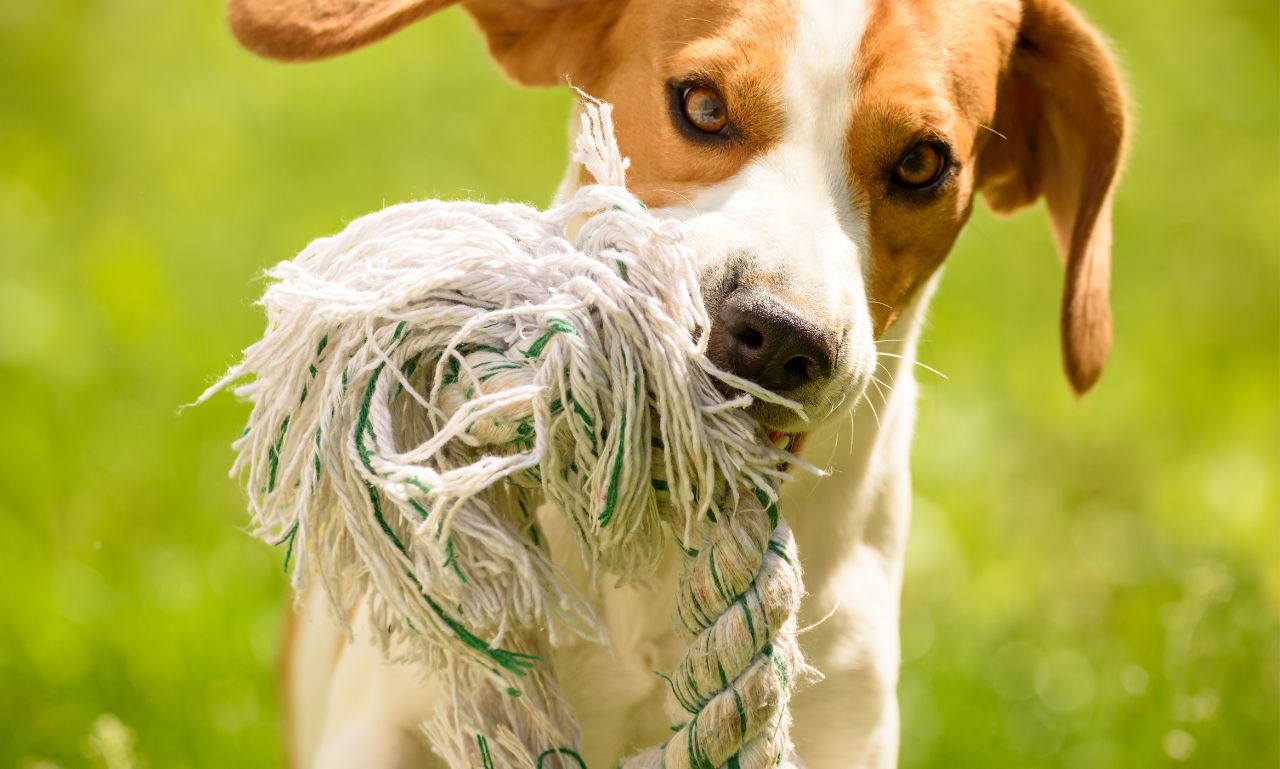
You are relaxing on the couch when your dog trots over carrying a sock, a toy, or even a TV remote. A few minutes later, they return with something else. Sound familiar?
Many dog owners experience this behavior and wonder what is going on inside their pet’s mind. While it may seem random, dogs rarely do things without a reason. Bringing objects can be a form of communication, a sign of affection, or an instinctive behavior rooted in their ancestry.
Understanding why your dog does this can strengthen your bond and help you respond appropriately. In some cases, it is completely normal and even heartwarming. In others, it may point to boredom, anxiety, or a need for more mental stimulation.
So, Why Does My Dog Bring Me Random Objects? The answer depends on your dog’s personality, experiences, breed traits, and emotional state.
Is Your Dog Trying to Get Your Attention?
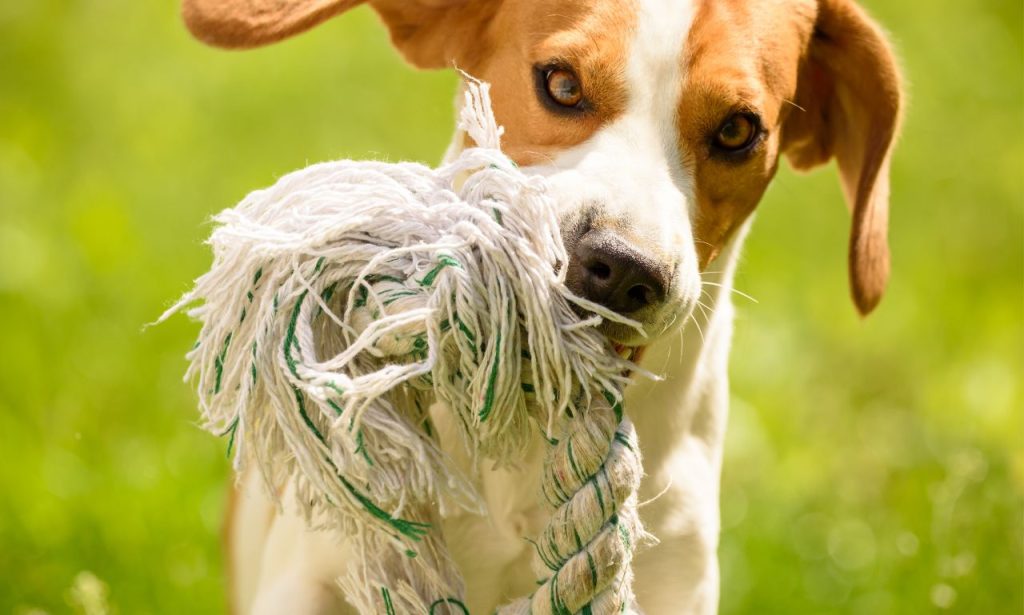
One of the most common reasons dogs bring random objects is simple: they want your attention.
Think about what usually happens when your dog drops a toy or sock at your feet. Chances are, you look at them, speak to them, or otherwise interact with them. From your dog’s perspective, the behavior worked.
Veterinary behaviorists often explain that dogs repeat actions that receive a response. Even if you laugh while taking away a stolen shoe, your dog may view the interaction as a reward.
Many owners notice this behavior increases when they are busy. Dogs may bring objects while you are working, watching television, or talking on the phone. It becomes their way of saying, “Hey, don’t forget about me.”
If the object delivery comes with tail wagging, playful body language, or excitement, attention-seeking is likely the motivation.
Bringing Objects as a Sign of Affection, Trust, and Bonding
Sometimes, the behavior has nothing to do with play. Instead, it reflects the bond your dog shares with you.
Dogs often value certain possessions, especially favorite toys. When they bring those treasured items to their owners, they may be demonstrating trust. In canine social groups, sharing resources can be a positive social gesture.
Animal behavior researchers have observed similar sharing behaviors among highly social species. While dogs are not consciously giving gifts the way humans do, the action can still signal comfort and affection.
Many pet owners report their dogs bringing toys when they return home after work. The object may serve as an emotional outlet for excitement. Rather than jumping excessively, the dog carries something while greeting a loved one.
It is a bit like a child showing off a favorite drawing. Your dog is saying, “Look what I have,” while also expressing happiness about your presence.
What Different Objects Your Dog Brings Can Reveal
Not all objects carry the same meaning. The type of item your dog chooses can provide clues about what they are feeling.
Why Dogs Bring Toys, Socks, Shoes, and Household Items
Toys are usually the easiest items to interpret. They often signal a desire for play or interaction. A tennis ball dropped at your feet leaves little room for confusion.
Socks and shoes tell a different story. These items carry your scent, which makes them particularly attractive to dogs. Your smell provides comfort and familiarity, especially when you are away.
Many trainers have noticed dogs carrying household objects during periods of excitement. A dog greeting visitors may grab the nearest item simply because they need an outlet for all that energy.
One well-known example comes from Labrador Retriever owners. Labs frequently carry objects around the house without any intention of destroying them. Their retrieving instincts encourage carrying behavior, even when the item is completely unrelated to play.
Household items can also become targets when dogs are bored and looking for stimulation.
Does the Type of Object Reflect Your Dog’s Emotions or Needs?
In many cases, yes.
A dog carrying a comfort object may be self-soothing during stressful situations. Some dogs consistently choose the same stuffed animal when thunderstorms or fireworks occur.
Objects associated with their owners can provide reassurance. This explains why some dogs carry clothing items when left alone.
Pay attention to patterns. Does your dog bring toys when they want exercise? Do they collect socks when you leave the house? Observing the circumstances surrounding the behavior can reveal valuable insights.
Context matters more than the object itself. The same shoe could represent affection, boredom, excitement, or anxiety depending on the situation.
The Science and Instincts Behind Object-Carrying Behavior
Modern dogs may live in comfortable homes, but many of their behaviors are still influenced by instincts passed down through generations.
Natural Retrieving, Hunting, and Pack Instincts in Dogs
Carrying objects has deep evolutionary roots.
Wild canines often transport food, prey, or resources back to their group. Although today’s dogs rarely hunt for survival, those instinctive tendencies remain.
Retrieving breeds offer a perfect example. Their ancestors were selectively bred to bring game birds back to hunters without damaging them. As a result, many retrievers naturally enjoy carrying things.
Researchers studying canine behavior frequently note that object carrying satisfies an instinctive need. The act itself can be rewarding, even when no obvious purpose exists.
This explains why some dogs proudly parade around the house with random possessions. From their perspective, carrying an object feels natural.
How Breed Traits Influence Carrying and Fetching Behaviors
Breed can play a significant role in this behavior.
Labrador Retrievers, Golden Retrievers, Flat-Coated Retrievers, and other sporting breeds often show strong object-carrying tendencies. Owners frequently describe these dogs as happiest when something is in their mouths.
Spaniels and hunting breeds may display similar habits because they were developed to retrieve game.
Meanwhile, herding breeds sometimes carry objects as part of their natural drive to control movement and activity. Even mixed-breed dogs can inherit strong retrieving instincts from their lineage.
A veterinarian may ask about breed background when evaluating behavior because genetics often provide important clues.
If your dog belongs to a breed known for retrieving, carrying random objects may be part of their nature.
Should You Encourage or Discourage This Behavior?
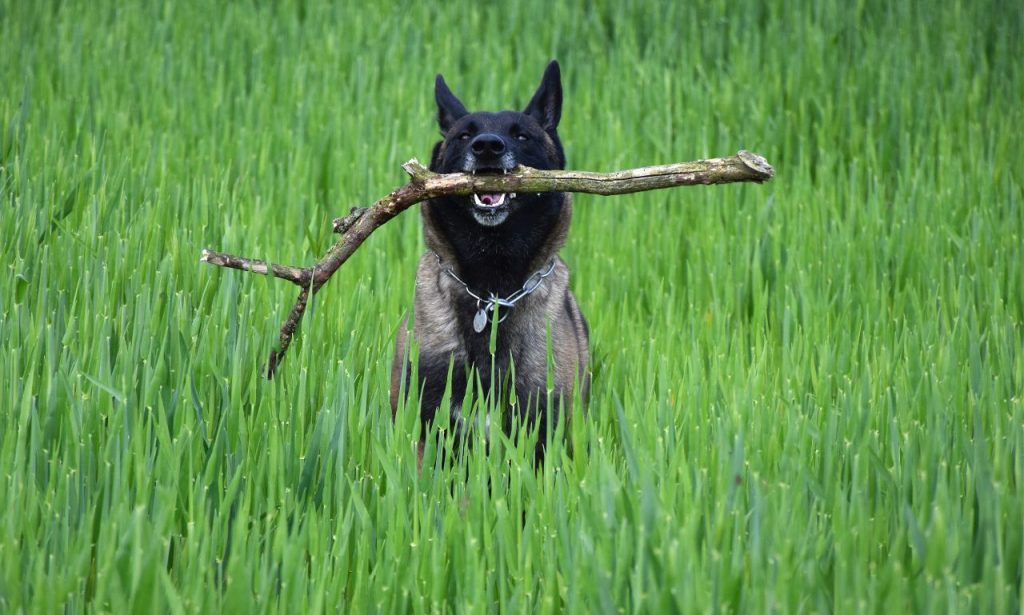
The answer depends on what your dog is carrying and why they are doing it.
When Bringing Objects Is a Healthy and Positive Habit
In many households, object bringing is harmless and even beneficial.
The behavior often reflects engagement, curiosity, and a desire for social interaction. Dogs that bring toys to initiate play are demonstrating healthy communication skills.
Positive interactions around appropriate objects can strengthen your relationship. When your dog offers a toy, responding with a short game can provide valuable mental and physical stimulation.
Many professional trainers encourage owners to reward appropriate carrying behavior. It creates opportunities for bonding while reinforcing desirable habits.
If your dog proudly delivers a toy every evening, there is usually no reason to discourage it.
Training Tips for Managing Excessive or Inappropriate Item Collecting
Problems arise when dogs target valuable or dangerous objects.
Remote controls, medications, eyeglasses, and electrical cords should never become part of a carrying routine. Prevention remains the best solution.
Keep tempting items out of reach and provide suitable alternatives. Interactive toys, chew toys, and retrieval games can satisfy the urge to carry objects while keeping them safe.
Consistency matters. If you laugh one day and scold the next, your dog may become confused.
Redirecting works better than punishment. When your dog grabs an inappropriate item, calmly exchange it for an approved toy. Over time, they learn which objects earn positive attention.
Ask yourself a simple question: Does my dog have enough exercise and mental enrichment? Increasing daily activity often reduces unwanted collecting behaviors.
When Bringing Random Objects May Signal a Problem
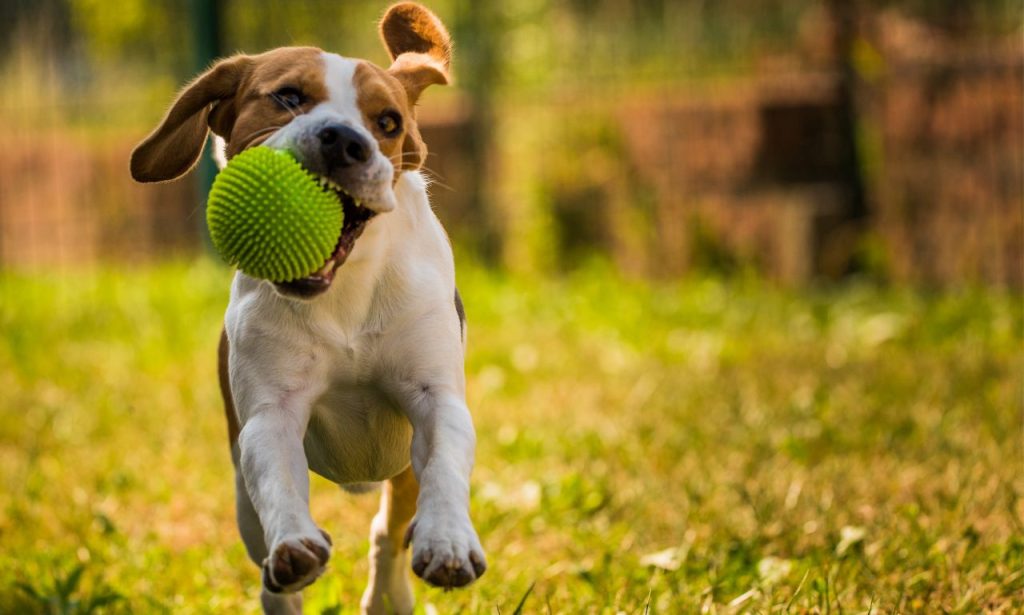
Although the behavior is usually harmless, certain situations deserve closer attention.
Anxiety, Stress, and Attention-Seeking Behaviors to Watch For
Dogs experiencing anxiety sometimes use object carrying as a coping mechanism.
Separation anxiety can lead dogs to seek out items that smell like their owners. These objects provide comfort when the owner is absent.
Stress-related carrying may also appear alongside pacing, whining, excessive barking, or destructive behavior.
Attention-seeking can become problematic when it becomes relentless. A dog that constantly brings objects and struggles to settle may be expressing unmet emotional or physical needs.
Major household changes can also contribute. Moving homes, introducing a new pet, or changes in routine may temporarily increase the behavior.
Observing your dog’s overall emotional state helps determine whether the behavior is normal or stress-related.
Signs It’s Time to Consult a Veterinarian or Dog Behaviorist
Professional guidance may be necessary if the behavior suddenly changes or becomes extreme.
Watch for signs such as obsessive collecting, swallowing non-food objects, guarding collected items aggressively, or displaying significant anxiety.
Pica, a condition involving the consumption of non-food materials, requires veterinary attention because it can lead to serious health complications.
Behaviorists can help identify underlying emotional triggers and develop a customized training plan.
Trust your instincts as an owner. You know your dog’s normal habits better than anyone. If something feels unusual, seeking expert advice is always a smart decision.
Conclusion
If you’ve ever asked yourself, “Why Does My Dog Bring Me Random Objects?”, the answer is often more meaningful than it appears. Dogs use objects to communicate, seek attention, express affection, satisfy instincts, and sometimes cope with stress.
Most of the time, the behavior is perfectly normal and even endearing. A sock delivery or toy presentation may be your dog’s unique way of connecting with you.
Take a moment to observe what your dog brings, when they bring it, and how they behave afterward. Those small details can reveal a lot about their emotions and needs.
Next time your furry friend proudly drops a random item at your feet, consider it an invitation to understand the world through their eyes better.
FAQs
1. Why does my dog bring me random objects but not let me take them?
Many dogs enjoy initiating interaction but still want possession of the item. It often becomes a playful game.
2. Is my dog giving me gifts?
Not exactly, but the behavior can reflect affection, trust, and a desire to interact with you.
3. Why does my dog bring me socks specifically?
Socks carry your scent, making them comforting and highly attractive to many dogs.
4. Should I stop my dog from bringing objects?
Only if the objects are dangerous or valuable, bringing toys is generally a healthy behavior.
5. Can anxiety cause dogs to carry objects?
Yes. Some dogs use familiar objects as a coping mechanism during stressful situations or when left alone.
Leave a Reply