Category: Uncategorized

  • Can Cats Recognize Their Names?

    If you’ve ever called your cat and received nothing more than a slow blink or a flick of the tail, you’ve probably wondered: Can Cats Recognize Their Names?

    It’s a fair question. Dogs often come running when called, but cats seem to operate by a different set of rules. Many cat owners assume their pets don’t know their names. The reality is much more interesting.

    Research suggests that cats can recognize their names and distinguish them from other words. Yet recognition and response are two very different things. A cat may hear you perfectly and still decide that whatever it’s doing is more important.

    Understanding how cats process sounds, learn words, and interact with people offers fascinating insight into the feline mind. Let’s take a closer look at what science and real-world experience reveal.

    Can Cats Really Recognize Their Names?

    Cats have a reputation for being aloof, but that doesn’t mean they are unaware of what’s happening around them. Their ability to recognize sounds and patterns is often underestimated.

    What Scientific Studies Reveal About Cat Name Recognition

    One of the most widely discussed studies on this topic was conducted by researchers at Sophia University in Japan. The study, published in Scientific Reports in 2019, found that cats could distinguish their names from other words, even when spoken by strangers.

    Researchers played recordings of various words that sounded similar in length and tone to the cats’ names. Most cats showed noticeable reactions when they heard their actual names. Ear movements, head turns, and tail flicks indicated recognition.

    What makes this study particularly interesting is that the cats weren’t rewarded during testing. Their reactions appeared to stem from genuine familiarity rather than immediate expectations of food or treats.

    Veterinarians and animal behaviorists have observed similar patterns for years. Many report that cats consistently respond to names they’ve heard repeatedly, especially when those names are linked to positive experiences.

    How Cats Differentiate Their Names From Other Words

    Cats don’t understand language the same way humans do. They aren’t attaching complex meanings to words. Instead, they learn through repetition and association.

    Over time, a cat comes to associate its name with feeding, playtime, affection, or attention. The sound becomes significant because it predicts something relevant.

    Think about it like hearing your favorite restaurant’s name. You instantly associate it with certain experiences. Cats form similar connections, although on a simpler level.

    Studies suggest that cats pay close attention to sound patterns. They can identify differences in syllables, rhythm, and vocal pitch. As a result, their names stand out in the everyday conversations around them.

    How Do Cats Learn and Remember Their Names?

    A cat isn’t born knowing its name. Learning happens gradually through daily interactions and repeated exposure.

    The Role of Repetition, Association, and Positive Reinforcement

    Every time you say your cat’s name before offering food or affection, you’re strengthening an association.

    Cats are remarkably good at recognizing patterns. If hearing their name frequently leads to something enjoyable, they begin paying attention whenever that sound occurs.

    Positive reinforcement accelerates the learning process. A kitten that receives treats or praise after responding to its name often learns faster than one that receives no feedback.

    Many shelter workers see this firsthand. Newly adopted cats may seem indifferent to their names at first. After several weeks of consistent use, however, recognition becomes increasingly obvious.

    The process resembles how humans learn brand names through repeated exposure. Familiarity builds over time until recognition becomes automatic.

    Why Tone of Voice Matters More Than You Think

    Cats don’t just listen to words. They also pay attention to how those words are spoken.

    A cheerful, upbeat tone usually attracts more attention than a flat or irritated voice. That’s because emotional cues often provide additional context.

    Anyone who shares a home with a cat has probably noticed this phenomenon. A cat might ignore its name spoken casually from across the room, but react immediately when the same name is said in an excited voice.

    Researchers studying animal communication have found that cats are particularly responsive to high-pitched, friendly vocalizations. This may explain why many people instinctively use a softer, more animated tone when talking to pets.

    Your voice becomes part of the message. Sometimes the delivery matters almost as much as the name itself.

    Why Do Cats Ignore You Even When They Know Their Name?

    Recognition doesn’t guarantee cooperation. This distinction is where many misconceptions about feline behavior begin.

    Understanding Feline Independence and Selective Responses

    Cats evolved differently from dogs. While dogs were bred for cooperation and teamwork, cats maintained much of their independent hunting nature.

    A cat often evaluates whether responding is worthwhile. If there’s no obvious benefit, it may choose to continue resting, grooming, or watching birds through the window.

    Animal behavior experts frequently compare this behavior to selective listening in humans. People hear plenty of things every day but don’t react to all of them.

    Many cat owners interpret silence as ignorance. In reality, their cat may have heard every word.

    The Japanese study mentioned earlier observed this exact behavior. Cats frequently acknowledged being called by subtle body movements without approaching the caller.

    Factors That Affect a Cat’s Willingness to Respond

    Several factors influence whether a cat responds when called.

    Mood plays a major role. A relaxed cat may be more receptive than one focused on hunting a toy or napping.

    Environment also matters. Loud noises, unfamiliar visitors, or competing distractions can reduce responsiveness.

    Age can make a difference as well. Older cats sometimes experience hearing loss, which can affect their ability to respond consistently.

    Health concerns should never be overlooked. If a normally responsive cat suddenly stops reacting to its name, a veterinary checkup may be worthwhile.

    Understanding these factors helps set realistic expectations. Cats aren’t being stubborn every time they ignore you. Sometimes other priorities win.

    What Else Can Cats Recognize Besides Their Names?

    A cat’s recognition abilities extend far beyond a single word.

    Can Cats Recognize Their Owners’ Voices and Faces?

    Research indicates that cats can recognize their owners’ voices. Several studies have shown that cats respond differently to familiar voices than unfamiliar ones.

    This recognition often appears subtle. Rather than running across the room, a cat may rotate its ears, lift its head, or adjust its posture.

    Facial recognition is a bit more complicated. Cats rely heavily on scent and sound, but evidence suggests they can also distinguish familiar faces under certain circumstances.

    Many pet owners have experienced their cat greeting them at the door after a long day. While scent and routine contribute to this behavior, visual recognition likely plays a role as well.

    Anyone who has returned home after a vacation knows the feeling. Cats often recognize their people almost immediately, even after extended absences.

    Do Cats Know the Names of Other Pets and Family Members?

    Surprisingly, some evidence suggests they do.

    A 2022 study from Kyoto University found that cats living in multi-pet households appeared capable of linking specific names to specific individuals.

    Researchers showed cats photographs of familiar pets while playing recorded names. When the name didn’t match the image, many cats displayed signs of surprise or confusion.

    These findings suggest that cats may learn much more about household dynamics than previously believed.

    Although they don’t understand language in the human sense, they seem capable of forming associations between words and particular individuals.

    For pet owners, this serves as a reminder that cats are constantly observing and learning from their environment.

    How to Teach a Cat to Recognize and Respond to Its Name

    Training a cat requires patience, consistency, and realistic expectations.

    Step-by-Step Training Techniques for Kittens and Adult Cats

    Start by using your cat’s name frequently during positive interactions. Say the name before meals, treats, play sessions, or affection.

    Keep training sessions short. Cats tend to respond better to brief, enjoyable experiences than lengthy drills.

    When your cat looks toward you after hearing its name, immediately reward the behavior. Treats, praise, or a favorite toy can reinforce the connection.

    Consistency is crucial. Everyone in the household should use the same name rather than multiple nicknames during training.

    Adult cats can learn new names too. The process may take longer, but repeated positive associations often produce excellent results.

    Have you recently adopted a rescue cat? Don’t worry if progress seems slow. Many adult cats successfully learn entirely new names within a few weeks.

    Common Mistakes That Prevent Cats From Responding Consistently

    One common mistake is using a cat’s name only when correcting unwanted behavior.

    If every mention of the name is followed by scolding, the cat may develop negative associations.

    Another issue involves inconsistency. Switching between several variations of a name can make learning more difficult.

    Repeating a cat’s name endlessly without any reward also reduces effectiveness. Eventually, the sound becomes background noise.

    Patience matters more than most people realize. Cats learn at their own pace, and forcing interactions rarely produces good results.

    A better approach focuses on creating positive experiences that encourage voluntary responses.

    Conclusion

    So, Can Cats Recognize Their Names? The evidence strongly suggests they can.

    Scientific studies, behavioral observations, and countless experiences from cat owners all point to the same conclusion. Cats are capable of distinguishing their names from other words and remembering those sounds through repeated associations.

    Recognition, however, doesn’t guarantee obedience. Cats approach communication differently from dogs, often choosing whether to respond based on their own priorities.

    Beyond recognizing names, cats can identify familiar voices, understand household routines, and may even associate names with other pets and people. Their cognitive abilities are more sophisticated than many people assume.

    Next time your cat ignores you, consider the possibility that it heard you perfectly. It might simply be making a very cat-like decision.

    Also Read: Why Do Cats Sit on Laptops and Keyboards?

    FAQs

    1. Why doesn’t my cat come when I call its name?

    Cats often choose whether to respond based on interest, mood, and surrounding distractions.

    2. Can an older cat learn a new name?

    Yes, adult cats can learn new names through repetition and positive reinforcement.

    3. Do cats recognize their owners’ voices?

    Yes, research suggests cats can identify familiar human voices and react differently to them.

    4. How long does it take a cat to learn its name?

    Many cats begin recognizing their names within a few weeks of consistent use and training.
  • Why Does My Dog Bring Me Random Objects?

    Why Does My Dog Bring Me Random Objects?

    You are relaxing on the couch when your dog trots over carrying a sock, a toy, or even a TV remote. A few minutes later, they return with something else. Sound familiar?

    Many dog owners experience this behavior and wonder what is going on inside their pet’s mind. While it may seem random, dogs rarely do things without a reason. Bringing objects can be a form of communication, a sign of affection, or an instinctive behavior rooted in their ancestry.

    Understanding why your dog does this can strengthen your bond and help you respond appropriately. In some cases, it is completely normal and even heartwarming. In others, it may point to boredom, anxiety, or a need for more mental stimulation.

    So, Why Does My Dog Bring Me Random Objects? The answer depends on your dog’s personality, experiences, breed traits, and emotional state.

    Is Your Dog Trying to Get Your Attention?

    Why Does My Dog Bring Me Random Objects?

    One of the most common reasons dogs bring random objects is simple: they want your attention.

    Think about what usually happens when your dog drops a toy or sock at your feet. Chances are, you look at them, speak to them, or otherwise interact with them. From your dog’s perspective, the behavior worked.

    Veterinary behaviorists often explain that dogs repeat actions that receive a response. Even if you laugh while taking away a stolen shoe, your dog may view the interaction as a reward.

    Many owners notice this behavior increases when they are busy. Dogs may bring objects while you are working, watching television, or talking on the phone. It becomes their way of saying, “Hey, don’t forget about me.”

    If the object delivery comes with tail wagging, playful body language, or excitement, attention-seeking is likely the motivation.

    Bringing Objects as a Sign of Affection, Trust, and Bonding

    Sometimes, the behavior has nothing to do with play. Instead, it reflects the bond your dog shares with you.

    Dogs often value certain possessions, especially favorite toys. When they bring those treasured items to their owners, they may be demonstrating trust. In canine social groups, sharing resources can be a positive social gesture.

    Animal behavior researchers have observed similar sharing behaviors among highly social species. While dogs are not consciously giving gifts the way humans do, the action can still signal comfort and affection.

    Many pet owners report their dogs bringing toys when they return home after work. The object may serve as an emotional outlet for excitement. Rather than jumping excessively, the dog carries something while greeting a loved one.

    It is a bit like a child showing off a favorite drawing. Your dog is saying, “Look what I have,” while also expressing happiness about your presence.

    What Different Objects Your Dog Brings Can Reveal

    Not all objects carry the same meaning. The type of item your dog chooses can provide clues about what they are feeling.

    Why Dogs Bring Toys, Socks, Shoes, and Household Items

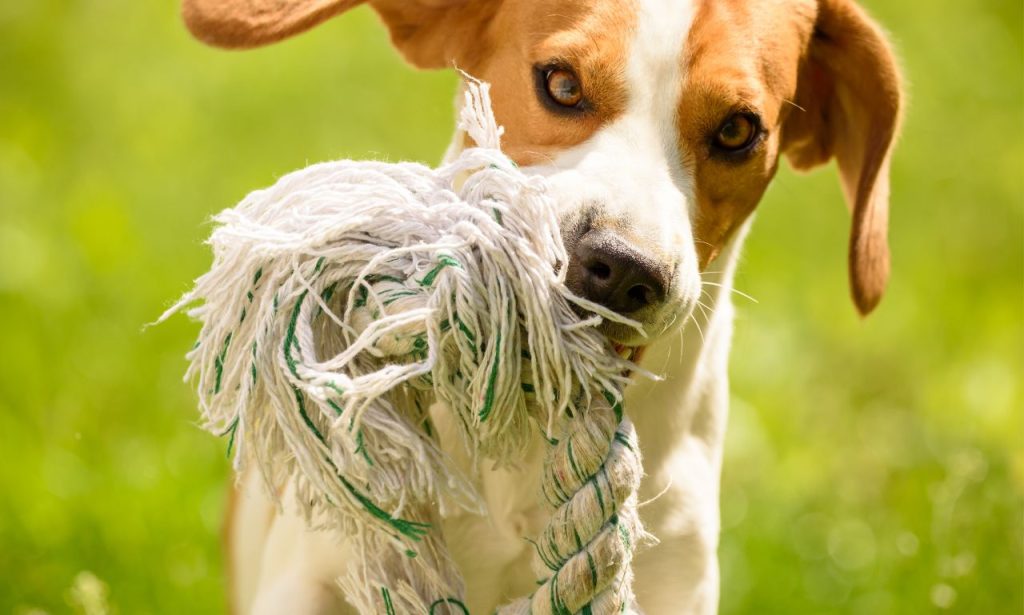
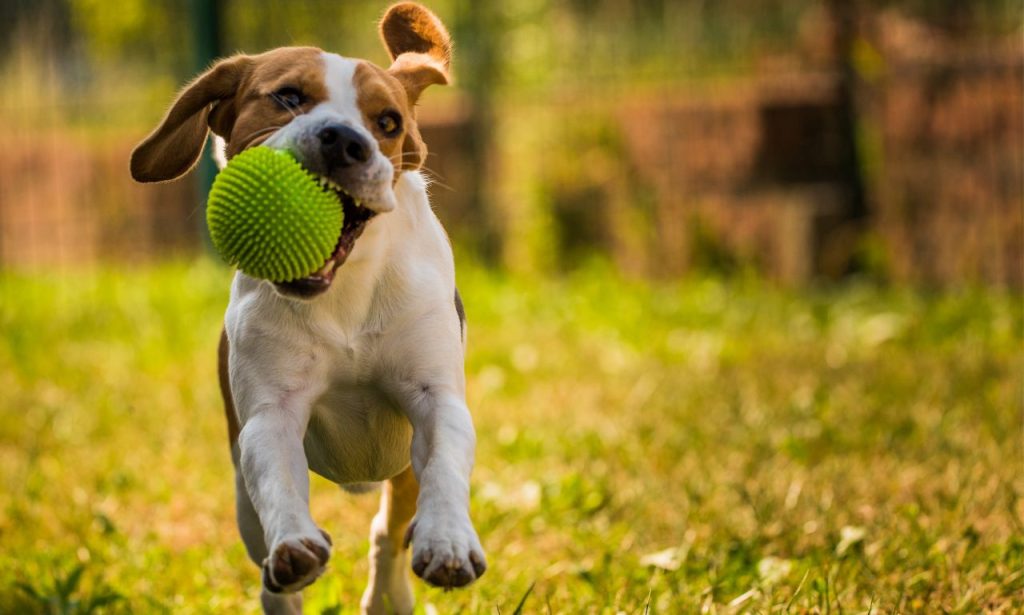
    Toys are usually the easiest items to interpret. They often signal a desire for play or interaction. A tennis ball dropped at your feet leaves little room for confusion.

    Socks and shoes tell a different story. These items carry your scent, which makes them particularly attractive to dogs. Your smell provides comfort and familiarity, especially when you are away.

    Many trainers have noticed dogs carrying household objects during periods of excitement. A dog greeting visitors may grab the nearest item simply because they need an outlet for all that energy.

    One well-known example comes from Labrador Retriever owners. Labs frequently carry objects around the house without any intention of destroying them. Their retrieving instincts encourage carrying behavior, even when the item is completely unrelated to play.

    Household items can also become targets when dogs are bored and looking for stimulation.

    Does the Type of Object Reflect Your Dog’s Emotions or Needs?

    In many cases, yes.

    A dog carrying a comfort object may be self-soothing during stressful situations. Some dogs consistently choose the same stuffed animal when thunderstorms or fireworks occur.

    Objects associated with their owners can provide reassurance. This explains why some dogs carry clothing items when left alone.

    Pay attention to patterns. Does your dog bring toys when they want exercise? Do they collect socks when you leave the house? Observing the circumstances surrounding the behavior can reveal valuable insights.

    Context matters more than the object itself. The same shoe could represent affection, boredom, excitement, or anxiety depending on the situation.

    The Science and Instincts Behind Object-Carrying Behavior

    Modern dogs may live in comfortable homes, but many of their behaviors are still influenced by instincts passed down through generations.

    Natural Retrieving, Hunting, and Pack Instincts in Dogs

    Carrying objects has deep evolutionary roots.

    Wild canines often transport food, prey, or resources back to their group. Although today’s dogs rarely hunt for survival, those instinctive tendencies remain.

    Retrieving breeds offer a perfect example. Their ancestors were selectively bred to bring game birds back to hunters without damaging them. As a result, many retrievers naturally enjoy carrying things.

    Researchers studying canine behavior frequently note that object carrying satisfies an instinctive need. The act itself can be rewarding, even when no obvious purpose exists.

    This explains why some dogs proudly parade around the house with random possessions. From their perspective, carrying an object feels natural.

    How Breed Traits Influence Carrying and Fetching Behaviors

    Breed can play a significant role in this behavior.

    Labrador Retrievers, Golden Retrievers, Flat-Coated Retrievers, and other sporting breeds often show strong object-carrying tendencies. Owners frequently describe these dogs as happiest when something is in their mouths.

    Spaniels and hunting breeds may display similar habits because they were developed to retrieve game.

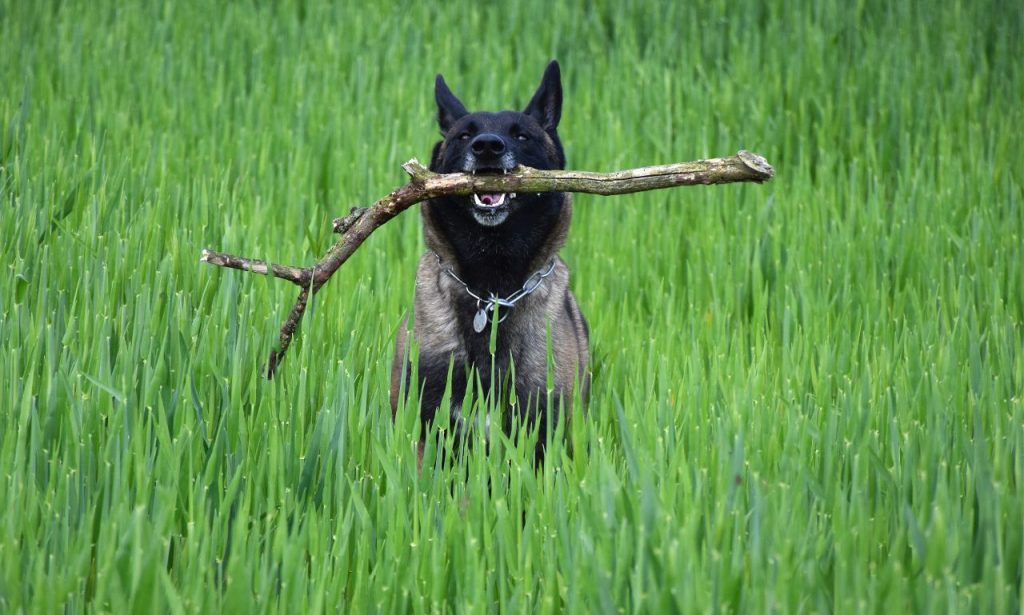
    Meanwhile, herding breeds sometimes carry objects as part of their natural drive to control movement and activity. Even mixed-breed dogs can inherit strong retrieving instincts from their lineage.

    A veterinarian may ask about breed background when evaluating behavior because genetics often provide important clues.

    If your dog belongs to a breed known for retrieving, carrying random objects may be part of their nature.

    Should You Encourage or Discourage This Behavior?

    Why Does My Dog Bring Me Random Objects?

    The answer depends on what your dog is carrying and why they are doing it.

    When Bringing Objects Is a Healthy and Positive Habit

    In many households, object bringing is harmless and even beneficial.

    The behavior often reflects engagement, curiosity, and a desire for social interaction. Dogs that bring toys to initiate play are demonstrating healthy communication skills.

    Positive interactions around appropriate objects can strengthen your relationship. When your dog offers a toy, responding with a short game can provide valuable mental and physical stimulation.

    Many professional trainers encourage owners to reward appropriate carrying behavior. It creates opportunities for bonding while reinforcing desirable habits.

    If your dog proudly delivers a toy every evening, there is usually no reason to discourage it.

    Training Tips for Managing Excessive or Inappropriate Item Collecting

    Problems arise when dogs target valuable or dangerous objects.

    Remote controls, medications, eyeglasses, and electrical cords should never become part of a carrying routine. Prevention remains the best solution.

    Keep tempting items out of reach and provide suitable alternatives. Interactive toys, chew toys, and retrieval games can satisfy the urge to carry objects while keeping them safe.

    Consistency matters. If you laugh one day and scold the next, your dog may become confused.

    Redirecting works better than punishment. When your dog grabs an inappropriate item, calmly exchange it for an approved toy. Over time, they learn which objects earn positive attention.

    Ask yourself a simple question: Does my dog have enough exercise and mental enrichment? Increasing daily activity often reduces unwanted collecting behaviors.

    When Bringing Random Objects May Signal a Problem

    Why Does My Dog Bring Me Random Objects?

    Although the behavior is usually harmless, certain situations deserve closer attention.

    Anxiety, Stress, and Attention-Seeking Behaviors to Watch For

    Dogs experiencing anxiety sometimes use object carrying as a coping mechanism.

    Separation anxiety can lead dogs to seek out items that smell like their owners. These objects provide comfort when the owner is absent.

    Stress-related carrying may also appear alongside pacing, whining, excessive barking, or destructive behavior.

    Attention-seeking can become problematic when it becomes relentless. A dog that constantly brings objects and struggles to settle may be expressing unmet emotional or physical needs.

    Major household changes can also contribute. Moving homes, introducing a new pet, or changes in routine may temporarily increase the behavior.

    Observing your dog’s overall emotional state helps determine whether the behavior is normal or stress-related.

    Signs It’s Time to Consult a Veterinarian or Dog Behaviorist

    Professional guidance may be necessary if the behavior suddenly changes or becomes extreme.

    Watch for signs such as obsessive collecting, swallowing non-food objects, guarding collected items aggressively, or displaying significant anxiety.

    Pica, a condition involving the consumption of non-food materials, requires veterinary attention because it can lead to serious health complications.

    Behaviorists can help identify underlying emotional triggers and develop a customized training plan.

    Trust your instincts as an owner. You know your dog’s normal habits better than anyone. If something feels unusual, seeking expert advice is always a smart decision.

    Conclusion

    If you’ve ever asked yourself, “Why Does My Dog Bring Me Random Objects?”, the answer is often more meaningful than it appears. Dogs use objects to communicate, seek attention, express affection, satisfy instincts, and sometimes cope with stress.

    Most of the time, the behavior is perfectly normal and even endearing. A sock delivery or toy presentation may be your dog’s unique way of connecting with you.

    Take a moment to observe what your dog brings, when they bring it, and how they behave afterward. Those small details can reveal a lot about their emotions and needs.

    Next time your furry friend proudly drops a random item at your feet, consider it an invitation to understand the world through their eyes better.

    FAQs

    1. Why does my dog bring me random objects but not let me take them?

    Many dogs enjoy initiating interaction but still want possession of the item. It often becomes a playful game.

    2. Is my dog giving me gifts?

    Not exactly, but the behavior can reflect affection, trust, and a desire to interact with you.

    3. Why does my dog bring me socks specifically?

    Socks carry your scent, making them comforting and highly attractive to many dogs.

    4. Should I stop my dog from bringing objects?

    Only if the objects are dangerous or valuable, bringing toys is generally a healthy behavior.

    5. Can anxiety cause dogs to carry objects?

    Yes. Some dogs use familiar objects as a coping mechanism during stressful situations or when left alone.

  • Why Does My Dog Circle Before Lying Down?

    Why Does My Dog Circle Before Lying Down?

    Have you ever watched your dog walk in circles before settling down for a nap and wondered what was going on inside that furry head? It’s one of those behaviors that seems a little odd at first. Yet it’s so common that dog owners across the world notice it every day.

    If you’ve been asking yourself, Why Does My Dog Circle Before Lying Down?, the answer goes back much further than your living room couch. This habit is rooted in instincts passed down through generations of dogs, stretching all the way back to their wild ancestors.

    Let’s take a closer look at why dogs do this and what it might reveal about their physical and emotional well-being.

    The Ancient Survival Instincts Behind Circling Behavior

    Why Does My Dog Circle Before Lying Down?

    Many canine behaviors make more sense when viewed through the lens of evolution. Thousands of years ago, dogs did not have memory foam beds or climate-controlled homes. Their ancestors had to sleep outdoors where comfort and safety were not guaranteed.

    Before lying down, wild canines would walk in circles to flatten grass, leaves, or snow. This created a more comfortable resting spot while helping them identify hidden dangers such as snakes, insects, or sharp objects.

    Even though today’s dogs live in secure environments, instincts do not disappear overnight. According to veterinary behaviorists, many domesticated dogs still engage in behaviors that once helped their ancestors survive. Circling before sleep is one of those inherited habits.

    Think of it like humans fluffing a pillow before bed. We know the pillow is safe, yet we still adjust it because it feels right.

    How Wild Wolves Influenced Modern Dog Sleeping Habits

    Dogs share a common ancestry with wolves, and many sleeping behaviors remain surprisingly similar. In the wild, wolves often prepare a sleeping area before resting. This routine serves practical purposes beyond comfort.

    Your dog may not need protection from predators, but those ancient patterns still influence behavior. A few circles around a dog bed may be the modern version of a wolf preparing a den site.

    Interestingly, many dogs also choose to sleep in strategic locations within the home. Some prefer doorways where they can monitor movement. Others rest near family members because pack-oriented instincts encourage them to stay close to their social group.

    What Are Dogs Trying to Accomplish When They Circle?

    Creating a Comfortable and Safe Sleeping Spot

    Comfort is one of the biggest reasons dogs circle before settling down.

    Just as people adjust blankets or reposition pillows, dogs often move around to find the most comfortable posture. A quick spin helps them determine how their body fits best within the available space.

    Large breeds frequently circle more than smaller dogs because they need extra room to position their legs and joints comfortably. Older dogs may also spend additional time adjusting themselves before lying down.

    Safety remains another factor. Even in a secure home, dogs naturally assess their surroundings before resting. The circling motion gives them a final opportunity to check their environment.

    Have you ever noticed your dog glance around the room before lying down? That quick assessment is often part of the same routine.

    Temperature Regulation and Environmental Awareness

    Temperature can influence sleeping behavior more than many owners realize.

    On warm days, dogs may circle to find a cooler spot on the floor or bed. During colder weather, they often curl into tighter positions after circling to conserve body heat.

    Some experts believe circling helps dogs determine the most comfortable orientation relative to airflow, sunlight, or room temperature.

    While humans often overlook these details, dogs remain highly attuned to subtle environmental changes. A few circles can help gather that information before relaxing.

    Is It Normal for Dogs to Circle Before Sleeping?

    Why Does My Dog Circle Before Lying Down?

    How Much Circling Is Considered Normal?

    In most cases, circling is completely normal.

    Many dogs circle once or twice before lying down. Others may complete three or four rotations before settling comfortably. The exact number varies by breed, personality, and age.

    The key factor is whether your dog appears relaxed afterward. A healthy dog will typically circle, choose a position, and fall asleep without signs of distress.

    Veterinarians generally consider occasional circling a normal canine behavior. Problems arise when the circling becomes excessive, repetitive, or appears linked to discomfort.

    For example, if a dog spends several minutes pacing in circles and struggles to lie down, it may signal an underlying issue.

    Differences Between Puppies, Adult Dogs, and Senior Dogs

    Age can significantly affect sleeping behaviors. Puppies often circle because they are exploring their environment and developing routines. Their actions are usually playful and harmless.

    Adult dogs tend to establish consistent habits. Once they find a preferred sleeping pattern, they often repeat it throughout their lives.

    Senior dogs sometimes show increased circling due to physical changes. Arthritis, joint stiffness, or reduced mobility can make it more difficult to find a comfortable sleeping position.

    A veterinarian in Colorado once noted that many aging dogs brought into her clinic for “strange circling behavior” were actually struggling with undiagnosed joint pain. After treatment, their prolonged circling decreased significantly.

    This is why observing changes in behavior over time matters more than focusing on the behavior itself.

    When Should You Worry About Excessive Circling?

    Medical Conditions That Can Cause Excessive Circling

    Although circling is usually harmless, certain medical conditions can contribute to abnormal behavior.

    Arthritis is one of the most common causes. Dogs experiencing joint pain may circle repeatedly as they try to find a position that minimizes discomfort.

    Vestibular disease, which affects balance, can also lead to unusual circling patterns. Dogs with this condition often appear dizzy or unsteady.

    Cognitive dysfunction syndrome, sometimes called canine dementia, may cause repetitive circling in older dogs. This condition becomes more common as dogs age.

    If the behavior appears sudden or significantly different from your dog’s normal routine, it’s worth paying attention.

    Warning Signs That Require a Veterinary Visit

    Circling becomes concerning when it occurs alongside other symptoms.

    Watch for signs such as difficulty standing, limping, confusion, head tilting, loss of balance, or vocalizing during movement. These symptoms may indicate pain or neurological issues.

    Trust your instincts as an owner. You know your dog’s normal behavior better than anyone else. If something feels off, scheduling a veterinary evaluation is often the safest decision.

    Early diagnosis frequently leads to better outcomes, especially for age-related conditions.

    Other Interesting Dog Sleeping Behaviors Explained

    Why Dogs Scratch Their Beds Before Lying Down

    Bed scratching often accompanies circling and comes from similar ancestral instincts.

    Wild dogs scratched the ground to remove debris, create a softer resting surface, and regulate temperature. In colder weather, scratching could expose warmer soil underneath.

    Modern dogs continue this behavior even when sleeping on expensive beds or blankets.

    Many owners find it amusing to watch a dog vigorously “prepare” a perfectly flat bed. Yet from the dog’s perspective, they’re simply following a deeply ingrained routine.

    The behavior also allows dogs to leave scent markers from glands located in their paws, subtly claiming the area as their own.

    Why Dogs Change Positions, Curl Up, or Sleep on Their Backs

    Why Does My Dog Circle Before Lying Down?

    Sleeping positions reveal a lot about how dogs feel physically and emotionally.

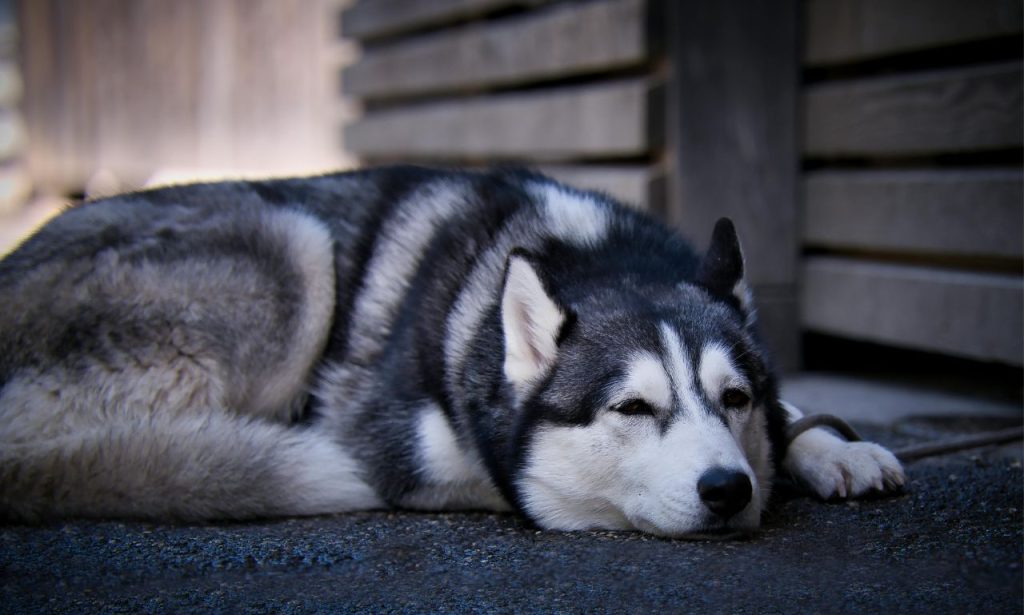
    Dogs that curl into a ball often seek warmth and security. This position protects vital organs while conserving body heat.

    A dog sleeping on its side generally feels relaxed and safe. Many experts consider this one of the most comfortable resting positions.

    Then there’s the classic belly-up sleeper. When dogs lie on their backs with paws in the air, they are displaying a high level of trust in their environment.

    This position also helps cool the body because less fur covers the stomach area.

    Next time your dog changes positions throughout the night, remember they’re making small adjustments to maximize comfort—just like humans do.

    Conclusion

    So, Why Does My Dog Circle Before Lying Down? In most cases, the answer lies in instinct, comfort, and environmental awareness. What may look like a quirky habit is actually a behavior shaped by thousands of years of evolution.

    Dogs circle to create a comfortable resting place, assess their surroundings, and satisfy deeply rooted survival instincts inherited from their wild ancestors. Most of the time, this behavior is completely normal.

    Still, changes in frequency or intensity deserve attention, especially in older dogs. When circling becomes excessive or appears linked to pain, a veterinary visit is a smart next step.

    Have you noticed how many times your dog circles before settling down? The next time you watch the ritual, you’ll know there’s a fascinating story behind every spin.

    Also Read: Can Dogs Remember People After Years Apart?

    FAQs

    Is it normal for dogs to circle several times before lying down?

    Yes. Many dogs circle two to four times before settling into a comfortable sleeping position.

    Why does my senior dog circle more than usual?

    Older dogs may experience arthritis, stiffness, or age-related cognitive changes that affect how they settle down.

    Can anxiety cause a dog to circle before lying down?

    Yes. Some anxious dogs circle more frequently because they feel restless or uncertain about their surroundings.

    When should I be concerned about circling behavior?

    Seek veterinary advice if circling becomes excessive or occurs alongside confusion, pain, balance issues, or difficulty lying down.