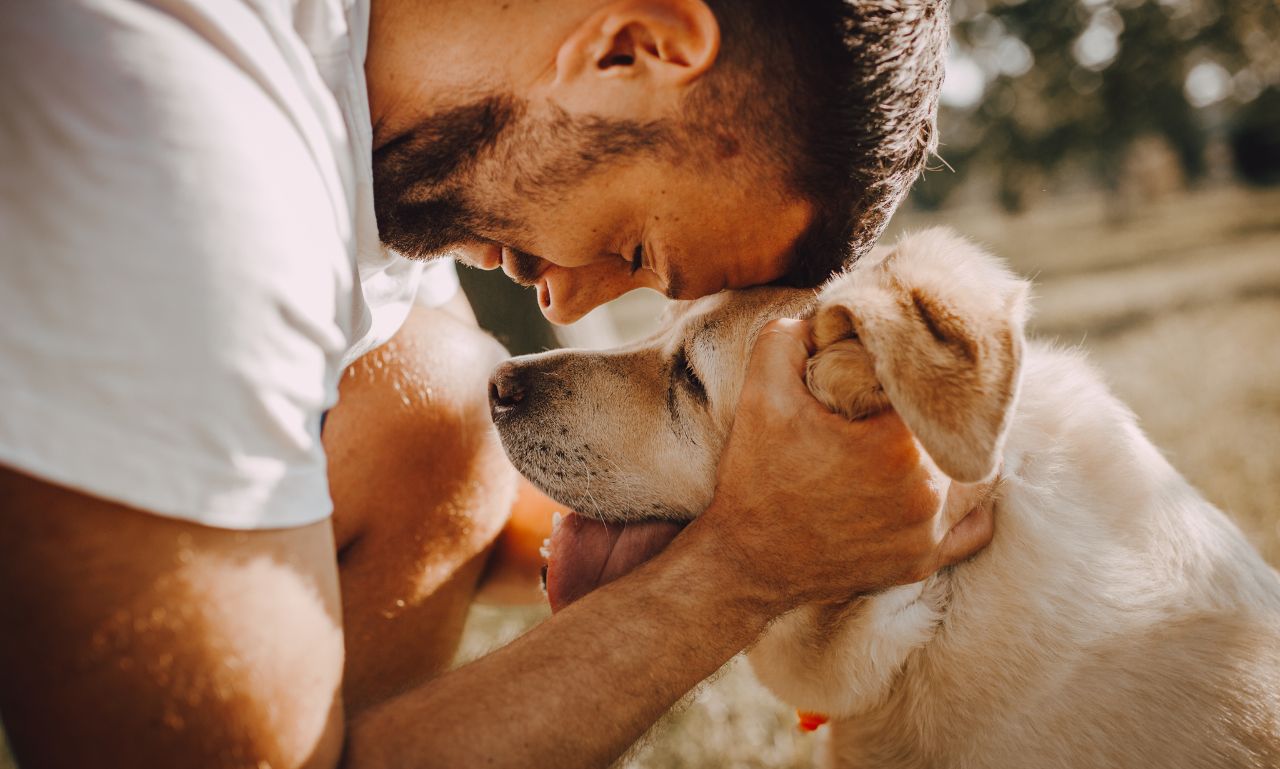
Imagine opening your front door and seeing a dog you haven’t met in years.
Before you can say a word, the dog is already racing toward you. Its tail is wagging so hard that its whole body shakes. It jumps, licks your face, and acts as if you were together yesterday.
Moments like these raise an interesting question: Can Dogs Remember People After Years Apart?
Most dog owners would probably answer with a confident yes. After all, countless reunion stories seem to prove it. Lost dogs have found their way back to their owners years later. Military personnel returning from deployment have been greeted by emotional pets that appear to recognize them instantly.
Let’s take a closer look at how dogs remember and why some bonds seem to stand the test of time.
How Does a Dog’s Memory Work?
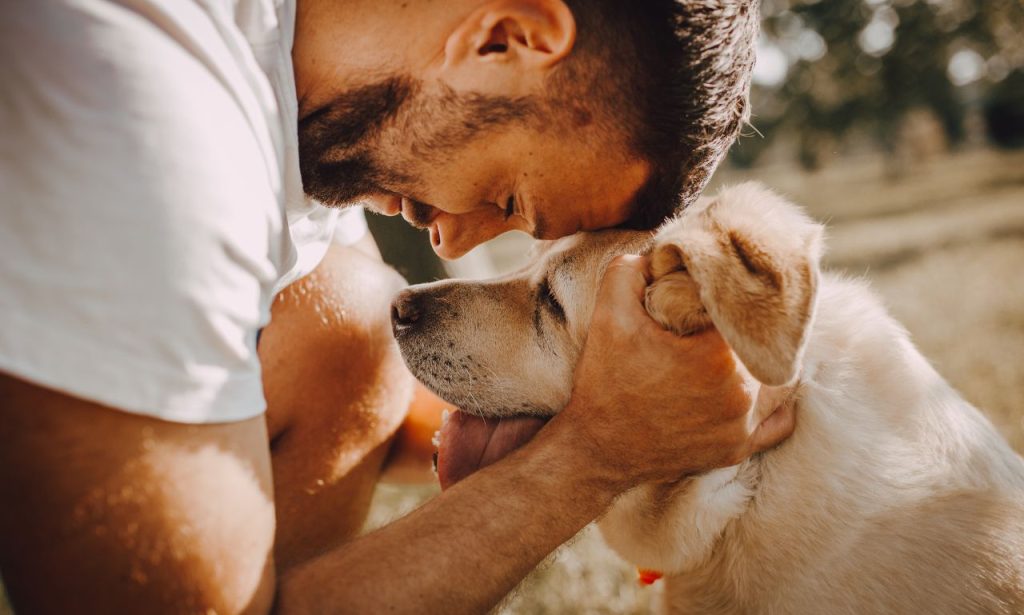
People often assume dogs think the same way humans do. In reality, their brains process information quite differently.
A dog experiences the world primarily through smell, emotion, and association. Those factors play a huge role in memory formation.
Do Dogs Have Long-Term Memory or Only Short-Term Memory?
For many years, scientists believed dogs had relatively limited memories. Early studies suggested that dogs quickly forgot events that were not immediately relevant.
Today, researchers know the story is much more complicated.
Dogs may not remember a specific afternoon at the park from three years ago. They probably won’t replay detailed life events in their minds the way humans often do.
What they do possess is a powerful form of associative memory.
This type of memory allows dogs to connect people, places, sounds, and scents with experiences. When a particular person consistently provides food, affection, comfort, or playtime, that person becomes associated with positive emotions.
Think about how excited your dog gets when you pick up a leash. That reaction isn’t random. Your dog has formed countless positive associations with walks.
The same process occurs with people.
Over time, meaningful relationships become deeply embedded in a dog’s memory system.
How Dogs Store Memories Through Experiences, Emotions, and Associations
Not every experience leaves a lasting impression. Dogs tend to remember things that carry emotional weight.
For example, a puppy raised by a loving family spends years building positive associations. Daily walks, belly rubs, meals, games, and quiet moments on the couch all contribute to a strong emotional connection.
Those experiences create memory pathways that become increasingly difficult to erase.
Animal behaviorists often explain that emotions strengthen memory retention. The stronger the emotional experience, the more likely it is to be remembered.
Dogs don’t necessarily remember every detail. Instead, they remember how someone made them feel.
That distinction helps explain why certain reunions are so powerful years later.
What Science Says About Dogs Recognizing Former Owners?
Several studies have explored how dogs recognize familiar humans.
One of the most notable came from researchers at Emory University. Brain imaging scans showed increased activity when dogs were exposed to the scent of familiar people. The strongest responses often came from scents associated with owners.
Scientists believe this reaction is linked to emotional memory.
Dogs develop strong neurological connections with individuals who play significant roles in their lives. Those connections can remain intact for years.
Behavior experts regularly observe similar patterns.
Former owners who reunite with dogs often report immediate recognition. The dog’s reaction differs dramatically from its response to strangers.
While scientists cannot ask a dog what it remembers, behavioral evidence strongly suggests that dogs retain memories of important people far longer than many once believed.
Real-Life Examples of Dogs Reuniting With People After Long Separations
Scientific studies tell part of the story. Real-life experiences often make the evidence feel more tangible.
After Hurricane Katrina, numerous pets became separated from their families. Some reunions happened years later.
Many of those dogs displayed unmistakable signs of recognition. They ran toward former owners, whined with excitement, and sought physical contact almost immediately.
Shelter workers witness similar moments every year.
Ask someone who works in animal rescue, and you’ll likely hear stories that sound almost unbelievable. A dog sees a former owner after years apart and instantly reacts as though no time has passed.
Of course, not every reunion looks the same. Some dogs are naturally more expressive than others.
Still, these stories continue to support the idea that meaningful relationships leave lasting impressions.
How Do Dogs Recognize People They Haven’t Seen in Years?
Recognition isn’t based on a single factor.
Dogs combine multiple senses to identify familiar individuals.
The Powerful Role of Scent in Canine Recognition
If humans rely heavily on sight, dogs rely heavily on smell.
A dog’s sense of smell is estimated to be tens of thousands of times more sensitive than ours. Some experts believe it may be even stronger under certain conditions.
Every person carries a unique scent profile. Dogs can detect subtle differences that humans would never notice.
This ability gives dogs an incredible advantage in recognition.
Hair color changes. Weight fluctuates. Faces age.
Scent remains remarkably consistent.
Many canine behavior specialists describe scent as a dog’s primary filing system for memory. Once a scent becomes connected to positive experiences, recognition can last for years.
It’s one reason dogs often become excited when they smell an old shirt or blanket belonging to someone they love.
How Dogs Use Voices, Faces, and Body Language to Identify Humans
Smell does most of the heavy lifting, but it isn’t the only tool dogs use.
Research suggests dogs can distinguish familiar voices from unfamiliar ones. They learn tone, rhythm, and speech patterns over time.
Visual recognition also contributes.
Studies indicate that dogs can identify human faces, particularly those they see regularly. They pay attention to facial features, expressions, and movement.
Body language provides additional clues.
The way someone walks, gestures, or stands can trigger recognition. Even from a distance, dogs often notice subtle cues that humans overlook.
When scent, voice, and appearance align, recognition becomes even stronger.
How Long Can Dogs Remember Their Owners and Loved Ones?
There is no exact expiration date for a dog’s memory.
Several factors determine how long a person remains recognizable.
Factors That Influence a Dog’s Ability to Remember Someone
The strength of the relationship is usually the biggest factor.
A person who cared for a dog every day for years will leave a stronger impression than someone who visited occasionally.
Frequency matters as well.
Repeated interactions reinforce memory pathways. The more positive experiences a dog shares with someone, the stronger those memories become.
Age can also influence memory.
Senior dogs sometimes experience cognitive decline, much like elderly humans. Even so, long-standing memories often remain intact longer than recent ones.
Emotional significance plays an important role too.
Moments tied to comfort, safety, excitement, or affection tend to be remembered more clearly.
Do Dogs Remember Family Members, Friends, and Other Pets?
Dogs are capable of remembering more than just their owners.
Family members who regularly interact with a dog often become part of its long-term memory. Friends who visit frequently can also leave lasting impressions.
The same principle applies to other animals.
Many dogs remember former canine companions long after being separated. Researchers and trainers have observed dogs recognizing old playmates years later through scent alone.
This ability highlights just how social dogs truly are.
Their memories are often built around relationships, whether with humans or other animals.
Signs Your Dog Remembers You After a Long Time Apart
Not every dog reacts dramatically during a reunion.
Some are naturally calm. Others wear their emotions on their sleeve.
Common Behavioral and Emotional Reactions During Reunions
One of the most obvious signs is excitement.
A dog that remembers someone may wag its tail excessively, jump, spin in circles, or whine or bark.
Many dogs seek immediate physical contact. They may lean against the person, lick their hands, or refuse to leave their side.
Some reactions are more subtle.
A normally cautious dog may instantly relax around a familiar person. Others maintain constant eye contact or quietly follow them throughout the house.
Veterinarians often point out that recognition is usually expressed through a combination of behaviors rather than one specific action.
The overall response tends to communicate familiarity, trust, and emotional connection.
Conclusion
So, can dogs remember people after years apart?
In many cases, the answer appears to be yes.
Dogs may not revisit memories the way humans do, but they possess powerful associative memories built on scent, emotion, and experience. Those memories help them recognize people who played meaningful roles in their lives.
Perhaps that’s why reunion videos resonate with so many people. They remind us that the bond between humans and dogs goes far beyond feeding schedules and daily walks.
A favorite owner. A childhood companion. A family member who always shared treats.
Those relationships leave a mark.
Years may pass, appearances may change, and life may move in different directions. Yet for many dogs, the people they love remain unforgettable.
Also Read: Why Does My Dog Bring Me Random Objects?
FAQs
Absolutely. Scent is one of the primary ways dogs recognize and remember familiar individuals.
Some memories may fade, but significant relationships often remain recognizable for many years.
Research suggests dogs form strong attachments and can show signs of missing important people.
Yes. Although aging can affect memory, many senior dogs continue to recognize familiar people from earlier stages of their lives.
Leave a Reply