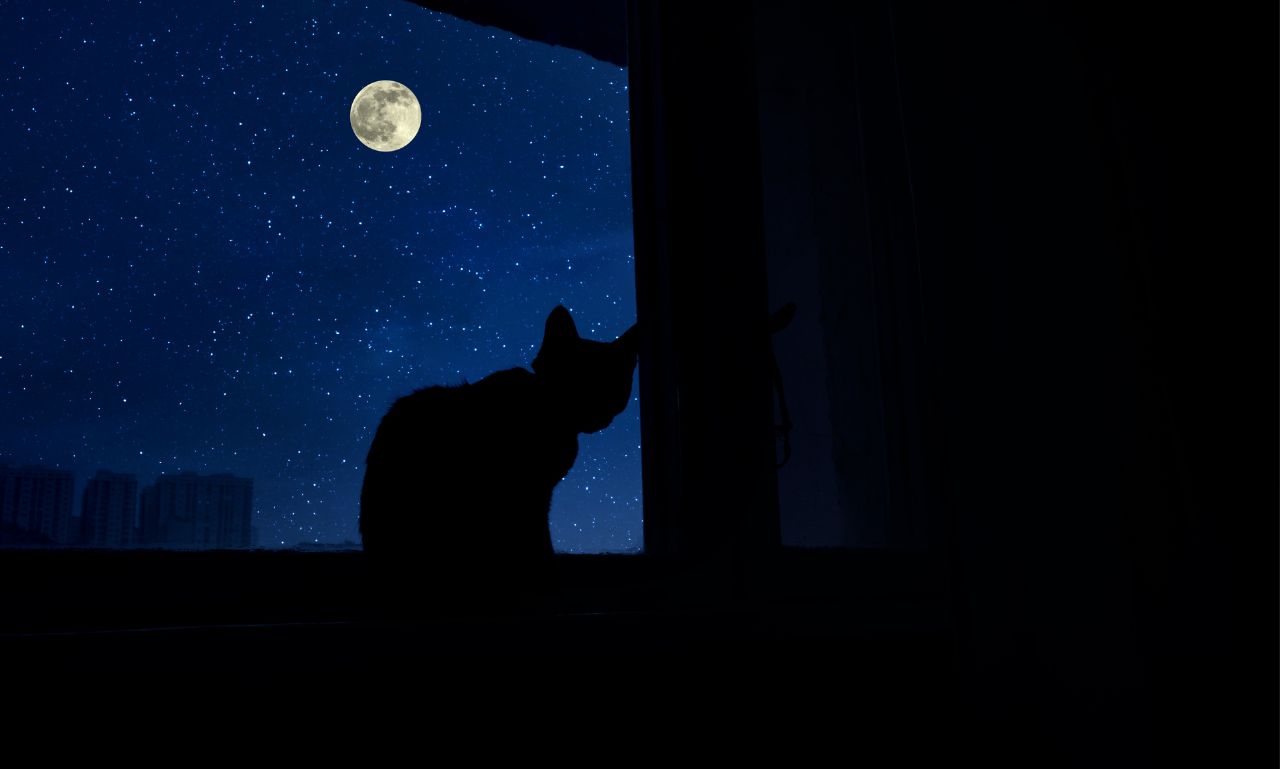
If you have ever been jolted awake by the sound of paws thundering across the hallway at 2 a.m., you are not alone. Cat owners around the world share the same experience. One moment, their cat is peacefully lounging on the couch. The next, it is sprinting from room to room as if competing in an invisible race.
This behavior, often called “the zoomies,” can seem strange, funny, and occasionally frustrating. Many pet parents wonder whether these sudden bursts of energy are normal or a sign that something is wrong.
The good news is that nighttime zoomies are usually a natural part of feline behavior. Understanding why they happen can help you better meet your cat’s needs and enjoy a more peaceful night’s sleep.
What Are Cat Zoomies and Why Do They Happen?
Cat zoomies are sudden bursts of frantic energy that cause a cat to run, jump, twist, and dart around the house. Veterinarians often refer to these episodes as Frenetic Random Activity Periods (FRAPs).
During a zoomie session, your cat may race down hallways, leap onto furniture, and make sharp turns at impressive speeds. It can look chaotic, but in most cases, it is perfectly normal.
Think about it this way. Indoor cats spend much of their day sleeping. According to the American Animal Hospital Association, healthy adult cats can sleep between 12 and 16 hours daily. After so much rest, energy naturally builds up. Eventually, that energy needs an outlet.
Many cat owners have shared stories online about their pets turning their living rooms into racetracks after hours of lounging. While it may seem random, there is usually a reason behind the sudden activity.
Why Are Zoomies More Common at Night Than During the Day?
Nighttime is when many cats become more active. A quiet house, fewer distractions, and natural biological rhythms often combine to create the perfect conditions for zoomies.
Unlike humans, cats do not follow a strict daytime schedule. Their ancestors survived by hunting during low-light hours. As evening arrives, a cat’s body often shifts into activity mode.
Another factor is owner availability. Many people work during the day and spend more time interacting with their pets in the evening. Extra attention, playtime, or excitement before bed can contribute to a burst of energy later in the night.
The Natural Instincts Behind Nighttime Cat Activity
How a Cat’s Hunting Instinct Triggers Late-Night Zoomies
Even the most pampered indoor cat retains the instincts of a hunter. Thousands of years of evolution have wired cats to stalk, chase, and pounce.
In the wild, small prey animals are most active during dawn and dusk. As a result, cats developed hunting patterns that match those periods. When your cat races through the house at night, it may be acting out a deeply ingrained hunting sequence.
Watch closely during a zoomie episode. You may notice stalking behavior, sudden pounces, and rapid directional changes. These movements closely resemble hunting techniques used in nature.
Jackson Galaxy, a well-known cat behavior expert, often explains that indoor cats still need opportunities to express their natural predatory instincts. Without those outlets, pent-up hunting energy can emerge as nighttime zoomies.
Are Cats Nocturnal or Crepuscular Animals?
Many people assume cats are nocturnal, but that is not entirely accurate.
Cats are actually crepuscular animals. This means they are most active during dawn and dusk rather than throughout the entire night.
This distinction helps explain why many cats become energetic in the early morning or late evening. Their internal clocks are programmed to be alert during these transitional hours.
Understanding this natural rhythm can make your cat’s behavior seem much less mysterious. Instead of viewing nighttime zoomies as odd behavior, it helps to see them as a reflection of your pet’s biological programming.
Common Reasons Cats Suddenly Run Around the House at Night
Excess Energy, Boredom, and Lack of Daytime Stimulation
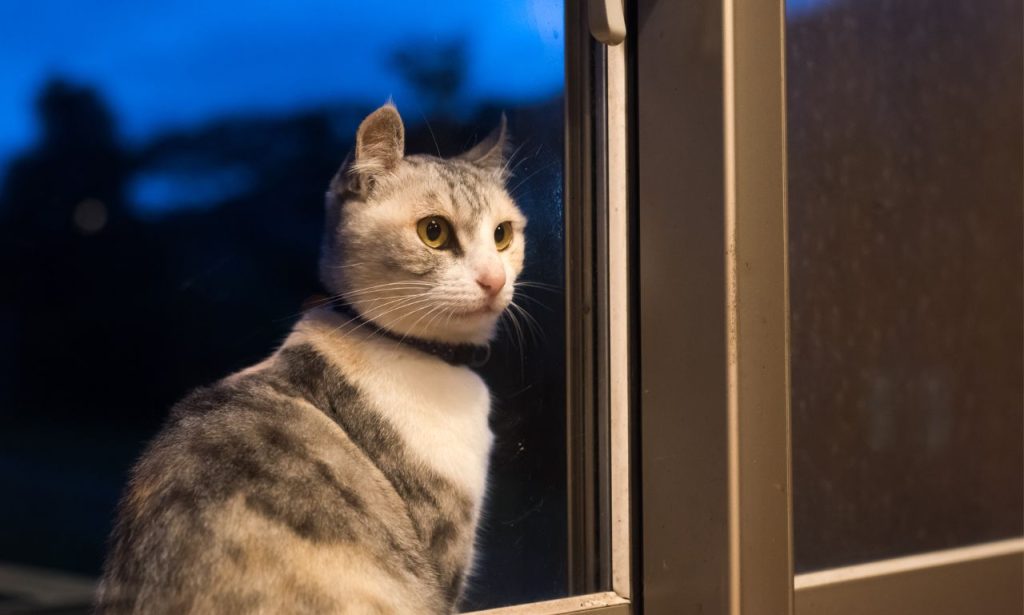
One of the most common answers to the question, “Why Do Cats Suddenly Zoom Around the House at Night?” is simple: they have energy to burn.
Indoor cats often live comfortable lives, but comfort can sometimes lead to boredom. Without enough physical activity and mental stimulation during the day, energy accumulates.
Imagine sitting indoors for hours without exercise. Eventually, you would feel restless too.
Cats need opportunities to climb, chase, explore, and play. Interactive toys, puzzle feeders, and climbing trees can make a huge difference. A vigorous play session before bedtime can also help reduce nighttime activity.
Many veterinarians recommend mimicking the hunting cycle through play. Let your cat stalk a toy, chase it, catch it, and then enjoy a small treat afterward. This sequence can leave them feeling satisfied and ready to rest.
Stress, Excitement, and Environmental Triggers That Cause Zoomies
Not all zoomies are linked to boredom. Emotional factors can play a role as well.
Excitement from visitors, a new toy, or even the sound of birds outside a window can trigger sudden bursts of activity. Some cats become energized after receiving attention from their owners.
Stress may also contribute. Changes in the household, moving to a new home, or introducing another pet can create nervous energy.
Cats often release emotional tension through physical movement. A quick sprint around the house may be their way of processing excitement or stress.
Think of it as a feline version of pacing after a big event. The behavior may look dramatic, but it often serves a purpose.
Other Situations That Can Trigger Cat Zoomies
Why Do Cats Get Zoomies After Using the Litter Box?
Many cat owners notice a peculiar pattern. Their cat uses the litter box and immediately tears through the house at full speed.
This phenomenon is surprisingly common.
Experts have proposed several theories. One explanation involves relief. After eliminating waste, a cat may experience a burst of comfort and energy.
Another theory points to instinct. In the wild, leaving waste behind could attract predators. Quickly moving away from the area may have helped ancestors avoid danger.
Some veterinarians also suggest that stimulation of certain nerves during bowel movements may create a temporary feeling of excitement.
While the exact cause remains debated, post-litter box zoomies are generally considered normal unless accompanied by signs of discomfort or digestive issues.
Why Do Kittens and Young Cats Experience More Zoomies Than Older Cats?
Age plays a major role in zoomie frequency.
Kittens are essentially tiny bundles of endless energy. Their developing bodies and curious minds drive them to explore every corner of their environment.
Young cats often experience multiple zoomie sessions each day because they are still learning about the world around them. Everything becomes an adventure.
Older cats typically slow down over time. Their energy levels decrease, and they become less likely to sprint across the house without warning.
That said, many senior cats still enjoy occasional bursts of activity. A playful streak can last well into old age.
When Nighttime Zoomies Are Normal and When to Be Concerned
Signs Your Cat’s Nighttime Running Is Completely Normal
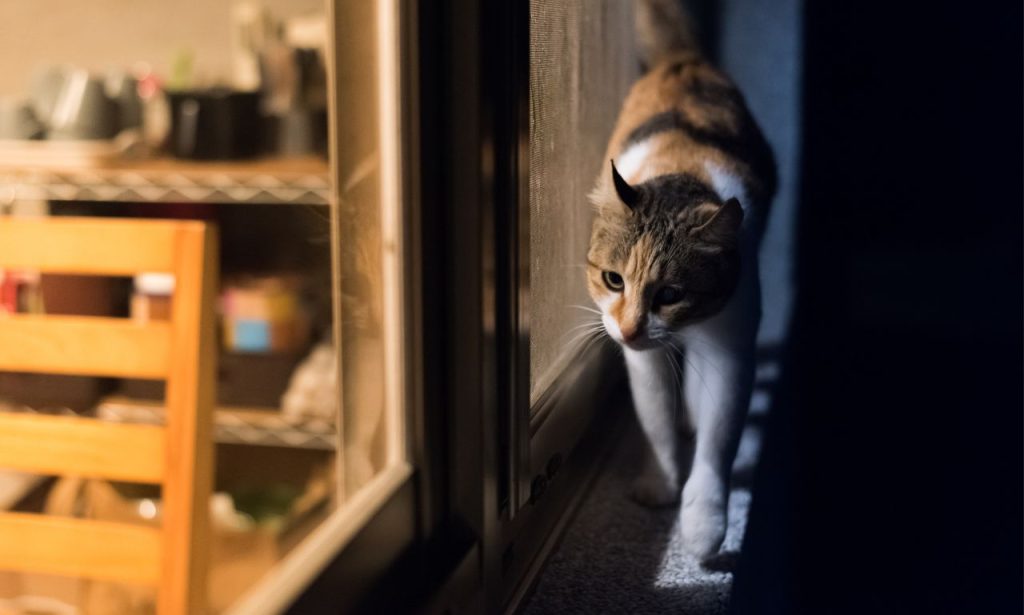
In most situations, nighttime zoomies are simply part of healthy feline behavior.
A normal zoomie episode usually lasts only a few minutes. Afterward, the cat returns to resting, grooming, or relaxing. Their appetite remains normal, and there are no signs of distress.
Playful body language is another positive sign. Ears remain forward, movements appear coordinated, and the cat seems energetic rather than frightened.
If your cat enjoys regular play, eats well, and behaves normally between zoomie sessions, there is usually little reason for concern.
Have you noticed your cat sprinting around before suddenly collapsing on a favorite chair? That pattern is often a classic sign of healthy zoomies.
When Excessive Zoomies May Indicate a Health or Behavioral Problem
Although zoomies are typically harmless, there are situations where they deserve attention.
Sudden changes in behavior should never be ignored. If an older cat unexpectedly begins having intense zoomies, a veterinary evaluation may be worthwhile.
Medical conditions such as hyperthyroidism, pain, skin irritation, or neurological issues can sometimes contribute to unusual activity levels.
Watch for warning signs such as excessive vocalization, aggression, confusion, loss of appetite, or visible discomfort. Those symptoms suggest something beyond ordinary zoomies may be occurring.
Behavioral concerns can also develop if a cat lacks enrichment. Chronic boredom may lead to destructive habits, anxiety, and excessive nighttime activity.
When in doubt, consulting a veterinarian is always the safest approach.
Conclusion
Why Do Cats Suddenly Zoom Around the House at Night? In most cases, the answer lies in a combination of instincts, accumulated energy, and biological rhythms.
Cats are wired to be active during low-light hours. Their hunting instincts, combined with boredom, excitement, or simple youthful enthusiasm, often lead to those unforgettable nighttime sprints.
Most zoomies are completely normal and even healthy. Providing daily play, mental stimulation, and opportunities for exercise can help manage excessive activity while supporting your cat’s overall well-being.
The next time your cat races through the hallway like a furry race car, remember that you are witnessing behavior shaped by thousands of years of evolution. It may be noisy, but it is also a fascinating glimpse into your pet’s instincts.
Also Read: How Do Indoor Cats Get Enough Exercise Naturally?
FAQs
Increase daytime play, provide interactive toys, and schedule an active play session before bedtime.
Yes. Indoor cats commonly experience zoomies because they have fewer opportunities to release energy naturally.
Many cats experience a burst of excitement or relief after using the litter box, leading to sudden bursts of running.
Seek veterinary advice if zoomies are accompanied by pain, aggression, confusion, changes in appetite, or other unusual symptoms.
Leave a Reply