
Many aquarium owners have experienced the same surprising moment. You walk into the room, and your fish rush to the front of the tank as if they have been waiting for you. It raises an interesting question: Can Aquarium Fish Recognize Their Owners?
For years, fish were viewed as simple creatures with short memories and limited intelligence. Modern research paints a very different picture. Scientists have discovered that many fish can learn, remember, solve problems, and even distinguish between individual humans under certain conditions.
Recognition in fish may not look the same as recognition in dogs or cats. Still, evidence suggests that aquarium fish are often far more aware of their surroundings than many people realize. Understanding how they perceive the world can help owners build healthier and more engaging environments for their aquatic pets.
What Scientists Mean by “Recognition” in Fish Behavior?

When scientists talk about recognition, they are not necessarily referring to affection or emotional attachment. Instead, recognition means the ability to identify and respond differently to a specific individual compared to others.
Researchers studying fish behavior have found that many species can distinguish familiar objects, locations, and even faces. One notable study conducted at the University of Oxford showed that archerfish could accurately identify human faces from photographs. Even when presented with dozens of unfamiliar faces, the fish successfully recognized the correct one.
Recognition often develops through repeated interactions. A fish may learn that a particular person provides food, cleans the tank, or interacts with them regularly. Over time, those repeated experiences create associations that influence behavior.
Think about it this way. Fish do not need to understand who you are in the human sense. They need enough cognitive ability to identify that you are different from everyone else who approaches the aquarium.
Signs That Aquarium Fish May Recognize Their Caregivers
Several common behaviors suggest that fish may recognize their primary caregivers.
Many fish swim toward the glass when a familiar person enters the room. Others become more active, gather near feeding areas, or display anticipatory behavior before meals.
Experienced aquarists often report that their fish react differently to strangers. While they eagerly approach their owner, they may remain cautious around unfamiliar visitors. This behavior is especially common in intelligent species such as cichlids, bettas, oscars, and goldfish.
Of course, excitement alone does not prove recognition. Fish may associate a particular person with food. Even so, forming that association requires memory and the ability to distinguish one stimulus from another.
How Fish Identify and Distinguish Humans
Recognition depends on sensory information. Fish use several cues to identify the people around them.
The Role of Vision, Movement, and Facial Recognition
Vision plays a major role in how many aquarium fish perceive their environment. Contrary to popular belief, fish often have excellent eyesight.
Studies have shown that certain species can recognize shapes, patterns, colors, and faces. Archerfish gained attention after researchers discovered that they could distinguish among human faces with remarkable accuracy. While not every aquarium species possesses the same visual abilities, many rely heavily on sight.
Movement also matters. Fish quickly learn to associate specific walking patterns, gestures, or body movements with feeding and interaction.
Anyone who has owned a large cichlid knows this firsthand. Many cichlids seem to follow their owners across the room while showing little interest in other people. This response likely results from a combination of visual recognition and learned behavior.
Can Fish Recognize Their Owners by Feeding Routines and Voice?
Feeding routines are among the strongest factors influencing fish recognition.
Fish thrive on consistency. When the same person feeds them daily, they begin associating that individual with a positive experience. Over time, they may respond immediately when they see that person approaching.
The role of voice is less clear. Water and glass distort sound differently than air, making vocal recognition more challenging. However, fish can detect vibrations and low-frequency sounds.
Some aquarium owners swear their fish react to certain voices or phrases. While scientific evidence remains limited, fish may respond more to vibration patterns than the actual words being spoken.
Either way, routine remains a powerful teacher in the aquatic world.
How Intelligent Are Aquarium Fish?
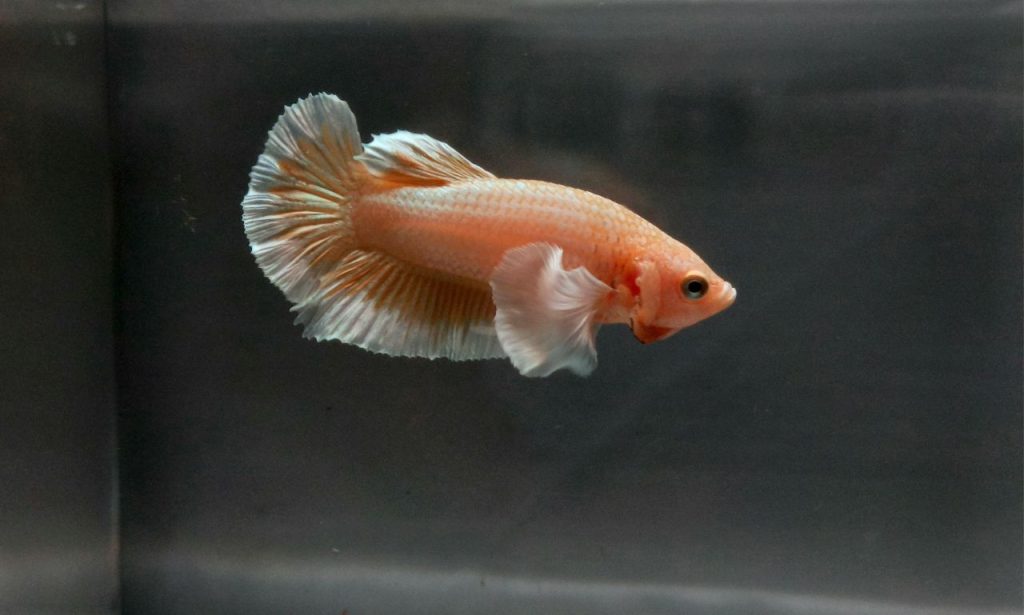
Recognition becomes easier to understand when you look at fish intelligence as a whole.
Fish Memory, Learning Ability, and Problem-Solving Skills
The old myth that fish have a three-second memory has been thoroughly debunked.
Research has shown that many fish can remember information for months and sometimes even years. They can learn feeding schedules, recognize tank layouts, and adapt to changing environments.
Some species solve simple puzzles to access food. Others learn through observation. In laboratory settings, fish have demonstrated impressive abilities to remember routes, avoid hazards, and recognize patterns.
One fascinating example comes from cleaner wrasse fish. These reef fish maintain complex social relationships and remember interactions with dozens of other fish. Such behavior requires significant cognitive processing.
Memory and learning are essential components of recognition. Without them, identifying familiar humans would be impossible.
Which Aquarium Fish Species Are Considered the Smartest?
Not all fish display the same level of intelligence.
Oscars are often considered among the smartest aquarium fish. Owners frequently describe them as having dog-like personalities because they recognize people and interact with their surroundings in unique ways.
Cichlids also rank highly due to their curiosity and social behavior. Many species learn quickly and respond consistently to familiar individuals.
Goldfish deserve more credit than they usually receive. Studies suggest they can remember tasks, recognize shapes, and learn routines for extended periods.
Bettas, despite their small size, also show surprising intelligence. Many can be trained to follow targets, swim through hoops, and respond to specific cues.
These examples demonstrate that fish intelligence exists on a spectrum, much like intelligence in mammals and birds.
Can Fish Form Bonds With Their Owners?
Recognition and bonding are related but not identical concepts.
Understanding Social Behavior and Human-Fish Interactions
Fish do not form relationships exactly like dogs or cats. Their social structures differ significantly from those of mammals.
Even so, regular interaction can create familiarity and trust. Fish that consistently experience positive encounters with their caregivers often become less fearful and more responsive.
Some owners spend time observing, feeding, and even training their fish. Over weeks and months, these interactions can change how fish react to human presence.
Marine biologists frequently emphasize that fish are individuals. Just as some dogs are outgoing while others are reserved, fish personalities vary from one specimen to another.
Building trust takes patience, consistency, and proper care.
Why Some Fish Seem More Friendly or Responsive Than Others
Several factors influence responsiveness.
Species differences play a major role. Social fish often display more interactive behaviors than solitary species. Tank conditions also matter. Healthy fish in stable environments tend to exhibit greater confidence and curiosity.
Age can influence behavior as well. Older fish with established routines may respond more predictably to familiar people.
Personality remains another important factor. Some fish appear naturally curious and bold. Others prefer to remain cautious regardless of how often they interact with humans.
This variation explains why one aquarium owner might describe a fish as playful, while another might see a similar species behaving quite differently.
Common Questions About Fish Recognition and Behavior
Many fish owners notice behaviors that make them wonder how much their pets truly understand.
Do Fish Get Excited When Their Owners Approach the Tank?
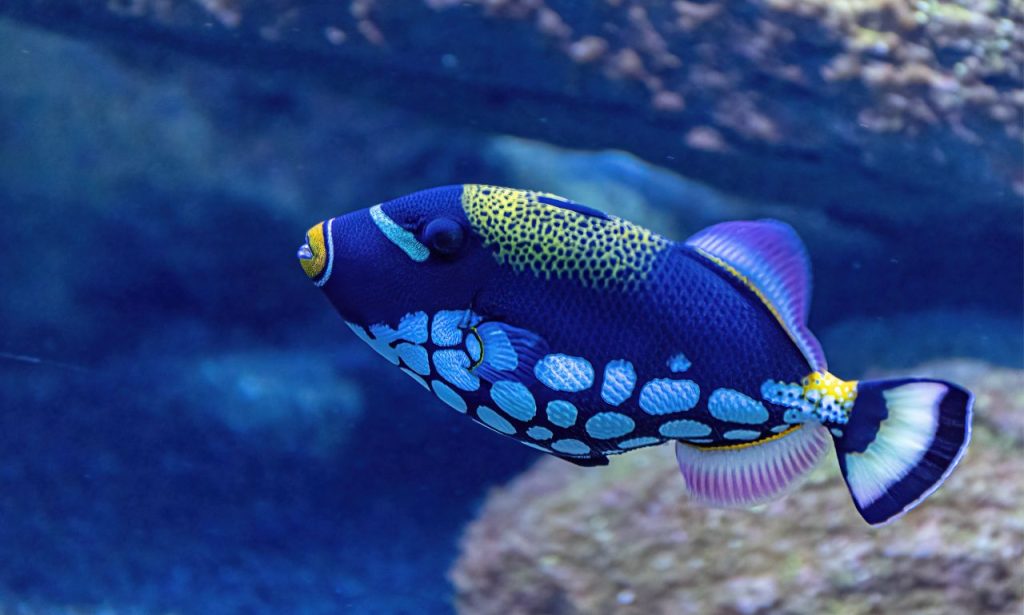
In many cases, yes.
Fish often become more active when a familiar caregiver enters the room. They may swim rapidly, gather near feeding zones, or position themselves close to the glass.
Excitement usually stems from anticipation. The fish expects food, interaction, or another positive experience based on previous encounters.
Imagine hearing the ice cream truck every summer as a child. The sound created excitement because it signaled something enjoyable. Fish form similar associations through repetition and experience.
Can Fish Recognize Individual People and Remember Them Long-Term?
Current evidence suggests that many fish can recognize individual humans, especially those they encounter regularly.
Visual cues appear to be the primary mechanism. Fish learn to associate specific appearances, movements, and routines with particular outcomes.
Long-term memory supports this ability. Studies have shown that fish can retain learned information for extended periods, allowing them to remember familiar people over time.
While researchers continue to explore the limits of fish cognition, the evidence increasingly points to a simple conclusion: fish are much more perceptive than their reputation suggests.
Conclusion
So, Can Aquarium Fish Recognize Their Owners? The growing body of scientific research suggests that many aquarium fish can indeed distinguish familiar caregivers from strangers. Recognition may occur through visual cues, feeding routines, movement patterns, and long-term memory.
Fish are not the mindless creatures they were once believed to be. From facial recognition studies to problem-solving experiments, evidence continues to reveal surprising levels of intelligence and awareness.
The next time your fish swims eagerly toward the glass when you enter the room, consider what might be happening. It may not be affection in the same way a dog greets its owner, but it could very well be recognition built through months of daily interaction.
Have you noticed your fish reacting differently to you than to other people? Observing those subtle behaviors is one of the most rewarding parts of aquarium keeping.
Also Read: Why Do Fish Stay at the Top of the Tank?
FAQs
Most likely. Fish can learn feeding schedules and associate specific individuals with food.
Oscars, cichlids, goldfish, and bettas are among the species most often reported to recognize their owners.
Yes. Studies have shown that many fish can remember information for months and sometimes longer.
Some species can. Archerfish have demonstrated the ability to distinguish between individual human faces in scientific studies.
Leave a Reply