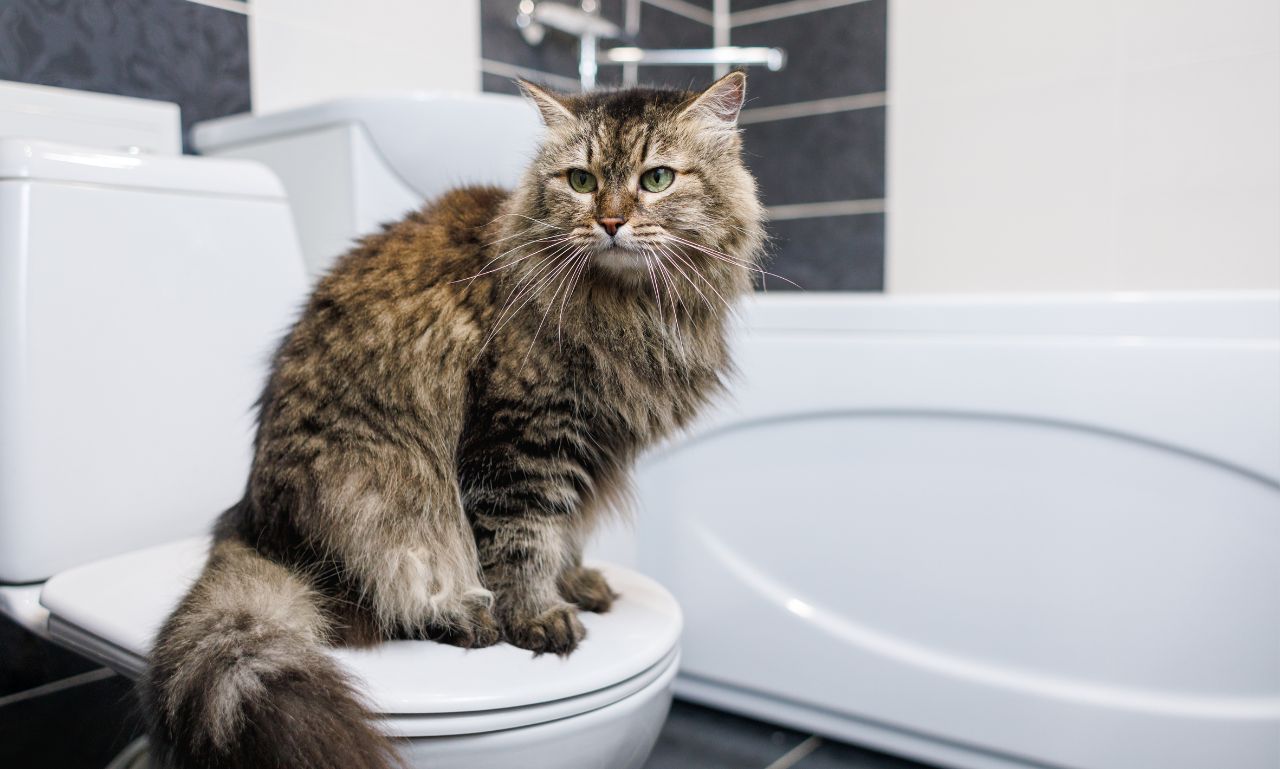
You finally get a moment to yourself. You walk toward the bathroom, close the door, and before you can even sit down, there’s scratching, meowing, whining, or a furry face staring at you through the tiny gap beneath the door. Sound familiar?
If you’ve ever wondered, Why Does My Pet Follow Me to the Bathroom?, you’re asking a question millions of pet owners have asked before. It’s one of those behaviors that feels both adorable and slightly ridiculous. After all, why would your dog or cat be so interested in one of the least exciting rooms in the house?
The Science Behind Pet Attachment and Social Bonding
One of the biggest reasons pets follow their owners is attachment.
Researchers at Oregon State University found that many dogs develop secure emotional bonds with their owners that closely resemble the relationship between young children and caregivers. This is a remarkable finding when you stop and think about it.
Over time, pets come to associate you with safety, comfort, food, play, and affection. You become a central part of their daily lives.
Imagine spending nearly every day with someone who provides everything you need. Naturally, you’d want to stay close to them, too.
Cats may have a reputation for being independent, but science tells a different story. Research published in Current Biology found that many cats form strong attachment bonds with their owners as well. This explains why your pet often chooses to be with you, even when they don’t need food or attention.
Sometimes they enjoy being near you.
How Your Pet Views You as Part of Their Family or Pack
Dogs are social animals by nature.
Thousands of years ago, their ancestors survived by working together in groups. Although your Golden Retriever isn’t hunting alongside a wolf pack, those social instincts haven’t disappeared.
Your dog sees you as part of their trusted circle.
Because of that connection, staying close feels natural. Following you from room to room isn’t a job they’ve assigned themselves. It’s simply what family members do.
Cats view relationships differently, but they also form social bonds with individuals they trust. When a cat follows you around the house, they’re often treating you as part of their inner social group.
Think about it this way.
Your pet doesn’t understand that you’re just going to brush your teeth or grab a towel. All they know is that their favorite human is moving somewhere, and they’d rather come along than miss out.
Why Is the Bathroom So Interesting to Pets?
Here’s the funny part.
Most people assume their pet follows them because the pet is interested in them. Sometimes they’re just as interested in the bathroom itself.
Curiosity, Closed Doors, and the Fear of Missing Out
Nothing attracts attention quite like a closed door. You may have noticed that a room your pet normally ignores suddenly becomes fascinating the moment you shut the door behind you.
Animal behaviorists often point to curiosity as a major reason for bathroom-following behavior. Pets want to know what’s happening around them.
When you disappear into a room they can’t access, questions start forming in their minds.
Where did you go?
What are you doing?
Why wasn’t I invited?
Many experts compare this reaction to a mild version of fear of missing out. Pets enjoy being part of household activities. Being excluded can make them curious enough to investigate.
Cats are particularly famous for this behavior. A room they ignored all day can suddenly become the most important place in the house once access is restricted.
Why Bathrooms Provide Unique Sights, Sounds, and Scents
Bathrooms are sensory playgrounds for pets. Dogs experience the world primarily through smell. Their noses are vastly more powerful than ours, allowing them to detect scents humans never notice. The bathroom contains countless interesting smells, from soaps and shampoos to damp towels and running water.
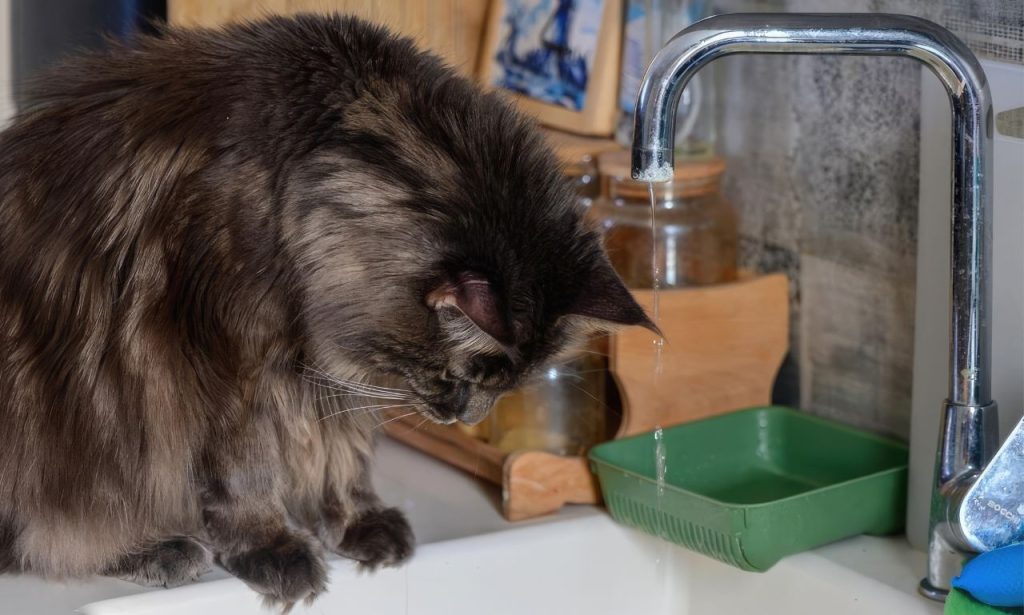
Cats are equally fascinated by unusual environments. Many enjoy watching water flow from faucets or observing reflections in mirrors.
Some pets even develop strange bathroom traditions.
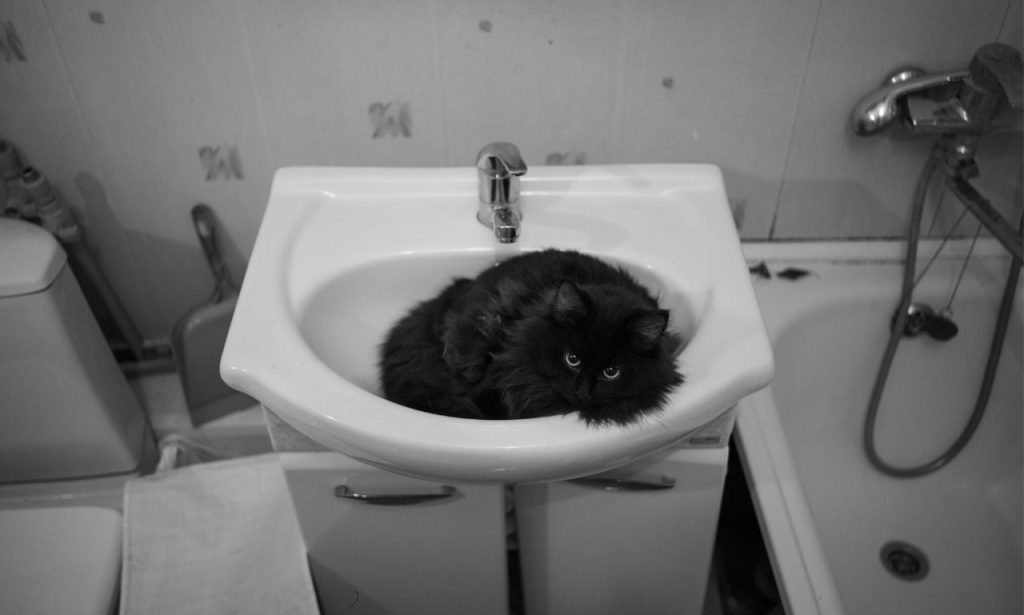
You might have seen a cat leap into the sink every morning or a dog who insists on sitting beside the shower. These habits often develop simply because the bathroom offers unique experiences unavailable elsewhere in the home.
Does Following You to the Bathroom Mean Your Pet Loves You?
In many cases, yes. While pets can’t express affection the way humans do, their behavior often speaks louder than words.
Signs Your Pet Is Showing Affection and Trust
Following you around can be one of the clearest signs of trust.
A dog that chooses to stay near you is demonstrating that they feel secure in your presence. The same goes for a cat that waits outside the bathroom door or follows you from room to room.
Veterinarians hear stories like this every day.
Owners sometimes worry that something is wrong when, in reality, their pet enjoys their company.
Love doesn’t always look dramatic. Often, it’s found in small everyday moments.
A dog resting near your feet while you work.
A cat sitting quietly beside you while you read.
A pet waiting patiently outside the bathroom because they’d rather be near you than anywhere else.
Those simple actions often reflect genuine affection.
The Difference Between Healthy Attachment and Dependence
There’s an important distinction between attachment and dependence.
A healthy bond allows your pet to enjoy your company while remaining comfortable on their own. They may follow you sometimes and spend time independently at other moments.
Dependence is different.
A dependent pet struggles whenever you’re out of sight. They may become anxious, restless, or distressed when separated from you.
Imagine a child happily playing alone, occasionally checking in on a parent. That’s healthy attachment.
Now imagine a child who panics every time the parent leaves the room. That’s closer to unhealthy dependence.
Most pets that follow owners into the bathroom fall into the first category.
They’re attached, not dependent.
When Should You Be Concerned About Clingy Pet Behavior?
Most bathroom-following behavior is completely harmless.
However, there are situations where increased clinginess may signal a deeper issue.
Recognizing Separation Anxiety in Dogs and Cats
Separation anxiety involves much more than simply wanting company.
Dogs with separation anxiety often bark excessively, chew furniture, pace around the house, or attempt to escape when left alone.
Cats may display different symptoms. Some become unusually vocal, stop eating normally, or develop destructive habits.
Veterinarians reported seeing more separation-related problems after the pandemic, when many pets became accustomed to having owners home throughout the day.
Following you to the bathroom alone isn’t enough to indicate anxiety.
The concern arises when that behavior is accompanied by obvious distress whenever you’re absent.
Pay attention to the bigger picture rather than focusing on a single habit.
Other Behavioral or Health Issues That May Cause Excessive Following
Age can also play a role.
Senior pets sometimes become more attached because changes in hearing, vision, or memory make them feel less confident.
Health problems may contribute as well.
Pain, discomfort, cognitive decline, and certain medical conditions can cause pets to seek additional reassurance from their owners.
One important rule applies here.
If your pet suddenly becomes clingy after years of independence, it’s worth discussing the change with a veterinarian.
Behavioral shifts often provide valuable clues about a pet’s overall health.
How Can You Encourage Healthy Independence in Your Pet?
Loving your pet doesn’t mean they need to be attached to you every second of the day.
Helping them build confidence can strengthen your relationship in the long run.
Training and Enrichment Activities That Build Confidence
Independent pets tend to be happier and more adaptable.
Puzzle feeders, treat-dispensing toys, and interactive games encourage pets to stay engaged without relying on constant attention from their owners.
Training sessions can help too.
Teaching commands like “stay” and rewarding calm behavior when you’re in another room help your pet learn that separation isn’t something to fear.
Cats benefit from enrichment as well.
Climbing trees, window perches, scratching posts, and interactive toys create opportunities for exploration and mental stimulation.
Small changes may seem insignificant at first, but they often make a noticeable difference over time.
When to Seek Help From a Veterinarian or Animal Behaviorist
Sometimes professional guidance is the best option.
If your pet’s clinginess causes distress or interferes with daily life, consulting a veterinarian is a smart next step.
A medical examination can rule out underlying health issues.
If the problem is behavioral, a certified animal behaviorist can create a customized plan to improve your pet’s confidence and independence.
Seeking help early often prevents small problems from becoming larger ones.
Conclusion
So, Why Does My Pet Follow Me to the Bathroom?
For most pets, the answer is surprisingly simple. They enjoy your company.
Strong emotional bonds, natural curiosity, social instincts, and daily routines all contribute to this common behavior. Your pet isn’t trying to invade your privacy. They’re simply choosing to spend time with someone they trust.
In many ways, it’s actually a compliment.
The little shadow following you down the hallway sees you as a source of comfort, safety, and companionship.
Sure, it might make private bathroom trips a bit challenging.
But one day, you may find yourself missing those tiny paws waiting patiently outside the door.
Also Read: How Do You Stop Excitement Peeing in Dogs?
FAQs
Cats are curious animals and often want access to any space their owners enter.
Yes. Many pets naturally stay close to people they trust and feel bonded with.
In many cases, the following behavior is a sign of affection, trust, and emotional attachment.
You should consult a veterinarian if clinginess appears suddenly or is accompanied by anxiety, stress, or other behavioral changes
Leave a Reply