Blog

  • How Do You Stop Excitement Peeing in Dogs?

    How Do You Stop Excitement Peeing in Dogs?

    You walk through the front door after work, and your dog reacts as if you’ve just returned from a year-long trip around the world. The tail is wagging so hard that the whole body moves. They jump, spin, and race around the room. Then you notice a small puddle on the floor.

    If you’ve experienced this, you’re probably wondering whether your dog forgot their house training or if something else is going on. The reality is that excitement peeing is a common issue, especially in puppies and highly enthusiastic dogs.

    Let’s take a closer look at why excitement peeing happens and what you can do about it.

    What is the Difference Between Excitement Urination and House-Training Problems?

    How Do You Stop Excitement Peeing in Dogs?

    Many dog owners assume any accident inside the house means their dog isn’t properly trained. In the case of excitement peeing, that’s usually not true.

    Excitement urination occurs when a dog becomes so overwhelmed by positive emotions that they temporarily lose bladder control. It often occurs during greetings, play sessions, family reunions, or when visitors arrive.

    Think about how children sometimes struggle to contain their excitement when something special happens. Dogs can experience a similar emotional overload.

    House-training problems look different. A dog with incomplete house training may have accidents throughout the day without a specific trigger. Marking behavior is different, too. Dogs that mark typically release small amounts of urine to communicate with other animals or establish territory.

    Medical urinary issues can also cause accidents, but those situations often come with other symptoms such as frequent urination, discomfort, or accidents occurring at random times.

    One clue stands out above all others. If your dog only pees during exciting situations, excitement urination is likely the culprit.

    Which Dogs Are Most Likely to Pee from Excitement?

    Life is exciting when you’re a puppy. A new toy is exciting. Breakfast is exciting. Hearing your owner’s voice is exciting. Seeing a guest walk through the front door is extremely exciting.

    Because puppies are still developing bladder control and emotional regulation, accidents can occur when those skills become overwhelmed.

    Young dogs aren’t the only ones affected. Sensitive or timid dogs may also struggle with excitement urination. Some dogs naturally experience stronger emotional reactions than others, making them more likely to lose bladder control in highly stimulating situations.

    Veterinary behaviorists often see excitement peeing in friendly, energetic, and eager-to-interact dogs. Ironically, the dogs with the biggest hearts sometimes have the hardest time containing their enthusiasm.

    What Causes Excitement Peeing in Dogs?

    Emotional Triggers That Lead to Loss of Bladder Control

    How Do You Stop Excitement Peeing in Dogs?

    Excitement is the obvious trigger, but there’s usually more happening beneath the surface. A dog greeting their favorite person experiences a rush of emotions. Their heart rate increases. Their body becomes energized. Their focus shifts entirely to the exciting event unfolding before them. At that moment, bladder control can take a back seat.

    Anticipation often plays a role as well. Some dogs begin leaking urine before a visitor even enters the house because they know someone is about to arrive.

    Overstimulation can make matters worse. Loud voices, multiple guests, energetic children, and chaotic environments create a level of excitement that some dogs can’t manage.

    Anxiety may also contribute. Many owners mistake nervous excitement for pure happiness. In reality, some dogs experience a mixture of excitement and uncertainty that pushes them over their emotional threshold.

    From a dog’s perspective, they’re not making a choice. Their emotions are simply getting the better of them for a brief moment.

    Can Medical Conditions Cause or Worsen Excitement Peeing?

    Most cases of excitement urination are behavioral, but health problems should never be ignored. Urinary tract infections can increase urgency and increase the risk of accidents. Bladder issues, hormone imbalances, and certain forms of urinary incontinence may also contribute to unexpected urination.

    Female dogs sometimes experience hormone-related leakage after being spayed. Older dogs may also develop age-related bladder control issues.

    Pay close attention to warning signs. Frequent accidents, excessive drinking, blood in the urine, straining during urination, or visible discomfort should prompt a veterinary visit.

    Many veterinarians recommend ruling out medical causes before focusing entirely on training. A quick examination can save time and ensure your dog receives the right treatment if a health issue is involved.

    How Do You Stop Excitement Peeing in Dogs?

    Proven Training Techniques to Reduce Excitement Urination

    Solving excitement peeing isn’t about punishment. It’s about helping your dog stay calmer during situations that trigger accidents.

    One of the most effective strategies is changing how greetings happen.

    When you come home, resist the urge to shower your dog with attention right away. Walk inside calmly. Put your belongings down. Wait until your dog settles before offering affection. It may feel strange at first, but this simple adjustment often produces noticeable results.

    Taking your dog outside before exciting events can also help. If guests are expected, give your dog a chance to relieve themselves beforehand.

    Rewarding calm behavior is another powerful tool. Whenever your dog remains relaxed during greetings, praise them or offer a treat. Over time, they begin associating calm behavior with positive outcomes.

    Impulse-control exercises can make a big difference as well. Commands such as “sit,” “stay,” and “place” teach dogs to pause and think before reacting.

    Professional trainers frequently use these exercises because they improve emotional regulation in a wide variety of situations, not just excitement peeing.

    Progress may seem slow at times, but consistency is where the magic happens.

    Mistakes to Avoid When Correcting Excitement Peeing

    Here’s where many well-meaning owners accidentally make things worse.

    They punish the dog.

    The puddle appears, frustration kicks in, and the dog gets scolded.

    Unfortunately, punishment rarely solves excitement urination. In fact, it often increases anxiety, which can lead to even more accidents.

    Your dog isn’t trying to misbehave. They’re experiencing an emotional response they haven’t yet learned to control.

    Physical corrections should also be avoided. They damage trust and create fear without addressing the root cause of the problem.

    Another common mistake is making a big deal out of accidents. Dogs are incredibly sensitive to human reactions. Turning cleanup into a dramatic event can increase stress and reinforce unwanted behaviors.

    Instead, clean the area quietly and focus your energy on prevention and training.

    Patience may not be the fastest solution, but it’s almost always the most effective one.

    How Long Does It Take for Dogs to Outgrow Excitement Peeing?

    When Puppies Naturally Stop Excitement Urination

    How Do You Stop Excitement Peeing in Dogs?

    For many puppies, excitement peeing tends to fade as they mature.

    As bladder muscles strengthen and emotional control improves, accidents become less frequent. Most puppies show noticeable improvement between six and twelve months of age.

    Some dogs mature faster than others. Breed, personality, training consistency, and overall confidence all influence the timeline.

    A confident puppy with regular training may overcome excitement urination relatively quickly. A more sensitive dog may need additional time and support.

    The important thing is to focus on progress rather than perfection. Even small improvements indicate your dog is moving in the right direction.

    What to Do If an Adult Dog Still Pees When Excited

    Adult dogs can still struggle with excitement urination, particularly if the behavior was never properly addressed during puppyhood. The good news is that improvement is still possible.

    Start by identifying specific triggers. Does your dog pee when guests arrive? During play sessions? When greeting certain family members?

    Once you know the triggers, you can develop a management plan around them.

    Confidence-building exercises often help adult dogs significantly. Structured training sessions, mental enrichment activities, and predictable routines can reduce emotional overwhelm.

    Some owners find success by having guests ignore the dog initially. Once the excitement level drops, interactions become much easier to manage.

    If the problem persists, working with a certified trainer or veterinary behaviorist can provide valuable insight and customized solutions.

    Conclusion

    If you’ve been asking yourself, How Do You Stop Excitement Peeing in Dogs?, remember that your dog isn’t being stubborn, spiteful, or poorly trained. More often than not, they’re overwhelmed by emotions they haven’t yet learned to control.

    The encouraging news is that most dogs improve with time, patience, and consistent training. Calm greetings, positive reinforcement, regular potty breaks, and confidence-building exercises can all make a noticeable difference.

    Every successful greeting is a small step forward. Some days will be better than others, and that’s perfectly normal.

    Stick with the process, celebrate progress when it happens, and give your dog the support they need. Before long, those enthusiastic welcomes may still include plenty of tail wagging—but hopefully a lot less cleaning up afterward.

    Also Read: Why Does My Pet Follow Me to the Bathroom?

    FAQs

    Should I punish my dog for peeing from excitement?

    No. Punishment often increases stress and can worsen the behavior.

    Can a fully house-trained dog still pee when excited?

    Yes. Excitement urination can occur even in dogs that are otherwise completely house-trained.

    When should I see a veterinarian?

    Schedule a visit if accidents happen frequently, appear unrelated to excitement, or are accompanied by signs of illness.

    Do some breeds experience excitement peeing more than others?

    Highly social and energetic breeds may be more prone to excitement urination, although any dog can develop the behavior.

  • Why Does My Dog Smell Bad After a Bath?

    Why Does My Dog Smell Bad After a Bath?

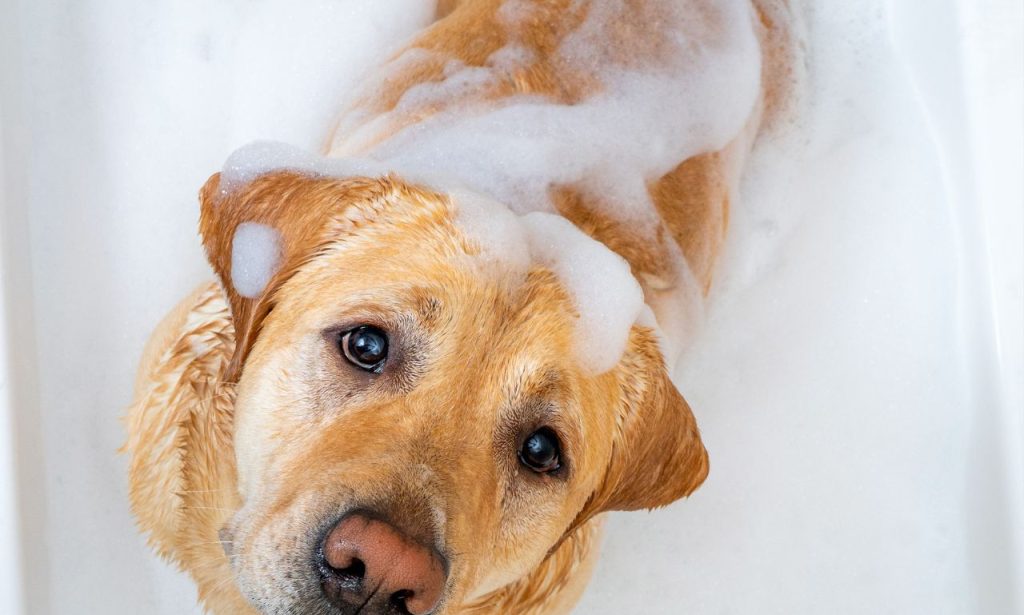
    You finally bathe your dog, expecting that fresh, clean scent to last for days. Instead, a few hours later, your furry friend smells just as bad—or even worse—than before. If you’ve ever found yourself asking, “Why Does My Dog Smell Bad After a Bath?“, you’re not alone.

    Many dog owners face this frustrating problem. In fact, veterinarians and professional groomers hear this complaint regularly. While some odor after a bath is completely normal, persistent odors can indicate grooming mistakes, skin conditions, infections, or other underlying issues.

    The good news is that once you understand what’s causing the odor, finding the right solution becomes much easier. Let’s explore the most common reasons your dog may still smell unpleasant after bath time.

    The Difference Between Normal Wet Dog Smell and Persistent Odor

    Most dogs develop a temporary smell when their coat gets wet. This familiar “wet dog smell” occurs because moisture releases compounds produced by bacteria and yeast naturally living on the skin.

    As the coat dries, the smell usually fades. Labrador Retrievers, Golden Retrievers, and other breeds with dense coats often experience this more noticeably because their fur traps moisture longer.

    Persistent odor is different. If your dog continues to smell bad after drying completely, there may be an underlying issue. A strong, musty, sour, fishy, or rotten smell often signals more than just normal wet fur.

    Think of it this way. A damp towel might smell slightly musty until it dries. But if it smells foul every day, washing alone won’t solve the problem. The same principle applies to dogs.

    Why Bathing Alone Doesn’t Always Remove the Source of the Smell

    Why Does My Dog Smell Bad After a Bath?

    Many owners assume odor comes from dirt. In reality, dirt is only one piece of the puzzle.

    A bath can remove surface debris, but it won’t eliminate infections, allergies, dental disease, or impacted anal glands. If those conditions are present, the smell often returns shortly after grooming.

    Professional groomers frequently report that dogs arrive freshly bathed yet still carry strong odors from ear infections or skin issues. Shampoo may temporarily mask the smell, but the underlying cause remains untouched.

    When bad odor keeps returning despite regular bathing, it’s usually a sign to look beyond grooming practices.

    Common Health Problems That Cause Bad Odors in Dogs

    Sometimes an unpleasant smell is your dog’s way of signaling that something isn’t right.

    Skin Infections, Yeast Overgrowth, and Allergies

    Skin infections are among the leading causes of chronic odor in dogs.

    Bacterial infections often produce a strong, unpleasant smell that owners describe as sour or rancid. Yeast infections create a musty scent that many compare to corn chips, moldy bread, or stale popcorn.

    Dogs suffering from allergies are especially vulnerable. Constant scratching damages the skin barrier, creating an ideal environment for bacteria and yeast to multiply.

    Veterinarians have reported an increase in allergy-related skin infections in recent years. Environmental allergens such as pollen, grass, and dust mites are common triggers.

    Look for symptoms including redness, excessive licking, flaky skin, hair loss, or greasy patches. If these signs accompany the odor, medical treatment may be necessary.

    Ear Infections, Dental Disease, and Anal Gland Issues

    Not every odor originates from the coat.

    Ear infections often produce a strong odor resembling yeast or spoiled food. Dogs with floppy ears, such as Cocker Spaniels and Basset Hounds, face a higher risk because moisture can become trapped in the ear canal.

    Dental disease is another overlooked culprit. Plaque buildup and infected gums can cause severe bad breath that worsens whenever your dog pants.

    Then there are anal glands. These small sacs near the rectum release a fishy-smelling fluid. When they become impacted or infected, the odor can become overwhelming.

    If you’ve noticed a fishy smell after a bath, anal glands may be responsible rather than the coat itself.

    Grooming Mistakes That Can Make Your Dog Smell Worse

    Why Does My Dog Smell Bad After a Bath?

    Sometimes the issue isn’t your dog. It’s the bathing routine.

    Using the Wrong Shampoo or Bathing Too Frequently

    Not all shampoos are created equal.

    Products formulated for humans can disrupt your dog’s natural skin balance. Human shampoos often alter skin pH levels, leading to irritation and increased bacterial growth.

    Bathing too frequently can also backfire. Many owners believe more baths equal less odor. Unfortunately, excessive washing strips away protective oils.

    When those oils disappear, the skin may respond by producing even more oil. This creates a greasy coat that traps odor-causing microbes.

    Veterinarians generally recommend bathing schedules based on breed, coat type, and activity level rather than following a strict calendar.

    Inadequate Rinsing and Improper Drying After a Bath

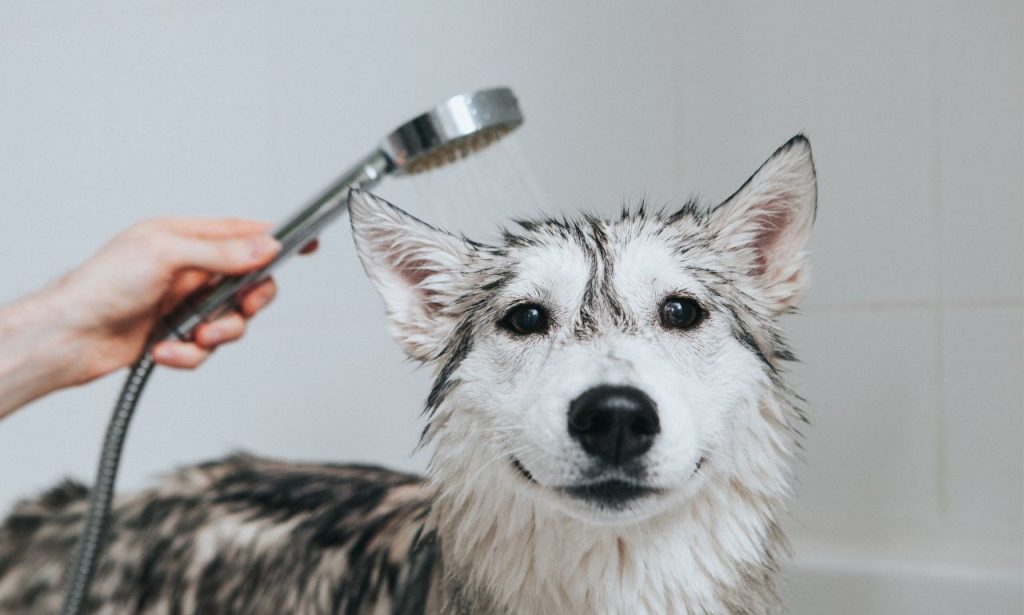
    One of the most common grooming mistakes involves incomplete rinsing.

    Shampoo residue left on the skin can cause irritation, itching, and odor. Even premium grooming products can create problems if they aren’t thoroughly washed away.

    Drying matters just as much.

    Dogs with thick coats often retain moisture close to the skin long after appearing dry on the surface. Warm, damp conditions create the perfect environment for yeast and bacteria to flourish.

    Professional groomers spend significant time ensuring dogs are completely dry after bathing. At home, many owners unknowingly stop drying too soon.

    Next time you bathe your dog, run your fingers deep into the coat several hours later. You may be surprised by how much moisture remains.

    How to Identify the Source of Your Dog’s Bad Smell

    Pinpointing the source of the odor can save both time and frustration.

    Signs the Odor Is Coming From the Skin, Ears, Mouth, or Rear End

    Start by observing where the smell seems strongest.

    A musty or greasy odor throughout the body often indicates skin problems. Strong odors concentrated around the ears may indicate infection.

    Bad breath that persists after eating usually suggests dental disease. Fishy odors near the rear end often involve anal glands.

    Try performing a gentle inspection during grooming sessions. Check for redness, discharge, swelling, or unusual skin texture.

    Many veterinarians compare this process to detective work. Small clues often reveal the true source of the problem.

    When a Bad Smell Indicates an Underlying Medical Condition

    Occasional odor isn’t always cause for concern.

    Persistent smells accompanied by itching, hair loss, redness, discharge, weight changes, or behavioral shifts deserve attention. These symptoms may indicate infections, endocrine disorders, or chronic allergies.

    In some cases, systemic illnesses affect body odor. Diabetes, kidney disease, and hormonal imbalances can sometimes alter how a dog smells.

    A good rule of thumb is simple. If the odor persists despite proper grooming and appears to worsen over time, schedule a veterinary evaluation.

    How to Keep Your Dog Smelling Fresh Between Baths

    Why Does My Dog Smell Bad After a Bath?

    Fresh-smelling dogs aren’t always the ones bathed most often. Consistent care usually makes the biggest difference.

    Effective Grooming, Diet, and Coat Care Tips

    Regular brushing removes dirt, loose hair, and odor-trapping debris before they accumulate.

    Nutrition also plays a surprisingly important role. High-quality diets support skin health and help maintain a healthy coat barrier. Many veterinarians notice improvements in skin condition after dietary adjustments.

    Clean bedding regularly as well. A freshly bathed dog returning to a dirty bed can quickly pick up unwanted smells again.

    Routine ear cleaning and dental care further reduce odor sources. Small maintenance habits often prevent larger problems from developing.

    Here’s a question worth considering: When was the last time you cleaned your dog’s favorite blanket? Sometimes the smell isn’t coming entirely from your dog.

    When to See a Veterinarian for Persistent Dog Odor

    Some odors won’t disappear without professional help.

    If you’ve improved grooming practices, adjusted bathing routines, and addressed environmental factors but the smell remains, it’s time to consult your veterinarian.

    Early treatment often prevents minor issues from becoming major health concerns. Skin infections, ear problems, and allergies typically respond better when caught early.

    Trust your instincts as a pet owner. You know your dog’s normal scent better than anyone else.

    When something smells off for an extended period, there’s usually a reason.

    Conclusion

    If you’ve been wondering, “Why Does My Dog Smell Bad After a Bath?”, the answer often goes beyond dirt and hygiene. While temporary wet-dog odor is normal, persistent odors can signal skin infections, yeast overgrowth, allergies, dental disease, ear infections, or anal gland issues.

    Bathing is only one part of keeping your dog healthy and fresh. Proper grooming, complete drying, quality nutrition, and routine veterinary care all play important roles.

    The next time your freshly bathed dog starts smelling unpleasant again, don’t just reach for another bottle of shampoo. Take a closer look. The odor may be revealing something important about your dog’s health.

    Also Read: Can Over-Grooming Damage Pet Skin?

    FAQs

    1. Is wet dog smell normal?

    Yes. Most dogs develop a temporary odor when wet, but it should fade once the coat dries completely.

    2. Can allergies make my dog smell bad?

    Yes. Allergies often lead to skin inflammation, which can encourage bacterial and yeast growth.

    3. How often should I bathe my dog?

    It depends on breed, coat type, and lifestyle. Many dogs do well with baths every four to eight weeks.

    4. When should I worry about my dog’s odor?

    Seek veterinary advice if the smell persists after bathing or is accompanied by itching, redness, discharge, or hair loss.

  • Can Over-Grooming Damage Pet Skin?

    Can Over-Grooming Damage Pet Skin?

    If you’re a pet owner, you’ve probably seen it countless times. Your cat curls up in a sunny spot and spends the next twenty minutes grooming. Your dog pauses during playtime to lick a paw or scratch behind an ear.

    Can Over-Grooming Damage Pet Skin? Absolutely. Excessive licking, scratching, and chewing can break down the skin’s natural defenses, leading to irritation, infections, hair loss, and even chronic skin conditions. The good news is that once you understand what’s driving the behavior, you can take steps to protect your pet and restore their comfort.

    Let’s take a closer look at why over-grooming happens, what it can do to your pet’s skin, and when it’s time to seek help.

    What Is Over-Grooming in Pets and Why Does It Happen?

    Can Over-Grooming Damage Pet Skin?

    Grooming is a normal part of life for both dogs and cats. Cats, in particular, are famous for their meticulous cleaning routines. Dogs may not groom themselves as often, but they still lick, scratch, and nibble at their fur from time to time.

    Problems begin when grooming becomes excessive or repetitive.

    Over-grooming occurs when a pet spends an abnormal amount of time licking, scratching, biting, or chewing parts of their body. In many cases, it’s not the grooming itself that’s the issue. Instead, it’s a symptom of an underlying problem that needs attention.

    How Normal Grooming Differs from Excessive Grooming

    Healthy grooming is balanced. A cat may clean itself after eating or waking from a nap. A dog might lick its paws briefly after coming inside from a walk.

    Once the task is done, the behavior stops.

    Excessive grooming looks very different. The pet becomes fixated on specific areas and repeatedly returns to them throughout the day. Some pets groom so intensely that they interrupt sleep, avoid play, or lose interest in other activities.

    Veterinarians often describe it as a cycle. An itch leads to licking. Licking irritates the skin further. The irritation creates more discomfort, causing even more licking.

    Before long, a minor issue turns into a major skin problem.

    Common Causes of Over-Grooming in Dogs and Cats

    There’s rarely a single explanation for excessive grooming. Several physical and emotional factors can trigger the behavior.

    Allergies are among the most common causes. Pets can react to pollen, dust mites, grass, mold, or certain ingredients in their food. The resulting itchiness often leads to constant scratching and licking.

    Fleas also play a significant role. Interestingly, pets don’t need a severe flea infestation to experience problems. Veterinary dermatologists frequently report cases in which a single flea bite triggers intense itching in sensitive animals.

    Pain can be another hidden culprit. Dogs with arthritis sometimes lick aching joints repeatedly. Cats experiencing discomfort may focus on a specific area of their body.

    Behavioral issues deserve attention as well. Anxiety, stress, loneliness, and boredom can all encourage repetitive grooming behaviors. Much like humans bite their nails during stressful situations, pets may groom themselves excessively when they’re feeling unsettled.

    Can Over-Grooming Damage Pet Skin?

    Many owners assume grooming is harmless because it’s a natural behavior. Unfortunately, excessive grooming can have serious consequences for skin health.

    The skin serves as a protective barrier against bacteria, fungi, and environmental irritants. Constant licking and scratching weaken that barrier, making the skin vulnerable to injury and infection.

    How Excessive Licking, Scratching, and Chewing Affect the Skin

    A dog’s tongue might seem gentle, but repeated licking acts more like sandpaper than most people realize. Over time, the rough texture wears away the outer layer of skin.

    Scratching creates another problem. Sharp nails can leave tiny cuts and abrasions that allow bacteria to enter.

    Chewing is often the most damaging behavior of all. Some pets bite irritated areas so aggressively that open wounds develop. Once the skin breaks, healing becomes much more difficult.

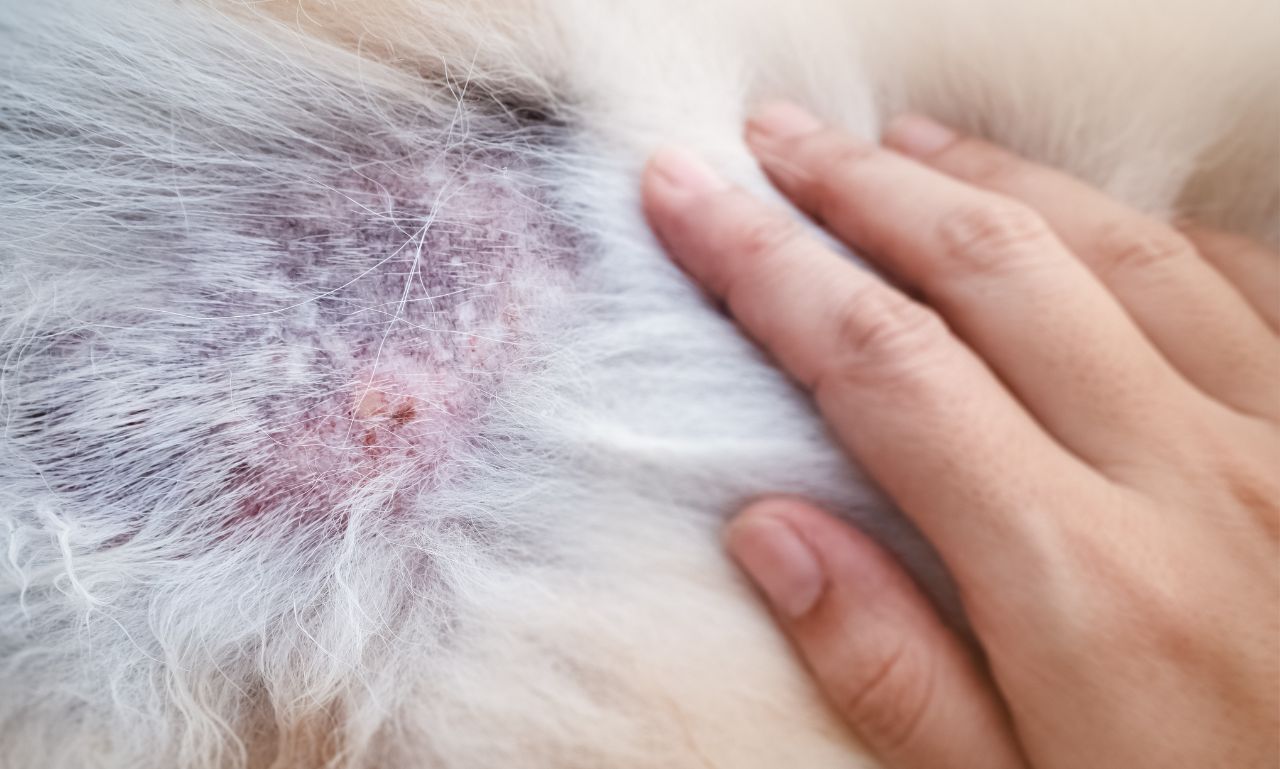
    Many veterinarians see pets with painful hot spots, also known as acute moist dermatitis. These inflamed patches can appear surprisingly fast and often worsen within hours if the licking continues.

    Skin Conditions and Complications Caused by Over-Grooming

    The effects of over-grooming extend far beyond temporary irritation.

    Hair loss is one of the first signs owners notice. Bald patches commonly appear on the legs, belly, tail, or sides of the body.

    As the skin becomes damaged, bacterial infections may develop. Warm, moist areas created by constant licking provide ideal conditions for bacteria to multiply.

    Yeast infections are another common complication. They often produce redness, itching, and an unpleasant odor that encourages even more grooming.

    In severe cases, chronic inflammation can cause skin thickening, discoloration, and scarring. Some pets end up requiring long-term dermatological care simply because an early grooming problem went untreated.

    Signs Your Pet’s Grooming Habits Have Become a Problem

    Can Over-Grooming Damage Pet Skin?

    One of the biggest challenges for pet owners is knowing when normal grooming becomes excessive.

    Because the behavior often develops gradually, warning signs can be easy to miss.

    Physical Symptoms of Over-Grooming and Skin Damage

    Hair loss is usually the first clue. If you notice thinning fur or bald spots, it’s worth paying closer attention to your pet’s grooming habits.

    Redness and inflammation frequently follow. The affected skin may appear irritated, swollen, or unusually sensitive.

    Some pets develop sores, scabs, or crusty patches. Others show saliva staining around areas they frequently lick. In dogs with light-colored fur, these stains often appear reddish-brown.

    An unusual smell can signal infection. Healthy skin shouldn’t produce a strong odor, so any noticeable change deserves attention.

    Behavioral Changes That May Indicate Stress or Discomfort

    Physical symptoms tell only part of the story.

    Behavioral changes often provide important clues about what’s happening beneath the surface.

    A pet dealing with discomfort may become withdrawn or unusually clingy. Some animals grow restless and struggle to relax. Others appear irritable when touched near sensitive areas.

    Pay attention to patterns. Does your dog groom excessively when left alone? Does your cat start licking more after household changes?

    Small observations like these can reveal whether emotional stress is contributing to the problem.

    How to Treat and Prevent Skin Damage from Over-Grooming

    The most effective treatment starts with identifying the root cause. Trying to stop the grooming without addressing the underlying issue rarely produces lasting results.

    Fortunately, there are several ways to help.

    A veterinary examination is often the first step. Depending on your pet’s symptoms, the veterinarian may recommend allergy testing, skin scrapings, blood work, or other diagnostic procedures.

    If infections are present, antibiotics or antifungal medications may be necessary. Anti-inflammatory treatments can help reduce itching and break the cycle of irritation.

    Pets with allergies may benefit from prescription diets, allergy medications, or immunotherapy treatments.

    Behavioral causes sometimes require a different approach. In certain cases, veterinarians work alongside animal behaviorists to develop stress-reduction plans that address compulsive grooming habits.

    Many pets show significant improvement once the underlying issue is properly treated.

    Home Care Strategies to Protect Your Pet’s Skin and Coat

    Home care can make a tremendous difference.

    Keeping your pet on a consistent flea prevention program is one of the simplest ways to avoid skin irritation. Even indoor pets benefit from regular protection.

    Mental stimulation matters too. Interactive toys, puzzle feeders, and daily exercise can help reduce boredom-driven grooming.

    Routine grooming sessions can also support skin health. Brushing removes loose fur and allows you to spot potential issues before they become serious.

    Most importantly, stay observant. Catching a problem early often prevents weeks or months of discomfort later.

    Over-grooming is often a symptom rather than the actual problem.

    Looking beyond the behavior itself is essential for finding long-term solutions.

    Allergies, Parasites, and Underlying Medical Conditions

    Allergies remain one of the leading causes of excessive grooming in pets. Environmental triggers, food sensitivities, and flea allergies can all create persistent itching.

    Parasites such as fleas, mites, and ticks frequently cause intense irritation, leading to repeated scratching and licking.

    Medical conditions can contribute as well. Arthritis, hormonal disorders, skin infections, and chronic pain often encourage excessive grooming as pets attempt to soothe discomfort.

    This is why veterinary evaluation is so important. Treating the root cause usually yields better results than focusing solely on grooming behavior.

    Anxiety, Boredom, and Other Behavioral Causes of Over-Grooming

    Can Over-Grooming Damage Pet Skin?

    Not every grooming issue starts with a physical problem.

    Many animal behavior experts compare compulsive grooming to stress-related habits in humans. Some people tap their fingers. Others chew pencils or bite their nails—pets often groom.

    A cat living in a chaotic environment may use grooming as a coping mechanism. Dogs left alone for extended periods sometimes develop repetitive licking behaviors out of boredom.

    Major life changes can also trigger the problem. Moving homes, welcoming a new baby, or introducing another pet may increase stress levels.

    Creating a predictable routine, providing enrichment activities, and spending quality time with your pet can often help reduce anxiety-related grooming.

    Conclusion

    Can Over-Grooming Damage Pet Skin? Without question.

    While grooming is a natural and healthy part of a pet’s routine, excessive licking, scratching, and chewing can quickly lead to skin irritation, infections, hair loss, and long-term discomfort.

    The encouraging news is that over-grooming rarely happens without a reason. Whether the cause is allergies, parasites, pain, stress, or boredom, identifying the trigger allows you to take meaningful action.

    If your pet seems obsessed with grooming, don’t assume they’ll grow out of it. A little extra attention today could prevent a much bigger health issue tomorrow. After all, our pets can’t tell us when something feels wrong. Sometimes their behavior is the message.

    Also Read: Why Does My Dog Smell Bad After a Bath?

    FAQs

    1. Why is my cat grooming until bald spots appear?

    Cats often over-groom because of allergies, stress, parasites, pain, or skin irritation. A veterinary examination can help identify the cause.

    3. Can anxiety really make pets groom excessively?

    Yes. Anxiety and stress are common behavioral triggers, especially in cats and dogs experiencing major changes in their environment.

    4. How do I know if my dog’s licking is excessive?

    Frequent licking of the same area, hair loss, redness, or interrupted daily activities are common signs that grooming has become excessive.

    5. When should I take my pet to the veterinarian?

    Seek veterinary advice if you notice bald patches, sores, redness, swelling, infection, or grooming that continues despite your efforts to stop it.

  • How Often Should Dogs Really Be Bathed?

    How Often Should Dogs Really Be Bathed?

    If you’ve ever stood in your backyard after your dog rolled in something questionable and wondered whether it was time to bathe again, you’re not alone. One of the most common questions veterinarians and groomers hear is: How Often Should Dogs Really Be Bathed?

    The answer isn’t as straightforward as many pet owners expect. Some dogs can go months without a bath and still have healthy skin, while others may need regular washing to manage odor, allergies, or skin conditions. Breed, coat type, lifestyle, and even where your dog spends most of its time all play a role.

    Understanding the right bathing schedule can help you keep your dog’s coat healthy without causing irritation or dryness. Let’s look at what experts recommend and how to determine the best routine for your four-legged companion.

    Is There a Standard Bathing Schedule for Dogs?

    How Often Should Dogs Really Be Bathed?

    Many dog owners hope there’s a universal answer. Unfortunately, dogs don’t come with a one-size-fits-all bathing calendar.

    What Veterinarians Recommend for Different Dogs

    Most veterinarians agree that healthy dogs generally need a bath every four to twelve weeks. However, recommendations vary significantly depending on the individual dog.

    According to guidance commonly shared by veterinary dermatologists, dogs with healthy skin and average activity levels often do well with monthly baths. Meanwhile, dogs with skin allergies, excessive oil production, or certain medical conditions may require more frequent washing using medicated shampoos.

    Professional groomers often see long-haired breeds such as Shih Tzus and Maltese every four to six weeks. On the other hand, short-haired breeds like Beagles may only need occasional baths when they become dirty or develop an odor.

    A veterinarian in New York once described dog bathing like washing your car. A vehicle parked in a garage requires less cleaning than one driven through mud every day. Dogs work much the same way.

    Why Bathing Frequency Varies More Than Most Owners Think

    Several factors influence how often your dog needs a bath. Skin health is one of the biggest considerations. Dogs naturally produce oils that protect and moisturize their skin.

    Removing those oils too often can create problems. Yet leaving dirt, allergens, and debris on the coat for extended periods can also lead to discomfort.

    Climate matters as well. Dogs living in humid regions may develop odors more quickly than those in dry environments. Seasonal changes also affect bathing schedules. During rainy months, many pet owners find themselves reaching for the shampoo bottle more often.

    This is why there isn’t a magic number that works for every dog.

    What Factors Determine How Often a Dog Needs a Bath?

    Understanding your dog’s unique needs is far more important than following a generic schedule.

    How Breed, Coat Type, and Skin Condition Affect Bathing Needs

    Coat type has a major impact on bathing frequency. Dogs with oily coats, such as Basset Hounds, often require more regular baths because their skin naturally produces more oil.

    Long-haired breeds can trap dirt, debris, and moisture within their coats. Regular bathing helps maintain cleanliness while preventing mats and tangles.

    Double-coated breeds present a different challenge. Their coats provide natural insulation and protection, making excessive bathing unnecessary. In fact, over-washing can interfere with their coat’s natural function.

    Skin conditions also influence grooming needs. Dogs suffering from allergies, fungal infections, or dermatitis may need specialized shampoos prescribed by a veterinarian. In these situations, treatment schedules take priority over general bathing guidelines.

    The Impact of Lifestyle, Activity Level, and Environment

    A dog’s daily routine often determines how dirty it becomes.

    Consider two Labrador Retrievers. One spends most of its time indoors, taking short neighborhood walks. The other enjoys hiking trails, swimming in lakes, and chasing squirrels through muddy fields.

    Despite sharing the same breed, their bathing schedules will likely look completely different.

    Outdoor dogs typically accumulate dirt, pollen, and environmental allergens more quickly. Dogs that frequent dog parks or beaches may also require additional baths to remove bacteria and debris.

    Urban environments create their own challenges. Pollution, road dust, and chemical residues can cling to a dog’s coat, especially in heavily populated areas.

    The more active your dog is, the more attention you’ll need to pay to cleanliness.

    Can You Bathe a Dog Too Often or Not Enough?

    How Often Should Dogs Really Be Bathed?

    Finding the right balance is crucial. Both extremes can create problems.

    Risks of Over-Bathing and Stripping Natural Skin Oils

    One of the most common mistakes pet owners make is bathing their dogs too frequently.

    Every bath removes some of the natural oils that protect your dog’s skin. When bathing becomes excessive, the skin can become dry, itchy, and irritated.

    Veterinarians often see dogs with flaky skin caused by overzealous grooming routines. Some owners mistakenly assume frequent bathing equals better hygiene. In reality, too much washing can trigger a cycle of dryness and inflammation.

    Harsh shampoos make the problem worse. Products formulated for humans can disrupt a dog’s skin pH balance and should generally be avoided.

    Healthy skin depends on maintaining its natural protective barrier.

    Signs Your Dog Is Due for a Bath and When to Act Sooner

    Rather than watching the calendar, pay attention to your dog’s condition.

    A noticeable odor is one of the clearest indicators. Dirt buildup, oily fur, and visible debris are additional signs that a bath may be needed.

    Excessive scratching can sometimes signal irritation caused by allergens trapped in the coat. If your dog enjoys outdoor adventures, a bath may help remove pollen and environmental contaminants.

    Occasionally, immediate bathing becomes necessary. Encounters with skunks, exposure to chemicals, or rolling in unpleasant substances require prompt cleaning regardless of the regular schedule.

    Sometimes your nose provides the best reminder.

    How Do Bathing Needs Differ by Dog Breed and Coat Type?

    Not all coats are created equal, and grooming routines should reflect those differences.

    Bathing Guidelines for Short-Haired, Long-Haired, and Double-Coated Dogs

    Short-haired breeds typically require the least maintenance. Dogs such as Boxers, Beagles, and Dobermans often stay relatively clean with regular brushing and occasional baths.

    Long-haired breeds demand more attention. Their coats can collect dirt and become tangled if not properly maintained. Bathing every four to six weeks is common for many of these dogs.

    Double-coated breeds like Huskies, German Shepherds, and Golden Retrievers require a different approach. These dogs rely on their undercoat for temperature regulation.

    Many professional groomers recommend bathing them only when necessary, typically every 8 to 12 weeks. Frequent brushing usually does more for coat health than frequent washing.

    The goal is to support the coat’s natural function rather than interfere with it.

    Special Considerations for Puppies, Senior Dogs, and Dogs With Allergies

    Puppies generally need fewer baths than adult dogs. Their skin is more sensitive, making gentle handling essential.

    Most veterinarians recommend waiting until a puppy is at least 8 weeks old before introducing a regular bathing routine. Even then, baths should be occasional unless the puppy becomes particularly dirty.

    Senior dogs may require adjustments as mobility decreases. Some older dogs struggle to groom themselves effectively, leading to increased odor or coat buildup.

    Dogs with allergies present unique challenges. Regular bathing can actually help remove allergens from the coat and provide relief. Veterinary-approved shampoos often play an important role in allergy management programs.

    Always consult a veterinarian when dealing with chronic skin issues.

    What Are the Best Grooming and Bathing Practices for Healthy Skin and Coat?

    How Often Should Dogs Really Be Bathed?

    Bathing is only one piece of the puzzle. Good grooming habits often reduce the need for frequent washing.

    Choosing the Right Shampoo and Avoiding Common Bath-Time Mistakes

    The shampoo you choose matters more than many owners realize.

    Dog-specific shampoos are designed to support canine skin health. Human products, even gentle ones, can disrupt the natural balance of your dog’s skin.

    Look for shampoos suited to your dog’s needs. Moisturizing formulas help dry skin, while medicated options address specific conditions.

    One common mistake involves inadequate rinsing. Leftover shampoo residue can irritate the skin and create itching.

    Water temperature matters too. Lukewarm water is generally the safest and most comfortable option.

    Think of bath time as skin care, not simply cleaning.

    How Brushing, Wipes, and Professional Grooming Reduce Bathing Frequency

    Regular brushing removes loose hair, dirt, and debris before they become larger problems.

    Many groomers say consistent brushing can dramatically reduce the number of baths a dog needs. It also helps distribute natural oils throughout the coat.

    Pet-safe grooming wipes offer a convenient solution between baths. They’re particularly useful for cleaning paws after walks or freshening up dogs that aren’t quite ready for a full wash.

    Professional grooming appointments can also help maintain coat health. Groomers often spot skin issues early and provide maintenance that extends the time between baths.

    A few minutes of grooming each week can save a lot of effort later.

    Conclusion

    So, How Often Should Dogs Really Be Bathed? The honest answer is that it depends on the dog.

    Most healthy dogs benefit from baths every four to twelve weeks, but factors such as breed, coat type, activity level, and skin health can shift that timeline considerably. Instead of focusing solely on a calendar, observe your dog’s coat condition, odor, and overall comfort.

    A clean dog isn’t necessarily one that gets the most baths. Healthy skin, a well-maintained coat, and proper grooming habits matter far more. Take a close look at your dog’s lifestyle and adjust your routine accordingly.

    After all, your dog doesn’t care about perfect grooming schedules. It simply wants to stay healthy, comfortable, and ready for the next adventure.

    Also Read: How Do You Trim a Nervous Dog’s Nails Safely?

    FAQs

    1. Is bathing a dog once a week too often?

    For many dogs, weekly baths are excessive unless recommended by a veterinarian for a medical condition.

    3. Can dogs go several months without a bath?

    Yes. Some healthy dogs, especially double-coated breeds, can go months between baths if regularly groomed.

    4. What happens if you bathe a dog too often?

    Over-bathing can remove natural oils, causing dry skin, irritation, and itching.

    5. Should I bathe my dog if it doesn’t smell?

    Not necessarily. If the coat is clean and healthy, brushing and routine grooming may be enough between baths.

  • Why Do Fish Stay at the Top of the Tank?

    Why Do Fish Stay at the Top of the Tank?

    Watching your fish glide through the aquarium is one of the most relaxing parts of fishkeeping. So when they suddenly spend most of their time near the surface, it’s natural to wonder if something is wrong.

    Many aquarium owners ask, Why Do Fish Stay at the Top of the Tank? The answer isn’t always simple. Sometimes surface swimming is perfectly normal. In other cases, it can signal low oxygen levels, poor water quality, stress, or even disease.

    A hobbyist in Florida shared on an aquarium forum that his angelfish began crowding the surface after a summer heatwave. After testing the water, he discovered oxygen levels had dropped due to rising tank temperatures. Once he improved aeration, the fish returned to their normal behavior within days.

    Stories like this highlight an important lesson: fish behavior often reveals what’s happening in the aquarium before water tests do.

    Let’s explore the most common reasons fish stay near the top and what you can do about it.

    Is It Normal for Fish to Swim Near the Surface?

    Why Do Fish Stay at the Top of the Tank?

    In many situations, yes.

    Several fish species naturally spend time in the upper portion of the aquarium. Bettas, hatchetfish, guppies, and some livebearers often prefer surface zones because that’s where they search for food.

    Bettas are a great example. They possess a labyrinth organ that allows them to breathe atmospheric air. As a result, they regularly swim upward to gulp air.

    You may also notice fish gathering near the surface during feeding times. This behavior becomes especially common when they associate your presence with food.

    However, normal surface swimming differs from fish appearing desperate for air. If fish are gasping, clustering around filter outlets, or remaining at the top all day, the behavior deserves closer attention.

    How Fish Behavior Can Reveal Aquarium Problems

    Fish cannot tell you when conditions deteriorate. Instead, they communicate through behavior.

    Experienced aquarists often notice subtle changes before water tests reveal an issue. A fish that suddenly avoids lower tank areas may be reacting to declining oxygen levels, elevated ammonia, or environmental stress.

    Think of fish behavior as an early warning system. Healthy fish typically explore multiple levels of the aquarium throughout the day. When most occupants consistently gather near the surface, they’re often responding to something in the water.

    Observing your fish for just a few minutes daily can help you identify developing problems before they become serious.

    The Most Common Causes of Fish Staying at the Surface

    While several factors can contribute to surface swimming, a few causes appear far more frequently than others.

    Low Oxygen Levels and Poor Water Circulation

    Low dissolved oxygen is one of the leading reasons fish stay near the top.

    Surface water contains the highest concentration of oxygen because it comes into direct contact with the air. When oxygen levels decline throughout the tank, fish instinctively move upward.

    Poor water circulation often contributes to the problem. Without sufficient movement, oxygen struggles to reach deeper areas of the aquarium.

    Warm water compounds the issue. According to fisheries research, warmer water holds significantly less dissolved oxygen than cooler water. During summer months, aquariums can experience oxygen shortages even when equipment appears to be functioning normally.

    You might notice fish hovering near airstones, filter returns, or bubbling decorations. Those areas contain higher oxygen concentrations, making them attractive when oxygen becomes limited elsewhere.

    A stronger filter, additional aeration, or improved water movement can often resolve the issue quickly.

    Poor Water Quality, Ammonia, and Nitrite Buildup

    Water quality plays a massive role in fish health.

    Ammonia and nitrite are toxic compounds produced from fish waste, uneaten food, and decomposing organic matter. Even small amounts can irritate fish gills and interfere with breathing.

    When gills become damaged, fish struggle to absorb oxygen efficiently. As a result, they often seek surface areas where oxygen concentrations are highest.

    New aquarium owners encounter this problem frequently during the cycling process. Before beneficial bacteria establish themselves, ammonia and nitrite can spike rapidly.

    Cloudy water, unusual odors, and lethargic fish often accompany poor water conditions.

    Regular testing remains one of the best tools for identifying these hidden threats. Many fishkeepers are surprised to discover water quality issues even when the aquarium appears clean.

    Other Reasons Fish May Gather at the Top of the Tank

    Why Do Fish Stay at the Top of the Tank?

    Not every case involves oxygen shortages or toxic water. Several other factors can influence where fish spend their time.

    High Water Temperature, Overcrowding, and Stress

    Temperature affects nearly every aspect of fish biology.

    When water becomes too warm, fish metabolism speeds up. They require more oxygen while simultaneously having less oxygen available. This double challenge often drives fish toward the surface.

    Overcrowding creates similar problems. More fish produce more waste, consume more oxygen, and increase competition for resources.

    Stress also deserves attention. Aggressive tankmates, sudden environmental changes, loud vibrations, or excessive handling can cause fish to behave differently.

    I once spoke with an aquarium store owner who noticed customers frequently reporting surface swimming after rearranging tank decorations. The fish weren’t sick. They were adjusting to a changed environment.

    Stress may seem harmless at first, but prolonged stress weakens the immune system and increases disease susceptibility.

    Feeding Habits and Surface-Dwelling Fish Species

    Not all surface activity signals trouble.

    Certain species naturally prefer upper water levels throughout their lives. Hatchetfish, halfbeaks, and some killifish rarely venture far from the surface.

    Feeding habits also shape behavior. Fish quickly learn routines and often gather near the top when they anticipate food.

    Have you ever approached your tank and watched every fish rush upward instantly? That’s conditioning in action.

    The key is distinguishing healthy anticipation from distress. Active, alert fish that swim normally after feeding usually have no underlying issue. Fish that remain at the surface while appearing sluggish or gasping require further investigation.

    When Surface Swimming Indicates Illness or Distress

    Sometimes surface behavior points toward health problems rather than environmental conditions.

    Diseases and Health Conditions That Affect Breathing

    Several illnesses interfere with normal respiration.

    Gill flukes, bacterial infections, fungal diseases, and parasites can damage delicate gill tissues. Once breathing becomes difficult, fish often seek areas with higher oxygen concentrations.

    Ich, one of the most recognized aquarium diseases, may also contribute indirectly by stressing fish and reducing overall health.

    Bacterial gill disease deserves particular attention. Infected fish often display rapid gill movement, lethargy, and persistent surface swimming.

    Unfortunately, symptoms can resemble water quality issues. This similarity makes careful observation and water testing essential before beginning treatment.

    Treating disease without identifying the root cause can sometimes make conditions worse.

    Warning Signs That Your Fish Need Immediate Attention

    Certain behaviors require prompt action.

    Fish gasping continuously at the surface often indicate severe oxygen deprivation or significant gill damage. Rapid breathing, clamped fins, unusual coloration, and loss of appetite can also signal serious problems.

    Another concerning sign involves multiple species displaying the same behavior simultaneously. When an entire community tank gathers near the surface, environmental factors are usually involved.

    Trust your instincts as a fishkeeper. If something looks unusual, investigate sooner rather than later.

    A small problem caught early often requires a simple fix. Waiting too long can turn a manageable issue into a major loss.

    How to Fix and Prevent Fish From Staying at the Top of the Tank

    Why Do Fish Stay at the Top of the Tank?

    Once you’ve identified the cause, the next step is to create a healthier environment.

    Improving Oxygen Levels and Water Conditions

    Start with the basics.

    Test ammonia, nitrite, nitrate, and temperature levels. These measurements provide valuable information about aquarium health.

    Adding an airstone often improves oxygen exchange quickly. Increasing filter flow or adjusting the filter output to disturb the water surface can also help.

    Partial water changes remain one of the most effective solutions for improving water quality. Fresh water dilutes toxins and restores healthier conditions.

    If temperatures are elevated, consider lowering the aquarium heater setting or improving room ventilation. In extreme cases, aquarium cooling fans may help.

    Remember, quick fixes work best when paired with proper diagnosis.

    Long-Term Aquarium Maintenance and Prevention Tips

    Consistent maintenance prevents most surface swimming issues.

    Regular water testing helps identify problems before fish show symptoms. Weekly partial water changes keep waste accumulation under control.

    Avoid overfeeding whenever possible. Excess food decomposes, contributing to water quality problems.

    Stock the aquarium responsibly. Every tank has limits, and overcrowding often creates avoidable stress.

    Pay attention to equipment performance as well. Filters, heaters, and air pumps gradually wear out. Routine inspections help ensure everything continues operating efficiently.

    Most importantly, spend time observing your fish. A few minutes each day can reveal changes that no test kit can detect.

    Healthy fish are active, curious, and comfortable throughout the aquarium—not just at the surface.

    Conclusion

    If you’ve been asking, “Why Do Fish Stay at the Top of the Tank?” the answer could range from completely normal behavior to a sign of serious environmental or health issues.

    Surface swimming often results from low oxygen levels, poor water quality, elevated temperatures, stress, or disease. Yet some species naturally prefer upper tank areas and may display this behavior without cause for concern.

    The difference lies in observation. Watch how your fish behave, monitor water conditions regularly, and respond quickly when something seems off.

    Your fish may not speak, but their behavior tells a story. The better you learn to read it, the healthier your aquarium will be.

    Also Read: Can Aquarium Fish Recognize Their Owners?

    FAQs

    1. Is it normal for fish to stay near the surface?

    Yes, some species naturally prefer upper water levels, especially during feeding times.

    2. Can high temperatures cause fish to stay at the top?

    Yes. Warm water contains less oxygen, which can encourage fish to seek oxygen-rich surface areas.

    4. How can I increase oxygen in my aquarium?

    Use an airstone, improve water circulation, and maintain proper filtration to boost oxygen levels.

    5. Should I do a water change if my fish stay at the surface?

    A partial water change is often helpful, especially if poor water quality may be contributing to the problem.

    Meta Description: Learn common causes, warning signs, and effective solutions today.

  • How Do You Trim a Nervous Dog’s Nails Safely?

    How Do You Trim a Nervous Dog’s Nails Safely?

    For many dog owners, nail trimming can feel like a wrestling match nobody signed up for. One minute your dog is relaxed on the couch. Next, they’re pulling away, shaking, or acting like those nail clippers are straight out of a horror movie.

    If you’ve ever wondered, How Do You Trim a Nervous Dog’s Nails Safely?, you’re not alone. Fear of nail trims is one of the most common grooming challenges veterinarians and professional groomers encounter. The good news is that patience, preparation, and the right approach can turn a stressful experience into a manageable routine.

    Let’s look at why dogs become anxious about nail trimming and how you can help them feel safer at every step.

    Why Are Some Dogs Nervous About Nail Trims?

    How Do You Trim a Nervous Dog's Nails Safely?

    Many dogs are not born afraid of nail trimming. Fear often develops from previous experiences or a lack of positive exposure during puppyhood.

    Understanding the source of your dog’s anxiety is the first step toward solving the problem.

    Common Reasons Dogs Fear Nail Clippers and Paw Handling

    A dog’s paws are sensitive. In the wild, injured feet could mean trouble, so many dogs naturally protect them. Some dislike having their paws touched even when they’re relaxed.

    Past negative experiences can make things worse. A dog that has had the quick accidentally cut may remember the pain for years. According to many veterinary behaviorists, a single painful nail trim can create lasting anxiety.

    Noise is another factor. Nail grinders produce vibrations and sounds that can startle sensitive dogs. Even the snapping sound of clippers can make some pets uneasy.

    Lack of early handling also contributes to fear. Puppies that are gently introduced to paw touching and grooming often adapt more easily as adults. Dogs without that exposure may view nail trimming as something unfamiliar and threatening.

    Signs Your Dog Is Anxious During Nail Trimming Sessions

    Dogs communicate stress in subtle ways long before they growl or try to escape.

    Watch for signs such as lip licking, yawning, turning their head away, or repeatedly lifting a paw. Some dogs become unusually still, which can be mistaken for cooperation when they are actually nervous.

    More obvious indicators include trembling, panting, whining, hiding, or attempting to pull away. In severe cases, dogs may snap or become defensive.

    Recognizing these warning signs early allows you to slow down before anxiety escalates. A calmer dog is always safer to handle.

    How to Prepare a Nervous Dog Before Trimming Their Nails

    Preparation often determines whether nail trimming goes smoothly or turns into a struggle.

    Taking time to build confidence beforehand can make a dramatic difference.

    Creating a Calm Environment and Choosing the Right Time

    Timing matters more than many owners realize.

    Choosing a moment when your dog is naturally relaxed after a walk or play session is usually ideal because excess energy has already been burned off.

    Find a quiet room away from distractions. Television noise, children running around, or other pets can increase stress levels.

    Your own mood plays a role too. Dogs are experts at reading human emotions. If you’re nervous, your dog will likely pick up on it. Stay relaxed, speak softly, and keep movements slow.

    Some owners find success placing a non-slip mat beneath their dog. Secure footing often helps nervous pets feel more confident.

    Desensitization and Positive Reinforcement Techniques That Work

    Professional trainers frequently rely on desensitization because it addresses the root cause of fear rather than forcing compliance.

    Start by simply touching your dog’s paws for a few seconds. Offer a favorite treat immediately afterward. Repeat until your dog appears comfortable.

    Next, introduce the nail clippers without using them. Let your dog see and sniff the tool as it receives rewards.

    Gradually build up to holding a paw, touching a nail with the clipper, and eventually trimming a single nail. Progress may take days or even weeks for highly anxious dogs.

    A trainer once compared this process to teaching someone afraid of heights to enjoy a mountain hike. You don’t start at the edge of a cliff. You build confidence one step at a time.

    What Tools Are Safest for Trimming a Nervous Dog’s Nails?

    How Do You Trim a Nervous Dog's Nails Safely?

    Using the right equipment can reduce anxiety and improve safety.

    Not every dog responds well to the same tool, so understanding your options is important.

    Dog Nail Clippers vs. Nail Grinders: Which Is Better for Anxious Dogs?

    Traditional clippers are fast and efficient. They work particularly well for dogs that tolerate handling and remain relatively still.

    However, some nervous dogs react negatively to the pressure and sudden clipping sensation.

    Nail grinders file the nail down gradually. This approach lowers the risk of cutting the quick and allows for greater precision.

    On the other hand, grinders produce vibration and noise. Some dogs tolerate them beautifully, while others find them intimidating.

    Many professional groomers recommend testing both options. The best tool is the one your dog accepts most comfortably.

    Essential Safety Supplies to Have Before You Begin

    Preparation helps prevent panic if something unexpected happens.

    Keep styptic powder nearby in case you accidentally nick the quick. This product helps stop minor bleeding quickly.

    High-value treats are equally important. Think small pieces of chicken, cheese, or another favorite reward.

    Good lighting allows you to see the nail structure clearly. A flashlight can be especially helpful for dogs with dark nails.

    Finally, have a comfortable surface ready. Stability helps both you and your dog stay relaxed during the process.

    How Do You Trim a Nervous Dog’s Nails Safely Step by Step?

    When people ask, How Do You Trim a Nervous Dog’s Nails Safely?, the answer often comes down to moving slowly and focusing on your dog’s comfort level.

    How to Avoid Cutting the Quick and Prevent Painful Accidents

    The quick contains blood vessels and nerves inside the nail. Cutting into it causes pain and bleeding.

    For light-colored nails, the quick usually appears as a pink section within the nail. Stop trimming before reaching that area.

    Dark nails require extra caution. Remove tiny amounts at a time and examine the cut surface frequently. As you approach the quick, you’ll notice a darker center forming.

    Many groomers prefer trimming multiple small sections rather than attempting one large cut. This method reduces mistakes and builds confidence.

    Good lighting and patience are your best tools here.

    What to Do If Your Dog Pulls Away, Struggles, or Starts Panicking

    Pause immediately if your dog becomes highly distressed.

    Continuing despite obvious fear can reinforce negative associations and make future sessions harder.

    Instead, take a short break. Offer praise, treats, or a brief play session.

    You do not need to finish all nails at once. Many veterinarians encourage owners of anxious dogs to trim one or two nails per day. Small victories add up quickly.

    If your dog consistently panics, focus on rebuilding trust through desensitization before attempting another full trimming session.

    Remember, progress is progress. Even touching a paw calmly can be a win on difficult days.

    When Should You Seek Professional Help for Nail Trimming?

    How Do You Trim a Nervous Dog's Nails Safely?

    Some situations require more than patience and practice.

    Seeking help is not a failure. In many cases, it’s the safest choice for both you and your dog.

    When Groomers or Veterinarians Are the Safer Option

    Professional groomers handle nervous dogs daily and often have techniques that significantly reduce stress.

    Veterinarians can help when fear becomes extreme. Some dogs experience such severe anxiety that mild sedation or anti-anxiety medication may be recommended.

    Dogs with black nails, previous injuries, arthritis, or aggressive reactions may also benefit from professional assistance.

    A good rule of thumb is simple. If nail trimming creates a genuine risk of injury to you or your pet, professional help is worth considering.

    Many owners discover that a few successful appointments with an experienced groomer can improve their dog’s confidence over time.

    Conclusion

    Learning how to safely trim a nervous dog’s nails? takes patience, consistency, and a willingness to move at your dog’s pace.

    Fear rarely disappears overnight. Still, with positive reinforcement, the right tools, and gradual training, most dogs can become much more comfortable with nail care.

    Focus on creating positive experiences rather than rushing through the task. A calm dog today can become a cooperative dog tomorrow.

    Have you noticed which part of the nail-trimming process makes your dog most nervous? Identifying that trigger may be the breakthrough that transforms future grooming sessions.

    Also Read: How Often Should Dogs Really Be Bathed?

    FAQs

    1. Can I trim only one nail at a time?

    Yes. Many nervous dogs do better when owners trim one or two nails per session.

    2. What happens if I accidentally cut the quick?

    The nail may bleed and cause discomfort. Apply styptic powder and stay calm.

    3. Are nail grinders safer than clippers?

    They can be safer because they remove the nail gradually, but some dogs dislike the vibration and sound.

    4. Should I sedate my dog for nail trimming?

    Only under veterinary guidance. Sedation may be appropriate for dogs with severe anxiety or aggression.

  • How Often Should Aquarium Decorations Be Cleaned?

    How Often Should Aquarium Decorations Be Cleaned?

    A beautiful aquarium does more than showcase colorful fish. It creates a healthy environment where aquatic life can thrive. Decorations play a major role in that environment. From artificial castles and driftwood to rocks and plants, these items add character while also serving as hiding places and territories for fish.

    So, how often should aquarium decorations be cleaned? The answer depends on several factors, including tank size, fish population, lighting, and the type of decorations inside the aquarium.

    Let’s explore everything you need to know to keep your aquarium decorations clean without compromising your fish’s health.

    Why Regular Cleaning of Aquarium Decorations Is Important

    Aquarium decorations are not just decorative pieces. They become part of the tank’s ecosystem over time. As water circulates through the aquarium, organic waste settles on these surfaces, creating conditions that can affect water quality.

    Understanding why regular cleaning matters helps aquarium owners avoid many common problems.

    How Dirty Decorations Affect Water Quality and Fish Health

    Fish produce waste every day. Uneaten food, plant debris, and organic matter also accumulate inside the tank. Much of this material settles on decorations.

    Over time, these surfaces become coated with biofilm, algae, and decomposing waste. While some biofilm is normal, excessive buildup can contribute to poor water conditions. As organic matter breaks down, it releases compounds that increase ammonia and nitrate levels.

    Many experienced aquarium hobbyists have seen this firsthand. A tank may appear clean at first glance, yet hidden waste trapped inside decorative caves or artificial plants can gradually affect water parameters.

    Poor water quality often leads to stressed fish. Stress weakens immune systems and increases susceptibility to diseases such as fin rot, ich, and bacterial infections. Regular cleaning helps prevent these issues before they start.

    The Role of Decorations in Algae Growth and Bacterial Buildup

    How Often Should Aquarium Decorations Be Cleaned?

    Algae naturally exist in most aquariums. In fact, a small amount is perfectly normal. Problems arise when algae begin covering decorations, glass surfaces, and plants.

    Decorations often provide ideal surfaces for algae growth because they receive direct light and collect nutrients from fish waste. Bright lighting, excessive feeding, and infrequent maintenance can accelerate the process.

    Bacteria also colonize decorative surfaces. Not all bacteria are harmful. Beneficial bacteria are essential because they help break down ammonia and nitrites. However, layers of accumulated waste can create pockets where undesirable bacteria flourish.

    Maintaining clean decorations helps control algae while supporting a healthier balance of microorganisms throughout the aquarium.

    How Often Should Aquarium Decorations Be Cleaned?

    One of the most common questions among aquarium owners is exactly how often aquarium decorations should be cleaned.

    There is no universal schedule that works for every tank. Instead, cleaning frequency should be based on your aquarium’s specific conditions.

    For most freshwater aquariums, decorations should receive a light cleaning every two to four weeks. This schedule often aligns with regular water changes, making maintenance easier and more efficient.

    Heavily stocked freshwater tanks may require more frequent attention because waste accumulates faster. Conversely, lightly stocked aquariums with excellent filtration can often go longer between cleanings.

    Saltwater aquariums usually require a slightly different approach. Decorations such as live rock play a critical role in biological filtration. Cleaning should be gentle and selective rather than extensive. Many marine aquarists inspect decorations monthly and only remove visible buildup when necessary.

    Professional aquarium maintenance companies frequently report that consistency matters more than deep cleaning. Small, routine cleanings tend to produce better long-term results than occasional intensive scrubbing sessions.

    Signs That Aquarium Decorations Need Cleaning Sooner

    Sometimes your tank will tell you when it’s time for maintenance.

    A thick layer of green, brown, or black algae is one of the most obvious signs. Decorations that appear dull, slimy, or discolored also indicate buildup.

    Another warning sign is debris collecting around decorative structures. Waste often becomes trapped in caves, tunnels, and artificial plants where water flow is limited.

    Pay attention to fish behavior as well. If fish seem less active or spend more time near the surface, deteriorating water quality could be contributing to the problem.

    When decorations begin affecting the tank’s appearance or water conditions, cleaning should move higher on your priority list.

    What Is the Best Way to Clean Aquarium Decorations?

    How Often Should Aquarium Decorations Be Cleaned?

    Cleaning aquarium decorations requires care. The goal is to remove excess buildup while preserving the beneficial bacteria that help maintain water quality.

    A thoughtful approach makes all the difference.

    Safe Cleaning Methods for Artificial Plants, Rocks, and Ornaments

    Artificial decorations are generally the easiest items to clean.

    Start by removing the decoration during a scheduled water change. Rinse it using water taken directly from the aquarium. This helps preserve beneficial bacteria while removing loose debris.

    For stubborn algae, use a soft brush or dedicated aquarium cleaning tool. Gentle scrubbing usually removes most buildup without damaging the surface.

    Aquarium professionals often recommend avoiding household cleaning products entirely. Even tiny traces of soap can be dangerous for fish.

    For severe algae infestations, some hobbyists soak decorations in a diluted vinegar solution. Afterward, decorations must be thoroughly rinsed and allowed to dry before being returned to the aquarium.

    Patience pays off here. Aggressive scrubbing can damage paint, finishes, and delicate artificial plants.

    Cleaning Natural Decorations Without Damaging Beneficial Bacteria

    Natural decorations require extra caution.

    Driftwood, live rock, and natural stones often host large colonies of beneficial bacteria. These microorganisms are vital for biological filtration.

    Instead of deep cleaning every surface, focus on removing visible debris and excess algae. A soft brush and aquarium water are usually sufficient.

    Many seasoned fishkeepers follow a simple rule: clean only part of the tank at a time. This approach preserves bacterial colonies while reducing waste buildup.

    Think of beneficial bacteria as an invisible workforce. Removing all of them at once can destabilize your aquarium and create unnecessary stress for fish.

    Common Mistakes to Avoid When Cleaning Aquarium Decorations

    Good intentions sometimes lead to costly mistakes. Many aquarium problems begin during maintenance rather than from neglect.

    Avoiding these errors can save both time and frustration.

    Why Harsh Chemicals and Soaps Can Harm Aquarium Life

    Household cleaners may seem like an easy solution, but they pose serious risks.

    Soap residues can remain on decorative surfaces long after rinsing. Once returned to the aquarium, these residues may contaminate the water and harm fish.

    Chemical cleaners present similar dangers. Fish absorb substances directly from the water through their gills, making them highly sensitive to contaminants.

    Veteran aquarium store owners often share stories of healthy tanks crashing after decorations were cleaned with ordinary household products. The lesson is simple: if a product is not specifically designed for aquarium use, keep it away from your tank.

    Plain water and mechanical cleaning methods are usually all you need.

    The Risks of Overcleaning Decorations and Disrupting Tank Balance

    Surprisingly, cleaning too much can be just as harmful as cleaning too little.

    Beneficial bacteria live on nearly every surface within an aquarium. When decorations, filter media, gravel, and tank walls are all cleaned simultaneously, bacterial populations can decline dramatically.

    A sudden reduction may trigger spikes in ammonia and nitrite levels. These compounds are toxic to fish and can quickly create stressful conditions.

    Many successful aquarium keepers adopt a staggered maintenance routine. One week they clean decorations. Another week they focus on gravel or filter maintenance.

    This strategy protects the biological stability that keeps aquatic ecosystems healthy.

    Maintaining Clean Aquarium Decorations Between Deep Cleanings

    How Often Should Aquarium Decorations Be Cleaned?

    Keeping decorations clean doesn’t always require intensive scrubbing. A few preventative measures can significantly reduce buildup.

    Small habits often produce the biggest results.

    How to Prevent Excessive Algae and Debris Buildup

    Algae growth is largely influenced by light and nutrients.

    Limiting aquarium lighting to six to eight hours daily can slow algae development. Avoid placing tanks in direct sunlight, as natural light often fuels rapid algae blooms.

    Feeding practices matter too. Excess food quickly breaks down and contributes to nutrient accumulation.

    Regular water changes help remove dissolved waste before it settles on decorations. Strong filtration and proper water circulation also reduce debris buildup.

    Many aquarists notice dramatic improvements simply by reducing overfeeding. Fish rarely need as much food as owners think they do.

    Other Aquarium Maintenance Tasks That Support Decoration Cleanliness

    Decoration cleanliness is closely connected to overall tank maintenance.

    Routine gravel vacuuming removes waste before it accumulates on decorative surfaces. Filter maintenance ensures efficient water movement throughout the aquarium.

    Monitoring water parameters also helps identify issues early. Stable nitrate, ammonia, and nitrite levels create a healthier environment with less algae growth.

    Live plants can contribute as well. By competing for nutrients, aquatic plants often help reduce algae development naturally.

    Consider your aquarium as a complete ecosystem rather than a collection of separate components. When the entire system functions efficiently, decorations stay cleaner for longer periods.

    Conclusion

    How Often Should Aquarium Decorations Be Cleaned? For most aquariums, a light cleaning every two to four weeks is enough to maintain appearance and water quality. However, the ideal schedule depends on your tank’s size, stocking levels, filtration, and algae growth.

    Regular maintenance prevents excessive waste accumulation, supports fish health, and keeps your aquarium looking its best. At the same time, avoid the temptation to overclean. Beneficial bacteria living on decorative surfaces are essential for a stable aquatic environment.

    Take a balanced approach. Observe your tank closely, clean when needed, and make adjustments based on what you see. Your fish will thank you for it, even if they can’t say it out loud.

    Also Read: Why Is My Fish Tank Cloudy After Cleaning?

    FAQs

    1. How Often Should Aquarium Decorations Be Cleaned?

    Most aquarium decorations should be cleaned every two to four weeks, depending on algae growth and waste buildup.

    2. Can I clean aquarium decorations with tap water?

    Using aquarium water is safer because tap water may contain chlorine, which can harm beneficial bacteria.

    3. Is algae on aquarium decorations harmful?

    Small amounts are normal, but excessive algae can affect appearance and indicate maintenance issues.

    4. Should I remove fish while cleaning decorations?

    In most cases, fish can remain in the aquarium during routine cleaning and decoration.

  • Why Is My Fish Tank Cloudy After Cleaning?

    Why Is My Fish Tank Cloudy After Cleaning?

    You spend an hour cleaning your fish tank, vacuuming the gravel, wiping the glass, and changing the water. Then you step back, expecting crystal-clear water, only to find the aquarium looking cloudy. Frustrating, right?

    If you’ve ever stared at your tank and wondered, Why Is My Fish Tank Cloudy After Cleaning?, you’re definitely not alone. It’s one of the most common concerns among aquarium owners, from beginners setting up their first tank to seasoned hobbyists with years of experience.

    The good news is that cloudy water after cleaning isn’t always a disaster. In many cases, it’s simply your aquarium adjusting to the changes you’ve made. Fish tanks are living ecosystems, and even a routine cleaning can temporarily throw things out of balance.

    Understanding what’s happening inside the tank can save you a lot of stress and prevent mistakes that may make the situation worse. Let’s look at why your water turns cloudy after cleaning, what different types of cloudiness mean, and how you can get your aquarium looking clear again.

    What Happens to the Aquarium Ecosystem During Cleaning?

    Why Is My Fish Tank Cloudy After Cleaning?

    Most people think cleaning a fish tank is all about removing dirt and making the water look better. While that’s partly true, there’s much more going on beneath the surface.

    Your aquarium is home to millions of beneficial bacteria that live on the gravel, decorations, plants, and filter media. These microscopic organisms work around the clock to break down fish waste and harmful toxins. Without them, your fish wouldn’t survive for long.

    When you perform a deep cleaning, some of those bacteria can be disturbed. Vacuuming the substrate stirs up trapped debris. Scrubbing decorations releases particles that have settled over time. Even cleaning the filter too thoroughly can remove some of the bacteria that help maintain water quality.

    Think about shaking a dusty carpet. The dirt doesn’t disappear instantly—it floats around before eventually settling. The same thing happens inside your aquarium. Once debris becomes suspended in the water column, the tank can appear cloudy for a short period.

    Is Cloudy Water After Cleaning Normal or a Sign of a Problem?

    In many situations, cloudy water after cleaning is completely normal.

    A slight haze that appears after a water change or gravel vacuuming often clears within a day or two. During that time, your filtration system removes floating particles while beneficial bacteria re-establish themselves.

    However, not all cloudiness should be ignored.

    If the water remains murky for several days, becomes increasingly cloudy, or is accompanied by unusual fish behavior, there may be an underlying issue. Fish gasping at the surface, hiding constantly, or showing signs of stress can indicate poor water quality.

    A simple question to ask yourself is this: Is the tank improving each day or getting worse? If clarity gradually returns, patience is usually the best solution. If conditions continue to decline, it’s time to investigate further.

    Common Causes of Cloudy Fish Tank Water After Cleaning

    Bacterial Blooms and Beneficial Bacteria Disruption

    One of the most common answers to “Why Is My Fish Tank Cloudy After Cleaning?” is a bacterial bloom.

    When populations of beneficial bacteria are disturbed, free-floating bacteria can multiply rapidly in the water. As their numbers increase, the aquarium develops a white or milky appearance.

    Many aquarium store owners see this issue regularly. New tank owners often assume something is seriously wrong, but bacterial blooms are usually part of the tank’s natural recovery process.

    It’s a bit like a construction crew showing up after road repairs. Things may look messy for a while, but the goal is to restore order.

    In most cases, bacterial blooms disappear naturally once the biological balance returns. Constantly changing water during this phase can sometimes prolong the problem by repeatedly disrupting the recovery process.

    Disturbed Substrate, Debris, and Filter Media Issues

    Another common cause of cloudy water is disturbed substrate.

    Over time, gravel and sand collect fish waste, leftover food, plant debris, and other organic matter. Cleaning stirs these particles into the water, creating a cloudy appearance that may last several hours or even a couple of days.

    Filters can also contribute to the problem. Many beginners replace all their filter media at once, believing they’re doing the tank a favor. Unfortunately, this removes large amounts of beneficial bacteria and weakens the biological filtration system.

    Experienced aquarists often gently clean filter media with old aquarium water rather than tap water. This helps remove excess debris while preserving the bacterial colonies that keep the tank healthy.

    Different Types of Cloudy Aquarium Water and What They Mean

    White, Gray, or Milky Water After Cleaning

    Why Is My Fish Tank Cloudy After Cleaning?

    The color of the cloudiness can reveal a lot about what’s happening inside the aquarium.

    White or milky water is often linked to bacterial blooms. It usually appears evenly throughout the tank and can seem to develop overnight.

    Gray cloudiness is commonly caused by fine particles suspended in the water. New gravel, decorative sand, or recently disturbed substrate are often responsible.

    Fortunately, these types of cloudiness are usually temporary. Given enough time and proper filtration, they often resolve on their own.

    Green, Brown, or Yellow-Tinted Cloudiness Explained

    Not every cloudy tank looks white.

    Free-floating algae typically cause green water. Excess light exposure, overfeeding, and elevated nutrient levels create ideal conditions for algae blooms.

    Brown water often comes from driftwood releasing tannins. While the tea-colored appearance may look concerning, tannins are generally harmless and can even benefit certain fish species.

    Yellowish water usually points to dissolved organic compounds, decomposing plant matter, or accumulated waste. If left unchecked, these substances can affect overall water quality and clarity.

    Observing the color of the water gives you valuable clues about the source of the problem and the best way to address it.

    How to Clear Cloudy Fish Tank Water Quickly and Safely

    Immediate Steps to Improve Water Clarity

    When aquarium water turns cloudy, the temptation is to start changing water repeatedly. That’s usually the worst thing you can do.

    Instead, allow the filter to do its job. Keep it running continuously and ensure water flow remains strong.

    Reducing feeding for a few days can also help. Less food means less waste entering the system, which gives the tank time to recover.

    Take a close look around the aquarium as well. Decaying leaves, leftover food, and hidden waste can contribute to cloudiness.

    Sometimes the best solution is surprisingly simple: leave the tank alone and let nature catch up.

    When Water Changes, Filtration, and Water Testing Are Necessary

    There are times when action is needed.

    Testing the water should always be part of the troubleshooting process. Ammonia, nitrite, nitrate, and pH levels can reveal whether the cloudiness is linked to a water quality issue.

    If ammonia or nitrite levels rise, a moderate water change may be necessary to protect your fish. Most aquarium experts recommend changing about 20 to 30 percent of the water rather than making drastic changes.

    Poor filtration can also be a contributing factor. If your filter struggles to keep up with the tank’s size or fish load, upgrading may improve both water clarity and overall health.

    How to Prevent Cloudy Water After Future Tank Cleanings

    Proper Aquarium Cleaning Techniques for Healthy Water

    Why Is My Fish Tank Cloudy After Cleaning?

    The best way to deal with cloudy water is to prevent it from happening in the first place.

    Avoid cleaning every part of the aquarium at the same time. Spreading maintenance tasks across several sessions helps preserve the biological balance.

    When cleaning filters, use old tank water rather than chlorinated tap water. This simple habit protects beneficial bacteria and supports a healthy nitrogen cycle.

    It’s also wise to vacuum gravel gently rather than aggressively stirring up the entire substrate bed.

    Small, consistent maintenance sessions are often far more effective than occasional deep cleans.

    Maintaining Biological Filtration and Long-Term Water Quality

    Long-term water clarity comes down to stability.

    Healthy bacterial colonies, proper stocking levels, and regular water changes all work together to create a balanced environment. Once that balance is established, your tank becomes much easier to maintain.

    Many experienced fish keepers follow a simple philosophy: don’t chase perfection. Focus on consistency instead.

    Fish thrive when conditions remain stable, and stable conditions usually lead to clearer water.

    Regular testing, responsible feeding, and proper filtration will do far more for your aquarium than frequent deep cleanings ever could.

    Conclusion

    If you’ve been asking yourself, “Why Is My Fish Tank Cloudy After Cleaning?”, the answer is usually simpler than it seems. Cloudy water often results from disturbed debris, bacterial blooms, or temporary changes in the aquarium’s biological balance.

    Most of the time, the problem resolves naturally within a few days. The key is to understand what’s causing the cloudiness and avoid the urge to overreact.

    Next time your freshly cleaned aquarium looks less than perfect, give it a little time. Your fish tank is a living ecosystem, and sometimes the best thing you can do is let it find its balance again.

    Also Read: How Often Should Aquarium Decorations Be Cleaned?

    FAQs

    1. How long does cloudy water last after cleaning a fish tank?

    In most cases, it clears within 24 to 72 hours, although bacterial blooms may take up to a week to resolve.

    2. Can cloudy water kill fish?

    Cloudiness itself usually isn’t harmful, but poor water quality that causes it can stress or harm fish.

    3. Should I clean my tank again if the water stays cloudy?

    Avoid immediate repeat cleanings. First, identify the cause and test the water parameters.

    4. Why did my fish tank become cloudy after a water change?

    A water change can disturb beneficial bacteria, stir debris, or trigger a temporary bacterial bloom.

  • Can Aquarium Fish Recognize Their Owners?

    Can Aquarium Fish Recognize Their Owners?

    Many aquarium owners have experienced the same surprising moment. You walk into the room, and your fish rush to the front of the tank as if they have been waiting for you. It raises an interesting question: Can Aquarium Fish Recognize Their Owners?

    For years, fish were viewed as simple creatures with short memories and limited intelligence. Modern research paints a very different picture. Scientists have discovered that many fish can learn, remember, solve problems, and even distinguish between individual humans under certain conditions.

    Recognition in fish may not look the same as recognition in dogs or cats. Still, evidence suggests that aquarium fish are often far more aware of their surroundings than many people realize. Understanding how they perceive the world can help owners build healthier and more engaging environments for their aquatic pets.

    What Scientists Mean by “Recognition” in Fish Behavior?

     Can Aquarium Fish Recognize Their Owners?

    When scientists talk about recognition, they are not necessarily referring to affection or emotional attachment. Instead, recognition means the ability to identify and respond differently to a specific individual compared to others.

    Researchers studying fish behavior have found that many species can distinguish familiar objects, locations, and even faces. One notable study conducted at the University of Oxford showed that archerfish could accurately identify human faces from photographs. Even when presented with dozens of unfamiliar faces, the fish successfully recognized the correct one.

    Recognition often develops through repeated interactions. A fish may learn that a particular person provides food, cleans the tank, or interacts with them regularly. Over time, those repeated experiences create associations that influence behavior.

    Think about it this way. Fish do not need to understand who you are in the human sense. They need enough cognitive ability to identify that you are different from everyone else who approaches the aquarium.

    Signs That Aquarium Fish May Recognize Their Caregivers

    Several common behaviors suggest that fish may recognize their primary caregivers.

    Many fish swim toward the glass when a familiar person enters the room. Others become more active, gather near feeding areas, or display anticipatory behavior before meals.

    Experienced aquarists often report that their fish react differently to strangers. While they eagerly approach their owner, they may remain cautious around unfamiliar visitors. This behavior is especially common in intelligent species such as cichlids, bettas, oscars, and goldfish.

    Of course, excitement alone does not prove recognition. Fish may associate a particular person with food. Even so, forming that association requires memory and the ability to distinguish one stimulus from another.

    How Fish Identify and Distinguish Humans

    Recognition depends on sensory information. Fish use several cues to identify the people around them.

    The Role of Vision, Movement, and Facial Recognition

    Vision plays a major role in how many aquarium fish perceive their environment. Contrary to popular belief, fish often have excellent eyesight.

    Studies have shown that certain species can recognize shapes, patterns, colors, and faces. Archerfish gained attention after researchers discovered that they could distinguish among human faces with remarkable accuracy. While not every aquarium species possesses the same visual abilities, many rely heavily on sight.

    Movement also matters. Fish quickly learn to associate specific walking patterns, gestures, or body movements with feeding and interaction.

    Anyone who has owned a large cichlid knows this firsthand. Many cichlids seem to follow their owners across the room while showing little interest in other people. This response likely results from a combination of visual recognition and learned behavior.

    Can Fish Recognize Their Owners by Feeding Routines and Voice?

    Feeding routines are among the strongest factors influencing fish recognition.

    Fish thrive on consistency. When the same person feeds them daily, they begin associating that individual with a positive experience. Over time, they may respond immediately when they see that person approaching.

    The role of voice is less clear. Water and glass distort sound differently than air, making vocal recognition more challenging. However, fish can detect vibrations and low-frequency sounds.

    Some aquarium owners swear their fish react to certain voices or phrases. While scientific evidence remains limited, fish may respond more to vibration patterns than the actual words being spoken.

    Either way, routine remains a powerful teacher in the aquatic world.

    How Intelligent Are Aquarium Fish?

    Can Aquarium Fish Recognize Their Owners?

    Recognition becomes easier to understand when you look at fish intelligence as a whole.

    Fish Memory, Learning Ability, and Problem-Solving Skills

    The old myth that fish have a three-second memory has been thoroughly debunked.

    Research has shown that many fish can remember information for months and sometimes even years. They can learn feeding schedules, recognize tank layouts, and adapt to changing environments.

    Some species solve simple puzzles to access food. Others learn through observation. In laboratory settings, fish have demonstrated impressive abilities to remember routes, avoid hazards, and recognize patterns.

    One fascinating example comes from cleaner wrasse fish. These reef fish maintain complex social relationships and remember interactions with dozens of other fish. Such behavior requires significant cognitive processing.

    Memory and learning are essential components of recognition. Without them, identifying familiar humans would be impossible.

    Which Aquarium Fish Species Are Considered the Smartest?

    Not all fish display the same level of intelligence.

    Oscars are often considered among the smartest aquarium fish. Owners frequently describe them as having dog-like personalities because they recognize people and interact with their surroundings in unique ways.

    Cichlids also rank highly due to their curiosity and social behavior. Many species learn quickly and respond consistently to familiar individuals.

    Goldfish deserve more credit than they usually receive. Studies suggest they can remember tasks, recognize shapes, and learn routines for extended periods.

    Bettas, despite their small size, also show surprising intelligence. Many can be trained to follow targets, swim through hoops, and respond to specific cues.

    These examples demonstrate that fish intelligence exists on a spectrum, much like intelligence in mammals and birds.

    Can Fish Form Bonds With Their Owners?

    Recognition and bonding are related but not identical concepts.

    Understanding Social Behavior and Human-Fish Interactions

    Fish do not form relationships exactly like dogs or cats. Their social structures differ significantly from those of mammals.

    Even so, regular interaction can create familiarity and trust. Fish that consistently experience positive encounters with their caregivers often become less fearful and more responsive.

    Some owners spend time observing, feeding, and even training their fish. Over weeks and months, these interactions can change how fish react to human presence.

    Marine biologists frequently emphasize that fish are individuals. Just as some dogs are outgoing while others are reserved, fish personalities vary from one specimen to another.

    Building trust takes patience, consistency, and proper care.

    Why Some Fish Seem More Friendly or Responsive Than Others

    Several factors influence responsiveness.

    Species differences play a major role. Social fish often display more interactive behaviors than solitary species. Tank conditions also matter. Healthy fish in stable environments tend to exhibit greater confidence and curiosity.

    Age can influence behavior as well. Older fish with established routines may respond more predictably to familiar people.

    Personality remains another important factor. Some fish appear naturally curious and bold. Others prefer to remain cautious regardless of how often they interact with humans.

    This variation explains why one aquarium owner might describe a fish as playful, while another might see a similar species behaving quite differently.

    Common Questions About Fish Recognition and Behavior

    Many fish owners notice behaviors that make them wonder how much their pets truly understand.

    Do Fish Get Excited When Their Owners Approach the Tank?

    Can Aquarium Fish Recognize Their Owners?

    In many cases, yes.

    Fish often become more active when a familiar caregiver enters the room. They may swim rapidly, gather near feeding zones, or position themselves close to the glass.

    Excitement usually stems from anticipation. The fish expects food, interaction, or another positive experience based on previous encounters.

    Imagine hearing the ice cream truck every summer as a child. The sound created excitement because it signaled something enjoyable. Fish form similar associations through repetition and experience.

    Can Fish Recognize Individual People and Remember Them Long-Term?

    Current evidence suggests that many fish can recognize individual humans, especially those they encounter regularly.

    Visual cues appear to be the primary mechanism. Fish learn to associate specific appearances, movements, and routines with particular outcomes.

    Long-term memory supports this ability. Studies have shown that fish can retain learned information for extended periods, allowing them to remember familiar people over time.

    While researchers continue to explore the limits of fish cognition, the evidence increasingly points to a simple conclusion: fish are much more perceptive than their reputation suggests.

    Conclusion

    So, Can Aquarium Fish Recognize Their Owners? The growing body of scientific research suggests that many aquarium fish can indeed distinguish familiar caregivers from strangers. Recognition may occur through visual cues, feeding routines, movement patterns, and long-term memory.

    Fish are not the mindless creatures they were once believed to be. From facial recognition studies to problem-solving experiments, evidence continues to reveal surprising levels of intelligence and awareness.

    The next time your fish swims eagerly toward the glass when you enter the room, consider what might be happening. It may not be affection in the same way a dog greets its owner, but it could very well be recognition built through months of daily interaction.

    Have you noticed your fish reacting differently to you than to other people? Observing those subtle behaviors is one of the most rewarding parts of aquarium keeping.

    Also Read: Why Do Fish Stay at the Top of the Tank?

    FAQs

    1. Do fish remember the person who feeds them?

    Most likely. Fish can learn feeding schedules and associate specific individuals with food.

    2. Which aquarium fish are best at recognizing people?

    Oscars, cichlids, goldfish, and bettas are among the species most often reported to recognize their owners.

    3. Do fish have good memory?

    Yes. Studies have shown that many fish can remember information for months and sometimes longer.

    4. Can fish recognize human faces?

    Some species can. Archerfish have demonstrated the ability to distinguish between individual human faces in scientific studies.

  • Can Cats Recognize Their Names?

    If you’ve ever called your cat and received nothing more than a slow blink or a flick of the tail, you’ve probably wondered: Can Cats Recognize Their Names?

    It’s a fair question. Dogs often come running when called, but cats seem to operate by a different set of rules. Many cat owners assume their pets don’t know their names. The reality is much more interesting.

    Research suggests that cats can recognize their names and distinguish them from other words. Yet recognition and response are two very different things. A cat may hear you perfectly and still decide that whatever it’s doing is more important.

    Understanding how cats process sounds, learn words, and interact with people offers fascinating insight into the feline mind. Let’s take a closer look at what science and real-world experience reveal.

    Can Cats Really Recognize Their Names?

    Cats have a reputation for being aloof, but that doesn’t mean they are unaware of what’s happening around them. Their ability to recognize sounds and patterns is often underestimated.

    What Scientific Studies Reveal About Cat Name Recognition

    One of the most widely discussed studies on this topic was conducted by researchers at Sophia University in Japan. The study, published in Scientific Reports in 2019, found that cats could distinguish their names from other words, even when spoken by strangers.

    Researchers played recordings of various words that sounded similar in length and tone to the cats’ names. Most cats showed noticeable reactions when they heard their actual names. Ear movements, head turns, and tail flicks indicated recognition.

    What makes this study particularly interesting is that the cats weren’t rewarded during testing. Their reactions appeared to stem from genuine familiarity rather than immediate expectations of food or treats.

    Veterinarians and animal behaviorists have observed similar patterns for years. Many report that cats consistently respond to names they’ve heard repeatedly, especially when those names are linked to positive experiences.

    How Cats Differentiate Their Names From Other Words

    Cats don’t understand language the same way humans do. They aren’t attaching complex meanings to words. Instead, they learn through repetition and association.

    Over time, a cat comes to associate its name with feeding, playtime, affection, or attention. The sound becomes significant because it predicts something relevant.

    Think about it like hearing your favorite restaurant’s name. You instantly associate it with certain experiences. Cats form similar connections, although on a simpler level.

    Studies suggest that cats pay close attention to sound patterns. They can identify differences in syllables, rhythm, and vocal pitch. As a result, their names stand out in the everyday conversations around them.

    How Do Cats Learn and Remember Their Names?

    A cat isn’t born knowing its name. Learning happens gradually through daily interactions and repeated exposure.

    The Role of Repetition, Association, and Positive Reinforcement

    Every time you say your cat’s name before offering food or affection, you’re strengthening an association.

    Cats are remarkably good at recognizing patterns. If hearing their name frequently leads to something enjoyable, they begin paying attention whenever that sound occurs.

    Positive reinforcement accelerates the learning process. A kitten that receives treats or praise after responding to its name often learns faster than one that receives no feedback.

    Many shelter workers see this firsthand. Newly adopted cats may seem indifferent to their names at first. After several weeks of consistent use, however, recognition becomes increasingly obvious.

    The process resembles how humans learn brand names through repeated exposure. Familiarity builds over time until recognition becomes automatic.

    Why Tone of Voice Matters More Than You Think

    Cats don’t just listen to words. They also pay attention to how those words are spoken.

    A cheerful, upbeat tone usually attracts more attention than a flat or irritated voice. That’s because emotional cues often provide additional context.

    Anyone who shares a home with a cat has probably noticed this phenomenon. A cat might ignore its name spoken casually from across the room, but react immediately when the same name is said in an excited voice.

    Researchers studying animal communication have found that cats are particularly responsive to high-pitched, friendly vocalizations. This may explain why many people instinctively use a softer, more animated tone when talking to pets.

    Your voice becomes part of the message. Sometimes the delivery matters almost as much as the name itself.

    Why Do Cats Ignore You Even When They Know Their Name?

    Recognition doesn’t guarantee cooperation. This distinction is where many misconceptions about feline behavior begin.

    Understanding Feline Independence and Selective Responses

    Cats evolved differently from dogs. While dogs were bred for cooperation and teamwork, cats maintained much of their independent hunting nature.

    A cat often evaluates whether responding is worthwhile. If there’s no obvious benefit, it may choose to continue resting, grooming, or watching birds through the window.

    Animal behavior experts frequently compare this behavior to selective listening in humans. People hear plenty of things every day but don’t react to all of them.

    Many cat owners interpret silence as ignorance. In reality, their cat may have heard every word.

    The Japanese study mentioned earlier observed this exact behavior. Cats frequently acknowledged being called by subtle body movements without approaching the caller.

    Factors That Affect a Cat’s Willingness to Respond

    Several factors influence whether a cat responds when called.

    Mood plays a major role. A relaxed cat may be more receptive than one focused on hunting a toy or napping.

    Environment also matters. Loud noises, unfamiliar visitors, or competing distractions can reduce responsiveness.

    Age can make a difference as well. Older cats sometimes experience hearing loss, which can affect their ability to respond consistently.

    Health concerns should never be overlooked. If a normally responsive cat suddenly stops reacting to its name, a veterinary checkup may be worthwhile.

    Understanding these factors helps set realistic expectations. Cats aren’t being stubborn every time they ignore you. Sometimes other priorities win.

    What Else Can Cats Recognize Besides Their Names?

    A cat’s recognition abilities extend far beyond a single word.

    Can Cats Recognize Their Owners’ Voices and Faces?

    Research indicates that cats can recognize their owners’ voices. Several studies have shown that cats respond differently to familiar voices than unfamiliar ones.

    This recognition often appears subtle. Rather than running across the room, a cat may rotate its ears, lift its head, or adjust its posture.

    Facial recognition is a bit more complicated. Cats rely heavily on scent and sound, but evidence suggests they can also distinguish familiar faces under certain circumstances.

    Many pet owners have experienced their cat greeting them at the door after a long day. While scent and routine contribute to this behavior, visual recognition likely plays a role as well.

    Anyone who has returned home after a vacation knows the feeling. Cats often recognize their people almost immediately, even after extended absences.

    Do Cats Know the Names of Other Pets and Family Members?

    Surprisingly, some evidence suggests they do.

    A 2022 study from Kyoto University found that cats living in multi-pet households appeared capable of linking specific names to specific individuals.

    Researchers showed cats photographs of familiar pets while playing recorded names. When the name didn’t match the image, many cats displayed signs of surprise or confusion.

    These findings suggest that cats may learn much more about household dynamics than previously believed.

    Although they don’t understand language in the human sense, they seem capable of forming associations between words and particular individuals.

    For pet owners, this serves as a reminder that cats are constantly observing and learning from their environment.

    How to Teach a Cat to Recognize and Respond to Its Name

    Training a cat requires patience, consistency, and realistic expectations.

    Step-by-Step Training Techniques for Kittens and Adult Cats

    Start by using your cat’s name frequently during positive interactions. Say the name before meals, treats, play sessions, or affection.

    Keep training sessions short. Cats tend to respond better to brief, enjoyable experiences than lengthy drills.

    When your cat looks toward you after hearing its name, immediately reward the behavior. Treats, praise, or a favorite toy can reinforce the connection.

    Consistency is crucial. Everyone in the household should use the same name rather than multiple nicknames during training.

    Adult cats can learn new names too. The process may take longer, but repeated positive associations often produce excellent results.

    Have you recently adopted a rescue cat? Don’t worry if progress seems slow. Many adult cats successfully learn entirely new names within a few weeks.

    Common Mistakes That Prevent Cats From Responding Consistently

    One common mistake is using a cat’s name only when correcting unwanted behavior.

    If every mention of the name is followed by scolding, the cat may develop negative associations.

    Another issue involves inconsistency. Switching between several variations of a name can make learning more difficult.

    Repeating a cat’s name endlessly without any reward also reduces effectiveness. Eventually, the sound becomes background noise.

    Patience matters more than most people realize. Cats learn at their own pace, and forcing interactions rarely produces good results.

    A better approach focuses on creating positive experiences that encourage voluntary responses.

    Conclusion

    So, Can Cats Recognize Their Names? The evidence strongly suggests they can.

    Scientific studies, behavioral observations, and countless experiences from cat owners all point to the same conclusion. Cats are capable of distinguishing their names from other words and remembering those sounds through repeated associations.

    Recognition, however, doesn’t guarantee obedience. Cats approach communication differently from dogs, often choosing whether to respond based on their own priorities.

    Beyond recognizing names, cats can identify familiar voices, understand household routines, and may even associate names with other pets and people. Their cognitive abilities are more sophisticated than many people assume.

    Next time your cat ignores you, consider the possibility that it heard you perfectly. It might simply be making a very cat-like decision.

    Also Read: Why Do Cats Sit on Laptops and Keyboards?

    FAQs

    1. Why doesn’t my cat come when I call its name?

    Cats often choose whether to respond based on interest, mood, and surrounding distractions.

    2. Can an older cat learn a new name?

    Yes, adult cats can learn new names through repetition and positive reinforcement.

    3. Do cats recognize their owners’ voices?

    Yes, research suggests cats can identify familiar human voices and react differently to them.

    4. How long does it take a cat to learn its name?

    Many cats begin recognizing their names within a few weeks of consistent use and training.