Blog

  • Why Do Cats Sit on Laptops and Keyboards?

    Why Do Cats Sit on Laptops and Keyboards?

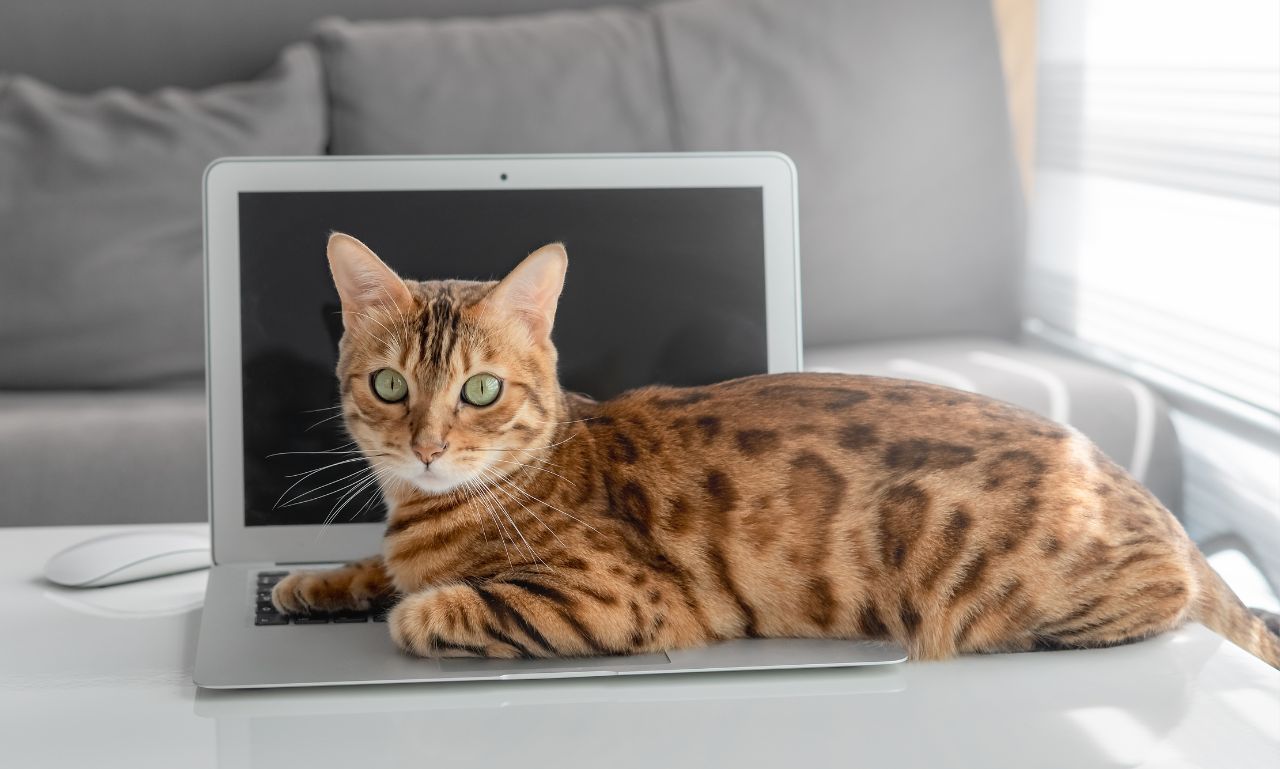
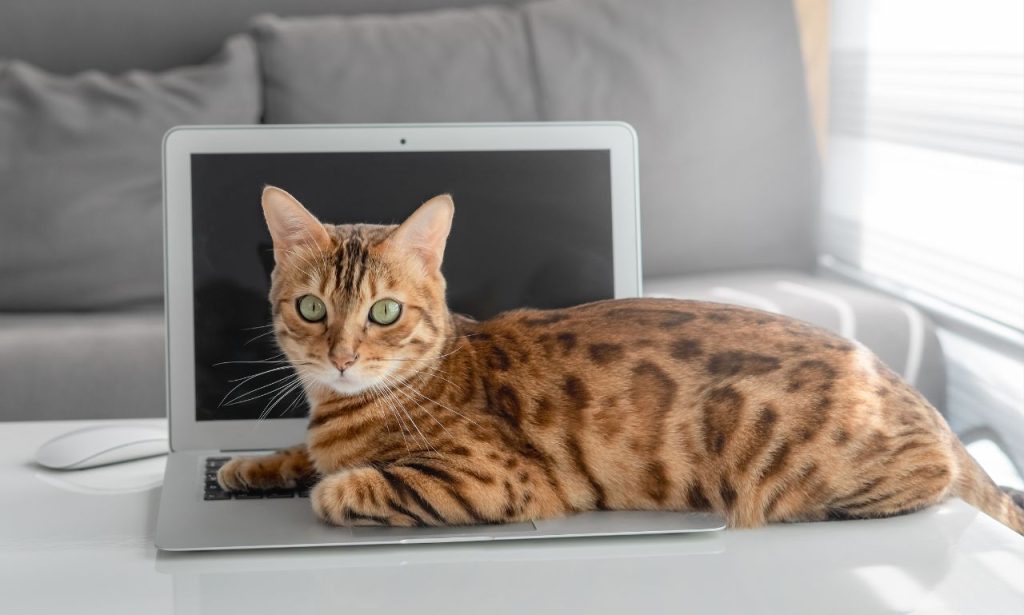
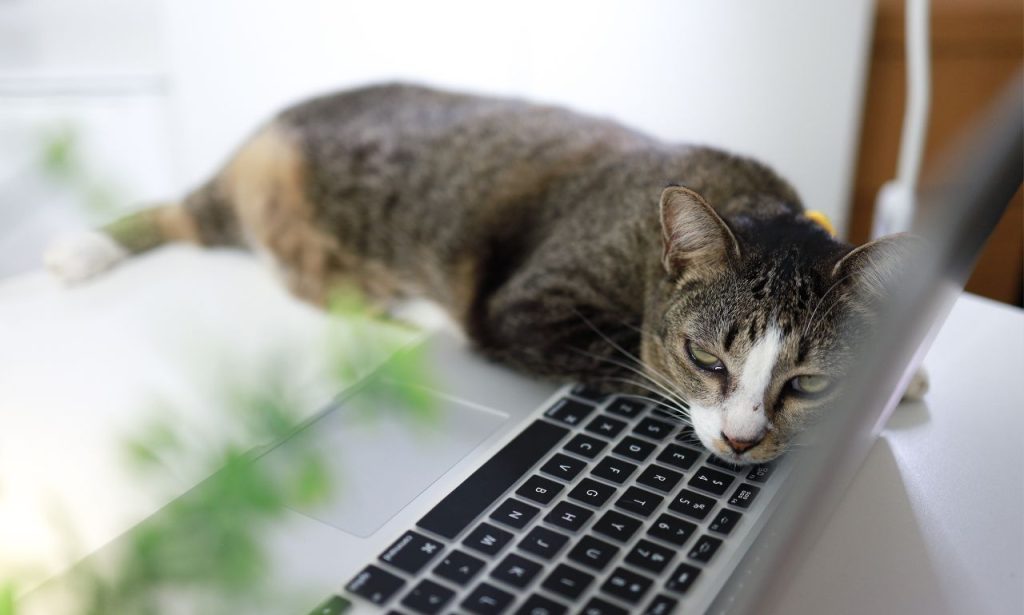
    If you have ever tried answering emails while a cat planted itself directly on your keyboard, you are not alone. Cat owners around the world share photos and videos of their furry companions blocking screens, typing random characters, and turning work sessions into cuddle sessions.

    At first glance, the behavior seems mischievous. Yet there is usually more going on than simple interruption. Cats are intelligent animals with instincts shaped by thousands of years of evolution. When they choose a laptop over a cozy bed across the room, they are responding to specific physical and emotional needs.

    Understanding why this happens can help strengthen your bond with your pet while making your workday a little easier. Let’s explore the real reasons behind this common feline behavior.

    The Warmth and Comfort That Electronic Devices Provide

    Why Do Cats Sit on Laptops and Keyboards?

    Cats love warmth. Their natural body temperature ranges from 100.5°F to 102.5°F, slightly higher than that of humans. Because of this, they actively seek out warm places to rest.

    A laptop that has been running for hours creates gentle heat that feels comforting to a cat. Many owners notice their pets gravitating toward laptops shortly after the laptops warm up. In a sense, the device functions like a miniature heated bed.

    Veterinarians often point out that cats instinctively conserve energy. Choosing a warm location allows them to stay comfortable without expending extra effort to regulate body temperature.

    Think about where cats commonly nap. Sunny windowsills, blankets fresh from the dryer, radiators, and warm electronics often top the list. A laptop checks all the right boxes.

    Why Cats Prefer Elevated and Frequently Used Spaces

    Cats naturally prefer places that offer visibility and security. Elevated surfaces help them monitor their surroundings while feeling protected.

    Desks and workstations often provide the perfect vantage point. From there, a cat can observe movement throughout the room while staying close to its favorite human.

    There is another factor at play. Cats are attracted to objects and locations that carry strong scents. Your desk, keyboard, and laptop carry your scent because you interact with them daily.

    As a result, these areas become familiar and comforting. To your cat, sitting on your keyboard may feel like relaxing in a place associated with safety and companionship.

    Do Cats Sit on Laptops to Get Attention?

    Many cat owners suspect their pets intentionally interrupt work sessions. In many cases, they are right.

    How Cats Compete with Screens for Their Owner’s Focus

    Picture this scenario. You have been staring at a screen for an hour while barely acknowledging your cat. Suddenly, your furry friend walks across the keyboard and parks itself in front of the monitor.

    Coincidence? Probably not.

    Cats quickly learn which actions generate a response. When sitting on a laptop consistently results in eye contact, conversation, petting, or laughter, the behavior becomes reinforced.

    Animal behavior specialists frequently compare this to how children seek attention. Even a mild reaction can encourage repetition if it fulfills a social need.

    A survey conducted by the American Pet Products Association found that pet owners increasingly work from home, creating more opportunities for pets to interact with their daily routines. Many cats have adapted by inserting themselves directly into those routines.

    Understanding Attention-Seeking Behaviors in Domestic Cats

    Attention-seeking behavior can take many forms. Some cats meow repeatedly. Others bring toys, rub against legs, or jump onto desks.

    Keyboard sitting is often part of this broader pattern.

    Domestic cats form strong attachments to their owners. Research from Oregon State University found that many cats display attachment styles similar to those observed in children and dogs.

    When a cat sits on your laptop, it may simply be asking for interaction. Sometimes a few minutes of play or affection satisfies that need and reduces interruptions later.

    Have you noticed your cat choosing your keyboard even when a nearby chair is available? That small detail often points toward social motivation rather than physical comfort alone.

    Is Sitting on Keyboards a Sign of Territorial Behavior?

    Why Do Cats Sit on Laptops and Keyboards?

    Cats are territorial creatures. While domestic cats may not patrol large outdoor areas, they still establish ownership over spaces and objects within the home.

    How Cats Mark Objects That Smell Like Their Owners

    Cats communicate through scent more than many people realize.

    Facial glands located around the cheeks and forehead release pheromones when cats rub against people or objects. These chemical signals help create a sense of familiarity and security.

    Your laptop likely carries a strong concentration of your scent. When your cat sits, rubs, or rests on it, the behavior may contribute to scent marking.

    This process is not aggressive. Instead, it is often a sign that your cat considers the object part of its trusted environment.

    Many owners notice similar behavior with clothing, pillows, backpacks, and recently used blankets. The common denominator is usually the owner’s scent.

    Why Cats View Workspaces as Part of Their Territory

    Cats tend to claim areas where they spend significant time.

    If your cat regularly joins you in a home office, the workspace gradually becomes part of its territory. Sitting on the keyboard may reflect a desire to participate in and monitor that shared space.

    From the cat’s perspective, your desk is not solely a workstation. It is part of the household environment where daily life unfolds.

    This explains why many cats seem particularly interested in workstations despite having access to other comfortable locations throughout the house.

    What Other Reasons Explain This Curious Cat Habit?

    Not every keyboard invasion stems from warmth, attention, or territory. Sometimes curiosity plays a major role.

    Natural Curiosity and Attraction to Moving Objects on Screens

    Cats are natural hunters. Their instincts drive them to notice movement, patterns, and changes in their environment.

    Computer screens often display moving cursors, scrolling text, videos, and flashing notifications. These visual elements can capture a cat’s attention just as effectively as a moving toy.

    Some cats become fascinated by cursor movements. Others stare at videos featuring birds, fish, or insects.

    The laptop itself becomes associated with interesting visual stimulation. Over time, curiosity may draw the cat closer until it eventually settles directly on the keyboard.

    Anyone who has watched a cat swat at a cursor understands how irresistible these moving targets can be.

    Why Cats Mimic Their Owners’ Daily Activities and Routines

    Cats are surprisingly observant.

    They pay close attention to routines and often adjust their own behavior accordingly. If you spend several hours each day focused on a laptop, your cat may develop interest simply because the object appears important.

    Behavior experts sometimes describe this as social referencing. Animals often investigate things that capture the attention of trusted companions.

    A laptop receives a tremendous amount of your focus. Naturally, your cat may conclude it deserves attention as well.

    This tendency explains why cats frequently choose books, newspapers, puzzles, and laptops over nearby empty spaces. The object becomes interesting because it matters to you.

    How Can You Prevent Cats from Sitting on Laptops and Keyboards?

    Why Do Cats Sit on Laptops and Keyboards?

    While the behavior is often adorable, it can become frustrating during important meetings or deadlines. Fortunately, there are practical ways to manage it.

    Creating Alternative Warm and Comfortable Resting Spots

    One of the most effective solutions is to provide an attractive alternative.

    Place a heated cat bed, soft blanket, or window perch near your workspace. Many cats happily choose a comfortable spot nearby when it offers similar benefits.

    Location matters. A bed placed across the room may not satisfy a cat that wants to be close to its owner. Positioning the alternative resting spot next to your desk often produces better results.

    Some owners even place a small cat bed directly beside their keyboard area. This allows the cat to remain involved without interfering with work.

    Training and Positive Reinforcement Techniques That Work

    Cats respond best to positive reinforcement rather than punishment.

    Whenever your cat chooses an approved resting area, reward the behavior with praise, affection, or treats. Over time, the preferred location becomes more appealing.

    Consistency is important. Gently redirect your cat whenever it climbs onto the keyboard, rather than reacting with frustration.

    Interactive play sessions can also reduce attention-seeking interruptions. A cat that receives regular mental and physical stimulation is often less likely to seek entertainment by blocking your screen.

    Patience goes a long way. Behavioral changes rarely happen overnight, but steady reinforcement can create lasting habits.

    Conclusion

    Why Do Cats Sit on Laptops and Keyboards? The answer usually involves a combination of warmth, comfort, curiosity, territory, and a desire for connection.

    What seems like a deliberate attempt to interrupt your work is often your cat’s way of staying close, seeking security, or sharing your space. Understanding the motivation behind the behavior can transform frustration into appreciation.

    The next time your cat settles on your keyboard, take a moment to consider what it might be trying to communicate. A little empathy, along with a comfortable alternative resting spot, can help you both coexist peacefully.

    After all, in your cat’s eyes, that laptop may not be a work tool. It may simply be the best seat in the house.

    Also Read: Can Cats Recognize Their Names?

    FAQs

    Do cats like laptops because they are warm?

    Yes. The heat generated by laptops creates a comfortable resting place that many cats find appealing.

    Are cats jealous of laptops?

    Cats are not usually jealous, but they may seek attention when they notice a device receiving your focus.

    How do I stop my cat from sitting on my laptop?

    Provide a warm resting spot nearby and reward your cat for using it instead of the keyboard.

    Is sitting on keyboards normal cat behavior?

    Yes. It is a common behavior linked to comfort, curiosity, territorial instincts, and social bonding.

  • Why Do Cats Suddenly Zoom Around the House at Night?

    Why Do Cats Suddenly Zoom Around the House at Night?

    If you have ever been jolted awake by the sound of paws thundering across the hallway at 2 a.m., you are not alone. Cat owners around the world share the same experience. One moment, their cat is peacefully lounging on the couch. The next, it is sprinting from room to room as if competing in an invisible race.

    This behavior, often called “the zoomies,” can seem strange, funny, and occasionally frustrating. Many pet parents wonder whether these sudden bursts of energy are normal or a sign that something is wrong.

    The good news is that nighttime zoomies are usually a natural part of feline behavior. Understanding why they happen can help you better meet your cat’s needs and enjoy a more peaceful night’s sleep.

    What Are Cat Zoomies and Why Do They Happen?

    Why Do Cats Suddenly Zoom Around the House at Night?

    Cat zoomies are sudden bursts of frantic energy that cause a cat to run, jump, twist, and dart around the house. Veterinarians often refer to these episodes as Frenetic Random Activity Periods (FRAPs).

    During a zoomie session, your cat may race down hallways, leap onto furniture, and make sharp turns at impressive speeds. It can look chaotic, but in most cases, it is perfectly normal.

    Think about it this way. Indoor cats spend much of their day sleeping. According to the American Animal Hospital Association, healthy adult cats can sleep between 12 and 16 hours daily. After so much rest, energy naturally builds up. Eventually, that energy needs an outlet.

    Many cat owners have shared stories online about their pets turning their living rooms into racetracks after hours of lounging. While it may seem random, there is usually a reason behind the sudden activity.

    Why Are Zoomies More Common at Night Than During the Day?

    Nighttime is when many cats become more active. A quiet house, fewer distractions, and natural biological rhythms often combine to create the perfect conditions for zoomies.

    Unlike humans, cats do not follow a strict daytime schedule. Their ancestors survived by hunting during low-light hours. As evening arrives, a cat’s body often shifts into activity mode.

    Another factor is owner availability. Many people work during the day and spend more time interacting with their pets in the evening. Extra attention, playtime, or excitement before bed can contribute to a burst of energy later in the night.

    The Natural Instincts Behind Nighttime Cat Activity

    How a Cat’s Hunting Instinct Triggers Late-Night Zoomies

    Even the most pampered indoor cat retains the instincts of a hunter. Thousands of years of evolution have wired cats to stalk, chase, and pounce.

    In the wild, small prey animals are most active during dawn and dusk. As a result, cats developed hunting patterns that match those periods. When your cat races through the house at night, it may be acting out a deeply ingrained hunting sequence.

    Watch closely during a zoomie episode. You may notice stalking behavior, sudden pounces, and rapid directional changes. These movements closely resemble hunting techniques used in nature.

    Jackson Galaxy, a well-known cat behavior expert, often explains that indoor cats still need opportunities to express their natural predatory instincts. Without those outlets, pent-up hunting energy can emerge as nighttime zoomies.

    Are Cats Nocturnal or Crepuscular Animals?

    Many people assume cats are nocturnal, but that is not entirely accurate.

    Cats are actually crepuscular animals. This means they are most active during dawn and dusk rather than throughout the entire night.

    This distinction helps explain why many cats become energetic in the early morning or late evening. Their internal clocks are programmed to be alert during these transitional hours.

    Understanding this natural rhythm can make your cat’s behavior seem much less mysterious. Instead of viewing nighttime zoomies as odd behavior, it helps to see them as a reflection of your pet’s biological programming.

    Common Reasons Cats Suddenly Run Around the House at Night

    Excess Energy, Boredom, and Lack of Daytime Stimulation

    One of the most common answers to the question, “Why Do Cats Suddenly Zoom Around the House at Night?” is simple: they have energy to burn.

    Indoor cats often live comfortable lives, but comfort can sometimes lead to boredom. Without enough physical activity and mental stimulation during the day, energy accumulates.

    Imagine sitting indoors for hours without exercise. Eventually, you would feel restless too.

    Cats need opportunities to climb, chase, explore, and play. Interactive toys, puzzle feeders, and climbing trees can make a huge difference. A vigorous play session before bedtime can also help reduce nighttime activity.

    Many veterinarians recommend mimicking the hunting cycle through play. Let your cat stalk a toy, chase it, catch it, and then enjoy a small treat afterward. This sequence can leave them feeling satisfied and ready to rest.

    Stress, Excitement, and Environmental Triggers That Cause Zoomies

    Not all zoomies are linked to boredom. Emotional factors can play a role as well.

    Excitement from visitors, a new toy, or even the sound of birds outside a window can trigger sudden bursts of activity. Some cats become energized after receiving attention from their owners.

    Stress may also contribute. Changes in the household, moving to a new home, or introducing another pet can create nervous energy.

    Cats often release emotional tension through physical movement. A quick sprint around the house may be their way of processing excitement or stress.

    Think of it as a feline version of pacing after a big event. The behavior may look dramatic, but it often serves a purpose.

    Other Situations That Can Trigger Cat Zoomies

    Why Do Cats Get Zoomies After Using the Litter Box?

    Many cat owners notice a peculiar pattern. Their cat uses the litter box and immediately tears through the house at full speed.

    This phenomenon is surprisingly common.

    Experts have proposed several theories. One explanation involves relief. After eliminating waste, a cat may experience a burst of comfort and energy.

    Another theory points to instinct. In the wild, leaving waste behind could attract predators. Quickly moving away from the area may have helped ancestors avoid danger.

    Some veterinarians also suggest that stimulation of certain nerves during bowel movements may create a temporary feeling of excitement.

    While the exact cause remains debated, post-litter box zoomies are generally considered normal unless accompanied by signs of discomfort or digestive issues.

    Why Do Kittens and Young Cats Experience More Zoomies Than Older Cats?

    Age plays a major role in zoomie frequency.

    Kittens are essentially tiny bundles of endless energy. Their developing bodies and curious minds drive them to explore every corner of their environment.

    Young cats often experience multiple zoomie sessions each day because they are still learning about the world around them. Everything becomes an adventure.

    Older cats typically slow down over time. Their energy levels decrease, and they become less likely to sprint across the house without warning.

    That said, many senior cats still enjoy occasional bursts of activity. A playful streak can last well into old age.

    When Nighttime Zoomies Are Normal and When to Be Concerned

    Signs Your Cat’s Nighttime Running Is Completely Normal

    Why Do Cats Suddenly Zoom Around the House at Night?

    In most situations, nighttime zoomies are simply part of healthy feline behavior.

    A normal zoomie episode usually lasts only a few minutes. Afterward, the cat returns to resting, grooming, or relaxing. Their appetite remains normal, and there are no signs of distress.

    Playful body language is another positive sign. Ears remain forward, movements appear coordinated, and the cat seems energetic rather than frightened.

    If your cat enjoys regular play, eats well, and behaves normally between zoomie sessions, there is usually little reason for concern.

    Have you noticed your cat sprinting around before suddenly collapsing on a favorite chair? That pattern is often a classic sign of healthy zoomies.

    When Excessive Zoomies May Indicate a Health or Behavioral Problem

    Although zoomies are typically harmless, there are situations where they deserve attention.

    Sudden changes in behavior should never be ignored. If an older cat unexpectedly begins having intense zoomies, a veterinary evaluation may be worthwhile.

    Medical conditions such as hyperthyroidism, pain, skin irritation, or neurological issues can sometimes contribute to unusual activity levels.

    Watch for warning signs such as excessive vocalization, aggression, confusion, loss of appetite, or visible discomfort. Those symptoms suggest something beyond ordinary zoomies may be occurring.

    Behavioral concerns can also develop if a cat lacks enrichment. Chronic boredom may lead to destructive habits, anxiety, and excessive nighttime activity.

    When in doubt, consulting a veterinarian is always the safest approach.

    Conclusion

    Why Do Cats Suddenly Zoom Around the House at Night? In most cases, the answer lies in a combination of instincts, accumulated energy, and biological rhythms.

    Cats are wired to be active during low-light hours. Their hunting instincts, combined with boredom, excitement, or simple youthful enthusiasm, often lead to those unforgettable nighttime sprints.

    Most zoomies are completely normal and even healthy. Providing daily play, mental stimulation, and opportunities for exercise can help manage excessive activity while supporting your cat’s overall well-being.

    The next time your cat races through the hallway like a furry race car, remember that you are witnessing behavior shaped by thousands of years of evolution. It may be noisy, but it is also a fascinating glimpse into your pet’s instincts.

    Also Read: How Do Indoor Cats Get Enough Exercise Naturally?

    FAQs

    1. How can I stop my cat from zooming around at night?

    Increase daytime play, provide interactive toys, and schedule an active play session before bedtime.

    2. Are nighttime zoomies normal for indoor cats?

    Yes. Indoor cats commonly experience zoomies because they have fewer opportunities to release energy naturally.

    3. Why does my cat get zoomies after using the litter box?

    Many cats experience a burst of excitement or relief after using the litter box, leading to sudden bursts of running.

    4. When should I worry about my cat’s zoomies?

    Seek veterinary advice if zoomies are accompanied by pain, aggression, confusion, changes in appetite, or other unusual symptoms.

  • How Do Indoor Cats Get Enough Exercise Naturally?

    How Do Indoor Cats Get Enough Exercise Naturally?

    Many cat owners assume that living indoors automatically means less exercise. After all, outdoor cats spend their days climbing fences, chasing insects, and exploring neighborhoods. Indoor cats, on the other hand, seem content lounging on a sunny windowsill for hours.

    Yet domestic cats are natural athletes. Even the laziest house cat still carries the instincts of a skilled hunter. The challenge is making sure those instincts have an outlet inside the home.

    So, how do indoor cats get enough exercise naturally? The answer lies in understanding feline behavior. Activities such as climbing, scratching, stalking toys, exploring new spaces, and playing with household objects can all contribute to a healthy level of activity. When owners encourage these natural behaviors, indoor cats can remain fit, mentally stimulated, and happy throughout their lives.

    Why Exercise Is Essential for Indoor Cats?

    How Do Indoor Cats Get Enough Exercise Naturally?

    Indoor living protects cats from many dangers, including traffic, predators, and disease. However, it also limits opportunities for movement. Without regular activity, both physical and mental health can suffer.

    Exercise helps maintain muscle strength, supports healthy joints, and prevents excessive weight gain. Beyond the physical benefits, movement gives cats a way to satisfy instincts that have existed for thousands of years.

    A well-exercised cat is often calmer, more confident, and less likely to develop destructive habits around the home.

    How Much Exercise Does an Indoor Cat Need Each Day?

    Veterinarians generally recommend at least 20 to 30 minutes of active play daily for healthy adult cats. Kittens often need much more because of their high energy levels. Senior cats may prefer shorter sessions spread throughout the day.

    The good news is that cats rarely need a long workout. Most felines naturally exercise in short bursts. A few ten-minute play sessions can be more effective than one extended session.

    Think about how cats behave in nature. They don’t jog for miles. Instead, they stalk, chase, pounce, climb, and rest before repeating the cycle. Indoor exercise works best when it mirrors this pattern.

    Have you ever watched your cat sprint through the house at full speed for no apparent reason? Many owners call these sudden bursts of energy the “zoomies.” While amusing, they also indicate that your cat is finding ways to burn energy naturally.

    What Health Problems Can Develop When Indoor Cats Don’t Get Enough Activity?

    Lack of exercise can lead to obesity, one of the most common health concerns among indoor cats. According to the Association for Pet Obesity Prevention, excess weight affects a significant portion of companion animals and increases the risk of chronic health conditions.

    Extra pounds can place stress on joints, contribute to diabetes, and reduce overall mobility. Some cats also become less active as they gain weight, creating a difficult cycle to break.

    Mental health can suffer as well. Bored cats may overgroom, excessively scratch furniture, vocalize more than usual, or display aggressive behavior. In many cases, these actions are not signs of a bad temperament. They are signs of unmet needs.

    Natural Ways Indoor Cats Stay Active at Home

    Cats don’t need a gym membership to stay fit. Many everyday behaviors provide meaningful exercise when given the opportunity.

    Understanding these behaviors helps owners create an environment where movement happens naturally.

    How Hunting Instincts Encourage Daily Movement Indoors

    Despite thousands of years of domestication, cats remain instinctive hunters. Even a well-fed cat often stalks shadows, insects, toy mice, or moving objects.

    This instinct drives a surprising amount of daily activity. A cat tracking a feather wand is engaging muscles, coordination, and focus in much the same way it would while hunting prey outdoors.

    Researchers studying feline behavior have found that predatory play satisfies important psychological needs. Chasing, pouncing, and capturing toys can reduce stress while increasing physical activity.

    A simple game with a wand toy often provides more exercise than owners realize. Those quick bursts of speed, sudden jumps, and dramatic turns create a full-body workout.

    How Climbing, Scratching, Stretching, and Exploring Provide Exercise

    Exercise isn’t always about running. Cats naturally move their bodies through climbing, stretching, and exploring.

    Scratching posts help strengthen muscles in the shoulders and back while maintaining claw health. Stretching after a nap improves flexibility and circulation.

    Climbing is especially valuable. In the wild, elevated positions provide safety and observation points. Indoors, bookshelves, cat trees, and window perches satisfy this same instinct.

    Exploration also plays a role. Cats enjoy investigating new boxes, rearranged furniture, and unfamiliar scents. Curiosity often motivates movement that owners may not even notice.

    How to Create an Indoor Environment That Encourages Natural Exercise

    How Do Indoor Cats Get Enough Exercise Naturally?

    The home environment has a huge impact on activity levels. Small changes can transform a sedentary cat into a much more active one.

    Creating opportunities for movement is often easier than many people expect.

    Why Cat Trees, Shelves, and Vertical Spaces Keep Cats Moving

    One of the biggest mistakes cat owners make is focusing only on floor space. Cats naturally think vertically.

    Adding height encourages climbing, jumping, and exploration. Cat trees, wall-mounted shelves, and sturdy window perches create opportunities for movement throughout the day.

    Jackson Galaxy, a well-known cat behavior expert, frequently emphasizes the importance of vertical territory. Cats feel safer when they have elevated spaces available, and they naturally use these areas to stay active.

    Imagine your home from a cat’s perspective. A living room isn’t just a room. It’s a climbing course filled with opportunities to jump, balance, and observe.

    The more vertical options you provide, the more natural movement your cat will engage in.

    How Interactive Toys, Puzzle Feeders, and Food Hunts Stimulate Activity

    Food can be a powerful motivator for exercise.

    Puzzle feeders require cats to work for their meals by batting, rolling, or manipulating objects. This mimics the effort required to find prey.

    Food hunts create another layer of enrichment. Instead of placing all food in one bowl, owners can hide small portions around the home. Cats then spend time searching and exploring.

    Interactive toys also help maintain interest. Rotating toys every few days prevents boredom and makes old toys feel new again.

    Many experienced cat owners notice something surprising. Expensive gadgets often lose their appeal quickly, while a cardboard box or crumpled paper ball remains endlessly fascinating.

    Signs Your Indoor Cat May Not Be Getting Enough Exercise

    Cats are masters at hiding discomfort. Because of this, inactivity can go unnoticed until obvious problems appear.

    Recognizing early warning signs allows owners to make changes before health issues develop.

    Behavioral Changes Linked to Boredom and Lack of Stimulation

    Boredom frequently shows up through behavior.

    Some cats become destructive, scratching furniture or knocking objects off counters. Others vocalize excessively, especially during the night.

    Overgrooming is another common sign. A cat may lick certain areas repeatedly, creating bald patches or irritated skin.

    In multi-cat households, boredom sometimes leads to tension between pets. Increased chasing, swatting, or territorial disputes can occur when cats lack healthy outlets for energy.

    If your cat suddenly develops unusual habits, consider whether physical and mental stimulation might be part of the issue.

    Weight Gain, Low Energy, and Other Physical Warning Signs

    Physical symptoms often develop gradually.

    Weight gain is one of the clearest indicators. Reduced stamina can follow, making a cat less interested in climbing or playing.

    You might notice your cat sleeping more than usual or avoiding activities they once enjoyed. Difficulty jumping onto furniture can also signal declining fitness.

    A veterinarian can help determine whether these changes stem from inactivity, aging, or an underlying medical condition.

    Regular monitoring helps catch problems early and keeps your cat on a healthier path.

    Best Daily Habits for Keeping Indoor Cats Active and Healthy

    How Do Indoor Cats Get Enough Exercise Naturally?

    Consistency matters more than perfection. Small daily habits often have a bigger impact than occasional intense play sessions.

    The goal is to make activity a natural part of everyday life.

    How Play Sessions Mimic Natural Hunting Behavior

    Interactive play remains one of the most effective ways to exercise indoor cats.

    Feather wands, toy mice, and moving objects trigger stalking and chasing behaviors. A successful play session should resemble a hunt.

    Allow your cat to stalk, chase, pounce, and eventually “catch” the toy. Ending with a reward or meal can make the experience even more satisfying.

    Many cat owners find that evening play sessions reduce nighttime zoomies and improve sleep for everyone in the household.

    The next time your cat launches into a dramatic leap after a feather toy, remember that you’re watching thousands of years of hunting instincts in action.

    Safe Ways to Add Extra Enrichment Through Catios, Harness Walks, and Rotating Activities

    Some cats benefit from experiences beyond traditional indoor play.

    Catios provide secure outdoor access while protecting cats from common outdoor dangers. These enclosed spaces offer fresh air, new scents, and additional opportunities for movement.

    Harness training can also work for certain cats. While not every feline enjoys walks, some adapt surprisingly well with patience and positive reinforcement.

    Rotating activities helps maintain interest over time. Changing toys, rearranging climbing spaces, or introducing new puzzles prevents routines from becoming stale.

    A little variety goes a long way. Much like people, cats appreciate occasional changes that challenge both body and mind.

    Conclusion

    How Do Indoor Cats Get Enough Exercise Naturally? The answer starts with understanding feline instincts. Cats are designed to hunt, climb, scratch, explore, and observe their surroundings. When indoor environments support these natural behaviors, exercise becomes part of everyday life.

    Simple additions such as cat trees, puzzle feeders, interactive toys, and vertical spaces can dramatically improve activity levels. Combined with regular play sessions and mental stimulation, these tools help indoor cats stay healthy and engaged.

    Take a moment to look around your home from your cat’s perspective. Is there room to climb, explore, and play? Small changes today can lead to a happier, healthier companion for years to come.

    Also Read: Why Do Cats Suddenly Zoom Around the House at Night?

    FAQs

    1. How often should I play with my indoor cat?

    Most cats benefit from two or three play sessions daily, totaling about 20 to 30 minutes.

    2. Can indoor cats stay healthy without going outside?

    Yes. Indoor cats can live healthy lives when they receive enough exercise, enrichment, and veterinary care.

    3. Are cat trees enough exercise for indoor cats?

    Cat trees help, but they work best when combined with interactive play and opportunities for exploration.

    4. Why does my indoor cat suddenly run around the house?

    These bursts of energy, often called zoomies, help cats release pent-up energy and stay active.

    5. What is the best toy for indoor cat exercise?

    Wand toys are among the most effective because they mimic natural hunting behavior.

  • Why Does My Dog Bring Me Random Objects?

    Why Does My Dog Bring Me Random Objects?

    You are relaxing on the couch when your dog trots over carrying a sock, a toy, or even a TV remote. A few minutes later, they return with something else. Sound familiar?

    Many dog owners experience this behavior and wonder what is going on inside their pet’s mind. While it may seem random, dogs rarely do things without a reason. Bringing objects can be a form of communication, a sign of affection, or an instinctive behavior rooted in their ancestry.

    Understanding why your dog does this can strengthen your bond and help you respond appropriately. In some cases, it is completely normal and even heartwarming. In others, it may point to boredom, anxiety, or a need for more mental stimulation.

    So, Why Does My Dog Bring Me Random Objects? The answer depends on your dog’s personality, experiences, breed traits, and emotional state.

    Is Your Dog Trying to Get Your Attention?

    Why Does My Dog Bring Me Random Objects?

    One of the most common reasons dogs bring random objects is simple: they want your attention.

    Think about what usually happens when your dog drops a toy or sock at your feet. Chances are, you look at them, speak to them, or otherwise interact with them. From your dog’s perspective, the behavior worked.

    Veterinary behaviorists often explain that dogs repeat actions that receive a response. Even if you laugh while taking away a stolen shoe, your dog may view the interaction as a reward.

    Many owners notice this behavior increases when they are busy. Dogs may bring objects while you are working, watching television, or talking on the phone. It becomes their way of saying, “Hey, don’t forget about me.”

    If the object delivery comes with tail wagging, playful body language, or excitement, attention-seeking is likely the motivation.

    Bringing Objects as a Sign of Affection, Trust, and Bonding

    Sometimes, the behavior has nothing to do with play. Instead, it reflects the bond your dog shares with you.

    Dogs often value certain possessions, especially favorite toys. When they bring those treasured items to their owners, they may be demonstrating trust. In canine social groups, sharing resources can be a positive social gesture.

    Animal behavior researchers have observed similar sharing behaviors among highly social species. While dogs are not consciously giving gifts the way humans do, the action can still signal comfort and affection.

    Many pet owners report their dogs bringing toys when they return home after work. The object may serve as an emotional outlet for excitement. Rather than jumping excessively, the dog carries something while greeting a loved one.

    It is a bit like a child showing off a favorite drawing. Your dog is saying, “Look what I have,” while also expressing happiness about your presence.

    What Different Objects Your Dog Brings Can Reveal

    Not all objects carry the same meaning. The type of item your dog chooses can provide clues about what they are feeling.

    Why Dogs Bring Toys, Socks, Shoes, and Household Items

    Toys are usually the easiest items to interpret. They often signal a desire for play or interaction. A tennis ball dropped at your feet leaves little room for confusion.

    Socks and shoes tell a different story. These items carry your scent, which makes them particularly attractive to dogs. Your smell provides comfort and familiarity, especially when you are away.

    Many trainers have noticed dogs carrying household objects during periods of excitement. A dog greeting visitors may grab the nearest item simply because they need an outlet for all that energy.

    One well-known example comes from Labrador Retriever owners. Labs frequently carry objects around the house without any intention of destroying them. Their retrieving instincts encourage carrying behavior, even when the item is completely unrelated to play.

    Household items can also become targets when dogs are bored and looking for stimulation.

    Does the Type of Object Reflect Your Dog’s Emotions or Needs?

    In many cases, yes.

    A dog carrying a comfort object may be self-soothing during stressful situations. Some dogs consistently choose the same stuffed animal when thunderstorms or fireworks occur.

    Objects associated with their owners can provide reassurance. This explains why some dogs carry clothing items when left alone.

    Pay attention to patterns. Does your dog bring toys when they want exercise? Do they collect socks when you leave the house? Observing the circumstances surrounding the behavior can reveal valuable insights.

    Context matters more than the object itself. The same shoe could represent affection, boredom, excitement, or anxiety depending on the situation.

    The Science and Instincts Behind Object-Carrying Behavior

    Modern dogs may live in comfortable homes, but many of their behaviors are still influenced by instincts passed down through generations.

    Natural Retrieving, Hunting, and Pack Instincts in Dogs

    Carrying objects has deep evolutionary roots.

    Wild canines often transport food, prey, or resources back to their group. Although today’s dogs rarely hunt for survival, those instinctive tendencies remain.

    Retrieving breeds offer a perfect example. Their ancestors were selectively bred to bring game birds back to hunters without damaging them. As a result, many retrievers naturally enjoy carrying things.

    Researchers studying canine behavior frequently note that object carrying satisfies an instinctive need. The act itself can be rewarding, even when no obvious purpose exists.

    This explains why some dogs proudly parade around the house with random possessions. From their perspective, carrying an object feels natural.

    How Breed Traits Influence Carrying and Fetching Behaviors

    Breed can play a significant role in this behavior.

    Labrador Retrievers, Golden Retrievers, Flat-Coated Retrievers, and other sporting breeds often show strong object-carrying tendencies. Owners frequently describe these dogs as happiest when something is in their mouths.

    Spaniels and hunting breeds may display similar habits because they were developed to retrieve game.

    Meanwhile, herding breeds sometimes carry objects as part of their natural drive to control movement and activity. Even mixed-breed dogs can inherit strong retrieving instincts from their lineage.

    A veterinarian may ask about breed background when evaluating behavior because genetics often provide important clues.

    If your dog belongs to a breed known for retrieving, carrying random objects may be part of their nature.

    Should You Encourage or Discourage This Behavior?

    Why Does My Dog Bring Me Random Objects?

    The answer depends on what your dog is carrying and why they are doing it.

    When Bringing Objects Is a Healthy and Positive Habit

    In many households, object bringing is harmless and even beneficial.

    The behavior often reflects engagement, curiosity, and a desire for social interaction. Dogs that bring toys to initiate play are demonstrating healthy communication skills.

    Positive interactions around appropriate objects can strengthen your relationship. When your dog offers a toy, responding with a short game can provide valuable mental and physical stimulation.

    Many professional trainers encourage owners to reward appropriate carrying behavior. It creates opportunities for bonding while reinforcing desirable habits.

    If your dog proudly delivers a toy every evening, there is usually no reason to discourage it.

    Training Tips for Managing Excessive or Inappropriate Item Collecting

    Problems arise when dogs target valuable or dangerous objects.

    Remote controls, medications, eyeglasses, and electrical cords should never become part of a carrying routine. Prevention remains the best solution.

    Keep tempting items out of reach and provide suitable alternatives. Interactive toys, chew toys, and retrieval games can satisfy the urge to carry objects while keeping them safe.

    Consistency matters. If you laugh one day and scold the next, your dog may become confused.

    Redirecting works better than punishment. When your dog grabs an inappropriate item, calmly exchange it for an approved toy. Over time, they learn which objects earn positive attention.

    Ask yourself a simple question: Does my dog have enough exercise and mental enrichment? Increasing daily activity often reduces unwanted collecting behaviors.

    When Bringing Random Objects May Signal a Problem

    Why Does My Dog Bring Me Random Objects?

    Although the behavior is usually harmless, certain situations deserve closer attention.

    Anxiety, Stress, and Attention-Seeking Behaviors to Watch For

    Dogs experiencing anxiety sometimes use object carrying as a coping mechanism.

    Separation anxiety can lead dogs to seek out items that smell like their owners. These objects provide comfort when the owner is absent.

    Stress-related carrying may also appear alongside pacing, whining, excessive barking, or destructive behavior.

    Attention-seeking can become problematic when it becomes relentless. A dog that constantly brings objects and struggles to settle may be expressing unmet emotional or physical needs.

    Major household changes can also contribute. Moving homes, introducing a new pet, or changes in routine may temporarily increase the behavior.

    Observing your dog’s overall emotional state helps determine whether the behavior is normal or stress-related.

    Signs It’s Time to Consult a Veterinarian or Dog Behaviorist

    Professional guidance may be necessary if the behavior suddenly changes or becomes extreme.

    Watch for signs such as obsessive collecting, swallowing non-food objects, guarding collected items aggressively, or displaying significant anxiety.

    Pica, a condition involving the consumption of non-food materials, requires veterinary attention because it can lead to serious health complications.

    Behaviorists can help identify underlying emotional triggers and develop a customized training plan.

    Trust your instincts as an owner. You know your dog’s normal habits better than anyone. If something feels unusual, seeking expert advice is always a smart decision.

    Conclusion

    If you’ve ever asked yourself, “Why Does My Dog Bring Me Random Objects?”, the answer is often more meaningful than it appears. Dogs use objects to communicate, seek attention, express affection, satisfy instincts, and sometimes cope with stress.

    Most of the time, the behavior is perfectly normal and even endearing. A sock delivery or toy presentation may be your dog’s unique way of connecting with you.

    Take a moment to observe what your dog brings, when they bring it, and how they behave afterward. Those small details can reveal a lot about their emotions and needs.

    Next time your furry friend proudly drops a random item at your feet, consider it an invitation to understand the world through their eyes better.

    FAQs

    1. Why does my dog bring me random objects but not let me take them?

    Many dogs enjoy initiating interaction but still want possession of the item. It often becomes a playful game.

    2. Is my dog giving me gifts?

    Not exactly, but the behavior can reflect affection, trust, and a desire to interact with you.

    3. Why does my dog bring me socks specifically?

    Socks carry your scent, making them comforting and highly attractive to many dogs.

    4. Should I stop my dog from bringing objects?

    Only if the objects are dangerous or valuable, bringing toys is generally a healthy behavior.

    5. Can anxiety cause dogs to carry objects?

    Yes. Some dogs use familiar objects as a coping mechanism during stressful situations or when left alone.

  • Why Does My Dog Circle Before Lying Down?

    Why Does My Dog Circle Before Lying Down?

    Have you ever watched your dog walk in circles before settling down for a nap and wondered what was going on inside that furry head? It’s one of those behaviors that seems a little odd at first. Yet it’s so common that dog owners across the world notice it every day.

    If you’ve been asking yourself, Why Does My Dog Circle Before Lying Down?, the answer goes back much further than your living room couch. This habit is rooted in instincts passed down through generations of dogs, stretching all the way back to their wild ancestors.

    Let’s take a closer look at why dogs do this and what it might reveal about their physical and emotional well-being.

    The Ancient Survival Instincts Behind Circling Behavior

    Why Does My Dog Circle Before Lying Down?

    Many canine behaviors make more sense when viewed through the lens of evolution. Thousands of years ago, dogs did not have memory foam beds or climate-controlled homes. Their ancestors had to sleep outdoors where comfort and safety were not guaranteed.

    Before lying down, wild canines would walk in circles to flatten grass, leaves, or snow. This created a more comfortable resting spot while helping them identify hidden dangers such as snakes, insects, or sharp objects.

    Even though today’s dogs live in secure environments, instincts do not disappear overnight. According to veterinary behaviorists, many domesticated dogs still engage in behaviors that once helped their ancestors survive. Circling before sleep is one of those inherited habits.

    Think of it like humans fluffing a pillow before bed. We know the pillow is safe, yet we still adjust it because it feels right.

    How Wild Wolves Influenced Modern Dog Sleeping Habits

    Dogs share a common ancestry with wolves, and many sleeping behaviors remain surprisingly similar. In the wild, wolves often prepare a sleeping area before resting. This routine serves practical purposes beyond comfort.

    Your dog may not need protection from predators, but those ancient patterns still influence behavior. A few circles around a dog bed may be the modern version of a wolf preparing a den site.

    Interestingly, many dogs also choose to sleep in strategic locations within the home. Some prefer doorways where they can monitor movement. Others rest near family members because pack-oriented instincts encourage them to stay close to their social group.

    What Are Dogs Trying to Accomplish When They Circle?

    Creating a Comfortable and Safe Sleeping Spot

    Comfort is one of the biggest reasons dogs circle before settling down.

    Just as people adjust blankets or reposition pillows, dogs often move around to find the most comfortable posture. A quick spin helps them determine how their body fits best within the available space.

    Large breeds frequently circle more than smaller dogs because they need extra room to position their legs and joints comfortably. Older dogs may also spend additional time adjusting themselves before lying down.

    Safety remains another factor. Even in a secure home, dogs naturally assess their surroundings before resting. The circling motion gives them a final opportunity to check their environment.

    Have you ever noticed your dog glance around the room before lying down? That quick assessment is often part of the same routine.

    Temperature Regulation and Environmental Awareness

    Temperature can influence sleeping behavior more than many owners realize.

    On warm days, dogs may circle to find a cooler spot on the floor or bed. During colder weather, they often curl into tighter positions after circling to conserve body heat.

    Some experts believe circling helps dogs determine the most comfortable orientation relative to airflow, sunlight, or room temperature.

    While humans often overlook these details, dogs remain highly attuned to subtle environmental changes. A few circles can help gather that information before relaxing.

    Is It Normal for Dogs to Circle Before Sleeping?

    Why Does My Dog Circle Before Lying Down?

    How Much Circling Is Considered Normal?

    In most cases, circling is completely normal.

    Many dogs circle once or twice before lying down. Others may complete three or four rotations before settling comfortably. The exact number varies by breed, personality, and age.

    The key factor is whether your dog appears relaxed afterward. A healthy dog will typically circle, choose a position, and fall asleep without signs of distress.

    Veterinarians generally consider occasional circling a normal canine behavior. Problems arise when the circling becomes excessive, repetitive, or appears linked to discomfort.

    For example, if a dog spends several minutes pacing in circles and struggles to lie down, it may signal an underlying issue.

    Differences Between Puppies, Adult Dogs, and Senior Dogs

    Age can significantly affect sleeping behaviors. Puppies often circle because they are exploring their environment and developing routines. Their actions are usually playful and harmless.

    Adult dogs tend to establish consistent habits. Once they find a preferred sleeping pattern, they often repeat it throughout their lives.

    Senior dogs sometimes show increased circling due to physical changes. Arthritis, joint stiffness, or reduced mobility can make it more difficult to find a comfortable sleeping position.

    A veterinarian in Colorado once noted that many aging dogs brought into her clinic for “strange circling behavior” were actually struggling with undiagnosed joint pain. After treatment, their prolonged circling decreased significantly.

    This is why observing changes in behavior over time matters more than focusing on the behavior itself.

    When Should You Worry About Excessive Circling?

    Medical Conditions That Can Cause Excessive Circling

    Although circling is usually harmless, certain medical conditions can contribute to abnormal behavior.

    Arthritis is one of the most common causes. Dogs experiencing joint pain may circle repeatedly as they try to find a position that minimizes discomfort.

    Vestibular disease, which affects balance, can also lead to unusual circling patterns. Dogs with this condition often appear dizzy or unsteady.

    Cognitive dysfunction syndrome, sometimes called canine dementia, may cause repetitive circling in older dogs. This condition becomes more common as dogs age.

    If the behavior appears sudden or significantly different from your dog’s normal routine, it’s worth paying attention.

    Warning Signs That Require a Veterinary Visit

    Circling becomes concerning when it occurs alongside other symptoms.

    Watch for signs such as difficulty standing, limping, confusion, head tilting, loss of balance, or vocalizing during movement. These symptoms may indicate pain or neurological issues.

    Trust your instincts as an owner. You know your dog’s normal behavior better than anyone else. If something feels off, scheduling a veterinary evaluation is often the safest decision.

    Early diagnosis frequently leads to better outcomes, especially for age-related conditions.

    Other Interesting Dog Sleeping Behaviors Explained

    Why Dogs Scratch Their Beds Before Lying Down

    Bed scratching often accompanies circling and comes from similar ancestral instincts.

    Wild dogs scratched the ground to remove debris, create a softer resting surface, and regulate temperature. In colder weather, scratching could expose warmer soil underneath.

    Modern dogs continue this behavior even when sleeping on expensive beds or blankets.

    Many owners find it amusing to watch a dog vigorously “prepare” a perfectly flat bed. Yet from the dog’s perspective, they’re simply following a deeply ingrained routine.

    The behavior also allows dogs to leave scent markers from glands located in their paws, subtly claiming the area as their own.

    Why Dogs Change Positions, Curl Up, or Sleep on Their Backs

    Why Does My Dog Circle Before Lying Down?

    Sleeping positions reveal a lot about how dogs feel physically and emotionally.

    Dogs that curl into a ball often seek warmth and security. This position protects vital organs while conserving body heat.

    A dog sleeping on its side generally feels relaxed and safe. Many experts consider this one of the most comfortable resting positions.

    Then there’s the classic belly-up sleeper. When dogs lie on their backs with paws in the air, they are displaying a high level of trust in their environment.

    This position also helps cool the body because less fur covers the stomach area.

    Next time your dog changes positions throughout the night, remember they’re making small adjustments to maximize comfort—just like humans do.

    Conclusion

    So, Why Does My Dog Circle Before Lying Down? In most cases, the answer lies in instinct, comfort, and environmental awareness. What may look like a quirky habit is actually a behavior shaped by thousands of years of evolution.

    Dogs circle to create a comfortable resting place, assess their surroundings, and satisfy deeply rooted survival instincts inherited from their wild ancestors. Most of the time, this behavior is completely normal.

    Still, changes in frequency or intensity deserve attention, especially in older dogs. When circling becomes excessive or appears linked to pain, a veterinary visit is a smart next step.

    Have you noticed how many times your dog circles before settling down? The next time you watch the ritual, you’ll know there’s a fascinating story behind every spin.

    Also Read: Can Dogs Remember People After Years Apart?

    FAQs

    Is it normal for dogs to circle several times before lying down?

    Yes. Many dogs circle two to four times before settling into a comfortable sleeping position.

    Why does my senior dog circle more than usual?

    Older dogs may experience arthritis, stiffness, or age-related cognitive changes that affect how they settle down.

    Can anxiety cause a dog to circle before lying down?

    Yes. Some anxious dogs circle more frequently because they feel restless or uncertain about their surroundings.

    When should I be concerned about circling behavior?

    Seek veterinary advice if circling becomes excessive or occurs alongside confusion, pain, balance issues, or difficulty lying down.

  • Can Dogs Remember People After Years Apart?

    Can Dogs Remember People After Years Apart?

    Imagine opening your front door and seeing a dog you haven’t met in years.

    Before you can say a word, the dog is already racing toward you. Its tail is wagging so hard that its whole body shakes. It jumps, licks your face, and acts as if you were together yesterday.

    Moments like these raise an interesting question: Can Dogs Remember People After Years Apart?

    Most dog owners would probably answer with a confident yes. After all, countless reunion stories seem to prove it. Lost dogs have found their way back to their owners years later. Military personnel returning from deployment have been greeted by emotional pets that appear to recognize them instantly.

    Let’s take a closer look at how dogs remember and why some bonds seem to stand the test of time.

    How Does a Dog’s Memory Work?

    Can Dogs Remember People After Years Apart

    People often assume dogs think the same way humans do. In reality, their brains process information quite differently.

    A dog experiences the world primarily through smell, emotion, and association. Those factors play a huge role in memory formation.

    Do Dogs Have Long-Term Memory or Only Short-Term Memory?

    For many years, scientists believed dogs had relatively limited memories. Early studies suggested that dogs quickly forgot events that were not immediately relevant.

    Today, researchers know the story is much more complicated.

    Dogs may not remember a specific afternoon at the park from three years ago. They probably won’t replay detailed life events in their minds the way humans often do.

    What they do possess is a powerful form of associative memory.

    This type of memory allows dogs to connect people, places, sounds, and scents with experiences. When a particular person consistently provides food, affection, comfort, or playtime, that person becomes associated with positive emotions.

    Think about how excited your dog gets when you pick up a leash. That reaction isn’t random. Your dog has formed countless positive associations with walks.

    The same process occurs with people.

    Over time, meaningful relationships become deeply embedded in a dog’s memory system.

    How Dogs Store Memories Through Experiences, Emotions, and Associations

    Not every experience leaves a lasting impression. Dogs tend to remember things that carry emotional weight.

    For example, a puppy raised by a loving family spends years building positive associations. Daily walks, belly rubs, meals, games, and quiet moments on the couch all contribute to a strong emotional connection.

    Those experiences create memory pathways that become increasingly difficult to erase.

    Animal behaviorists often explain that emotions strengthen memory retention. The stronger the emotional experience, the more likely it is to be remembered.

    Dogs don’t necessarily remember every detail. Instead, they remember how someone made them feel.

    That distinction helps explain why certain reunions are so powerful years later.

    What Science Says About Dogs Recognizing Former Owners?

    Can Dogs Remember People After Years Apart

    Several studies have explored how dogs recognize familiar humans.

    One of the most notable came from researchers at Emory University. Brain imaging scans showed increased activity when dogs were exposed to the scent of familiar people. The strongest responses often came from scents associated with owners.

    Scientists believe this reaction is linked to emotional memory.

    Dogs develop strong neurological connections with individuals who play significant roles in their lives. Those connections can remain intact for years.

    Behavior experts regularly observe similar patterns.

    Former owners who reunite with dogs often report immediate recognition. The dog’s reaction differs dramatically from its response to strangers.

    While scientists cannot ask a dog what it remembers, behavioral evidence strongly suggests that dogs retain memories of important people far longer than many once believed.

    Real-Life Examples of Dogs Reuniting With People After Long Separations

    Scientific studies tell part of the story. Real-life experiences often make the evidence feel more tangible.

    After Hurricane Katrina, numerous pets became separated from their families. Some reunions happened years later.

    Many of those dogs displayed unmistakable signs of recognition. They ran toward former owners, whined with excitement, and sought physical contact almost immediately.

    Shelter workers witness similar moments every year.

    Ask someone who works in animal rescue, and you’ll likely hear stories that sound almost unbelievable. A dog sees a former owner after years apart and instantly reacts as though no time has passed.

    Of course, not every reunion looks the same. Some dogs are naturally more expressive than others.

    Still, these stories continue to support the idea that meaningful relationships leave lasting impressions.

    How Do Dogs Recognize People They Haven’t Seen in Years?

    Recognition isn’t based on a single factor.

    Dogs combine multiple senses to identify familiar individuals.

    The Powerful Role of Scent in Canine Recognition

    If humans rely heavily on sight, dogs rely heavily on smell.

    A dog’s sense of smell is estimated to be tens of thousands of times more sensitive than ours. Some experts believe it may be even stronger under certain conditions.

    Every person carries a unique scent profile. Dogs can detect subtle differences that humans would never notice.

    This ability gives dogs an incredible advantage in recognition.

    Hair color changes. Weight fluctuates. Faces age.

    Scent remains remarkably consistent.

    Many canine behavior specialists describe scent as a dog’s primary filing system for memory. Once a scent becomes connected to positive experiences, recognition can last for years.

    It’s one reason dogs often become excited when they smell an old shirt or blanket belonging to someone they love.

    How Dogs Use Voices, Faces, and Body Language to Identify Humans

    Smell does most of the heavy lifting, but it isn’t the only tool dogs use.

    Research suggests dogs can distinguish familiar voices from unfamiliar ones. They learn tone, rhythm, and speech patterns over time.

    Visual recognition also contributes.

    Studies indicate that dogs can identify human faces, particularly those they see regularly. They pay attention to facial features, expressions, and movement.

    Body language provides additional clues.

    The way someone walks, gestures, or stands can trigger recognition. Even from a distance, dogs often notice subtle cues that humans overlook.

    When scent, voice, and appearance align, recognition becomes even stronger.

    How Long Can Dogs Remember Their Owners and Loved Ones?

    There is no exact expiration date for a dog’s memory.

    Several factors determine how long a person remains recognizable.

    Factors That Influence a Dog’s Ability to Remember Someone

    The strength of the relationship is usually the biggest factor.

    A person who cared for a dog every day for years will leave a stronger impression than someone who visited occasionally.

    Frequency matters as well.

    Repeated interactions reinforce memory pathways. The more positive experiences a dog shares with someone, the stronger those memories become.

    Age can also influence memory.

    Senior dogs sometimes experience cognitive decline, much like elderly humans. Even so, long-standing memories often remain intact longer than recent ones.

    Emotional significance plays an important role too.

    Moments tied to comfort, safety, excitement, or affection tend to be remembered more clearly.

    Do Dogs Remember Family Members, Friends, and Other Pets?

    Dogs are capable of remembering more than just their owners.

    Family members who regularly interact with a dog often become part of its long-term memory. Friends who visit frequently can also leave lasting impressions.

    The same principle applies to other animals.

    Many dogs remember former canine companions long after being separated. Researchers and trainers have observed dogs recognizing old playmates years later through scent alone.

    This ability highlights just how social dogs truly are.

    Their memories are often built around relationships, whether with humans or other animals.

    Signs Your Dog Remembers You After a Long Time Apart

    Can Dogs Remember People After Years Apart

    Not every dog reacts dramatically during a reunion.

    Some are naturally calm. Others wear their emotions on their sleeve.

    Common Behavioral and Emotional Reactions During Reunions

    One of the most obvious signs is excitement.

    A dog that remembers someone may wag its tail excessively, jump, spin in circles, or whine or bark.

    Many dogs seek immediate physical contact. They may lean against the person, lick their hands, or refuse to leave their side.

    Some reactions are more subtle.

    A normally cautious dog may instantly relax around a familiar person. Others maintain constant eye contact or quietly follow them throughout the house.

    Veterinarians often point out that recognition is usually expressed through a combination of behaviors rather than one specific action.

    The overall response tends to communicate familiarity, trust, and emotional connection.

    Conclusion

    So, can dogs remember people after years apart?

    In many cases, the answer appears to be yes.

    Dogs may not revisit memories the way humans do, but they possess powerful associative memories built on scent, emotion, and experience. Those memories help them recognize people who played meaningful roles in their lives.

    Perhaps that’s why reunion videos resonate with so many people. They remind us that the bond between humans and dogs goes far beyond feeding schedules and daily walks.

    A favorite owner. A childhood companion. A family member who always shared treats.

    Those relationships leave a mark.

    Years may pass, appearances may change, and life may move in different directions. Yet for many dogs, the people they love remain unforgettable.

    Also Read: Why Does My Dog Bring Me Random Objects?

    FAQs

    1. Do dogs remember people through smell?

    Absolutely. Scent is one of the primary ways dogs recognize and remember familiar individuals.

    3. Can dogs forget previous owners?

    Some memories may fade, but significant relationships often remain recognizable for many years.

    4. Do dogs miss people they haven’t seen in a long time?

    Research suggests dogs form strong attachments and can show signs of missing important people.

    5. Can older dogs still recognize people from their past?

    Yes. Although aging can affect memory, many senior dogs continue to recognize familiar people from earlier stages of their lives.

  • Why Do Pets Stare at Their Owners While Eating?

    Why Do Pets Stare at Their Owners While Eating?

    You sit down to watch your dog eat, and suddenly those eyes lock onto yours. Or maybe your cat pauses between bites and seems completely focused on you. It can feel a little strange at first. Some pet owners even wonder if they’re doing something wrong.

    The truth is, this behavior is incredibly common. Pets stare at their owners while eating for a variety of reasons, ranging from trust and affection to instinct and learned habits. While the exact reason varies by animal, understanding their behavior can strengthen the bond you share with your furry companion.

    If you’ve ever asked yourself, “Why Do Pets Stare at Their Owners While Eating?” you’re not alone. Thousands of pet owners search for the same answer every month. Let’s take a closer look at what’s really happening behind those watchful eyes.

    Is Your Pet Looking for Food, Attention, or Reassurance?

    Why Do Pets Stare at Their Owners While Eating?

    Sometimes the answer is surprisingly simple. Your pet may be checking whether more food is coming.

    Dogs, in particular, are masters at reading human behavior. Researchers from the University of Portsmouth found that dogs pay close attention to human facial expressions and eye movements. During meals, they often watch their owners for clues about treats, extra portions, or opportunities to share food.

    Attention can also play a major role. Many pets learn that eye contact leads to interaction. If you’ve ever spoken to your pet while they were eating or rewarded them with affection afterward, they may have connected staring with positive outcomes.

    In other situations, reassurance is the key factor. Some animals feel more comfortable eating when a trusted person is nearby. Think of it as a child checking whether a parent is still in the room. Your presence provides a sense of security.

    How Domestication Changed the Way Pets Interact With Humans

    Thousands of years ago, dogs began evolving alongside humans. Over time, they developed remarkable communication skills that helped them coexist with people.

    Scientists often compare a dog’s ability to read human signals to that of a young child. Unlike wolves, dogs naturally seek eye contact with humans. This adaptation helped them survive and thrive in human environments.

    Cats followed a slightly different path. While they retain more independent traits than dogs, domestic cats have still learned to communicate effectively with their owners. Many use eye contact as a subtle way to monitor their surroundings and maintain social connections.

    Because of domestication, pets often see humans as part of their social group. Watching you during meals may be another way of staying connected.

    What Does Staring While Eating Mean in Dogs and Cats?

    Although dogs and cats share some similarities, their motivations can differ significantly.

    Understanding those differences helps pet owners interpret behavior more accurately.

    Why Dogs Make Eye Contact While Eating Their Meals

    Dogs are naturally social animals. In the wild, their ancestors lived and hunted in groups where cooperation was essential.

    When a dog looks at you while eating, trust is often part of the equation. Eating leaves makes animals vulnerable. A dog that feels comfortable enough to focus on you rather than guard its food usually views you as a safe presence.

    Many veterinarians note that some dogs also seek approval during mealtime. They may glance toward their owners as if asking, “Everything okay?”

    Why Cats Watch Their Owners During Feeding Time

    Cats tend to be more subtle, which makes their behavior harder to interpret.

    Unlike dogs, cats are solitary hunters by nature. However, domestic cats form strong attachments to their owners. A cat that watches you while eating may simply be keeping track of your location.

    Some feline behaviorists believe cats view trusted humans as part of their extended social circle. Looking toward you during meals can serve as a quick check-in.

    Environmental awareness also matters. Cats remain alert even while eating. Their instinct tells them to monitor potential threats. In a household setting, watching their owner helps them stay informed about what’s happening nearby.

    The Science Behind Pets Staring at Their Owners

    Why Do Pets Stare at Their Owners While Eating?

    Pet behavior isn’t based solely on instinct. Modern research has revealed fascinating insights into how animals connect with humans.

    Eye contact plays a much bigger role than many people realize.

    How Eye Contact Strengthens the Human-Pet Bond

    One groundbreaking study from Japan found that mutual gazing between dogs and owners increases oxytocin levels in both parties. Oxytocin is often called the “love hormone” because it promotes bonding and trust.

    The longer the eye contact, the stronger the hormonal response.

    This finding helps explain why many dogs naturally look at their owners during important moments, including mealtime. They aren’t just observing. They’re reinforcing an emotional connection.

    Cats also benefit from positive eye contact, although their interactions tend to be less intense. Slow blinking, often called a cat’s version of a smile, signals trust and comfort.

    Have you ever noticed your pet looking at you and seeming completely relaxed? Science suggests those moments matter more than you might think.

    The Role of Trust, Instincts, and Survival Behaviors

    Despite living in comfortable homes, pets still carry instincts developed over thousands of years.

    Wild animals remain cautious while eating because food can attract predators or competitors. Modern pets may no longer face those dangers, but the underlying behaviors remain.

    Trust changes how those instincts are expressed. A pet that feels secure often checks in with its owner rather than scanning constantly for threats.

    Survival behaviors also explain why some pets prefer eating when their owners are nearby. Your presence signals safety. As a result, they can focus on their meal without feeling vulnerable.

    When Is Mealtime Staring Normal and When Should You Worry?

    Most of the time, staring during meals is completely harmless.

    Still, there are situations where the behavior may indicate an underlying issue.

    Signs Your Pet Is Showing Affection and Comfort

    Relaxed body language is usually a good sign.

    A dog with a loose posture, wagging tail, and soft eyes is likely expressing trust. Similarly, a cat that eats calmly while occasionally glancing toward you is probably comfortable and content.

    Many pets develop mealtime rituals that include checking in with their owners. These habits often strengthen over the years.

    Think about your own routines. Familiar faces create comfort. Pets experience something very similar.

    Food Guarding, Anxiety, and Other Behavioral Red Flags

    Not all staring is positive. If your pet appears tense, freezes over the food bowl, growls, hisses, or displays stiff body language, food guarding could be involved. This behavior stems from a perceived need to protect resources.

    Anxiety can also contribute to unusual staring. Pets dealing with stress may constantly monitor their surroundings, including their owners.

    Sudden changes deserve attention. If a normally relaxed pet begins staring intensely while eating or shows signs of distress, consulting a veterinarian or animal behaviorist is a smart move.

    How Should Owners Respond to a Pet That Stares While Eating?

    In most cases, no correction is necessary.

    The goal is to understand why the behavior occurs and ensure it remains healthy.

    Healthy Ways to Encourage Positive Mealtime Habits

    Consistency helps pets feel secure. Feed your pet on a regular schedule and provide a quiet eating environment. Many animals become more relaxed when they know what to expect.

    Avoid creating habits that encourage begging. If your pet receives human food every time they stare, the behavior may become more persistent.

    Instead, reward calm behavior and maintain clear boundaries.

    Next time your pet looks up during dinner, pay attention to their body language. Are they relaxed, curious, or seeking reassurance? Those details reveal a lot.

    Training Tips to Reduce Excessive Staring or Begging

    Why Do Pets Stare at Their Owners While Eating?

    Training works best when it focuses on alternative behaviors. For dogs, teaching commands like “place” or “settle” can redirect attention during meals. Positive reinforcement remains one of the most effective methods.

    Cats respond differently but can benefit from enrichment activities. Puzzle feeders and interactive toys provide mental stimulation and reduce food-related fixation.

    Patience is essential. Habits formed over months or years rarely disappear overnight.

    Consistency, clear expectations, and positive reinforcement typically produce the best results.

    Conclusion

    Why Do Pets Stare at Their Owners While Eating? In most cases, the answer comes down to trust, communication, instinct, and social bonding. Dogs often seek reassurance, approval, or connection during meals, while cats may be monitoring their environment or checking in with a trusted companion.

    Research shows that eye contact plays an important role in strengthening the relationship between pets and humans. Combined with natural survival instincts, this creates a fascinating behavior that many owners witness every day.

    The next time your pet pauses mid-meal to look your way, consider it a reminder of the unique relationship you share. Those watchful eyes may be saying more than words ever could.

    Also Read: How Often Should Indoor Pets See a Vet?

    FAQs

    Is it normal for cats to watch their owners while eating?

    Yes. Many cats monitor their surroundings and check on trusted humans during meals.

    Should I be worried if my pet stares while eating?

    Usually not. Concern is only necessary if the behavior is accompanied by aggression, anxiety, or sudden changes.

    Can staring during meals be a sign of affection?

    Absolutely. Many pets use eye contact to strengthen social bonds and express trust.

    How can I stop my pet from begging while eating?

    Use consistent training, avoid rewarding begging behavior, and provide positive alternatives such as designated resting areas.

  • How Often Should Indoor Pets See a Vet?

    How Often Should Indoor Pets See a Vet?

    Many pet owners assume their indoor pets are living the safest life possible. After all, they aren’t wandering the neighborhood, getting into fights with other animals, or exposed to the dangers that outdoor pets face every day.

    While there’s some truth to that, staying indoors doesn’t guarantee perfect health.

    A cat lounging on a sunny windowsill can still develop kidney disease. A dog that spends most of its time indoors can struggle with obesity, arthritis, or dental problems. Some health conditions develop so gradually that even the most attentive owner may not notice them until they become serious.

    So, How Often Should Indoor Pets See a Vet?

    The Common Misconception That Indoor Pets Are Always Healthy

    How Often Should Indoor Pets See a Vet?

    It’s easy to understand why many owners believe indoor pets don’t need frequent veterinary care. They aren’t exposed to many of the risks that outdoor animals face, so they seem less vulnerable to illness.

    Unfortunately, health problems don’t always come from the outside world.

    One of the biggest concerns veterinarians encounter is obesity. According to data from the Association for Pet Obesity Prevention, more than half of cats and dogs in the United States are overweight or obese. Indoor pets often have fewer opportunities for exercise, which can lead to weight gain.

    Another misconception involves parasites. Many people are shocked to learn that indoor pets can still get fleas, intestinal worms, and even heartworm disease. A mosquito carrying heartworm can easily enter a home through an open door or window.

    How Preventive Veterinary Care Extends Your Pet’s Lifespan

    Preventive care is often compared to routine vehicle maintenance. Most people wouldn’t wait until their car breaks down before changing the oil. The same mindset applies to pet healthcare.

    During wellness exams, veterinarians look for subtle signs that owners may miss. A small weight increase, mild gum inflammation, or changes in bloodwork can reveal a problem long before symptoms become noticeable.

    Early detection often leads to simpler treatments and better outcomes.

    Dental disease provides a perfect example. The American Veterinary Dental College estimates that most pets show signs of dental disease by age three. Left untreated, oral infections can contribute to heart, liver, and kidney problems.

    Routine checkups also help veterinarians establish a baseline of health. By tracking changes over time, they can identify developing conditions much earlier than they otherwise could.

    The result is simple: pets receiving consistent preventive care often enjoy healthier years with the families who love them.

    How Often Should Indoor Cats and Dogs See a Vet?

    Young pets require more veterinary attention than adults because their bodies are still developing.

    Kittens and puppies typically need appointments every 3 to 4 weeks until they reach about 16 weeks of age. These visits allow veterinarians to administer vaccinations, monitor growth, and address any developmental concerns.

    After the first year, most healthy indoor cats and dogs can transition to annual wellness exams.

    Many owners wonder whether annual visits are truly necessary when their pets appear healthy. The reality is that many serious conditions begin silently. Waiting until symptoms appear often means the disease has already progressed.

    For most healthy adult indoor pets, one wellness visit per year remains the standard recommendation.

    Veterinary Care Frequency for Senior Indoor Pets

    As pets age, their health can change much more quickly. Most veterinarians consider cats and smaller dogs seniors at ages 7 to 10. Larger breeds often enter their senior years even earlier.

    Because older pets are at greater risk of chronic illnesses, veterinary visits every 6 months are generally recommended.

    Think of it this way: six months represents a significant portion of a pet’s life. Health changes that occur during that period can have a major impact on quality of life if they go unnoticed.

    Regular senior wellness visits provide an opportunity to catch those changes early and adjust treatment plans accordingly.

    What Happens During a Routine Veterinary Checkup?

    Physical Examinations, Screenings, and Health Assessments

    Some pet owners imagine a wellness visit as a quick weigh-in followed by a few questions. In reality, a comprehensive veterinary examination involves much more than that.

    Your veterinarian will assess your pet from nose to tail. Eyes, ears, skin, coat quality, joints, heart, lungs, and abdomen are all carefully evaluated.

    Weight trends receive special attention because even minor changes can indicate underlying health issues.

    Depending on your pet’s age and medical history, additional screenings may include bloodwork, urinalysis, or fecal examination. These diagnostic tools help identify diseases that aren’t visible during a physical exam.

    Vaccinations, Parasite Prevention, and Dental Evaluations

    Vaccines remain an important part of preventive healthcare, even for pets that rarely leave home.

    Unexpected situations happen. Pets escape through open doors, travel with owners, visit boarding facilities, or encounter other animals during emergencies.

    Your veterinarian will determine which vaccines are necessary based on lifestyle, age, and local disease risks.

    Parasite prevention is another key topic discussed during wellness visits. Indoor pets can still be exposed to fleas, ticks, and mosquitoes, making preventive measures worthwhile in many cases.

    Dental evaluations are also important; bad breath may seem harmless, but it often signals underlying dental disease. During routine exams, veterinarians check for plaque buildup, gum inflammation, and damaged teeth.

    Addressing dental problems early can spare pets significant discomfort while preventing more serious health complications later.

    This version uses a more natural storytelling style, varied sentence structure, conversational transitions, and real-world examples that feel much closer to human-written pet content than standard AI-generated text.

    Signs Your Indoor Pet Needs to See a Vet Sooner Than Scheduled

    Behavioral and Physical Changes That Should Never Be Ignored

    How Often Should Indoor Pets See a Vet?

    Annual checkups are important, but some situations require immediate attention.

    Pets cannot tell us when something hurts. Instead, they communicate through behavioral and physical changes.

    A normally active dog that suddenly becomes lethargic may be experiencing an underlying health issue. Likewise, a friendly cat that begins hiding more often could be signaling discomfort or illness.

    Pay attention to appetite changes, unexplained weight loss, excessive thirst, vomiting, diarrhea, coughing, limping, or unusual vocalization. These symptoms may indicate a problem that needs veterinary evaluation.

    Trust your instincts as a pet owner. If something feels unusual, scheduling an appointment is often the safest course of action.

    Emergency Symptoms Requiring Immediate Veterinary Attention

    Certain symptoms should never be waited out until the next routine visit.

    Difficulty breathing requires urgent care. Breathing problems can become life-threatening within minutes or hours.

    Seizures, collapse, severe bleeding, sudden paralysis, or ingestion of toxic substances also require immediate veterinary attention.

    Emergency clinics frequently report cases involving household items such as chocolate, grapes, medications, cleaning products, and certain plants. Many owners are surprised by how quickly common household items can become dangerous.

    When in doubt, contacting a veterinarian or emergency clinic is always better than waiting to see if symptoms improve on their own.

    How to Keep Indoor Pets Healthy Between Veterinary Visits

    Nutrition, Exercise, and Mental Enrichment for Long-Term Wellness

    Veterinary visits represent only one piece of a pet’s healthcare puzzle. Daily habits have an enormous impact on long-term health.

    Balanced nutrition supports healthy weight management and disease prevention. Feeding guidelines should be adjusted based on age, activity level, and medical needs.

    Exercise remains important even for indoor animals. Dogs benefit from daily walks and play sessions, while cats enjoy climbing structures, interactive toys, and hunting-style games.

    Mental stimulation matters just as much as physical activity. Bored pets can develop anxiety, destructive behaviors, or weight-related issues.

    Try rotating toys, introducing puzzle feeders, or creating enrichment activities that encourage instincts. Small changes often produce noticeable improvements in overall well-being.

    Home Health Monitoring and Preventive Care Tips for Pet Owners

    How Often Should Indoor Pets See a Vet?

    Pet owners serve as the first line of defense against illness. Regularly checking your pet’s weight, appetite, coat condition, and energy levels can help identify concerns early. Small changes may reveal larger health issues developing beneath the surface.

    Brushing your pet’s teeth, grooming regularly, and maintaining a clean living environment also contribute to better health outcomes.

    Keeping a simple health journal can be surprisingly helpful. Recording changes in eating habits, medication use, or unusual behaviors provides valuable information for veterinary appointments.

    If you’re still asking, “How Often Should Indoor Pets See a Vet?” remember that professional care works best when combined with attentive home monitoring year-round.

    Conclusion

    Indoor pets may enjoy a safer environment, but they still require regular veterinary care. Health conditions can develop quietly, and many serious illnesses show few symptoms during the early stages.

    Most healthy adult indoor cats and dogs should visit the veterinarian once a year. Senior pets generally benefit from checkups every six months, while puppies and kittens need more frequent visits during their first year.

    The real goal isn’t simply following a schedule. It’s creating a proactive healthcare routine that helps your pet live a longer, healthier, and happier life. When was the last time your furry companion had a wellness exam? If it’s been more than a year, now might be the perfect time to schedule one.

    Also Read: Why Do Pets Stare at Their Owners While Eating?

    FAQs

    Do indoor dogs still need vaccinations?

    Yes. Indoor dogs still need core vaccinations to protect against serious infectious diseases.

    When should senior pets visit the vet?

    Most senior pets should have veterinary checkups every six months.

    Can indoor pets get parasites?

    Yes. Fleas, heartworms, and other parasites can still affect indoor pets.

    What is included in a routine pet wellness exam?

    A wellness exam typically includes a physical examination, health assessment, vaccine review, and preventive care recommendations.

  • Why Does My Pet Follow Me to the Bathroom?

    Why Does My Pet Follow Me to the Bathroom?

    You finally get a moment to yourself. You walk toward the bathroom, close the door, and before you can even sit down, there’s scratching, meowing, whining, or a furry face staring at you through the tiny gap beneath the door. Sound familiar?

    If you’ve ever wondered, Why Does My Pet Follow Me to the Bathroom?, you’re asking a question millions of pet owners have asked before. It’s one of those behaviors that feels both adorable and slightly ridiculous. After all, why would your dog or cat be so interested in one of the least exciting rooms in the house?

    The Science Behind Pet Attachment and Social Bonding

    Why Does My Pet Follow Me to the Bathroom?

    One of the biggest reasons pets follow their owners is attachment.

    Researchers at Oregon State University found that many dogs develop secure emotional bonds with their owners that closely resemble the relationship between young children and caregivers. This is a remarkable finding when you stop and think about it.

    Over time, pets come to associate you with safety, comfort, food, play, and affection. You become a central part of their daily lives.

    Imagine spending nearly every day with someone who provides everything you need. Naturally, you’d want to stay close to them, too.

    Cats may have a reputation for being independent, but science tells a different story. Research published in Current Biology found that many cats form strong attachment bonds with their owners as well. This explains why your pet often chooses to be with you, even when they don’t need food or attention.

    Sometimes they enjoy being near you.

    How Your Pet Views You as Part of Their Family or Pack

    Dogs are social animals by nature.

    Thousands of years ago, their ancestors survived by working together in groups. Although your Golden Retriever isn’t hunting alongside a wolf pack, those social instincts haven’t disappeared.

    Your dog sees you as part of their trusted circle.

    Because of that connection, staying close feels natural. Following you from room to room isn’t a job they’ve assigned themselves. It’s simply what family members do.

    Cats view relationships differently, but they also form social bonds with individuals they trust. When a cat follows you around the house, they’re often treating you as part of their inner social group.

    Think about it this way.

    Your pet doesn’t understand that you’re just going to brush your teeth or grab a towel. All they know is that their favorite human is moving somewhere, and they’d rather come along than miss out.

    Why Is the Bathroom So Interesting to Pets?

    Here’s the funny part.

    Most people assume their pet follows them because the pet is interested in them. Sometimes they’re just as interested in the bathroom itself.

    Curiosity, Closed Doors, and the Fear of Missing Out

    Nothing attracts attention quite like a closed door. You may have noticed that a room your pet normally ignores suddenly becomes fascinating the moment you shut the door behind you.

    Animal behaviorists often point to curiosity as a major reason for bathroom-following behavior. Pets want to know what’s happening around them.

    When you disappear into a room they can’t access, questions start forming in their minds.

    Where did you go?

    What are you doing?

    Why wasn’t I invited?

    Many experts compare this reaction to a mild version of fear of missing out. Pets enjoy being part of household activities. Being excluded can make them curious enough to investigate.

    Cats are particularly famous for this behavior. A room they ignored all day can suddenly become the most important place in the house once access is restricted.

    Why Bathrooms Provide Unique Sights, Sounds, and Scents

    Bathrooms are sensory playgrounds for pets. Dogs experience the world primarily through smell. Their noses are vastly more powerful than ours, allowing them to detect scents humans never notice. The bathroom contains countless interesting smells, from soaps and shampoos to damp towels and running water.

    Cats are equally fascinated by unusual environments. Many enjoy watching water flow from faucets or observing reflections in mirrors.

    Some pets even develop strange bathroom traditions.

    You might have seen a cat leap into the sink every morning or a dog who insists on sitting beside the shower. These habits often develop simply because the bathroom offers unique experiences unavailable elsewhere in the home.

    Does Following You to the Bathroom Mean Your Pet Loves You?

    Why Does My Pet Follow Me to the Bathroom?

    In many cases, yes. While pets can’t express affection the way humans do, their behavior often speaks louder than words.

    Signs Your Pet Is Showing Affection and Trust

    Following you around can be one of the clearest signs of trust.

    A dog that chooses to stay near you is demonstrating that they feel secure in your presence. The same goes for a cat that waits outside the bathroom door or follows you from room to room.

    Veterinarians hear stories like this every day.

    Owners sometimes worry that something is wrong when, in reality, their pet enjoys their company.

    Love doesn’t always look dramatic. Often, it’s found in small everyday moments.

    A dog resting near your feet while you work.

    A cat sitting quietly beside you while you read.

    A pet waiting patiently outside the bathroom because they’d rather be near you than anywhere else.

    Those simple actions often reflect genuine affection.

    The Difference Between Healthy Attachment and Dependence

    There’s an important distinction between attachment and dependence.

    A healthy bond allows your pet to enjoy your company while remaining comfortable on their own. They may follow you sometimes and spend time independently at other moments.

    Dependence is different.

    A dependent pet struggles whenever you’re out of sight. They may become anxious, restless, or distressed when separated from you.

    Imagine a child happily playing alone, occasionally checking in on a parent. That’s healthy attachment.

    Now imagine a child who panics every time the parent leaves the room. That’s closer to unhealthy dependence.

    Most pets that follow owners into the bathroom fall into the first category.

    They’re attached, not dependent.

    When Should You Be Concerned About Clingy Pet Behavior?

    Most bathroom-following behavior is completely harmless.

    However, there are situations where increased clinginess may signal a deeper issue.

    Recognizing Separation Anxiety in Dogs and Cats

    Separation anxiety involves much more than simply wanting company.

    Dogs with separation anxiety often bark excessively, chew furniture, pace around the house, or attempt to escape when left alone.

    Cats may display different symptoms. Some become unusually vocal, stop eating normally, or develop destructive habits.

    Veterinarians reported seeing more separation-related problems after the pandemic, when many pets became accustomed to having owners home throughout the day.

    Following you to the bathroom alone isn’t enough to indicate anxiety.

    The concern arises when that behavior is accompanied by obvious distress whenever you’re absent.

    Pay attention to the bigger picture rather than focusing on a single habit.

    Other Behavioral or Health Issues That May Cause Excessive Following

    Age can also play a role.

    Senior pets sometimes become more attached because changes in hearing, vision, or memory make them feel less confident.

    Health problems may contribute as well.

    Pain, discomfort, cognitive decline, and certain medical conditions can cause pets to seek additional reassurance from their owners.

    One important rule applies here.

    If your pet suddenly becomes clingy after years of independence, it’s worth discussing the change with a veterinarian.

    Behavioral shifts often provide valuable clues about a pet’s overall health.

    How Can You Encourage Healthy Independence in Your Pet?

    Why Does My Pet Follow Me to the Bathroom?

    Loving your pet doesn’t mean they need to be attached to you every second of the day.

    Helping them build confidence can strengthen your relationship in the long run.

    Training and Enrichment Activities That Build Confidence

    Independent pets tend to be happier and more adaptable.

    Puzzle feeders, treat-dispensing toys, and interactive games encourage pets to stay engaged without relying on constant attention from their owners.

    Training sessions can help too.

    Teaching commands like “stay” and rewarding calm behavior when you’re in another room help your pet learn that separation isn’t something to fear.

    Cats benefit from enrichment as well.

    Climbing trees, window perches, scratching posts, and interactive toys create opportunities for exploration and mental stimulation.

    Small changes may seem insignificant at first, but they often make a noticeable difference over time.

    When to Seek Help From a Veterinarian or Animal Behaviorist

    Sometimes professional guidance is the best option.

    If your pet’s clinginess causes distress or interferes with daily life, consulting a veterinarian is a smart next step.

    A medical examination can rule out underlying health issues.

    If the problem is behavioral, a certified animal behaviorist can create a customized plan to improve your pet’s confidence and independence.

    Seeking help early often prevents small problems from becoming larger ones.

    Conclusion

    So, Why Does My Pet Follow Me to the Bathroom?

    For most pets, the answer is surprisingly simple. They enjoy your company.

    Strong emotional bonds, natural curiosity, social instincts, and daily routines all contribute to this common behavior. Your pet isn’t trying to invade your privacy. They’re simply choosing to spend time with someone they trust.

    In many ways, it’s actually a compliment.

    The little shadow following you down the hallway sees you as a source of comfort, safety, and companionship.

    Sure, it might make private bathroom trips a bit challenging.

    But one day, you may find yourself missing those tiny paws waiting patiently outside the door.

    Also Read: How Do You Stop Excitement Peeing in Dogs?

    FAQs

    Why does my cat sit outside the bathroom door?

    Cats are curious animals and often want access to any space their owners enter.

    Is it normal for pets to follow their owners everywhere?

    Yes. Many pets naturally stay close to people they trust and feel bonded with.

    Does following me mean my pet loves me?

    In many cases, the following behavior is a sign of affection, trust, and emotional attachment.

    When should I worry about clingy behavior?

    You should consult a veterinarian if clinginess appears suddenly or is accompanied by anxiety, stress, or other behavioral changes

  • Can Pets Get Jealous of New Babies?

    Can Pets Get Jealous of New Babies?

    The day you bring your baby home is unforgettable. Family members are excited. Friends send congratulatory messages. Your camera roll fills up with photos within hours. Then there’s your pet. While everyone else is focused on the newborn, your dog or cat is quietly trying to figure out what just happened.

    One day, they’re getting belly rubs, afternoon cuddles, and your full attention. Next, there’s a tiny human taking center stage. Suddenly, the house sounds different, smells different, and follows an entirely new schedule.

    It’s no surprise that many pet owners start wondering: “Can pets get jealous of New Babies?

    Signs Your Pet May Be Struggling With the Arrival of a Baby

    Can Pets Get Jealous of New Babies?

    Not every pet reacts the same way when a newborn enters the family.

    Some animals barely seem to notice. Others act as if their entire world has been turned upside down.

    The challenge for pet owners is recognizing the difference between normal adjustment and signs of emotional distress. Pets can’t explain what they’re feeling, so they communicate through behavior instead.

    Common Jealousy Behaviors in Dogs Around Newborns

    Dogs are incredibly observant. They pick up on household changes long before humans realize it.

    When a newborn arrives, many dogs notice that walks happen later than usual. Playtime becomes less frequent. The attention they once received throughout the day suddenly shifts elsewhere.

    As a result, some dogs begin seeking reassurance in unexpected ways.

    You might notice your dog following you from room to room. Some dogs constantly position themselves between their owner and the baby. Others suddenly demand attention during feeding sessions or diaper changes.

    A friend of mine experienced this firsthand after bringing home her first child. Her Labrador had always been independent. Within days of the baby’s arrival, he insisted on sitting beside her every time she held the newborn. He wasn’t aggressive. He wanted to be included.

    Certain dogs express their frustration differently. Chewed shoes, excessive barking, digging, or ignoring commands can all signal stress. These behaviors often appear to be disobedience, but they usually stem from confusion and insecurity.

    Dogs thrive on routine. When their familiar schedule disappears overnight, many struggle to understand why.

    How Cats Show Stress, Anxiety, or Attention-Seeking Behaviors

    Cats tend to be more subtle when expressing their feelings.

    Unlike dogs, they rarely announce their emotions through obvious attention-seeking behaviors. Instead, they often show stress through small changes that are easy to overlook.

    A cat that once greeted you at the door may suddenly spend most of the day hiding. Another may become unusually vocal, meowing more often than usual or seeking attention during odd hours.

    Some cats react by becoming extra affectionate. Others move in the opposite direction, avoiding interaction altogether.

    Veterinarians frequently report litter box issues after major household changes. For cats, inappropriate elimination is often less about disobedience and more about stress.

    Picture life from your cat’s perspective. New furniture appears. Strange noises fill the house. Visitors come and go. Familiar routines disappear. It’s a lot to process. Given those changes, a temporary adjustment period is completely understandable.

    Why a New Baby Changes Your Pet’s Emotional World

    Humans prepare for babies for months in advance. Pets don’t have that luxury. They wake up one day and discover their world has changed.

    For many animals, the arrival of a baby affects far more than attention levels.

    How Changes in Routine, Attention, and Environment Affect Pets

    Routine provides comfort. Your dog knows when breakfast happens. Your cat knows when the house becomes quiet in the evening. Those predictable patterns help animals feel secure. A newborn changes nearly every household routine.

    Late-night feedings interrupt sleep schedules. Visitors arrive frequently. Walks may become shorter. Play sessions are often postponed because parents are exhausted.

    Even the sounds inside the home are different. Crying, cooing, baby swings, musical toys, and nursery equipment create an environment that pets have never experienced.

    Imagine moving to a new country where nobody speaks your language. That’s similar to how some pets experience the first few weeks after a baby arrives. Nothing feels familiar anymore.

    The Difference Between Jealousy, Anxiety, Fear, and Resource Guarding

    Many owners assume every behavior change means jealousy.

    In reality, several emotions can produce similar reactions.

    Jealousy often involves competing for attention. A dog nudging your hand while you’re holding the baby is a good example.

    Anxiety usually appears as pacing, whining, excessive grooming, or hiding. The pet isn’t competing for attention. They’re feeling uncertain about what’s happening.

    Fear can emerge when pets encounter unfamiliar sounds or movements. Some animals need time to learn that crying babies aren’t a threat.

    Resource guarding is different. This behavior occurs when a pet becomes protective of food, toys, sleeping areas, or even people. Understanding the root cause matters because each issue requires a slightly different approach.

    How to Prepare Your Pet Before the Baby Arrives

    Can Pets Get Jealous of New Babies?

    Preparation is one of the most effective ways to reduce stress. Waiting until the baby comes home often adjusts harder for everyone involved.

    Training and Behavioral Adjustments That Make the Transition Easier

    Many professional trainers recommend starting preparation several months before the due date.

    Dogs benefit from refreshing basic commands such as sit, stay, leave it, and place. These skills become incredibly useful once a newborn enters the picture.

    Positive reinforcement works especially well. Rewarding calm behavior builds confidence while strengthening trust between pets and owners.

    Cats benefit from preparation too. Creating safe spaces where they can retreat when they feel overwhelmed can make a significant difference.

    Small adjustments made gradually are often easier for pets to accept than sudden changes introduced all at once.

    Introducing Baby Sounds, Smells, and New Household Items Safely

    Babies bring a completely new sensory experience.

    Fortunately, many of those experiences can be introduced beforehand.

    Playing recordings of baby noises at low volumes helps some pets become familiar with crying sounds. Setting up nursery furniture early allows animals to investigate these new objects without pressure.

    Some parents even bring home a blanket carrying the baby’s scent before the newborn arrives.

    These simple steps help reduce the shock factor and make the transition feel less overwhelming.

    Helping Pets and Babies Build a Positive Relationship

    Can Pets Get Jealous of New Babies?

    The relationship between a child and a pet doesn’t develop overnight.

    Like any friendship, it grows through positive experiences over time.

    Safe Introduction Techniques for Dogs, Cats, and Newborns

    The first meeting should be calm, controlled, and free from pressure.

    Many parents expect a magical moment. Reality is usually less dramatic.

    A dog may sniff the baby’s blanket and walk away. A cat might observe from across the room before deciding whether to investigate.

    Both reactions are perfectly normal.

    Allow your pet to approach at their own pace. Reward calm behavior and avoid forcing interactions.

    Patience often produces the best results.

    When to Seek Help From a Veterinarian or Animal Behavior Specialist

    Most adjustment issues improve with time.

    Occasionally, professional guidance becomes necessary.

    Aggression, severe anxiety, persistent fear, or dramatic behavioral changes should never be ignored. Early intervention is often the fastest path to a solution.

    Veterinarians can rule out medical conditions that may contribute to unusual behavior. Certified animal behaviorists can develop customized plans tailored to your pet’s needs.

    Asking for help isn’t a sign that you’ve failed as a pet owner. In many cases, it’s the most responsible decision you can make.

    Conclusion

    So, can pets get jealous of New Babies? Many pets display behaviors that certainly look like jealousy. More often, though, they’re reacting to sudden changes in attention, routine, and their environment.

    The important thing to remember is that your pet isn’t trying to compete with your child. They’re simply adjusting to a new reality.

    With patience, preparation, and consistent reassurance, most pets settle into their new role beautifully.

    Years from now, you may find your dog patiently walking beside your toddler or your cat curling up next to your child during story time. Those bonds often become some of the most treasured memories families create together.

    Sometimes a pet needs a little time to realize that the newest family member isn’t replacing them—they’re simply becoming part of the pack.

    Also Read: How Do You Stop Excitement Peeing in Dogs?

    FAQs

    1. Do cats get jealous of a new baby?

    Cats may appear jealous, but their behavior is often linked to stress, anxiety, or changes in their environment.

    2. How long does it take pets to adjust to a newborn?

    Most pets adjust within a few weeks to several months, depending on their personality and previous experiences.

    3. What are the first signs that a pet is struggling?

    Common signs include clinginess, hiding, excessive vocalization, destructive behavior, or changes in eating and bathroom habits.