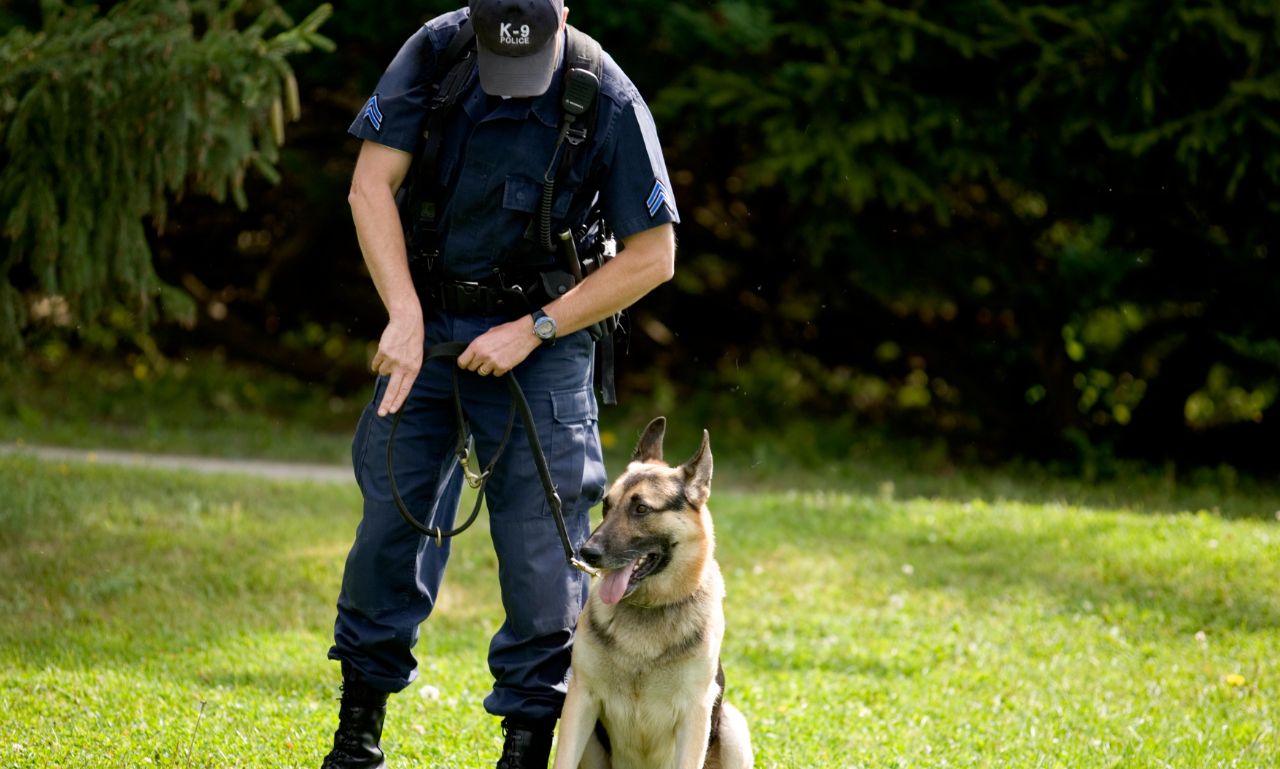
The answer involves far more than intelligence. Genetics, attention, motivation, temperament, past experiences, age, and the way a person trains all influence how quickly a dog connects a cue with the desired behavior.
What Determines How Quickly a Dog Learns Commands?
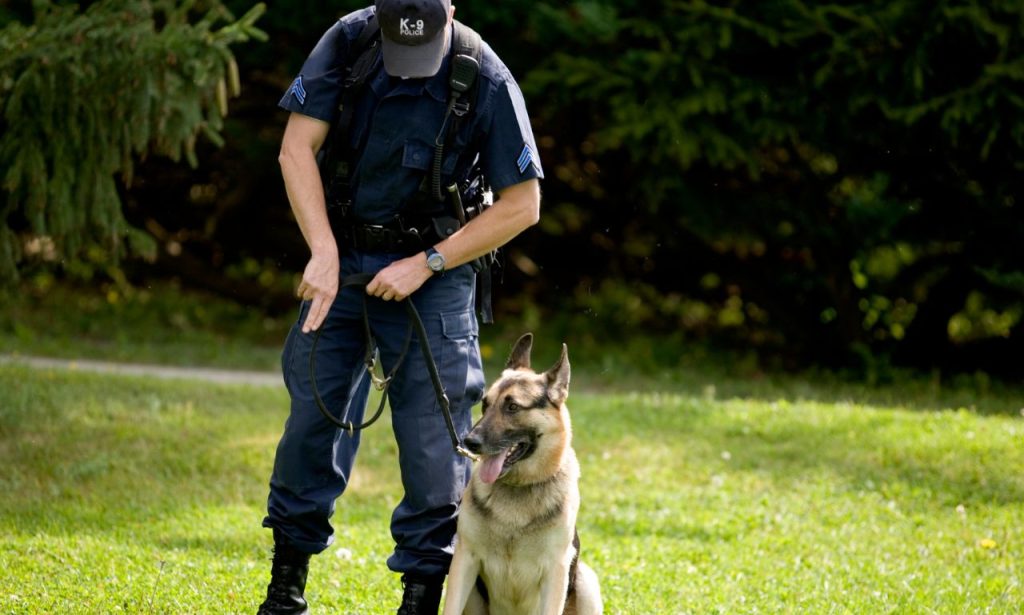
Dog training is a learning process built around associations. A dog hears a cue, performs a behavior, experiences a consequence, and gradually learns what that cue predicts. Yet dogs differ considerably in how quickly they make and remember those connections.
Research into canine trainability suggests that several abilities work together. These include attention, motivation, memory, comprehension, and willingness to engage with a handler. That explains why judging a dog’s learning ability by intelligence alone can be misleading.
Why Intelligence and Memory Affect Dog Training
A dog that quickly recognizes patterns may need fewer repetitions to understand a new exercise. Memory matters too. Learning “down” during one session has limited value if the dog struggles to recall the behavior the following day.
Dogs also differ in the kinds of information they learn easily. Associating a sound with an action isn’t the same as learning object names. Research discussed by the American Kennel Club shows that dogs can readily associate cues with behaviors, while learning object names appears much harder for most dogs.
This distinction helps explain an apparent contradiction owners often notice. A dog may master “sit” within minutes yet take much longer to understand the name of a particular toy.
Why Do Some Dog Breeds Learn Commands Faster Than Others?
Breed can influence trainability, although it doesn’t determine an individual dog’s potential. Generations of selective breeding shaped dogs for very different jobs. Those jobs required different relationships with people.
Herding and retrieving dogs, for example, were often expected to notice human directions and work cooperatively. Other dogs were developed to make decisions more independently. Those inherited tendencies can influence how naturally a modern dog pays attention during obedience training.
Does Breed Determine How Intelligent a Dog Is?
Not exactly. Trainability and intelligence aren’t interchangeable.
Highly trainable breeds often combine cognitive ability with concentration and a strong desire to work with people. The AKC notes that genetic heritage, instinctive drive, personality, distractibility, and training methods can all affect trainability.
An independent dog isn’t necessarily less intelligent because it ignores repeated requests. It may understand the task perfectly but find something else more rewarding.
Individual differences matter just as much. Two Labrador Retrievers from different homes can have very different attention spans, confidence levels, interests, and training histories. Breed provides useful background, not a guaranteed prediction.
How Motivation and Attention Change Learning Speed
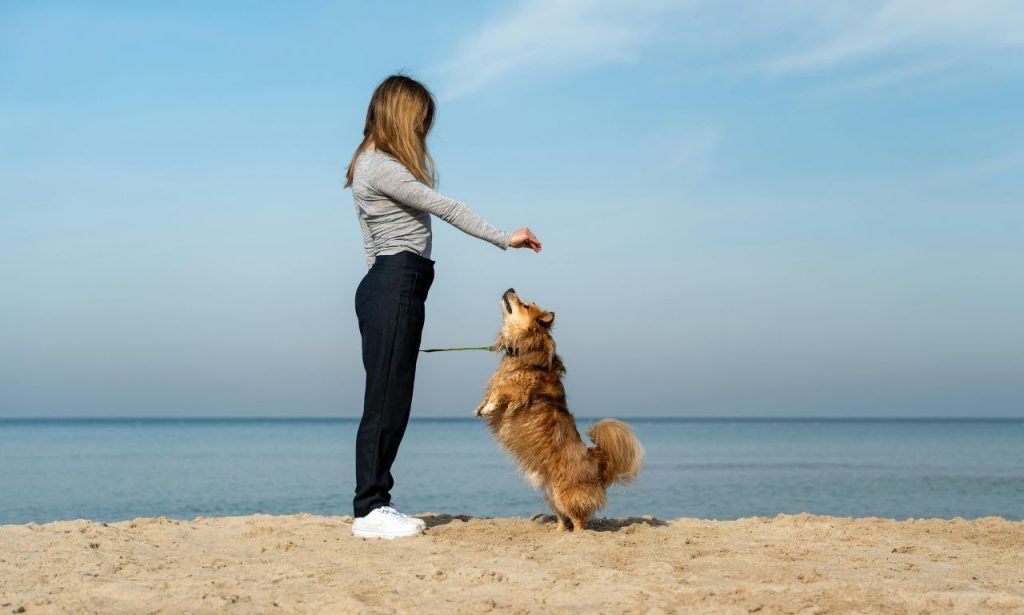
A dog’s ability to perform a command begins with attention. Learning becomes difficult if the dog is watching another animal, following an interesting smell, or worrying about an unfamiliar environment.
Motivation determines whether paying attention seems worthwhile. Food works brilliantly for many dogs, but it isn’t universally valuable. Some dogs prefer tug games, balls, praise, physical affection, or permission to sniff.
The value of a reward can also change with the surroundings. Ordinary kibble might hold a dog’s attention in the kitchen but become irrelevant at a busy park. Trainers therefore need to consider what the dog values at that particular moment. The AKC recommends matching rewards to individual dogs and using higher-value reinforcement for challenging situations.
Why Positive Reinforcement Helps Dogs Learn Commands Faster
Positive reinforcement strengthens a behavior by giving the dog something desirable after the correct response. The reward might be food, play, praise, or access to something enjoyable.
Timing is crucial. If a dog sits and receives a reward immediately, the connection is relatively clear. Waiting too long can accidentally reward whatever the dog does next.
A marker such as a clicker or a brief word like “yes” can identify the exact moment the correct behavior occurs. The reward then follows.
Effective reinforcement also encourages participation. A dog that expects training to produce worthwhile outcomes has a reason to remain engaged and try again.
Does Age Affect How Quickly Dogs Learn Commands?
Puppies are often considered easier to train because they’re developing new habits and learning about their surroundings. Early training can certainly create a valuable foundation, but youth doesn’t automatically make every lesson faster.
Young puppies have limited attention spans. Adolescents may become more interested in exploring their environment. Adult dogs can sometimes concentrate for longer and may already understand how training works.
Older dogs can learn as well. The familiar claim that an old dog cannot learn new tricks doesn’t reflect how canine learning actually works. The AKC notes that dogs can continue learning through positive reinforcement at different ages.
How Previous Experiences Influence Trainability
Every training session builds on what a dog has already learned.
A dog accustomed to reward-based training may quickly recognize the pattern of hearing a cue, offering a behavior, and earning reinforcement. A dog with little training experience first has to understand that interacting with the handler produces useful information.
Previous experiences can also create obstacles. A frightened dog may struggle to concentrate. An adopted dog entering an unfamiliar home may need time to feel secure before it can learn fully.
Socialization matters for similar reasons. Early positive exposure to people, environments, sounds, surfaces, and everyday experiences can help puppies develop confidence. The AKC identifies roughly 8 to 16 weeks as a particularly important period for early socialization and development.
How Training Methods Affect How Fast Dogs Learn
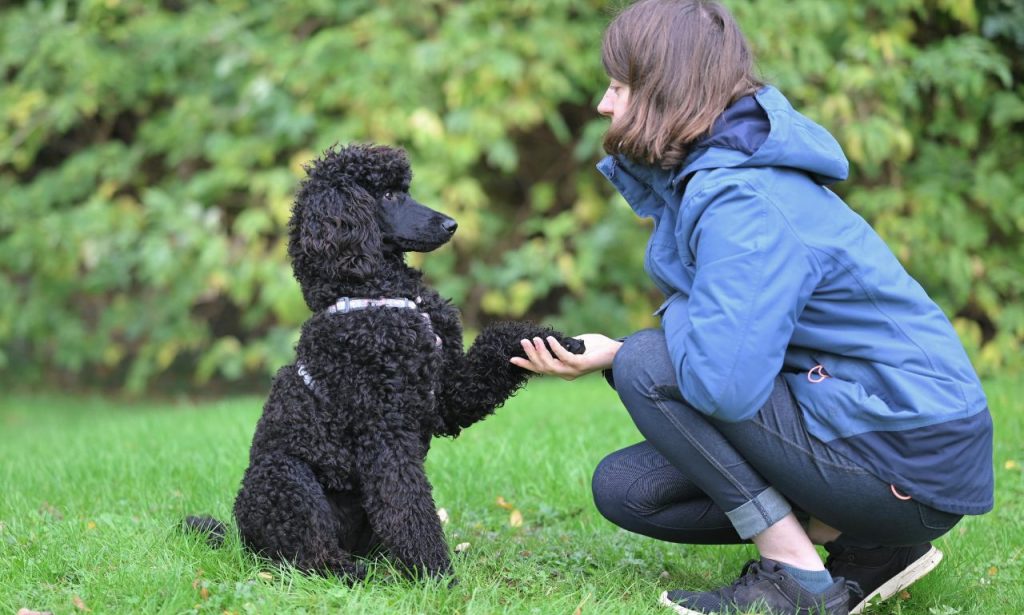
Sometimes the difference between a “fast learner” and a “slow learner” comes down to training clarity.
Imagine one person consistently saying “down” and rewarding the dog as soon as its elbows touch the floor. Another person alternates between “down,” “lie down,” and “get down,” sometimes rewarding the behavior and sometimes ignoring it. The first dog receives much clearer information.
Consistency matters because dogs learn associations, not dictionary definitions. Everyone in the household should therefore use the same cues and expectations.
Training sessions should also suit the dog’s concentration level. Short, productive practice can be more useful than continuing until the dog loses interest. AKC guidance recommends keeping early puppy lessons simple and brief.
Why Dogs Sometimes Know Commands at Home but Ignore Them Outside
Dogs don’t always generalize learning as easily as people expect.
A dog may understand “sit” in the living room while appearing to forget it at the park. The park introduces smells, dogs, people, movement, noises, and opportunities to explore. The behavior hasn’t necessarily disappeared; it’s just harder to perform.
Training should therefore progress gradually. Begin somewhere quiet, establish the behavior, and then introduce manageable distractions. Later, practice in different rooms, gardens, streets, and other safe environments.
Owners should also consider physical or emotional factors when progress changes unexpectedly. Pain, illness, hearing problems, vision changes, anxiety, or age-related changes can affect responsiveness. A sudden decline in a dog’s ability to perform familiar behaviors deserves veterinary attention, not dismissal as stubbornness.
Conclusion
So, why do some dogs learn commands faster than others? Learning speed reflects a combination of genetics, memory, attention, motivation, temperament, age, experience, environment, and training quality. A dog that learns slowly isn’t automatically less intelligent.
Effective training works with the individual dog. Clear cues, valuable rewards, manageable distractions, consistent practice, and realistic expectations make learning easier. Instead of comparing one dog’s progress with another’s, owners usually get better results by discovering what keeps their own dog attentive, confident, and motivated.
Also Read: Can Pets Get Jealous of New Babies?
FAQs
Border Collies, Poodles, German Shepherd Dogs, Golden Retrievers, Labrador Retrievers, and several working and herding breeds are often considered highly trainable. Individual temperament and training still matter considerably.
There isn’t a reliable number for every dog. Complexity, distractions, previous training, motivation, reinforcement, and the individual dog’s learning ability can all change how many repetitions are needed.
Distractions, stress, weak reinforcement, inconsistent cues, or insufficient practice can reduce responsiveness. Sudden changes involving previously reliable commands may also justify checking for pain, sensory changes, or another health problem.
Yes, some adult and older dogs can learn very effectively. Puppies benefit from early learning opportunities, but mature dogs may concentrate better. Positive, consistent training can support learning throughout a dog’s life.
Leave a Reply