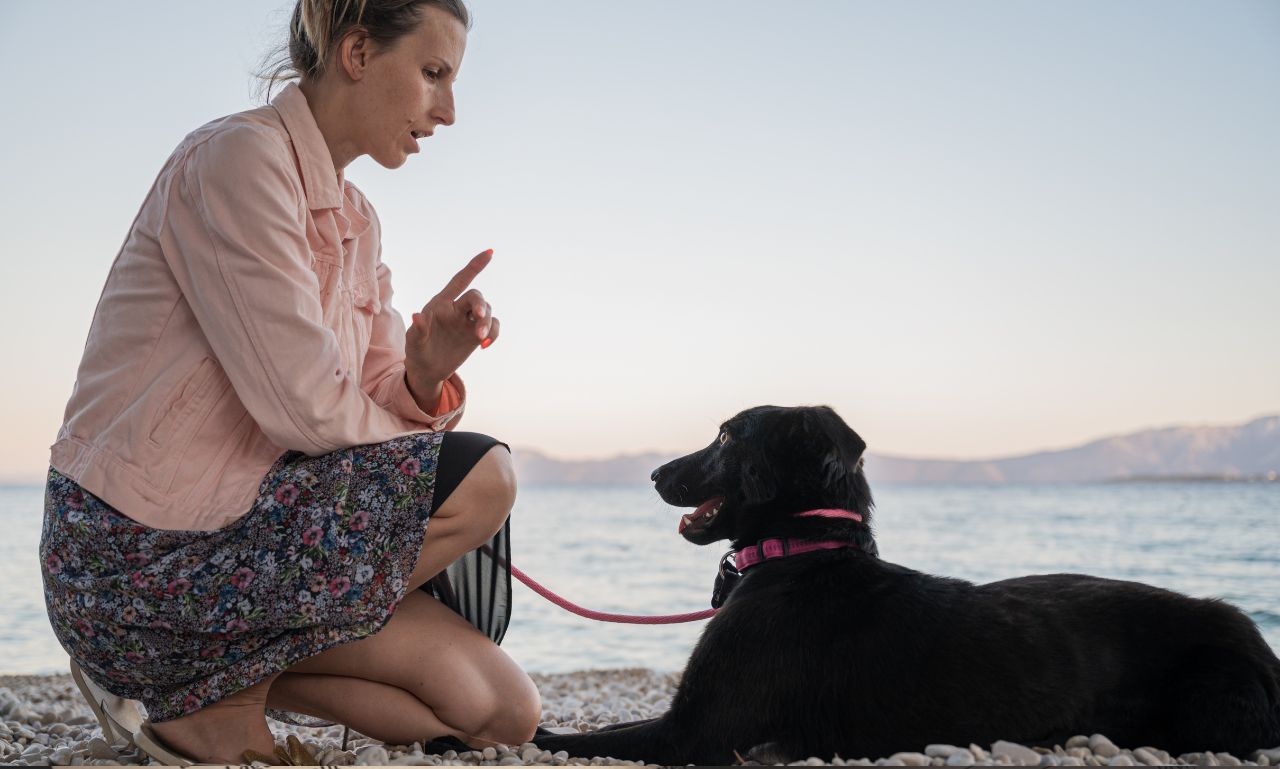
Your dog ignores commands outside, yet at home, the same instructions seem effortless. You ask it to sit in the living room, and it responds immediately, but at the park, even calling its name gets little attention. This shift can be frustrating, especially when you’ve spent time teaching those commands, but there’s usually a reasonable explanation.
How Dogs Learn Commands and Why Location Matters
Dogs Don’t Always Understand That Commands Apply Everywhere
Dogs learn by connecting actions with what happens around them. When you teach your dog to sit in the kitchen, it becomes familiar with your voice, your movements, and the training setting.
After enough practice, the response may become almost automatic. But take that same dog to a park, and the situation changes considerably.
Unfamiliar smells, people walking past, and other animals moving around change the situation. Your dog may understand the command but hasn’t learned to respond under these new conditions.
Dog trainers call this generalization, which means learning to perform the same behavior in different places.
Think of a dog that always sits before receiving dinner. It may respond perfectly beside its food bowl but hesitate when you ask it to sit near a busy footpath. The command hasn’t changed, but the circumstances have.
Familiar Surroundings Make Listening Easier
At home, dogs generally know what to expect. They recognize everyday sounds, understand household routines, and rarely encounter anything completely unfamiliar.
That predictability makes concentrating easier.
Outside, almost everything competes for attention. Even a familiar walking route can offer something new each day, from another dog’s scent to nearby construction noise.
Your dog isn’t necessarily choosing to ignore you. It may simply find it harder to concentrate when so much is happening.
That is why good behavior at home should be seen as the start of training, not proof that a dog will respond everywhere.
Why Outdoor Distractions Make Dogs Ignore Commands
Smells, Movement, and Other Animals Can Be More Interesting
Dogs experience the outside world differently from humans. While you might notice a quiet patch of grass, your dog could detect traces of several animals that passed through hours earlier.
Following those scents is naturally rewarding.
A passing cyclist, a bird landing nearby, or another dog approaching can also become more interesting than the instruction you’re giving.
Some dogs are especially sensitive to movement. Others become absorbed in smells or eager to greet strangers.
Individual temperament matters too. A dog that enjoys chasing moving objects may struggle near squirrels, while a sociable dog might find other dogs particularly distracting.
Understanding what captures your dog’s attention helps you choose better places and moments for training.
Excitement and Nervousness Can Affect Listening
A dog that doesn’t respond outdoors isn’t always distracted by something enjoyable.
Sometimes, the environment feels uncomfortable or frightening.
Busy roads, unfamiliar dogs, loud noises, and crowded spaces can make a dog nervous. When that happens, its attention shifts toward understanding what’s happening around it.
Excitement can create a similar problem. A dog that desperately wants to play may struggle to settle long enough to follow a simple instruction.
Watch its body language. Constant pulling, tense muscles, excessive barking, or repeatedly looking around can suggest that your dog is struggling to cope.
If it suddenly refuses treats it normally enjoys, the situation may be too intense for effective training.
Moving somewhere quieter often helps more than repeating the command.
Common Training Habits That Make Outdoor Obedience Difficult
Practicing Only at Home Creates Gaps in Training
One reason a dog ignores commands outside is that it hasn’t practiced them under enough different conditions.
Teaching a dog to sit in a quiet bedroom is useful, but it doesn’t prepare the animal for every situation.
Training gets harder as distance, duration, and distractions increase.
For example, asking your dog to sit beside you for two seconds is relatively simple. Expecting it to remain seated while another dog runs past is much harder.
Problems often begin when owners move from easy exercises straight into busy environments.
Instead, practice somewhere slightly more challenging than home, such as a quiet garden or empty parking area away from traffic.
Once your dog responds comfortably, gradually introduce more distractions.
Repeating Commands Can Make Them Less Meaningful
Imagine calling your dog five times while it investigates an interesting smell. Eventually, it looks up and comes over.
Although the dog returns, it may learn that the first few calls don’t require a response.
Repeating commands can weaken their meaning, particularly when the dog regularly has opportunities to ignore them.
Rewards also matter.
A treat that seems exciting in the kitchen might not compete with chasing a ball or greeting another dog.
Use something your dog genuinely enjoys, like a favorite toy or a particularly appealing treat.
Avoid punishing your dog when it finally responds. If returning leads to an unpleasant experience, it may become even less willing to come next time.
How to Teach Your Dog to Listen Outside
Start Somewhere Quiet and Increase Distractions Slowly
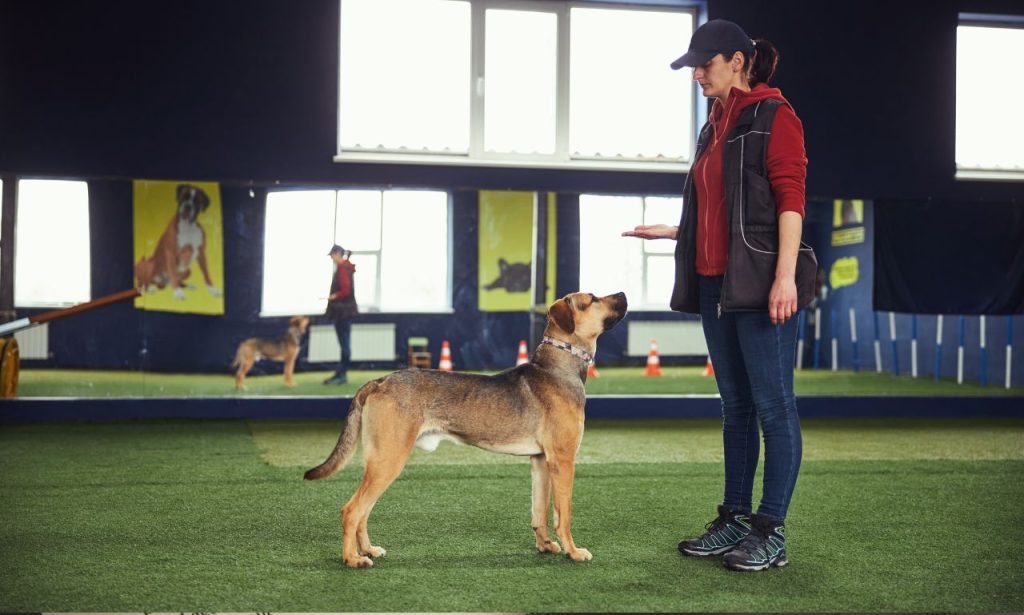
Outdoor training works best when your dog has a realistic chance of succeeding.
Begin in a familiar, quiet location. Ask for commands your dog already knows, such as sit, stay, or come.
Reward successful responses and keep the session short.
Once your dog responds comfortably, move to a slightly different environment. This might be your garden, a quiet footpath, or an empty section of a park.
There’s no need to rush toward crowded places.
If your dog becomes distracted, create more distance between it and whatever has captured its attention.
For instance, if another dog approaches, move farther away before asking for a command.
Over time, your dog can learn to listen while more activity happens nearby.
Progress may vary from one day to another. Weather, unfamiliar smells, and the number of people or animals nearby can all affect concentration.
Make Listening Worthwhile for Your Dog
Dogs are more likely to repeat behaviors that lead to something rewarding.
When your dog responds to a command outdoors, reward it promptly. The reward could be food, a toy, praise, or permission to continue exploring.
You can also teach your dog to pay attention before giving more complicated instructions.
Start by saying its name once. When it looks toward you, reward that response.
Repeat this exercise in different quiet locations until checking in becomes familiar.
Recall training needs particular care.
Practice calling your dog from short distances in a secure area. When it returns, reward it and sometimes allow it to go back to playing.
This teaches your dog that coming when called doesn’t always mean the fun is over.
A long training lead attached to a suitable harness can help you practice safely before trusting recall in more challenging environments.
Helping Your Dog Become More Reliable in Different Places
Regular Practice Builds Confidence and Understanding

Dogs become more dependable when they experience familiar commands in different situations.
You might practice sitting before crossing a quiet road, waiting calmly near a park entrance, or coming when called during a supervised play session.
These everyday opportunities help your dog understand that listening isn’t something reserved for the house.
Keep expectations realistic.
A young puppy may struggle to concentrate for long, while an adolescent dog might become especially interested in exploring.
Some adult dogs also need extra time to become comfortable in unfamiliar places.
Instead of measuring success by how many commands your dog follows, focus on whether its responses are becoming more consistent.
Know When Your Dog Needs Extra Help
Sometimes, difficulty following commands outdoors points to something beyond ordinary distraction.
A dog that becomes frightened, reacts strongly toward other animals, or struggles to settle may need additional behavioral support.
A qualified trainer who uses positive reinforcement can help identify what’s making training difficult.
Sudden changes in behavior also deserve attention.
If a dog that previously responded well stops reacting to familiar instructions, hearing problems, discomfort, or other medical concerns could be involved.
A veterinary examination can help rule out health issues before you change its training routine.
Conclusion
A dog ignores commands outside for many reasons, and most have little to do with being stubborn. The outdoor world offers unfamiliar smells, movement, sounds, and experiences that make it much harder to concentrate than at home.
The solution isn’t to demand more attention immediately. It’s to help your dog understand familiar commands in different places, starting with manageable situations and gradually introducing distractions.
With consistent practice, suitable rewards, and patience, your dog can become more responsive without losing its natural curiosity about the world.
FAQs
Both can work. Some dogs concentrate better after a brief exploration, while others respond best before they get tired or overstimulated.
Yes. Dogs can learn words from different languages when owners consistently connect each word with the intended behavior.
Five to ten minutes is often enough. Shorter sessions may work better for puppies or dogs that become distracted easily.
Hand signals can help when background noise makes verbal instructions difficult to hear. Many dogs learn to respond to both.
Leave a Reply