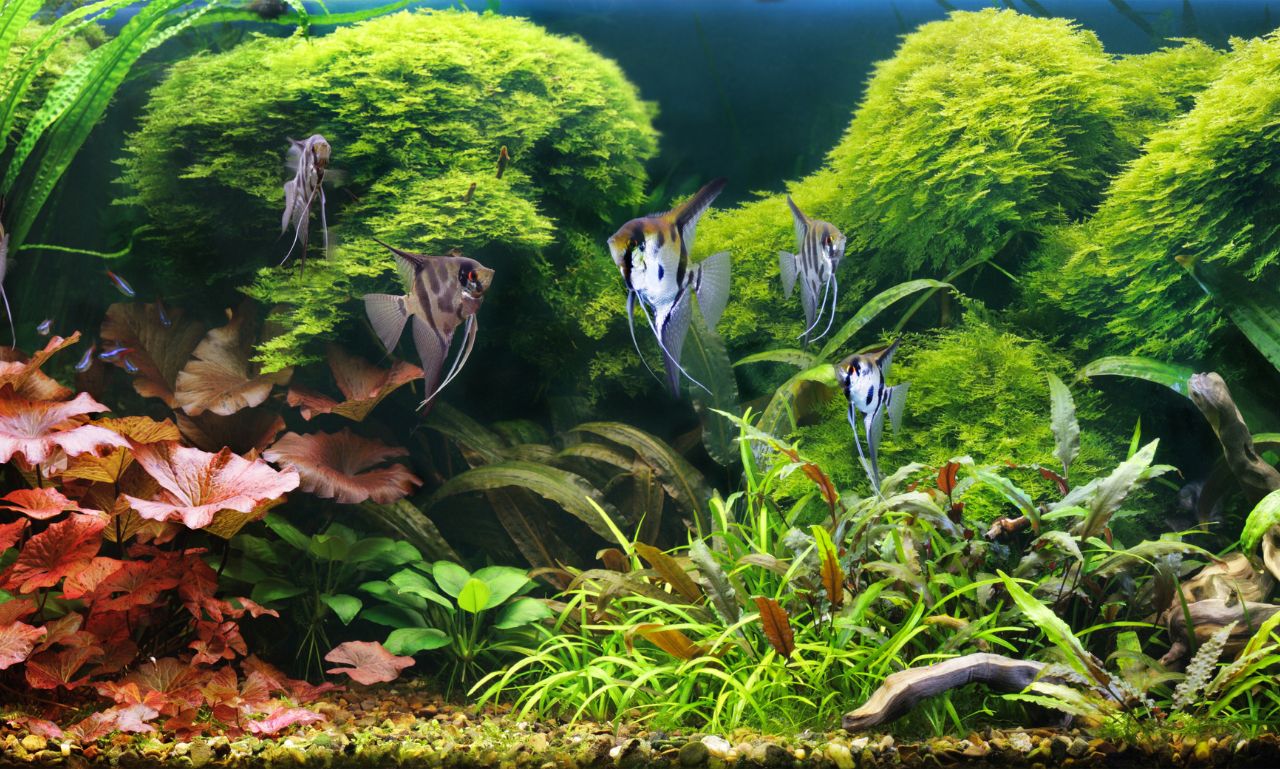
A beautiful aquarium does more than showcase colorful fish. It creates a healthy environment where aquatic life can thrive. Decorations play a major role in that environment. From artificial castles and driftwood to rocks and plants, these items add character while also serving as hiding places and territories for fish.
So, how often should aquarium decorations be cleaned? The answer depends on several factors, including tank size, fish population, lighting, and the type of decorations inside the aquarium.
Let’s explore everything you need to know to keep your aquarium decorations clean without compromising your fish’s health.
Why Regular Cleaning of Aquarium Decorations Is Important
Aquarium decorations are not just decorative pieces. They become part of the tank’s ecosystem over time. As water circulates through the aquarium, organic waste settles on these surfaces, creating conditions that can affect water quality.
Understanding why regular cleaning matters helps aquarium owners avoid many common problems.
How Dirty Decorations Affect Water Quality and Fish Health
Fish produce waste every day. Uneaten food, plant debris, and organic matter also accumulate inside the tank. Much of this material settles on decorations.
Over time, these surfaces become coated with biofilm, algae, and decomposing waste. While some biofilm is normal, excessive buildup can contribute to poor water conditions. As organic matter breaks down, it releases compounds that increase ammonia and nitrate levels.
Many experienced aquarium hobbyists have seen this firsthand. A tank may appear clean at first glance, yet hidden waste trapped inside decorative caves or artificial plants can gradually affect water parameters.
Poor water quality often leads to stressed fish. Stress weakens immune systems and increases susceptibility to diseases such as fin rot, ich, and bacterial infections. Regular cleaning helps prevent these issues before they start.
The Role of Decorations in Algae Growth and Bacterial Buildup
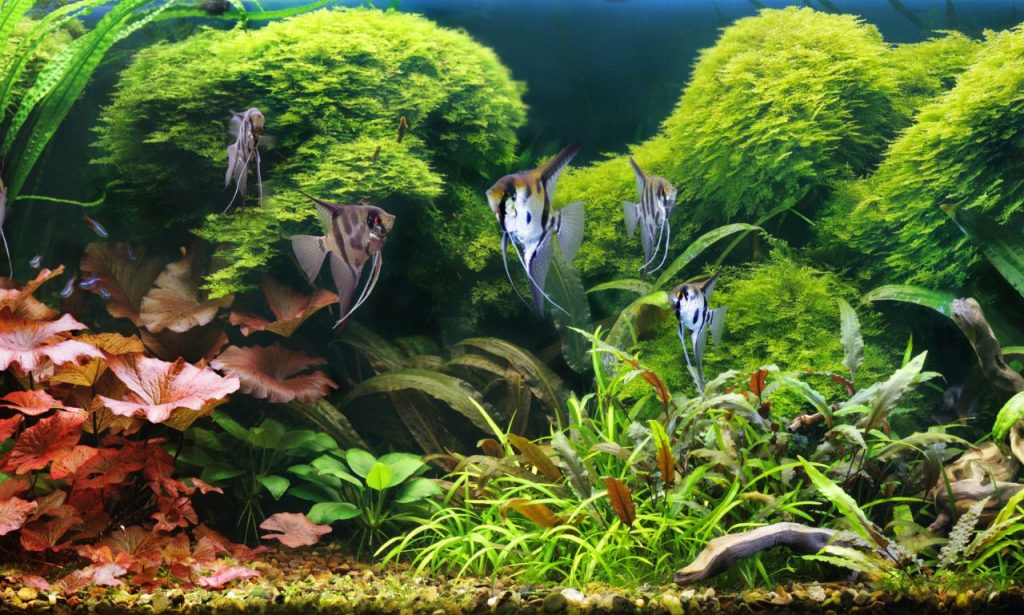
Algae naturally exist in most aquariums. In fact, a small amount is perfectly normal. Problems arise when algae begin covering decorations, glass surfaces, and plants.
Decorations often provide ideal surfaces for algae growth because they receive direct light and collect nutrients from fish waste. Bright lighting, excessive feeding, and infrequent maintenance can accelerate the process.
Bacteria also colonize decorative surfaces. Not all bacteria are harmful. Beneficial bacteria are essential because they help break down ammonia and nitrites. However, layers of accumulated waste can create pockets where undesirable bacteria flourish.
Maintaining clean decorations helps control algae while supporting a healthier balance of microorganisms throughout the aquarium.
How Often Should Aquarium Decorations Be Cleaned?
One of the most common questions among aquarium owners is exactly how often aquarium decorations should be cleaned.
There is no universal schedule that works for every tank. Instead, cleaning frequency should be based on your aquarium’s specific conditions.
Recommended Cleaning Schedules for Freshwater and Saltwater Aquariums
For most freshwater aquariums, decorations should receive a light cleaning every two to four weeks. This schedule often aligns with regular water changes, making maintenance easier and more efficient.
Heavily stocked freshwater tanks may require more frequent attention because waste accumulates faster. Conversely, lightly stocked aquariums with excellent filtration can often go longer between cleanings.
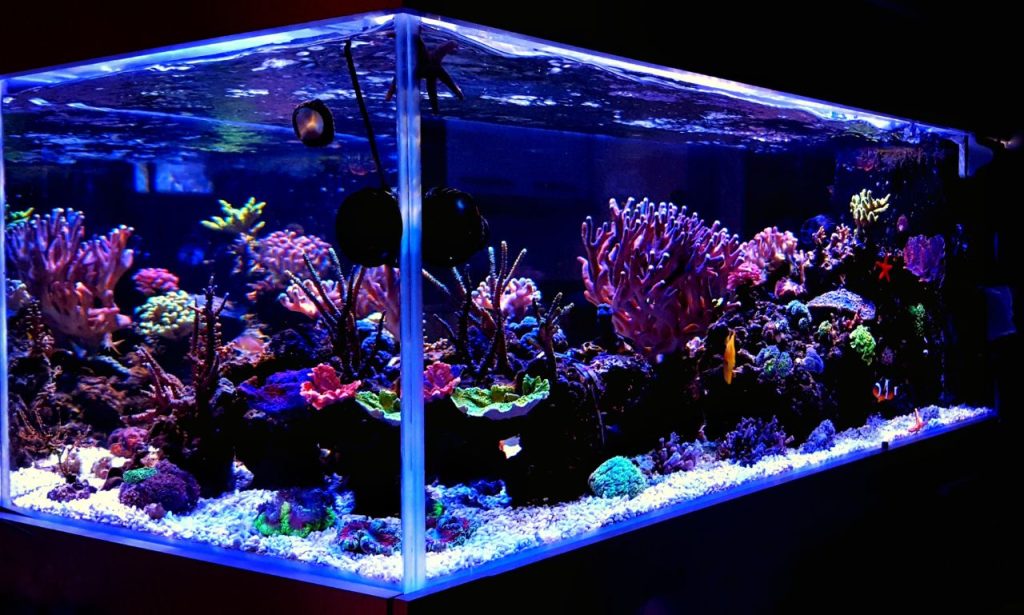
Saltwater aquariums usually require a slightly different approach. Decorations such as live rock play a critical role in biological filtration. Cleaning should be gentle and selective rather than extensive. Many marine aquarists inspect decorations monthly and only remove visible buildup when necessary.
Professional aquarium maintenance companies frequently report that consistency matters more than deep cleaning. Small, routine cleanings tend to produce better long-term results than occasional intensive scrubbing sessions.
Signs That Aquarium Decorations Need Cleaning Sooner
Sometimes your tank will tell you when it’s time for maintenance.
A thick layer of green, brown, or black algae is one of the most obvious signs. Decorations that appear dull, slimy, or discolored also indicate buildup.
Another warning sign is debris collecting around decorative structures. Waste often becomes trapped in caves, tunnels, and artificial plants where water flow is limited.
Pay attention to fish behavior as well. If fish seem less active or spend more time near the surface, deteriorating water quality could be contributing to the problem.
When decorations begin affecting the tank’s appearance or water conditions, cleaning should move higher on your priority list.
What Is the Best Way to Clean Aquarium Decorations?
Cleaning aquarium decorations requires care. The goal is to remove excess buildup while preserving the beneficial bacteria that help maintain water quality.
A thoughtful approach makes all the difference.
Safe Cleaning Methods for Artificial Plants, Rocks, and Ornaments
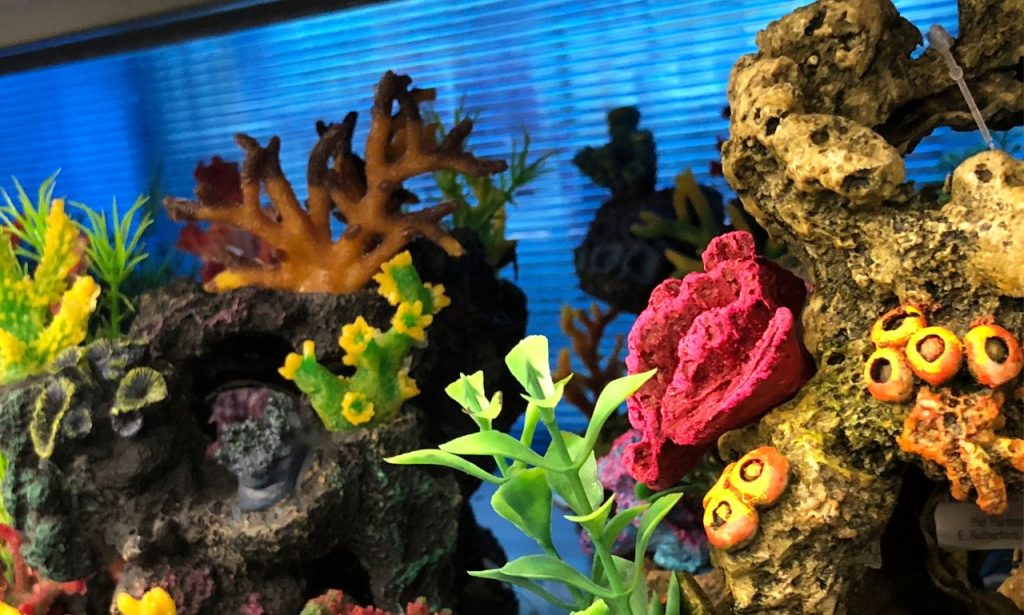
Artificial decorations are generally the easiest items to clean.
Start by removing the decoration during a scheduled water change. Rinse it using water taken directly from the aquarium. This helps preserve beneficial bacteria while removing loose debris.
For stubborn algae, use a soft brush or dedicated aquarium cleaning tool. Gentle scrubbing usually removes most buildup without damaging the surface.
Aquarium professionals often recommend avoiding household cleaning products entirely. Even tiny traces of soap can be dangerous for fish.
For severe algae infestations, some hobbyists soak decorations in a diluted vinegar solution. Afterward, decorations must be thoroughly rinsed and allowed to dry before being returned to the aquarium.
Patience pays off here. Aggressive scrubbing can damage paint, finishes, and delicate artificial plants.
Cleaning Natural Decorations Without Damaging Beneficial Bacteria
Natural decorations require extra caution.
Driftwood, live rock, and natural stones often host large colonies of beneficial bacteria. These microorganisms are vital for biological filtration.
Instead of deep cleaning every surface, focus on removing visible debris and excess algae. A soft brush and aquarium water are usually sufficient.
Many seasoned fishkeepers follow a simple rule: clean only part of the tank at a time. This approach preserves bacterial colonies while reducing waste buildup.
Think of beneficial bacteria as an invisible workforce. Removing all of them at once can destabilize your aquarium and create unnecessary stress for fish.
Common Mistakes to Avoid When Cleaning Aquarium Decorations
Good intentions sometimes lead to costly mistakes. Many aquarium problems begin during maintenance rather than from neglect.
Avoiding these errors can save both time and frustration.
Why Harsh Chemicals and Soaps Can Harm Aquarium Life
Household cleaners may seem like an easy solution, but they pose serious risks.
Soap residues can remain on decorative surfaces long after rinsing. Once returned to the aquarium, these residues may contaminate the water and harm fish.
Chemical cleaners present similar dangers. Fish absorb substances directly from the water through their gills, making them highly sensitive to contaminants.
Veteran aquarium store owners often share stories of healthy tanks crashing after decorations were cleaned with ordinary household products. The lesson is simple: if a product is not specifically designed for aquarium use, keep it away from your tank.
Plain water and mechanical cleaning methods are usually all you need.
The Risks of Overcleaning Decorations and Disrupting Tank Balance
Surprisingly, cleaning too much can be just as harmful as cleaning too little.
Beneficial bacteria live on nearly every surface within an aquarium. When decorations, filter media, gravel, and tank walls are all cleaned simultaneously, bacterial populations can decline dramatically.
A sudden reduction may trigger spikes in ammonia and nitrite levels. These compounds are toxic to fish and can quickly create stressful conditions.
Many successful aquarium keepers adopt a staggered maintenance routine. One week they clean decorations. Another week they focus on gravel or filter maintenance.
This strategy protects the biological stability that keeps aquatic ecosystems healthy.
Maintaining Clean Aquarium Decorations Between Deep Cleanings
Keeping decorations clean doesn’t always require intensive scrubbing. A few preventative measures can significantly reduce buildup.
Small habits often produce the biggest results.
How to Prevent Excessive Algae and Debris Buildup
Algae growth is largely influenced by light and nutrients.
Limiting aquarium lighting to six to eight hours daily can slow algae development. Avoid placing tanks in direct sunlight, as natural light often fuels rapid algae blooms.
Feeding practices matter too. Excess food quickly breaks down and contributes to nutrient accumulation.
Regular water changes help remove dissolved waste before it settles on decorations. Strong filtration and proper water circulation also reduce debris buildup.
Many aquarists notice dramatic improvements simply by reducing overfeeding. Fish rarely need as much food as owners think they do.
Other Aquarium Maintenance Tasks That Support Decoration Cleanliness
Decoration cleanliness is closely connected to overall tank maintenance.
Routine gravel vacuuming removes waste before it accumulates on decorative surfaces. Filter maintenance ensures efficient water movement throughout the aquarium.
Monitoring water parameters also helps identify issues early. Stable nitrate, ammonia, and nitrite levels create a healthier environment with less algae growth.
Live plants can contribute as well. By competing for nutrients, aquatic plants often help reduce algae development naturally.
Consider your aquarium as a complete ecosystem rather than a collection of separate components. When the entire system functions efficiently, decorations stay cleaner for longer periods.
Conclusion
How Often Should Aquarium Decorations Be Cleaned? For most aquariums, a light cleaning every two to four weeks is enough to maintain appearance and water quality. However, the ideal schedule depends on your tank’s size, stocking levels, filtration, and algae growth.
Regular maintenance prevents excessive waste accumulation, supports fish health, and keeps your aquarium looking its best. At the same time, avoid the temptation to overclean. Beneficial bacteria living on decorative surfaces are essential for a stable aquatic environment.
Take a balanced approach. Observe your tank closely, clean when needed, and make adjustments based on what you see. Your fish will thank you for it, even if they can’t say it out loud.
Also Read: Why Is My Fish Tank Cloudy After Cleaning?
FAQs
Most aquarium decorations should be cleaned every two to four weeks, depending on algae growth and waste buildup.
Using aquarium water is safer because tap water may contain chlorine, which can harm beneficial bacteria.
Small amounts are normal, but excessive algae can affect appearance and indicate maintenance issues.
In most cases, fish can remain in the aquarium during routine cleaning and decoration.
Leave a Reply