If you’ve ever stood in your backyard after your dog rolled in something questionable and wondered whether it was time to bathe again, you’re not alone. One of the most common questions veterinarians and groomers hear is: How Often Should Dogs Really Be Bathed?
The answer isn’t as straightforward as many pet owners expect. Some dogs can go months without a bath and still have healthy skin, while others may need regular washing to manage odor, allergies, or skin conditions. Breed, coat type, lifestyle, and even where your dog spends most of its time all play a role.
Understanding the right bathing schedule can help you keep your dog’s coat healthy without causing irritation or dryness. Let’s look at what experts recommend and how to determine the best routine for your four-legged companion.
Is There a Standard Bathing Schedule for Dogs?
Many dog owners hope there’s a universal answer. Unfortunately, dogs don’t come with a one-size-fits-all bathing calendar.
What Veterinarians Recommend for Different Dogs
Most veterinarians agree that healthy dogs generally need a bath every four to twelve weeks. However, recommendations vary significantly depending on the individual dog.
According to guidance commonly shared by veterinary dermatologists, dogs with healthy skin and average activity levels often do well with monthly baths. Meanwhile, dogs with skin allergies, excessive oil production, or certain medical conditions may require more frequent washing using medicated shampoos.
Professional groomers often see long-haired breeds such as Shih Tzus and Maltese every four to six weeks. On the other hand, short-haired breeds like Beagles may only need occasional baths when they become dirty or develop an odor.
A veterinarian in New York once described dog bathing like washing your car. A vehicle parked in a garage requires less cleaning than one driven through mud every day. Dogs work much the same way.
Why Bathing Frequency Varies More Than Most Owners Think
Several factors influence how often your dog needs a bath. Skin health is one of the biggest considerations. Dogs naturally produce oils that protect and moisturize their skin.
Removing those oils too often can create problems. Yet leaving dirt, allergens, and debris on the coat for extended periods can also lead to discomfort.
Climate matters as well. Dogs living in humid regions may develop odors more quickly than those in dry environments. Seasonal changes also affect bathing schedules. During rainy months, many pet owners find themselves reaching for the shampoo bottle more often.
This is why there isn’t a magic number that works for every dog.
What Factors Determine How Often a Dog Needs a Bath?
Understanding your dog’s unique needs is far more important than following a generic schedule.
How Breed, Coat Type, and Skin Condition Affect Bathing Needs
Coat type has a major impact on bathing frequency. Dogs with oily coats, such as Basset Hounds, often require more regular baths because their skin naturally produces more oil.
Long-haired breeds can trap dirt, debris, and moisture within their coats. Regular bathing helps maintain cleanliness while preventing mats and tangles.
Double-coated breeds present a different challenge. Their coats provide natural insulation and protection, making excessive bathing unnecessary. In fact, over-washing can interfere with their coat’s natural function.
Skin conditions also influence grooming needs. Dogs suffering from allergies, fungal infections, or dermatitis may need specialized shampoos prescribed by a veterinarian. In these situations, treatment schedules take priority over general bathing guidelines.
The Impact of Lifestyle, Activity Level, and Environment
A dog’s daily routine often determines how dirty it becomes.
Consider two Labrador Retrievers. One spends most of its time indoors, taking short neighborhood walks. The other enjoys hiking trails, swimming in lakes, and chasing squirrels through muddy fields.
Despite sharing the same breed, their bathing schedules will likely look completely different.
Outdoor dogs typically accumulate dirt, pollen, and environmental allergens more quickly. Dogs that frequent dog parks or beaches may also require additional baths to remove bacteria and debris.
Urban environments create their own challenges. Pollution, road dust, and chemical residues can cling to a dog’s coat, especially in heavily populated areas.
The more active your dog is, the more attention you’ll need to pay to cleanliness.
Can You Bathe a Dog Too Often or Not Enough?
Finding the right balance is crucial. Both extremes can create problems.
Risks of Over-Bathing and Stripping Natural Skin Oils
One of the most common mistakes pet owners make is bathing their dogs too frequently.
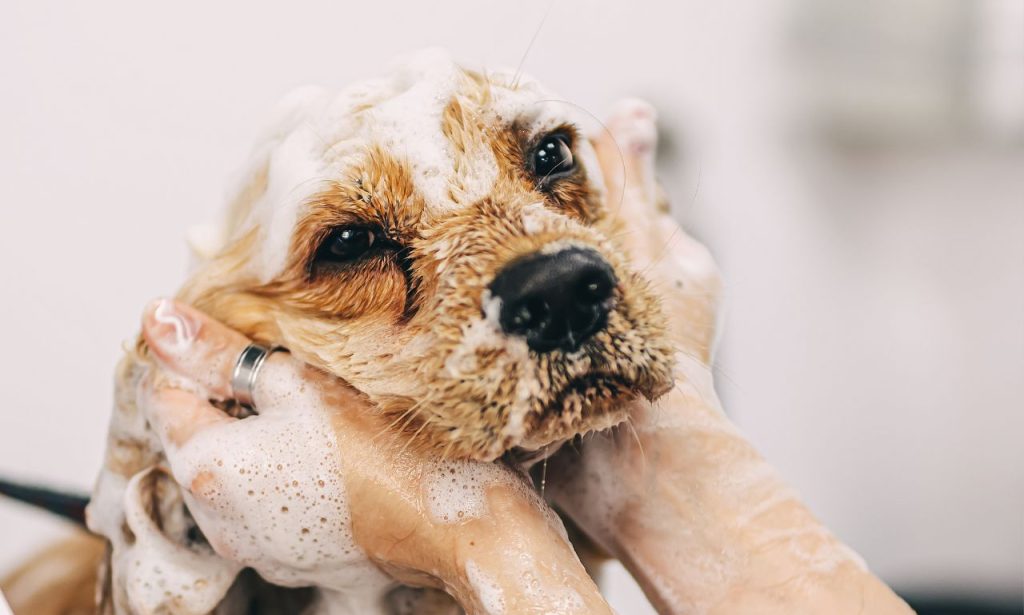
Every bath removes some of the natural oils that protect your dog’s skin. When bathing becomes excessive, the skin can become dry, itchy, and irritated.
Veterinarians often see dogs with flaky skin caused by overzealous grooming routines. Some owners mistakenly assume frequent bathing equals better hygiene. In reality, too much washing can trigger a cycle of dryness and inflammation.
Harsh shampoos make the problem worse. Products formulated for humans can disrupt a dog’s skin pH balance and should generally be avoided.
Healthy skin depends on maintaining its natural protective barrier.
Signs Your Dog Is Due for a Bath and When to Act Sooner
Rather than watching the calendar, pay attention to your dog’s condition.
A noticeable odor is one of the clearest indicators. Dirt buildup, oily fur, and visible debris are additional signs that a bath may be needed.
Excessive scratching can sometimes signal irritation caused by allergens trapped in the coat. If your dog enjoys outdoor adventures, a bath may help remove pollen and environmental contaminants.
Occasionally, immediate bathing becomes necessary. Encounters with skunks, exposure to chemicals, or rolling in unpleasant substances require prompt cleaning regardless of the regular schedule.
Sometimes your nose provides the best reminder.
How Do Bathing Needs Differ by Dog Breed and Coat Type?
Not all coats are created equal, and grooming routines should reflect those differences.
Bathing Guidelines for Short-Haired, Long-Haired, and Double-Coated Dogs
Short-haired breeds typically require the least maintenance. Dogs such as Boxers, Beagles, and Dobermans often stay relatively clean with regular brushing and occasional baths.
Long-haired breeds demand more attention. Their coats can collect dirt and become tangled if not properly maintained. Bathing every four to six weeks is common for many of these dogs.
Double-coated breeds like Huskies, German Shepherds, and Golden Retrievers require a different approach. These dogs rely on their undercoat for temperature regulation.
Many professional groomers recommend bathing them only when necessary, typically every 8 to 12 weeks. Frequent brushing usually does more for coat health than frequent washing.
The goal is to support the coat’s natural function rather than interfere with it.
Special Considerations for Puppies, Senior Dogs, and Dogs With Allergies
Puppies generally need fewer baths than adult dogs. Their skin is more sensitive, making gentle handling essential.
Most veterinarians recommend waiting until a puppy is at least 8 weeks old before introducing a regular bathing routine. Even then, baths should be occasional unless the puppy becomes particularly dirty.
Senior dogs may require adjustments as mobility decreases. Some older dogs struggle to groom themselves effectively, leading to increased odor or coat buildup.
Dogs with allergies present unique challenges. Regular bathing can actually help remove allergens from the coat and provide relief. Veterinary-approved shampoos often play an important role in allergy management programs.
Always consult a veterinarian when dealing with chronic skin issues.
What Are the Best Grooming and Bathing Practices for Healthy Skin and Coat?
Bathing is only one piece of the puzzle. Good grooming habits often reduce the need for frequent washing.
Choosing the Right Shampoo and Avoiding Common Bath-Time Mistakes
The shampoo you choose matters more than many owners realize.
Dog-specific shampoos are designed to support canine skin health. Human products, even gentle ones, can disrupt the natural balance of your dog’s skin.
Look for shampoos suited to your dog’s needs. Moisturizing formulas help dry skin, while medicated options address specific conditions.
One common mistake involves inadequate rinsing. Leftover shampoo residue can irritate the skin and create itching.
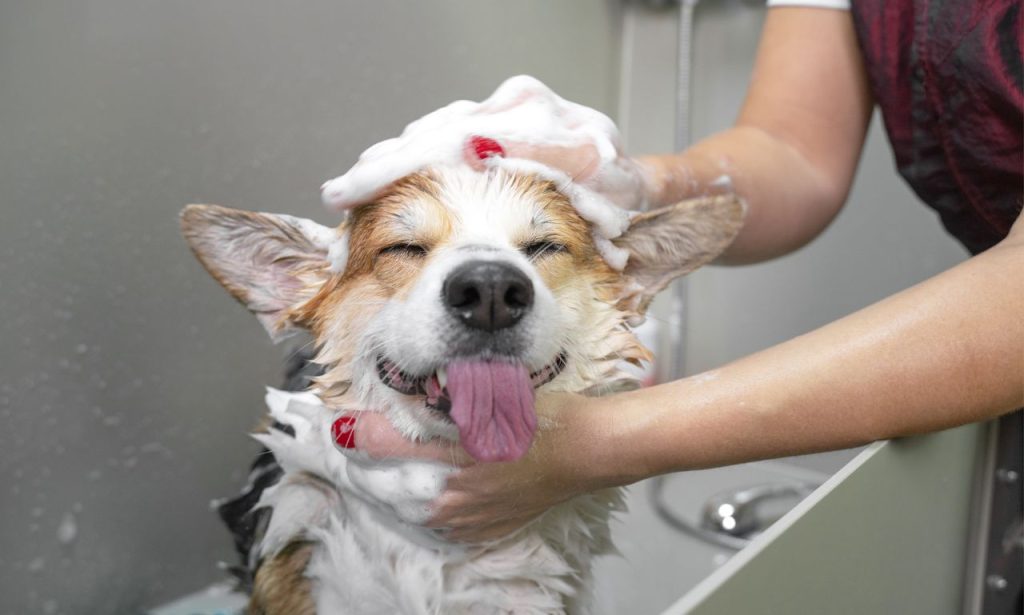
Water temperature matters too. Lukewarm water is generally the safest and most comfortable option.
Think of bath time as skin care, not simply cleaning.
How Brushing, Wipes, and Professional Grooming Reduce Bathing Frequency
Regular brushing removes loose hair, dirt, and debris before they become larger problems.
Many groomers say consistent brushing can dramatically reduce the number of baths a dog needs. It also helps distribute natural oils throughout the coat.
Pet-safe grooming wipes offer a convenient solution between baths. They’re particularly useful for cleaning paws after walks or freshening up dogs that aren’t quite ready for a full wash.
Professional grooming appointments can also help maintain coat health. Groomers often spot skin issues early and provide maintenance that extends the time between baths.
A few minutes of grooming each week can save a lot of effort later.
Conclusion
So, How Often Should Dogs Really Be Bathed? The honest answer is that it depends on the dog.
Most healthy dogs benefit from baths every four to twelve weeks, but factors such as breed, coat type, activity level, and skin health can shift that timeline considerably. Instead of focusing solely on a calendar, observe your dog’s coat condition, odor, and overall comfort.
A clean dog isn’t necessarily one that gets the most baths. Healthy skin, a well-maintained coat, and proper grooming habits matter far more. Take a close look at your dog’s lifestyle and adjust your routine accordingly.
After all, your dog doesn’t care about perfect grooming schedules. It simply wants to stay healthy, comfortable, and ready for the next adventure.
Also Read: How Do You Trim a Nervous Dog’s Nails Safely?
FAQs
For many dogs, weekly baths are excessive unless recommended by a veterinarian for a medical condition.
Yes. Some healthy dogs, especially double-coated breeds, can go months between baths if regularly groomed.
Over-bathing can remove natural oils, causing dry skin, irritation, and itching.
Not necessarily. If the coat is clean and healthy, brushing and routine grooming may be enough between baths.
Leave a Reply