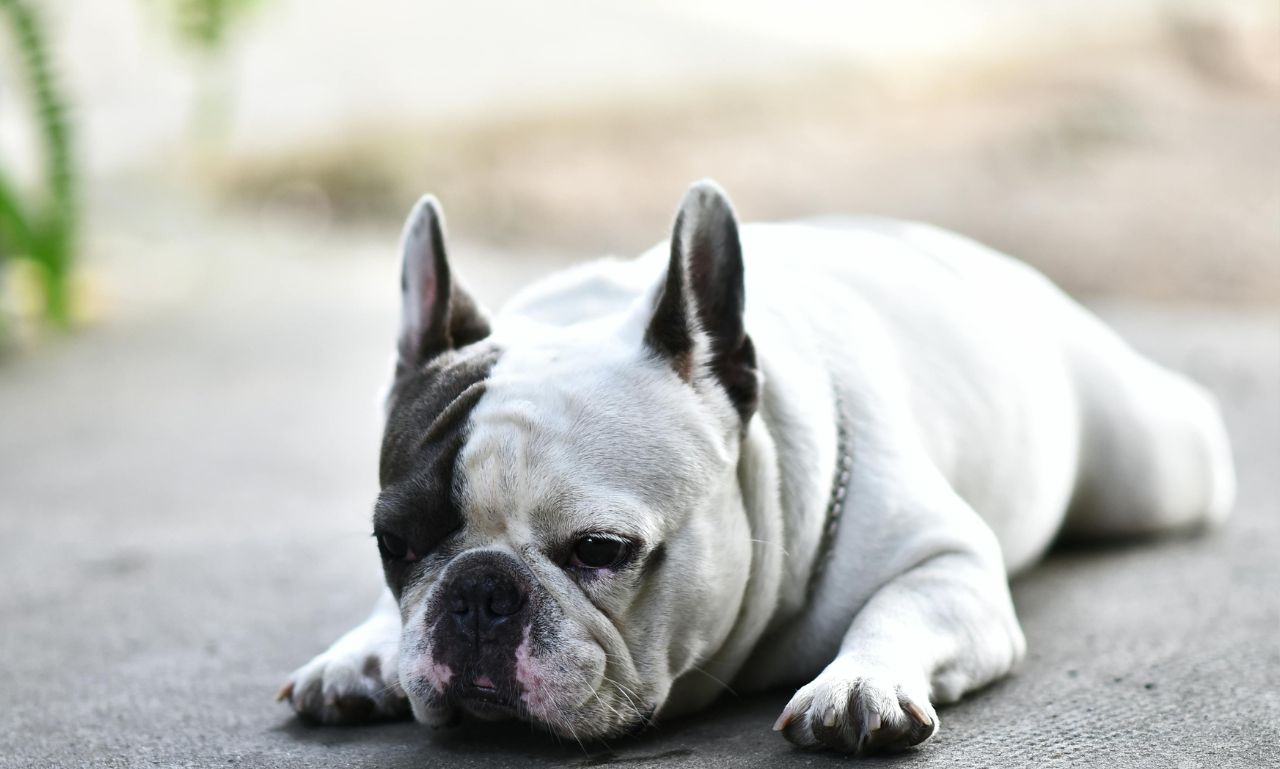
Have you ever watched your dog walk in circles before settling down for a nap and wondered what was going on inside that furry head? It’s one of those behaviors that seems a little odd at first. Yet it’s so common that dog owners across the world notice it every day.
If you’ve been asking yourself, Why Does My Dog Circle Before Lying Down?, the answer goes back much further than your living room couch. This habit is rooted in instincts passed down through generations of dogs, stretching all the way back to their wild ancestors.
Let’s take a closer look at why dogs do this and what it might reveal about their physical and emotional well-being.
The Ancient Survival Instincts Behind Circling Behavior
Many canine behaviors make more sense when viewed through the lens of evolution. Thousands of years ago, dogs did not have memory foam beds or climate-controlled homes. Their ancestors had to sleep outdoors where comfort and safety were not guaranteed.
Before lying down, wild canines would walk in circles to flatten grass, leaves, or snow. This created a more comfortable resting spot while helping them identify hidden dangers such as snakes, insects, or sharp objects.
Even though today’s dogs live in secure environments, instincts do not disappear overnight. According to veterinary behaviorists, many domesticated dogs still engage in behaviors that once helped their ancestors survive. Circling before sleep is one of those inherited habits.
Think of it like humans fluffing a pillow before bed. We know the pillow is safe, yet we still adjust it because it feels right.
How Wild Wolves Influenced Modern Dog Sleeping Habits
Dogs share a common ancestry with wolves, and many sleeping behaviors remain surprisingly similar. In the wild, wolves often prepare a sleeping area before resting. This routine serves practical purposes beyond comfort.
Your dog may not need protection from predators, but those ancient patterns still influence behavior. A few circles around a dog bed may be the modern version of a wolf preparing a den site.
Interestingly, many dogs also choose to sleep in strategic locations within the home. Some prefer doorways where they can monitor movement. Others rest near family members because pack-oriented instincts encourage them to stay close to their social group.
What Are Dogs Trying to Accomplish When They Circle?
Creating a Comfortable and Safe Sleeping Spot
Comfort is one of the biggest reasons dogs circle before settling down.
Just as people adjust blankets or reposition pillows, dogs often move around to find the most comfortable posture. A quick spin helps them determine how their body fits best within the available space.
Large breeds frequently circle more than smaller dogs because they need extra room to position their legs and joints comfortably. Older dogs may also spend additional time adjusting themselves before lying down.
Safety remains another factor. Even in a secure home, dogs naturally assess their surroundings before resting. The circling motion gives them a final opportunity to check their environment.
Have you ever noticed your dog glance around the room before lying down? That quick assessment is often part of the same routine.
Temperature Regulation and Environmental Awareness
Temperature can influence sleeping behavior more than many owners realize.
On warm days, dogs may circle to find a cooler spot on the floor or bed. During colder weather, they often curl into tighter positions after circling to conserve body heat.
Some experts believe circling helps dogs determine the most comfortable orientation relative to airflow, sunlight, or room temperature.
While humans often overlook these details, dogs remain highly attuned to subtle environmental changes. A few circles can help gather that information before relaxing.
Is It Normal for Dogs to Circle Before Sleeping?
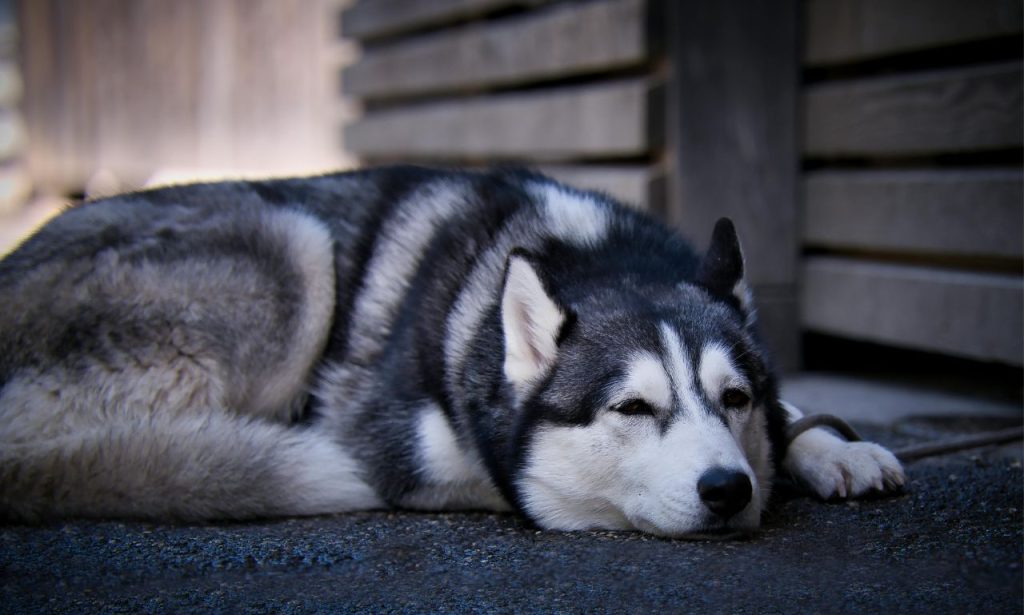
How Much Circling Is Considered Normal?
In most cases, circling is completely normal.
Many dogs circle once or twice before lying down. Others may complete three or four rotations before settling comfortably. The exact number varies by breed, personality, and age.
The key factor is whether your dog appears relaxed afterward. A healthy dog will typically circle, choose a position, and fall asleep without signs of distress.
Veterinarians generally consider occasional circling a normal canine behavior. Problems arise when the circling becomes excessive, repetitive, or appears linked to discomfort.
For example, if a dog spends several minutes pacing in circles and struggles to lie down, it may signal an underlying issue.
Differences Between Puppies, Adult Dogs, and Senior Dogs
Age can significantly affect sleeping behaviors. Puppies often circle because they are exploring their environment and developing routines. Their actions are usually playful and harmless.
Adult dogs tend to establish consistent habits. Once they find a preferred sleeping pattern, they often repeat it throughout their lives.
Senior dogs sometimes show increased circling due to physical changes. Arthritis, joint stiffness, or reduced mobility can make it more difficult to find a comfortable sleeping position.
A veterinarian in Colorado once noted that many aging dogs brought into her clinic for “strange circling behavior” were actually struggling with undiagnosed joint pain. After treatment, their prolonged circling decreased significantly.
This is why observing changes in behavior over time matters more than focusing on the behavior itself.
When Should You Worry About Excessive Circling?
Medical Conditions That Can Cause Excessive Circling
Although circling is usually harmless, certain medical conditions can contribute to abnormal behavior.
Arthritis is one of the most common causes. Dogs experiencing joint pain may circle repeatedly as they try to find a position that minimizes discomfort.
Vestibular disease, which affects balance, can also lead to unusual circling patterns. Dogs with this condition often appear dizzy or unsteady.
Cognitive dysfunction syndrome, sometimes called canine dementia, may cause repetitive circling in older dogs. This condition becomes more common as dogs age.
If the behavior appears sudden or significantly different from your dog’s normal routine, it’s worth paying attention.
Warning Signs That Require a Veterinary Visit
Circling becomes concerning when it occurs alongside other symptoms.
Watch for signs such as difficulty standing, limping, confusion, head tilting, loss of balance, or vocalizing during movement. These symptoms may indicate pain or neurological issues.
Trust your instincts as an owner. You know your dog’s normal behavior better than anyone else. If something feels off, scheduling a veterinary evaluation is often the safest decision.
Early diagnosis frequently leads to better outcomes, especially for age-related conditions.
Other Interesting Dog Sleeping Behaviors Explained
Why Dogs Scratch Their Beds Before Lying Down
Bed scratching often accompanies circling and comes from similar ancestral instincts.
Wild dogs scratched the ground to remove debris, create a softer resting surface, and regulate temperature. In colder weather, scratching could expose warmer soil underneath.
Modern dogs continue this behavior even when sleeping on expensive beds or blankets.
Many owners find it amusing to watch a dog vigorously “prepare” a perfectly flat bed. Yet from the dog’s perspective, they’re simply following a deeply ingrained routine.
The behavior also allows dogs to leave scent markers from glands located in their paws, subtly claiming the area as their own.
Why Dogs Change Positions, Curl Up, or Sleep on Their Backs
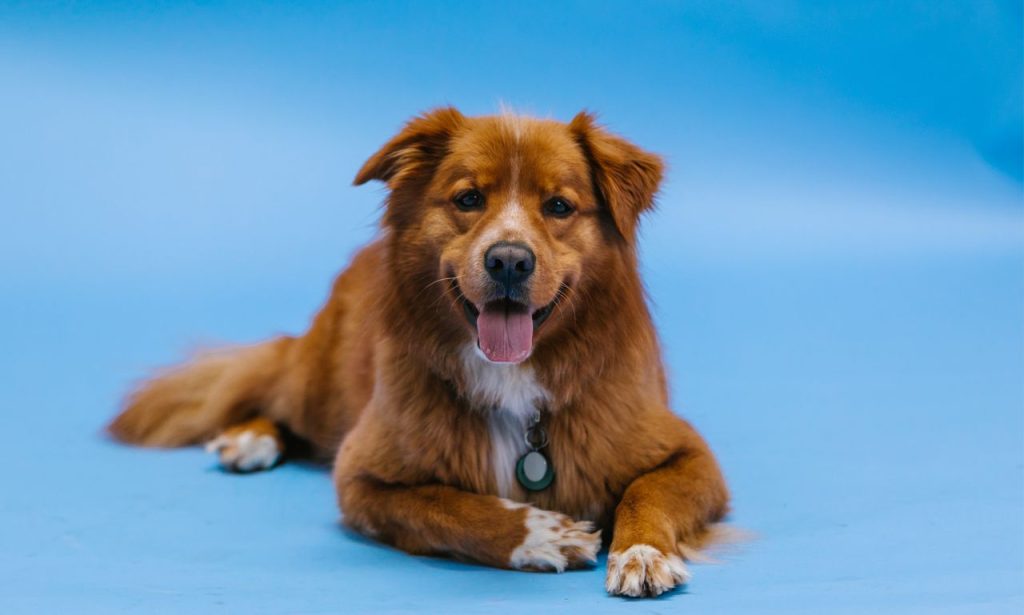
Sleeping positions reveal a lot about how dogs feel physically and emotionally.
Dogs that curl into a ball often seek warmth and security. This position protects vital organs while conserving body heat.
A dog sleeping on its side generally feels relaxed and safe. Many experts consider this one of the most comfortable resting positions.
Then there’s the classic belly-up sleeper. When dogs lie on their backs with paws in the air, they are displaying a high level of trust in their environment.
This position also helps cool the body because less fur covers the stomach area.
Next time your dog changes positions throughout the night, remember they’re making small adjustments to maximize comfort—just like humans do.
Conclusion
So, Why Does My Dog Circle Before Lying Down? In most cases, the answer lies in instinct, comfort, and environmental awareness. What may look like a quirky habit is actually a behavior shaped by thousands of years of evolution.
Dogs circle to create a comfortable resting place, assess their surroundings, and satisfy deeply rooted survival instincts inherited from their wild ancestors. Most of the time, this behavior is completely normal.
Still, changes in frequency or intensity deserve attention, especially in older dogs. When circling becomes excessive or appears linked to pain, a veterinary visit is a smart next step.
Have you noticed how many times your dog circles before settling down? The next time you watch the ritual, you’ll know there’s a fascinating story behind every spin.
Also Read: Can Dogs Remember People After Years Apart?
FAQs
Yes. Many dogs circle two to four times before settling into a comfortable sleeping position.
Older dogs may experience arthritis, stiffness, or age-related cognitive changes that affect how they settle down.
Yes. Some anxious dogs circle more frequently because they feel restless or uncertain about their surroundings.
Seek veterinary advice if circling becomes excessive or occurs alongside confusion, pain, balance issues, or difficulty lying down.
Leave a Reply